Living a non-toxic lifestyle means you consciously reduce your daily exposure to harmful chemicals. This journey is not about perfection. It is about making small, manageable changes that add up over time. Choosing PFAS-free items or using compostable plates helps limit your contact with toxins like PFAS.
This guide gives you simple, practical steps. You can start creating a healthier home and body today. Your choices have the power to make a real difference.
Key Takeaways
-
Reduce harmful chemicals in your home. Make small changes over time. This helps your health.
-
Many products have hidden chemicals. PFAS are "forever chemicals." They stay in your body and harm your health.
-
You can make your home safer. Use cast iron or ceramic pans. Choose glass containers for food.
-
Check labels on products. Look for "PFAS-Free" and "BPA-Free." This helps you pick safer items.
-
Start with small changes. Filter your water. Use glass for food storage. Read ingredient labels. This makes a big difference.
The Health Risks of Hidden Chemicals
Your home should be a safe place. Many everyday products, however, contain hidden chemicals that can affect your health. Understanding these substances is the first step toward creating a healthier environment for you and your family.
Understanding PFAS and Other Toxins
You may have heard of PFAS, or per- and polyfluoroalkyl substances. Scientists call them "forever chemicals." These man-made chemicals repel water and oil, which makes them useful in many products. The problem is that PFAS do not break down easily. They build up in our bodies and the environment over time. These PFAS chemicals are toxic even at extremely low levels.
You can find PFAS in many common household items. They are often used in:
-
Non-stick cookware
-
Stain-resistant carpets and furniture
-
Waterproof clothing
-
Food packaging like pizza boxes and microwave popcorn bags
Two of the most well-known PFAS chemicals are PFOA, once used in Teflon, and PFOS, an ingredient in Scotchgard.
How Chemicals Impact Your Health
The health risks of pfas exposure are significant because these chemicals accumulate in your body. Research shows a strong link between PFAS exposure and serious health problems. For example, one study found that people with higher levels of certain PFAS chemicals had a 56% increased risk of thyroid cancer.
"The results of this study provide further confirmation for the PFAS health crisis and underline the need to reduce, and hopefully one day eliminate, PFAS exposure... We hope these findings bring awareness of the severity of these forever chemicals." — Lauren Petrick, PhD, Icahn School of Medicine at Mount Sinai
Other toxins also pose risks. BPA, for instance, is an endocrine disruptor. It mimics the hormone estrogen, which can interfere with your body's natural processes. These health impacts show why avoiding such chemicals is so important.
The Benefits of Reducing Exposure
Reducing your contact with PFAS and other toxins directly benefits your well-being. Every step you take to lower your PFAS exposure helps decrease your long-term health risks. Making conscious choices, like selecting pfas-free products, empowers you. You gain control over what enters your home and your body. This journey of reducing pfas exposure is a powerful way to protect your health for years to come.
Your Action Plan for a Non-Toxic Home
Taking control of your home's environment starts with small, intentional changes. You can reduce your family's daily chemical burden by swapping out common items for safer ones. This action plan guides you through simple swaps in key areas of your home.
Kitchen Swaps for Safer Cooking
Your kitchen is the heart of your home, but it can also be a source of pfas chemicals. Many non-stick pans contain pfas to create their slick surface. When heated, these pans can release toxic fumes. Plastic containers and wraps also pose a risk, as chemicals can leach into your food.
Tip: A key problem with PVC food containers is that they contain phthalates. These chemicals can migrate into your food, with amounts in PVC packaging ranging from 1% to 53%.
You can easily switch to safe cookware options. Consider these materials:
-
Cast Iron: A durable choice that is great for high-heat cooking.
-
Stainless Steel: Look for food-grade 18/10 stainless steel. It is a reliable and long-lasting option.
-
Pure Ceramic: This is one of the safest materials, as it is completely free of heavy metals and pfas chemicals.
-
Carbon Steel: It handles high temperatures well without off-gassing toxic fumes.
When it comes to food storage and serving, ditch the plastic. Plastic products often contain a cocktail of chemicals that can disrupt your health.
|
Function of Chemical |
Chemical Group Found in Plastics |
|---|---|
|
Plasticizer |
Phthalate, bisphenols |
|
Stabilizer |
Tin, organophosphate, benzotriazol |
|
Surfactant |
Nonylphenol, octylphenol, pfas |
|
Biocide |
Carbamate, paraben |
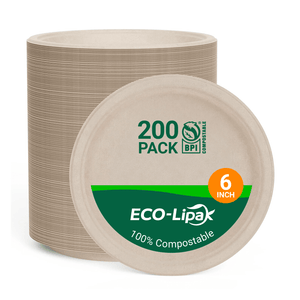
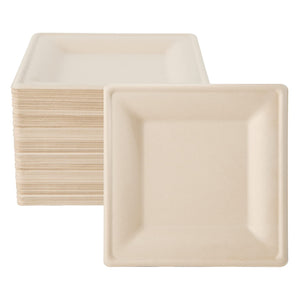
For meals, parties, and picnics, you have better choices than plastic or coated paper plates. Ecolipak's round sugarcane plates offer a fantastic solution. They are made from 100% sugarcane fiber, a renewable resource. These plates are sturdy, cut-resistant, and safe for the microwave and freezer. Most importantly, they are BPI Certified and BPA-free. This certification means they are tested by a third party and guaranteed to be compostable, breaking down without leaving toxins behind. You get hassle-free cleanup without the health risks.
Bathroom and Personal Care
Your bathroom is another area where hidden toxins lurk in everyday products. Shampoos, soaps, and even toilet paper can contain harmful ingredients that you absorb through your skin. Reading labels is your best defense.
Look out for these common chemicals in your shampoo and soap:
|
Ingredient |
Commonly Found In |
Potential Side Effects |
|---|---|---|
|
Sulfates (SLS/SLES) |
Shampoos |
Skin and eye irritation, frizzy hair |
|
Parabens |
Shampoos, conditioners |
Skin irritation, suspected hormone disruption |
|
Triclosan |
Antibacterial soaps |
Hormone disruptor, antibiotic resistance |
|
Added Fragrances |
Shampoos, conditioners |
Skin irritation, allergic reactions |
Even your toilet paper can be a source of chemical exposure. Many brands use chlorine for bleaching, which creates toxic byproducts like dioxins. Recycled paper can contain BPA. These chemicals can cause skin irritation and may be absorbed into your bloodstream.
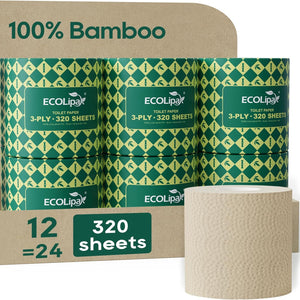
A simple, impactful swap is choosing a safer toilet paper. Ecolipak's 2-Ply Bamboo Toilet Paper is an excellent choice for your family. It is made from 100% sustainable bamboo, a fast-growing grass that doesn't contribute to deforestation. This toilet paper is:
-
PFAS-Free & BPA-Free: You avoid harmful endocrine disruptors.
-
Unbleached: It is made without chlorine, protecting you from toxic bleaching byproducts.
-
Hypoallergenic: Its soft, natural fibers are gentle and perfect for sensitive skin.
-
Septic-Safe: It biodegrades quickly, protecting your plumbing and the environment.
By choosing bamboo, you get a soft and strong product while reducing your pfas exposure.
Choosing PFAS-Free Products
The term "forever chemicals" is scary because pfas are found in so many places. Reducing your pfas exposure is possible when you know where to look. These pfas chemicals are used to make products resistant to water, grease, and stains.
You can find pfas in a surprising number of items, including:
-
Food packaging (microwave popcorn bags, fast food wrappers)
-
Cosmetics (foundation, mascara, sunscreen)
-
Dental floss
-
Stain-resistant carpets and furniture
-
Waterproof clothing
The best strategy is to actively look for pfas-free alternatives. When you shop, look for products that are explicitly labeled "pfas-free." Some companies use third-party certifications to verify their claims. These labels give you confidence that the product does not contain intentionally added pfas chemicals. Choosing PFAS-free products sends a powerful message to manufacturers and protects your health from these persistent pfas chemicals.
Natural Fibers for Furniture and Textiles
The furniture in your living room and the clothes in your closet can also be sources of toxins. Many manufacturers treat sofas, chairs, and carpets with chemical flame retardants. Research links these chemicals to serious health issues, including hormone disruption and cancer. Children are especially vulnerable because they spend more time on the floor and often put their hands in their mouths.
You can create a healthier space by choosing furniture and textiles made from natural fibers. Look for materials like:
-
Organic Cotton: It is grown without synthetic pesticides and is not treated with harsh chemicals. This makes it hypoallergenic and gentle on the skin.
-
Linen: Made from the flax plant, linen is incredibly durable, breathable, and naturally antibacterial. Organic linen production is highly sustainable.
-
Wool: A natural flame retardant, wool does not require the addition of toxic chemicals to meet safety standards.
When shopping for clothes, look for pfas-free clothing and items made from organic cotton or linen. These safer alternatives reduce your direct contact with harmful substances and support a healthier planet.
Simple Swaps to Start Today
Starting your non-toxic journey can feel big, but it begins with small, simple actions. You can make a significant impact on your health by focusing on a few key changes. This approach makes the process manageable and builds momentum for lasting success.
Your First 3 High-Impact Changes
You do not need to change everything at once. Start with these three powerful swaps to immediately lower your family's exposure to pfas and other toxins.
-
Filter Your Water and Air: Invest in a quality water filter for drinking and showering. This removes many contaminants. You should also change your home's air filters regularly to trap dust, which can carry harmful chemicals like pfas.
-
Ditch Plastic Food Storage: Switch from plastic containers to glass or stainless steel. Plastics can leach chemicals into your food. This simple change protects your meals from unwanted additives.
-
Read Ingredient Labels: Get into the habit of checking labels on your food and personal care items. Learning to spot and avoid harmful ingredients in everyday products is a powerful skill. This helps you choose safer, pfas-free alternatives.
The "Progress, Not Perfection" Mindset
Adopting a non-toxic lifestyle is a journey, not a race. It is crucial to embrace a "progress, not perfection" mindset.
Treat yourself with kindness as you learn. Mistakes are a normal part of the process. This self-compassion builds resilience and helps you persevere through challenges.
Focusing on small wins boosts your self-esteem and reduces stress. Celebrating your efforts, like choosing one new non-toxic product, keeps you motivated. This positive outlook is key to better mental health and helps you avoid feeling overwhelmed by the goal of reducing pfas exposure.
One Swap at a Time for Lasting Change
Lasting habits form through small, consistent actions. Your brain creates stronger connections each time you repeat a small habit. This makes the new behavior feel automatic over time.
-
Start Small: Tiny actions are less intimidating. You are more likely to stick with them. This consistency is what creates real change.
-
Build Momentum: Each small swap you make adds up. Over time, these choices lead to a significant reduction in your exposure to pfas.
-
Create a Plan: Try swapping one product each month. For example, start with your dish soap, then move to laundry detergent. This steady pace makes finding pfas-free alternatives feel easy and achievable.
This one-swap-at-a-time method builds confidence and ensures your new, healthier habits stick for good.
Your journey to a non-toxic lifestyle is a series of small, informed choices. It is not about an overnight transformation. You have the power to create a healthier environment for your family. You can actively reduce your exposure to toxins like pfas.
Your daily decisions matter. You can choose eco-friendly household items and create a home free from harmful pfas. This helps you target and reduce the pfas in your personal space.
Start your journey today. Pick one simple change from this guide, like choosing products without pfas. Your first step makes a real difference. 🌿
FAQ
How can I tell if a product is truly non-toxic?
Look for clear labels like "PFAS-Free" and "BPA-Free." You can also check for third-party certifications, such as BPI for compostable items. These labels confirm a product meets specific safety standards and is free from certain harmful chemicals.
Are non-toxic products more expensive?
Some swaps may have a higher upfront cost, but many are affordable. Brands like Ecolipak offer competitively priced eco-friendly options. You can also save money over time by choosing durable items like glass containers instead of disposable plastics.
Why is testing for PFAS important?
The importance of pfas testing helps confirm that products are safe for your family. It verifies that harmful "forever chemicals" are not present in the items you buy. This gives you confidence in the choices you make for your home.
Can one person really make a difference?
Yes! Your choices send a powerful message to companies. When you buy non-toxic products, you support safer manufacturing practices. Every small swap you make contributes to a healthier market and a healthier planet for everyone. 🌎