Navigating the growing compostable packaging market can be a challenge. You want to make a smart choice, especially since products with sustainability claims are growing 28% faster than others. This guide simplifies your decisions for sustainable packaging. You can find the right compostable options for products like paper to go boxes. Making a truly sustainable choice means understanding materials. Brands like Ecolipak provide reliable, compostable eco-friendly packaging. They offer clear sustainable solutions, making your transition to better packaging simple. This eco-friendly packaging ensures your choice is genuinely compostable. It's the future of eco-friendly packaging.
Key Takeaways
-
Choose the right compostable material for your product. Dry goods need different packaging than wet foods.
-
Look for official certifications like BPI or CMA. These logos prove packaging is truly compostable and not just 'biodegradable'.
-
Tell your customers how to dispose of compostable packaging. Clear instructions help them compost correctly.
-
Compostable packaging can save money in the long run. It can reduce waste fees and attract more customers.
-
Many compostable containers are microwave-safe. Always check the product details for safe reheating.
Choosing the Right Compostable Packaging Material
Selecting the right material is the most important step in your switch to eco-friendly packaging. The best choice depends entirely on your product. A material that works for dry snacks may not work for hot soup. This section will guide you through the best compostable options for your specific needs.
For Food Items (Dry vs. Wet)
Food packaging requires careful thought. You need to consider moisture, temperature, and shelf life. Different compostable materials offer different levels of protection.
For dry goods like crackers, grains, or cookies, you have several great options.
-
PLA-coated paper provides a good barrier against moisture and grease.
-
Certified compostable films made from cornstarch or potato starch work well for pouches and bags.
-
Plant-based materials derived from agricultural waste like rice husks are ideal for cereals and snacks.
For wet or oily foods, you need packaging with superior strength and leak resistance. While some compostable packaging has limits with wet products, many modern solutions are designed for the job. Kraft paper soup containers are excellent for hot liquids. For saucy or oily meals, sugarcane bagasse is a top performer.
Material Match-Up: PLA vs. Bagasse Understanding material differences helps you choose wisely. often used for cold applications, while bagasse (sugarcane fiber) excels with hot and wet foods.
Characteristic
PLA (e.g., Clear Cups)
Bagasse (e.g., To-Go Boxes)
Durability
Moderate, can be brittle
High, very strong and sturdy
Heat Resistance
Low, deforms above 122°F
Excellent, microwave-safe up to 220°F
Moisture Barrier
Moderate
High, great for saucy or oily foods
Best For
Cold foods, clear containers
Hot meals, takeout, sturdy plates
Composting
Industrial facility needed
Home and industrial compostable
Ecolipak's Sugarcane Bagasse Solutions
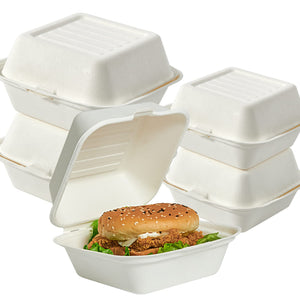
When you need reliable packaging for prepared meals, sugarcane bagasse is an outstanding choice. As a brand committed to effective eco-friendly packaging, Ecolipak uses this material to create durable and functional packaging solutions.
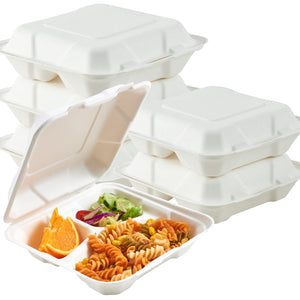
A perfect example is the 8 inch Compostable Sugarcane 3 Compartment To Go Box. This container shows how the right material meets a specific need.
-
Sturdy and Leakproof: It is made from strong sugarcane fiber. This design handles heavy, hot, or oily foods without getting soggy or leaking.
-
Microwave-Safe: You can easily reheat meals directly in the container. This adds convenience for your customers.
-
Three Compartments: The design keeps different food items separate, preserving the quality of the meal.
This to-go box is a fantastic piece of compostable packaging. It proves you don't have to sacrifice quality to make a sustainable choice. It is one of many biodegradable solutions that supports a greener planet.
For E-commerce and Shipping
E-commerce packaging faces tough conditions. It must protect products during transit. Compostable options are becoming more popular and effective for shipping.
For mailers, paper-based options are a strong compostable choice. For void fill inside boxes, you can use simple materials like crumpled or shredded paper. These packaging materials protect your items and are easy for your customers to compost at home.
Modern compostable packaging also offers excellent protection.
-
Water-Resistance: Many compostable mailer bags are water-resistant, protecting goods from moisture.
-
Cushioning: You can find compostable foam inserts and molded pulp cushions. These provide sturdy padding for fragile items.
-
Secure Sealing: Water-activated tape offers a strong, compostable seal for your packages.
For Retail and Consumer Goods
On a store shelf, your packaging is part of your brand's story. Using compostable packaging shows your commitment to sustainability. This can attract eco-conscious shoppers.
Innovative brands are creating unique retail packaging. Some companies use plantable packaging embedded with seeds. Others use materials that dissolve in water. These creative ideas make your product stand out.
The right material depends on the product.
|
Product Type |
Suitable Compostable Material |
|---|---|
|
Cosmetics |
Plant-based bioplastics (from corn or sugarcane) |
|
Electronics |
Corrugated boxes and recycled paper pulp |
By choosing the right compostable option, you create a positive experience for your customers. Your eco-friendly packaging becomes a memorable part of your product.
Verifying Certifications for Sustainable Packaging
Once you choose a material, you need to verify its claims. The world of eco-friendly packaging has many misleading terms. Certifications help you cut through the noise. They prove that a product's environmental claims are backed by science. Using certified packaging improves your brand image and shows your commitment to sustainability.
Key Industry Certifications (BPI, CMA)
You should look for logos from trusted, third-party organizations. Two of the most important certifications in the United States are from BPI and CMA.
-
BPI (Biodegradable Products Institute): This is the leading authority for compostable products in North America. BPI certification means a product has passed strict, lab-based tests based on standards like ASTM D6400. It confirms the packaging is compostable in a commercial facility. Brands like Ecolipak ensure their eco-friendly packaging meets these strict standards, which is why their products are BPI Certified.
-
CMA (Compost Manufacturing Alliance): CMA takes a different approach. They perform field tests to see if a product breaks down successfully in real-world industrial composting facilities.
Seeing a trusted logo on packaging builds customer confidence. It proves a brand's commitment to real sustainability.
How to Spot Misleading Claims
Many companies use confusing words to seem green. This is often called "greenwashing." You should be careful with vague terms that lack proof.
A common misleading term is "biodegradable." While it sounds good, the term has no official standard for how long an item takes to break down or what it breaks down into. A truly compostable product will break down safely and quickly in a compost environment. The best way to avoid confusion is to ignore vague language and look for official certification marks on the packaging.
Look for the Logo, Not Just the Language Ignore broad claims like "earth-friendly" or "biodegradable." Instead, search for official certification logos like BPI on the eco-friendly packaging itself. This is your guarantee that the compostable packaging performs as promised.
Understanding the Disposal of Eco-Friendly Packaging
Choosing the right eco-friendly packaging is only half the battle. You also need to understand how it breaks down. Proper disposal ensures your packaging choice has a positive environmental impact. It helps create a circular system where waste becomes a resource. This section will help you guide your customers on how to dispose of your compostable packaging correctly.
Industrial vs. Home Compostable Needs
Not all compostable packaging is the same. Some items need an industrial facility, while others can break down in a home compost pile. The main difference is heat. Industrial facilities maintain high, steady temperatures that break down tougher materials quickly. Home compost piles have lower, less consistent temperatures.
Composting: Home vs. Industrial Understanding the conditions helps you communicate disposal needs for your packaging.
Feature
Home Composting
Industrial Composting
Temperature
Lower, around 122-149°F
Higher, controlled at 131-160°F
Time
Longer (6-12 months)
Shorter (weeks to months)
Materials
Softer materials like sugarcane bagasse
A wider range of compostable products
Materials like sugarcane bagasse are often suitable for both home and industrial settings. The compostability of your packaging depends on it meeting specific standards, like ASTM D6400, which ensures it breaks down safely.
Actionable Steps for Your Business
You play a key role in making sure your eco-friendly packaging is disposed of correctly. Clear communication is essential. Without it, customers may get confused and put compostable items in the recycling bin, which contaminates the recycling stream.
Here are a few simple steps you can take:
-
Use Clear On-Pack Messaging: Your packaging should clearly state that it is compostable. Using a BPI certification logo along with a large "compostable" call-out can increase correct identification by up to 22%.
-
Provide Simple Instructions: Include a small note with orders explaining how to dispose of the packaging. This simple action prevents confusion and supports your sustainability goals.
-
Educate Your Customers: Use your website or social media to explain the benefits of composting your eco-friendly packaging.
By following these circular economy principles, you help close the loop. You turn your packaging from waste into a valuable resource for the economy and the planet.
Analyzing 2025's Compostable Packaging Trends
Staying ahead of compostable packaging trends helps you make smart business decisions. Sustainability is the biggest trend in packaging for 2025. Consumers want eco-friendly options. New materials like mushroom packaging and seaweed-based films are becoming popular. These compostable packaging trends show a clear shift away from traditional plastics. Understanding these trends helps you plan your budget and build your brand. The future of packaging is green, and these compostable packaging trends are leading the way.
Budgeting for Compostable Options
You might think compostable packaging is too expensive. Plant-based plastics can cost 20-50% more than traditional plastics. However, you can adopt these trends without breaking your budget. Smart strategies can help you manage costs effectively. These trends offer long-term savings.
You can lower your packaging expenses in several ways:
-
Use Less Material: This strategy is called dematerialization. Using less packaging material reduces your raw material costs and shipping weight.
-
Find Tax Incentives: Your government may offer tax breaks for using green practices. These incentives make sustainable choices more affordable.
-
Lower Disposal Fees: Sustainable packaging creates less waste. This can significantly reduce your business's waste disposal fees.
Exploring these options makes the switch to compostable packaging a wise financial move.
Balancing Cost and Brand Image
Your packaging is a powerful marketing tool. Using sustainable packaging improves how customers see your brand. Many compostable packaging trends focus on natural-looking materials, which consumers often view as premium. This choice is more than a cost; it is an investment in your brand's future. These trends can directly boost your sales.
Customers today expect sustainable options. Over 70% are willing to pay more for products with sustainable packaging. Nearly 40% have switched brands because of unsustainable packaging choices. When you adopt compostable packaging trends, you show customers that you share their values. This builds strong brand loyalty. People are more likely to recommend your products. They may even share your thoughtful packaging on social media. This positive attention makes your brand stand out.
Use this Quick-Choice Checklist for your eco-friendly packaging.
-
Match materials to your product's needs.
-
Look for BPI certification on the eco-friendly packaging.
-
Ask suppliers: Is the packaging compostable? Is the ink sustainable?
Choosing certified eco-friendly packaging from trusted brands like Ecolipak ensures your commitment to sustainability. This sustainable packaging is a smart choice for your eco-friendly packaging needs. Green Pack, Go for ECOLipak.
FAQ
What is the difference between compostable and biodegradable?
Biodegradable items break down into natural elements over time. Compostable items also break down, but they turn into nutrient-rich soil in a specific timeframe. True compostable packaging leaves no toxic residue behind, making it a safer choice for the environment.
Can I microwave compostable containers?
Yes, many compostable products are microwave-safe. For example, Ecolipak's sugarcane containers can handle reheating. You should always check the product's specifications. This feature adds great convenience for your customers who want to warm up their meals.
Are compostable packaging solutions expensive?
Initial costs for some materials can be higher than plastic. However, using less material and potential tax incentives can lower your expenses. Investing in sustainable packaging solutions also builds a strong brand image, which can increase customer loyalty and sales over time.
How do I know if packaging is truly compostable?
You should look for third-party certifications on the product. Logos from organizations like the Biodegradable Products Institute (BPI) guarantee the item is compostable. These marks prove the packaging has passed strict scientific tests for safety and decomposition.