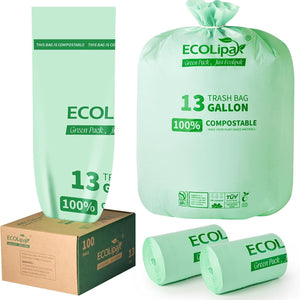
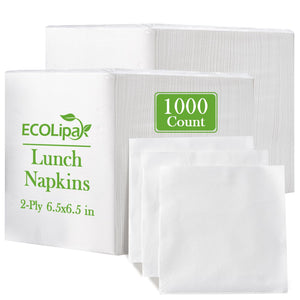
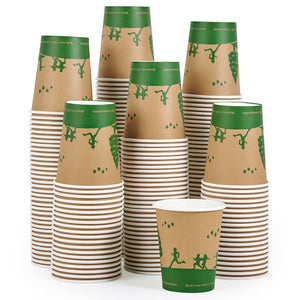
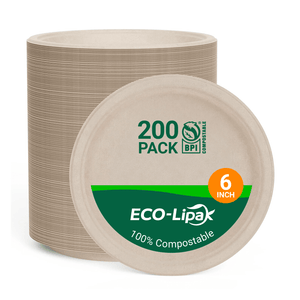
You notice changes in your compostable trash bags when temperatures shift between winter and summer. Cold weather can make bags stiff, while heat may speed up decomposition. Ecolipak stands out because it uses renewable materials and meets BPI certification, showing leadership in sustainability. You protect your bags better when you understand "Winter vs. Summer: How Seasonal Temperature Changes Affect Your Compostable Bag’s Integrity".
|
Ecolipak Qualities |
Description |
|---|---|
|
Renewable Materials |
Uses corn-based PLA and recycled content |
|
BPI Certification |
Meets industry compostability standards |
|
Sustainability Leadership |
Sets high standards for eco products |
|
You will find practical tips and a checklist to help your bags stay strong all year. |
|
Key Takeaways
-
Temperature affects compostable bags. Cold makes them stiff and brittle, while heat can soften them and speed up decomposition.
-
Store Ecolipak bags in a cool, dry place. This helps maintain their strength and prevents damage from heat or cold.
-
Always check your bags for signs of damage before use. Look for stickiness, stiffness, or cracks to avoid spills.
-
Use Ecolipak bags within 12 months for best results. Proper storage and handling support their compostability.
-
Choose Ecolipak to reduce landfill waste. Their plant-based materials and certifications help you manage waste responsibly.
Winter vs. Summer: How Seasonal Temperature Changes Affect Your Compostable Bag’s Integrity
Immediate Effects of Temperature Extremes
You see clear differences in how compostable trash bags behave when temperatures change. In summer, high heat can make bags softer and more flexible. If you leave a compostable bag in a hot car trunk, the temperature can reach up to 158°F. The bag may soften, but it still holds waste without breaking. This shows that Ecolipak bags stay usable even when exposed to extreme heat.
Cold winter temperatures have the opposite effect. When you store bags in chilly places, they become stiff and less flexible. You might notice that the bag feels brittle and could crack if handled roughly. The material reacts to cold by losing some of its stretch and strength. You need to handle bags gently in winter to avoid damage.
The science behind compostable materials explains these changes. PLA and bagasse, which Ecolipak uses, respond to temperature shifts. High heat speeds up the breakdown process, while cold slows it down and makes the material rigid. Real-world conditions rarely match the perfect composting environment. Temperature and moisture levels change often, so you must pay attention to how you store and use your bags.
Tip: Store your Ecolipak compostable trash bags in a cool, dry place during summer. In winter, keep them indoors to prevent stiffness and cracking.
Why Integrity Matters for Ecolipak Compostable Trash Bags
You rely on the integrity of your compostable trash bags for effective waste management. If the bag breaks or loses strength, you risk spills and messes. Ecolipak bags are tear-resistant and durable, so you can trust them to handle heavy loads. The compostable PLA material stands up to daily use and resists leaks.
Maintaining the integrity of your bag is important for the environment. If you do not handle or dispose of bags properly, you create landfill waste and increase greenhouse gas emissions. Compostable bags need the right conditions to break down. If you damage the bag or use it incorrectly, it may not decompose as intended.
-
Improper handling and disposal of compostable bags can lead to environmental issues, such as landfill waste and greenhouse gas emissions.
-
These bags are designed to decompose under specific conditions. If you do not maintain their integrity, they may not break down.
-
Compostable bags that end up in recycling processes may not decompose properly. This can add to solid and airborne waste in landfills.
Ecolipak’s certifications, like BPI and OK Compost, show that the bags meet strict standards. You get peace of mind knowing your bag will break down safely when you follow the right steps. The tear-resistant design and odor control features help you manage waste without worry. You protect your home and the planet when you use Ecolipak bags correctly.
You see that Winter vs. Summer: How Seasonal Temperature Changes Affect Your Compostable Bag’s Integrity is a key factor in how you use and store your bags. You need to adjust your habits based on the season. Ecolipak’s strong, compostable materials and certifications help you keep your bags reliable all year.
Note: Always check your bags for signs of damage before use. This helps you avoid problems and keeps your waste management routine smooth.
You understand that Winter vs. Summer: How Seasonal Temperature Changes Affect Your Compostable Bag’s Integrity affects durability, flexibility, and usability. Ecolipak’s features help you manage these changes and support sustainable living.
Material Science: Compostable Bags and Temperature
What Makes Ecolipak Bags Compostable
You use Ecolipak compostable trash bags because they are made from plant-based materials. The main ingredient is PLA, which stands for polylactic acid. PLA comes from corn starch and other renewable resources. Bagasse, another material, is the fiber left after extracting juice from sugarcane. Both materials break down naturally in composting environments.
Ecolipak bags carry BPI and OK Compost certifications. These certifications show that the bags meet strict standards for compostability. You can trust that the bags will decompose without leaving harmful residues. The eco-friendly design helps you protect the planet while managing waste at home.
Ecolipak bags offer a green solution for waste disposal. You support sustainability every time you use them.
How PLA and Bagasse React to Heat and Cold
You notice changes in your compostable bags when temperatures shift. The science behind PLA and bagasse explains why this happens. PLA has a unique chemical structure. Its melting point and glass transition temperature affect how it reacts to heat and cold. When temperatures rise in summer, PLA becomes softer and more flexible. The molecular activity increases, making the bag easier to stretch. In winter, cold temperatures slow down molecular movement. The bag feels stiff and can become brittle.
Bagasse also reacts to temperature changes. It absorbs moisture and can become fragile in cold weather. High heat speeds up the breakdown process. You see that humidity and temperature both play a role in the bag’s durability.
-
PLA’s melting point and molecular weight affect how quickly it degrades.
-
Higher molecular weight PLA breaks down more slowly.
-
Bagasse absorbs moisture, which can change its strength in different seasons.
You need to understand Winter vs. Summer: How Seasonal Temperature Changes Affect Your Compostable Bag’s Integrity. This knowledge helps you store and use your bags correctly. Ecolipak’s compostable materials and certifications ensure you get reliable performance year-round.
Summer Heat Effects on Ecolipak Compostable Trash Bags
Risks of High Temperatures
You face unique challenges when using compostable trash bags during summer. High temperatures can speed up the breakdown of the bag’s material. When you store bags in hot or humid places, they may become sticky and lose their strength. This stickiness makes the bags harder to handle and can reduce their ability to carry heavy loads. If you leave bags near heat sources, such as ovens or radiators, the material may soften and start to degrade before you use it.
Humidity also plays a big role. When the air is moist, the bags can absorb water and break down faster. This process may cause unpleasant odors to develop. You notice that the odor control feature works best when you store bags in cool, dry conditions. If you keep bags in a hot car trunk or near a sunny window, they may release smells sooner than expected.
Tip: Always check your bags for stickiness or softness before use. This helps you avoid spills and keeps your waste management routine safe.
Preventing Melting and Odor Issues
You can protect your Ecolipak compostable trash bags from summer heat by following simple storage tips. Keep bags in their original packaging to shield them from moisture. Store them in a cool, dry, and dark place, such as a pantry or closet. Avoid areas with high humidity, like kitchens or bathrooms. Use a dehumidifier if you live in a humid climate. Place bags away from windows, ovens, and dishwashers.
Here are some practical tips to prevent melting and odor issues:
-
Store bags at temperatures between 59–77°F (15–25°C).
-
Keep humidity below 55% for best results.
-
Use sealed boxes with silica gel to control moisture.
-
Never leave bags in a car or outside in direct sunlight.
-
Avoid placing bags near heat sources.
Many people make mistakes by storing bags in hot places or leaving them exposed to sunlight. You need to remember that "Winter vs. Summer: How Seasonal Temperature Changes Affect Your Compostable Bag’s Integrity" is important for keeping your bags strong and odor-free.
Note: Proper storage helps your Ecolipak bags stay durable and reliable all summer.
Winter Cold Effects on Ecolipak Compostable Trash Bags
Stiffness, Brittleness, and Cracking
You notice that compostable trash bags feel different in winter. Cold temperatures slow down the movement of molecules inside the bag’s material. When the air gets chilly, the bags lose flexibility and become stiff. This happens because the glass transition temperature (Tg) of PLA is around 131°F. Below this point, PLA turns brittle and can crack if you bend or stretch it too much. You may see that the bag does not stretch as easily as it does in warmer months.
If you handle bags roughly in cold weather, you increase the risk of cracks and tears. The bag’s surface feels harder, and it may snap instead of bending. Ecolipak designs its bags to be strong and tear-resistant, but you still need to treat them gently when temperatures drop. You protect your waste management routine by understanding how winter affects the bag’s mechanical properties.
-
Cold slows molecular activity, making bags stiff.
-
PLA becomes brittle below its glass transition temperature.
-
Bags are more likely to crack or tear in freezing conditions.
Best Practices for Cold Weather Storage
You can keep your Ecolipak compostable trash bags in good shape during winter by following simple storage steps. Choose a sheltered spot for your Green Bin, such as a garage or shed. This protects the bags from ice and snow. If you do not have a sheltered area, place the bin in a sunny spot and clear snow or ice from the lid often. Layer the bottom of your bin with cardboard or newspaper. This prevents freezing and keeps the bags from sticking to the bin.
-
Store bins in garages, sheds, or sheltered areas.
-
Place bins in sunny spots if no shelter is available.
-
Clear snow and ice from lids regularly.
-
Use cardboard or newspaper at the bottom of bins.
Ecolipak’s durable design helps the bags withstand winter challenges. You maintain bag integrity by storing them properly and handling them with care. These steps ensure your compostable bags stay strong and reliable, even in cold weather.
Tip: Always check your bags for stiffness or cracks before use in winter. This helps you avoid spills and keeps your waste management routine smooth.
Identifying and Storing Bags Year-Round
Signs of Temperature Damage
You want your compostable trash bags to stay strong and reliable. Temperature extremes can cause damage that affects how well your bags work. You can spot signs of damage before you use a bag. Look for these clues:
-
The bag feels sticky or soft. High heat can make the material lose strength.
-
The bag feels stiff or brittle. Cold weather can make the bag crack when you bend it.
-
You see small tears or cracks along the edges. These often appear after exposure to freezing temperatures.
-
The bag has a strange odor. Heat and moisture can speed up decomposition and cause smells.
-
The color looks faded or uneven. Sunlight can change the appearance of the material.
Tip: Always check your bags before use. If you notice any of these signs, choose a fresh bag to avoid spills.
Ecolipak Storage Tips for Every Season
You can extend the life of your Ecolipak compostable trash bags by storing them the right way. Good storage keeps your bags strong and ready for use. Follow these best practices:
-
Store your bags in a cool, dry place like a pantry or cabinet.
-
Keep bags away from direct sunlight. Sunlight can weaken the material.
-
Avoid heat and moisture. These can trigger early decomposition.
-
In summer, use sealed boxes or containers to protect bags from humidity.
-
In winter, keep bags indoors to prevent stiffness and cracking.
-
Do not leave bags in cars, garages, or outside where temperatures change quickly.
|
Season |
Storage Tip |
|---|---|
|
Summer |
Use sealed containers, avoid heat |
|
Winter |
Keep indoors, prevent freezing |
You protect your waste management routine when you store your bags properly. Ecolipak bags stay durable and compostable all year when you follow these simple steps.
Note: Proper storage helps you reduce waste and support a cleaner planet.
You see how temperature changes affect compostable bags. Cold makes them brittle, while heat speeds up decomposition. Ecolipak bags stay strong because they use plant-based materials and meet strict compostability standards.
|
Effect |
What You Notice |
|---|---|
|
Brittleness |
Bags crack in cold weather |
|
Stickiness |
Bags soften in summer heat |
|
Odor |
Humidity causes bad smells |
You protect your bags by storing them in cool, dry places and checking them often. Choose Ecolipak to reduce landfill waste and support a cleaner planet.
-
Store bags away from heat and moisture
-
Use within 12 months for best results
-
Inspect bags before use
🌱 Sustainable living starts with smart choices. Ecolipak helps you manage waste responsibly all year.
FAQ
How long do Ecolipak compostable trash bags last?
You can use Ecolipak compostable trash bags for up to 12 months if you store them in a cool, dry place. Check bags before use to make sure they stay strong.
Can I use these bags outdoors in any season?
You can use Ecolipak bags outdoors. Keep them away from direct sunlight and extreme temperatures. Store them indoors when not in use to protect their integrity.
What should I do if my bag feels sticky or brittle?
You should check the bag for damage. If it feels sticky or brittle, choose a fresh bag. Store unused bags in a cool, dry spot to prevent temperature damage.
Are Ecolipak bags safe for food waste?
You can safely use Ecolipak compostable trash bags for food waste. The bags are made from plant-based materials and meet BPI and OK Compost standards.
How do I know if my bag is damaged by temperature?
Look for signs like stickiness, stiffness, cracks, or strange odors. If you notice these, use a new bag. Proper storage helps prevent temperature damage.