Should you use cornstarch tableware? It's complicated, but for most people, the answer is no. The market for biodegradable options is growing fast. Yet, many so-called eco-friendly cornstarch products are not what they seem.
Many items advertised as cornstarch hide a secret. They often contain plastics, meaning your biodegradable cornstarch fork won't break down as you expect.
This creates a bigger environmental problem. This article uncovers the truth about cornstarch. We will guide you toward genuinely sustainable and eco-friendly choices, from plates to sugarcane to go boxes.
Key Takeaways
Many cornstarch products contain hidden plastics. They do not break down completely. This creates microplastic pollution.
Cornstarch tableware needs special industrial composting. Most places do not have these facilities. It will not break down in your home compost or landfill.
Sugarcane bagasse is a better choice. It uses waste from sugarcane. It does not use food crops.
Look for BPI-certified products. This certification means a product will truly compost. It helps you make good choices.
Reusable items are the best choice for the environment. They create less waste. Use them whenever you can.
The Problems with Cornstarch Tableware
The promise of eco-friendly disposable products is appealing. Unfortunately, cornstarch tableware often fails to deliver on this promise. Several hidden issues make these products a poor choice for the environment. Understanding these problems is the first step toward making a truly sustainable decision.
The Hidden Plastic in Cornstarch Mixes
Many products marketed as cornstarch tableware are not made from 100% cornstarch. They are actually composite materials. Manufacturers mix cornstarch with conventional plastics to create these items. This practice creates a product that is neither fully natural nor truly biodegradable in a practical sense.
The vague marketing terms are a significant problem. Brands use the "cornstarch" label to give an eco-friendly impression. However, the reality is different. These products often contain:
Modified starch + PP (Polypropylene)
Modified starch + PLA (Polylactic Acid)
Polypropylene (PP) is a fossil-fuel-based plastic. It does not biodegrade. When it is mixed with cornstarch, the final product cannot break down completely. The cornstarch may degrade, but it leaves behind a matrix of microplastics. This directly contradicts the "natural" and sustainable image that many brands promote.
The Truth About Cornstarch Spoons
Let's look closer at the composition of items like cornstarch spoons. Scientific analysis reveals a complex blend of ingredients. While cornstarch is the primary biopolymer, other substances are added to make the cornstarch spoons functional.
A study using Fourier Transformation Infrared Spectroscopy found that all tested cornstarch-based bioplastic samples were a type of polyester. This is because of the chemical bonds formed between the different ingredients.
These ingredients often include:
Plasticizers: Substances like glycerol or fructose are added to make the rigid cornstarch more flexible. Without them, your cornstarch spoons would be too brittle to use.
Reinforcing Agents: Nanoparticles such as titanium dioxide are sometimes included. They improve the strength and stability of the cornstarch spoons.
These additives are necessary for performance. Nobody wants cornstarch spoons that snap in half. However, their presence means you are not using a simple, plant-based product. You are using a complex bioplastic with its own environmental impact. The journey of these cornstarch spoons rarely ends in a simple return to the earth.
The Environmental Cost of Corn
The problems with cornstarch packaging start long before you open the box. The raw material, corn, has its own significant environmental footprint. Industrial corn farming is an intensive process. It relies heavily on resources that have a negative impact on the environment.
The carbon footprint of corn-based bioplastics can range from 0.8 to 1.3 kg of CO₂ per kilogram of material. Several factors contribute to this environmental impact:
Feedstock Farming: This includes the use of nitrogen fertilizers, extensive irrigation, and land-use changes.
Processing Energy: Manufacturing cornstarch-based materials requires energy. A factory powered by fossil fuels will have a much higher impact than one using renewable energy.
End-of-Life: The disposal method for the biodegradable cornstarch packaging also affects its overall environmental impact.
Using a primary food crop for packaging also raises ethical questions. Land and resources are diverted from the food supply to create disposable items like cornstarch spoons and other cornstarch packaging. This creates competition between food production and materials manufacturing, which is not a sustainable long-term solution.
Biodegradable Cornstarch Packaging: A Closer Look
The term "biodegradable" on cornstarch packaging is one of the most misleading claims. While technically true under very specific conditions, these conditions are rarely met. Biodegradable cornstarch packaging does not break down in your backyard compost bin or in a landfill.
These products require industrial composting facilities to decompose properly. These facilities create a unique environment with specific requirements.
High Temperatures: The compost pile must consistently reach temperatures between 104°F and 140°F (40°C to 60°C).
High Humidity: The environment needs humidity levels of 60-80%.
Specific Microbes: A healthy population of microorganisms is needed to break down the material.
Most communities in the U.S. do not have access to these facilities. This lack of infrastructure is a major issue for biodegradable cornstarch packaging. When consumers see the "biodegradable" label, they often dispose of it incorrectly. This leads to more problems. If biodegradable cornstarch packaging ends up in a landfill, it is deprived of oxygen. It then releases methane, a greenhouse gas far more potent than carbon dioxide. This makes the environmental impact worse. The biodegradable properties of cornstarch packaging are therefore highly dependent on a disposal system that barely exists.
The Composting and Recycling Challenge
The journey of cornstarch packaging doesn't end after your meal. Proper disposal is a major challenge. The "biodegradable" label on cornstarch packaging creates confusion. It suggests an easy, eco-friendly end. The reality is far more complex and has a significant environmental impact.
Why It Needs an Industrial Facility
Most cornstarch packaging is only commercially compostable. This means it needs an industrial composting facility for proper decomposition. These facilities maintain high heat and humidity levels that are impossible to achieve with home composting. Your backyard compost pile is not a suitable environment for the decomposition of this packaging. Even in a specialized facility, cornstarch packaging can take several weeks to a few months to break down. The limited access to these composting sites makes proper disposal difficult for most people. This is a key problem with cornstarch packaging and its promised sustainable benefits. Home composting is not a viable disposal option for this type of packaging.
Will It Break Down in a Landfill?
What happens if cornstarch packaging ends up in a landfill? It will not have the happy, biodegradable ending you might expect. Landfills are cold, dark, and lack oxygen. In these anaerobic conditions, the decomposition of cornstarch-based materials can take decades, much like traditional plastic. The starch component may partially break down, but the product as a whole remains.
⚠️ Landfill Alert: When biodegradable cornstarch packaging does break down without oxygen, it releases methane. This is a potent greenhouse gas that is much more harmful to the environment than carbon dioxide. This makes the environmental impact of improper disposal even worse.
A Contaminant in Plastic Recycling
Putting cornstarch tableware in your recycling bin causes more harm than good. Cornstarch products often look and feel like conventional plastics. This similarity leads to contamination of the plastic recycling stream. Recycling facilities are not equipped to sort out these biodegradable look-alikes. A small amount of cornstarch contamination can ruin an entire batch of recycled plastic. When this happens, the whole lot is rejected and sent to a landfill. This undermines recycling efforts and adds to our waste problem. The challenge of proper waste disposal for cornstarch packaging makes it a poor choice for a truly sustainable lifestyle.
Smarter Choices: Certified Compostable Alternatives
Navigating the world of eco-friendly dining products can be frustrating. The confusion surrounding cornstarch packaging shows that labels like "biodegradable" are not always trustworthy. The good news is that truly sustainable options exist. You just need to know what to look for. Moving away from problematic cornstarch products means choosing materials that are genuinely better for the environment and backed by clear standards.
Why Sugarcane Bagasse is a Better Choice
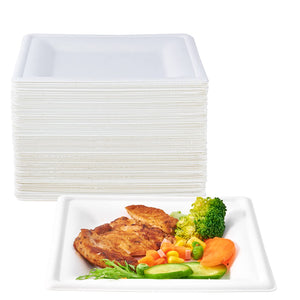
One of the best eco-friendly alternative materials is sugarcane bagasse. Bagasse is the dry, fibrous pulp that remains after sugarcane stalks are crushed to extract their juice. Instead of being discarded, this agricultural waste is repurposed into durable packaging. The global annual production of sugarcane bagasse is about 279 million metric tons, making it an abundant and readily available resource.
Unlike cornstarch, which uses a primary food crop, bagasse makes smart use of a byproduct. This approach has significant environmental benefits. It avoids the ethical issues of using food for packaging and offers a more sustainable lifecycle. The energy needed for producing bagasse products is also lower than that for cornstarch-based plastics, resulting in a smaller carbon footprint.
A Clear Winner: When you choose bagasse, you are supporting a circular economy. You are turning agricultural residue into a valuable product, reducing waste, and lessening the demand on our forests.
Here is a simple comparison of its advantages over other materials:
Feature |
Sugarcane Bagasse |
Virgin Wood Pulp |
Corn (for Bioplastics) |
|---|---|---|---|
Resource Type |
Renewable Byproduct |
Renewable (Slow) |
Renewable Food Crop |
Deforestation Impact |
Reduces need for trees |
Contributes to deforestation |
Competes with food crops |
Waste Reduction |
Repurposes agricultural waste |
N/A |
N/A |
Food Competition |
None |
None |
Competes with food supply |
Choosing bagasse over cornstarch is a clear step toward a more sustainable practice. It doesn't require the complex composting conditions of cornstarch-plastic blends and comes from a more responsible source.
The Ecolipak Standard: BPI-Certified Products
The biggest problem with many cornstarch products is misleading marketing. So how can you trust that a product is truly compostable? The answer is third-party certification. This is where a brand's commitment to transparency becomes crucial. Ecolipak is a company dedicated to providing genuinely eco-friendly products, moving beyond vague claims to offer certified solutions. Our slogan says it all: Green Pack, Go for ECOLipak.
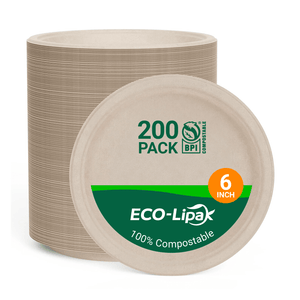
We ensure our products meet strict standards for composting. The leading authority in North America is the Biodegradable Products Institute (BPI). BPI certification guarantees a product will break down safely in a commercial facility.
Standard |
Primary Application |
Key Requirements for BPI Certification |
|---|---|---|
ASTM D6400 |
Bioplastics and products labeled "compostable" |
Must biodegrade into biomass, water, and CO2. Decomposes into small, non-visible fragments within 180 days. Leaves no toxic residues. |
ASTM D6868 |
Products with plastic coatings or layers on other materials (like paper) |
All components, including coatings, must fully disintegrate and biodegrade. Meets the same compostability requirements as ASTM D6400. |
You can verify any product's BPI certification by searching the BPI Online Product Catalog. This database provides third-party proof that an item meets these standards, giving you confidence in your purchase and your impact on consumer preferences.
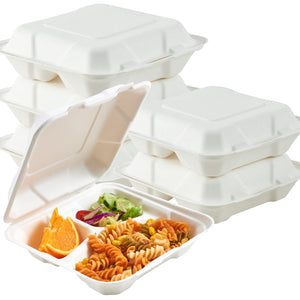
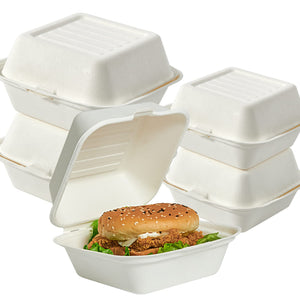
Ecolipak's Compostable Sugarcane To Go Boxes are a perfect example of a superior alternative to cornstarch packaging. They are:
Made from 100% sugarcane bagasse, a renewable byproduct.
BPI-Certified, ensuring they are truly compostable in commercial facilities.
Sturdy and leak-resistant, handling hot or oily foods without issue.
Microwave and freezer safe for ultimate convenience.
Customers consistently find that our eco-friendly dining products deliver high performance. They are praised for being sturdy and reliable, proving you don't have to sacrifice quality for sustainability. This positive feedback from real users shapes consumer preferences and shows that a better choice is possible.
Reusables: The Ultimate Green Solution
For those truly committed to reducing plastic waste, the best option is to avoid single-use items altogether. While certified compostable products are an excellent choice for disposable needs, reusable tableware offers the lowest long-term environmental impact. The biggest environmental cost of disposables, including cornstarch packaging, comes from sourcing, manufacturing, and transportation.
Even when accounting for the water and energy used for washing, reusable items quickly become the greener choice. Studies show that after just seven uses, a reusable container has 74% less environmental impact than a disposable one. The benefits of switching to reusables are massive. A full shift to reusable systems for dining could:
Avoid 841 billion pieces of disposable food packaging annually.
Prevent 7.5 million tons of materials from entering the waste stream.
Stop 17 billion items of litter.
"I’m a believer that the concept has so many advantages to it in customer satisfaction, waste elimination (and) cost savings... People are going to realize that at the end of the day, this just makes great business sense.” — Tim Debus, President and CEO, Reusable Packaging Association
Many businesses have already seen huge financial and environmental returns by adopting reusable packaging systems.
The ultimate sustainable lifestyle prioritizes reusables first. For those times when disposables are necessary, choosing transparent brands and certified compostable products made from materials like sugarcane bagasse is the smartest choice you can make.
The final verdict on cornstarch tableware is to avoid it. The complex disposal of biodegradable cornstarch packaging creates a negative environmental impact. This specific cornstarch packaging requires industrial composting, a process unavailable to most people. The confusion around composting this biodegradable cornstarch packaging means it often harms the environment.
For a truly eco-friendly choice in food packaging, select certified products. Ecolipak offers superior eco-friendly dining products made from sugarcane.
Ultimately, reducing plastic waste starts with reusables. When disposables are necessary, choose transparent, certified brands to protect your local compost and the planet.
FAQ
What is most cornstarch tableware made of?
Most cornstarch tableware is not pure cornstarch. This cornstarch packaging often mixes cornstarch with plastics. This type of packaging is a composite material. The packaging is not fully natural. This cornstarch packaging is misleading.
Can I compost cornstarch packaging at home?
No. Most cornstarch packaging needs an industrial facility. Your home compost is not hot enough for this cornstarch packaging. This specific packaging will not decompose properly there. This is a major issue with cornstarch packaging.
Why is sugarcane packaging a better choice than cornstarch packaging?
Sugarcane packaging uses agricultural waste. It does not use a food crop like cornstarch. This packaging is a smart use of resources. Unlike cornstarch packaging, it supports a circular economy. This makes the packaging a better option than cornstarch packaging.
Who should use certified compostable packaging?
Eco-conscious consumers and business owners should choose certified compostable packaging. This includes restaurants and cafes. This packaging is better than cornstarch packaging. It avoids the problems of cornstarch. This is a better choice than cornstarch packaging.
Is all cornstarch packaging bad?
Not all cornstarch packaging is bad, but most is misleading. You must verify it is 100% compostable. This type of cornstarch packaging is rare. For most people, avoiding cornstarch is the safest bet for sustainable packaging.