Achieving a balance of cost and sustainability in food packaging is a strategic and attainable goal for modern businesses. The eco-friendly food packaging market is projected to grow at a rate of over 7.63% annually, driven by strong consumer demand.
Did You Know? 💡 Over 82% of consumers are willing to pay a higher cost for sustainable packaging, and 71% actively choose products based on their packaging.
This guide explores how businesses can meet this demand without a high cost. Brands like Ecolipak offer affordable, high-quality green packaging, including options like plant-based products and paper to go boxes, making balancing cost and sustainability in packaging a reality.
Key Takeaways
Using eco-friendly packaging helps businesses save money over time and makes their brand look good.
Many green packaging materials, like recycled plastic and plant-based options, are now affordable and work well.
Buying packaging in large amounts and working with green suppliers can help lower costs.
Choosing sustainable packaging helps businesses attract more customers and get ready for future environmental rules.
The Challenge of Balancing Cost and Sustainability
Many businesses hesitate to adopt green solutions. The primary concern is the perceived high cost of sustainable alternatives compared to traditional packaging. Small to medium businesses especially face significant hurdles. They often operate with tight budgets and may see sustainability as an expense rather than an investment. Common barriers include:
Lack of skills and knowledge (63%)
Limited funding (48%)
Not enough time (40%)
This focus on immediate cost overlooks the long-term benefits. Shifting perspective is key. Viewing sustainability as a strategic investment can unlock significant value. This approach helps reduce the negative environmental impact of packaging waste. It also builds a stronger brand. Over 90% of consumers are more likely to purchase from companies that use sustainable packaging. This shows the powerful impact of green choices on customer loyalty. The challenge of balancing cost and sustainability becomes an opportunity for growth. A brand's commitment to the environment can have a major impact on its market position.
Adopting better packaging is a smart business move that pays off. It reduces a company's environmental footprint and strengthens its connection with customers. The goal of balancing cost and sustainability is not about sacrifice. It is about making smarter choices that benefit the business and the environment.
Real-World Success: Ecolipak customers consistently report that the brand's eco-friendly products are sturdy, attractive, and competitively priced. This feedback proves that businesses do not have to choose between quality and reducing their environmental impact. They can achieve both, turning a challenge into a competitive advantage and minimizing waste. This successful balancing cost and sustainability helps protect the environment from the negative environmental impact of excess waste.
High-Impact, Cost-Effective Material Options
Choosing the right material is the most critical step in balancing cost and sustainability. Businesses now have access to a wide range of innovative materials that reduce environmental impact without breaking the bank. These options prove that high-quality, affordable green packaging is not just possible, but practical.
PCR Materials: rPET & Recycled Cardboard
Post-Consumer Recycled (PCR) materials give existing plastics and papers a second life. This process reduces waste and conserves resources. Two popular PCR materials for food packaging are rPET and recycled cardboard.
Recycled PET (rPET) is made from used plastic bottles and containers. Its cost can be very competitive. For instance, in late 2024, clear rPET flakes were priced around $1,810 per metric ton, slightly less than virgin PET at $1,845 per metric ton. However, prices can change. The high demand for rPET and the costs of collection and cleaning sometimes make it more expensive than new plastic.
Recycled cardboard is another excellent choice for packaging. It offers significant environmental benefits.
Resource Conservation: It reduces the need for new wood pulp, which helps protect forests.
Energy Efficiency: Making recycled cardboard uses much less energy and water than producing it from raw materials.
Waste Reduction: Using recycled materials keeps cardboard out of landfills, cutting down on harmful methane gas emissions and overall waste.
Plant-Based Bioplastics: PLA & CPLA
Plant-based bioplastics offer a compostable alternative to traditional petroleum-based plastics. Polylactic Acid (PLA) is a popular bioplastic made from renewable resources like corn starch. It is a key material for creating eco-friendly packaging.
A common concern is cost, but the price difference is often small. PLA-lined cups cost only slightly more than their traditional counterparts.
Cup Type |
Price per Unit |
|---|---|
Standard PE-Lined Paper Cups |
$0.08 |
Plastic-Free Paper Cups |
$0.10 |
Crystallized Polylactic Acid (CPLA) is a form of PLA that is processed for higher heat resistance. This makes it ideal for hot food applications.
Standard PLA: Best for cold use, up to 40°C (105°F).
CPLA: Heat stable, resistant up to 90°C (194°F).
A great example is Ecolipak's 12 oz Compostable Paper Coffee Cups with CPLA Lids. These cups are 100% compostable, BPA-free, and safe for hot drinks up to 140°F. The CPLA lid ensures it will not warp when used with hot coffee.
Note on Composting 📝 PLA and CPLA products are designed to break down in industrial composting facilities, not in a backyard compost pile. The good news is that the infrastructure for this is growing rapidly.
Agricultural Byproducts: Sugarcane Bagasse
Sugarcane bagasse is the fibrous pulp left over after juice is extracted from sugarcane stalks. This byproduct is transformed into strong, reliable food containers. While foam containers may seem cheaper at first, bagasse packaging is becoming very cost-competitive, especially with bulk orders. It also avoids the long-term environmental costs associated with plastic waste.
Bagasse products are known for their quick decomposition.
They fully degrade within 30-90 days in a commercial composting facility.
This process returns nutrients to the soil, creating a circular system.
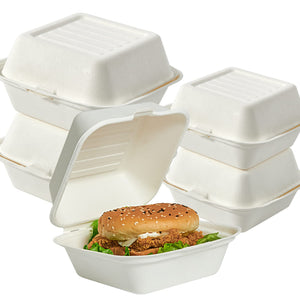
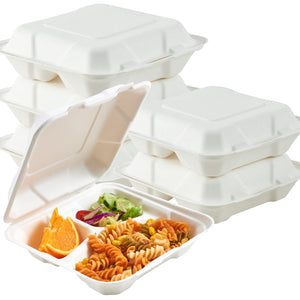
Ecolipak's clamshell to-go boxes are a prime example of bagasse in action. These containers are BPI-certified, heavy-duty, and feature a double-lock closure to prevent leaks. They are a sturdy, aesthetically pleasing, and competitively priced packaging solution. Brands like Ecolipak demonstrate that businesses can choose compostable options without sacrificing quality or budget.
Sustainable Coffee Packaging Solutions
The coffee industry has unique packaging needs. Freshness is paramount, which historically led to multi-layered, non-recyclable bags. Today, sustainable coffee packaging offers excellent protection with a lower environmental footprint. This focus on better packaging solutions improves coffee cost efficiency for roasters and cafes.
Innovations in coffee packaging provide several green options:
Recyclable Coffee Bags: Made from materials like mono-plastic PE that can be recycled.
Compostable Coffee Bags: Made from plant-based materials like PLA that break down into compost.
Post-Consumer Recycled (PCR) Packaging: Gives used plastics and papers a second life in new coffee packaging.
Modern sustainable coffee packaging also includes features that maintain the quality of the coffee. Compostable degassing valves let CO2 escape without letting oxygen in. Airtight compostable zippers allow for resealable packaging, keeping the coffee fresh after opening. These advancements are key to achieving better coffee cost efficiency.
Exploring a cost comparison of traditional vs sustainable coffee packaging reveals that while green options may have a slightly higher upfront cost, they offer immense brand value. Businesses can also explore custom coffee packaging solutions to create unique, brand-aligned packaging that resonates with eco-conscious consumers. Options like refillable packaging programs can further reduce waste and improve coffee cost efficiency. Ultimately, choosing sustainable coffee packaging is a smart investment in brand image and long-term coffee cost efficiency. The right coffee packaging protects the product, the planet, and the brand's reputation, leading to better coffee cost efficiency. This approach to coffee packaging helps businesses meet consumer demand for sustainability. The future of coffee packaging is both green and effective, ensuring great coffee and a healthier planet. This commitment to sustainability enhances coffee cost efficiency.
Strategic Sourcing to Lower Packaging Costs
Smart sourcing is one of the most effective cost-effective strategies for acquiring affordable green packaging. Businesses can significantly lower their expenses by making deliberate choices about how and where they get their materials. These strategies help manage the overall cost of packaging.
The Power of Bulk Purchasing
Buying packaging in larger quantities is a simple way to reduce cost per unit. Suppliers often provide discounts for bulk orders, which lowers the total expense. This is especially true for items like coffee packaging for a busy cafe that serves a lot of coffee. There are different pricing models that can affect the final cost.
Bulk Pricing Models ⚖️ Suppliers may use different discount strategies. Volume pricing applies one low price to all units once a threshold is met. Tiered pricing applies different prices to different quantity ranges.
Discount Type
Description
Example (250 units)
Tiered Discount
Discount price increases for each quantity range.
100 units @ $4, 100 units @ $3, 50 units @ $2. Total: $800.
Volume Brackets
A set price for specific quantity ranges applies to all units.
All 250 units @ $2 (if 201-400 units qualify). Total: $500.
Bulk purchasing also reduces the carbon footprint of shipping. Fewer, larger shipments mean less fuel consumption and packaging waste. This is a key part of a business's sustainability goals.
Partnering with Eco-Friendly Suppliers
Choosing the right supplier is crucial. A good partner offers competitive pricing and shares a commitment to sustainability. Businesses should look for suppliers with certifications that verify their claims.
Forest Stewardship Council (FSC): Ensures paper and wood products come from responsibly managed forests.
Green Seal: Certifies that products meet high environmental and health standards.
Strong partnerships can lead to great results. For example, Chipotle uses compostable bowls made from natural fibers for its coffee and food, diverting a large portion of its waste from landfills. This shows how the right packaging solutions can lower environmental impact and cost. These strategies are vital for any business that serves coffee.
Minimalist Design for Smarter Packaging
A minimalist design approach reduces material usage and packaging cost. This strategy focuses on simplicity and function. It removes non-essential elements like extra layers or decorative inserts. This makes the packaging lighter, which lowers shipping costs. For example, a simple coffee packaging design for coffee beans can be very effective. Many brands, like Quaker Oats, use simpler box designs to improve recyclability. This approach to coffee packaging proves that less can be more. Smart design maintains product protection while cutting down on waste and expense, a key strategy for any business selling coffee. The right coffee packaging protects the coffee and the budget. This is a great way to manage the cost of coffee packaging.
The ROI of Going Green
Adopting green packaging is more than an environmental choice; it is a powerful business strategy. The return on investment (ROI) from sustainability extends beyond cost savings. It builds brand value, creates a competitive edge, and secures a business's future. This shift has a major impact on long-term success.
Boosting Brand Image with Sustainability
Sustainable packaging directly shapes how customers see a brand. Today's packaging is an extension of the product experience. It tells a story about a company's values. Younger shoppers, especially Millennials and Gen Z, use packaging to judge a brand's care for the environment.
A Story of Success: Ecolipak customers often share that the brand's eco-friendly products are sturdy and attractive. This positive feedback shows that high-quality, sustainable packaging builds strong customer loyalty. Users appreciate making a choice that reduces their environmental impact without sacrificing quality.
This positive perception translates into real growth. For example, Ecolipak sold over 59 million eco-products in 2024. This achievement highlights the powerful impact of a successful sustainability strategy. Good packaging choices for items like coffee cups can significantly improve a brand's image.
Gaining a Competitive Market Advantage
Choosing sustainability helps a business stand out. The market for sustainable goods is growing rapidly. Projections show the market value could reach over US$ 33 billion by 2030. This growth is driven by eco-conscious consumers.
62% of Gen Z shoppers prefer to buy from sustainable brands.
73% of Gen Z shoppers are willing to pay more for sustainable products.
This trend gives businesses a clear advantage. Offering sustainable packaging for products like takeout coffee attracts new customers. It also builds loyalty with existing ones. This leads to increased sales and positive word-of-mouth marketing. In a competitive market, the impact of green packaging for items like coffee can be the deciding factor for many customers. It shows a commitment to the environment that people value.
Future-Proofing Your Business
Adopting green practices early prepares a business for the future. Governments worldwide are introducing stricter regulations on single-use plastics.
Canada: Sales restrictions on many single-use plastics will be in place by 2025.
California: A statewide ban on all plastic shopping bags is planned for 2026.
European Union: New packaging waste regulations will be implemented in 2026.
Businesses that switch to sustainable options now avoid future compliance costs. This proactive approach builds resilience against changing laws. It protects the business from sudden operational shifts and protects the environment from further harm. Making the switch to better packaging for everyday items like coffee is a smart move. It ensures a business remains compliant and competitive. For any business looking to reduce its environmental impact, the message is clear.
Green Pack, Go for ECOLipak
Adopting eco-friendly food containers is a smart business decision, not a compromise. The perfect balance of cost and sustainability is achievable. Materials like bagasse and PLA, offered by brands like Ecolipak, prove this. The long-term benefits of sustainable packaging, such as enhanced brand loyalty and lower operational cost, far outweigh any initial packaging cost. This approach reduces waste and prepares a brand for future challenges.
Start Your Green Journey 🚀 Businesses should evaluate their current packaging needs. Partner with a dedicated sustainable supplier like Ecolipak to explore your options and make a positive impact.
FAQ
Is eco-friendly packaging always more expensive?
No, it is not always more expensive. Businesses can lower costs through bulk purchasing and strategic sourcing. Brands like Ecolipak offer competitively priced options. This makes sustainable packaging an affordable choice for many companies.
Are green containers as strong as plastic?
Yes, many green containers are very strong. Materials like sugarcane bagasse provide excellent durability. For example, Ecolipak's heavy-duty clamshell boxes are leak-resistant and sturdy, proving that eco-friendly options can match the performance of traditional plastic.
What does "compostable" mean for packaging?
Compostable packaging can break down into natural elements. This process happens in a commercial composting facility. It avoids landfills and returns nutrients to the soil. Materials like PLA and bagasse are great examples of compostable options.
How can a business start using eco-friendly packaging?
A business can begin by assessing its packaging needs. The next step is to find a reliable supplier. Partnering with a dedicated brand like Ecolipak helps businesses explore options and easily transition to sustainable containers.