Regulatory bodies like the FDA recognize polylactic acid as safe for food contact. The FDA has specific regulations for materials like polylactic acid. These FDA regulations ensure safety. This general safety, however, depends on using a product as intended. Factors like temperature determine if a pla bioplastic product is truly pla food safe. The global market for plant-based bioplastics was US$ 1.03 billion in 2023. Its growth highlights the importance of food safety for items like biodegradable coffee cups. The FDA has these regulations for a reason. The FDA regulations are key.
Key Takeaways
-
PLA plastic is safe for food. The FDA says it is safe for food packaging. This is true when you use it correctly.
-
Heat can damage PLA plastic. Standard PLA is for cold items. Use CPLA for hot foods and drinks.
-
Do not reuse single-use PLA products. Washing them can cause tiny cracks. This makes them unsafe.
-
Always check for food-safe labels. Look for symbols like a glass and fork. This shows the product is safe for food.
-
Follow the manufacturer's instructions. Throw away damaged PLA items. This keeps your food safe.
Understanding Food-Safe Plastics
Understanding the materials that touch our food is crucial for health and peace of mind. Not all plastics are created equal, especially when it comes to food packaging. This section explores what makes a material safe and how a popular bioplastic like polylactic acid fits into the picture.
What 'Food-Safe' Certification Means
The term "food-safe" means a material can come into contact with food without causing harm. The U.S. Food and Drug Administration (FDA) provides regulations for these materials. The FDA defines a "food contact substance" as any material used to hold, package, or transport food. Several FDA regulations ensure safety.
For example, 21 CFR Part 174 covers substances used in products that touch food. These rules help prevent harmful chemical migration.
Many global safety standards also exist. The EU has its own strict regulations, and organizations like NSF International provide food-grade certifications. These regulations protect consumer health by setting limits on migration, which is when tiny particles move from the packaging into the food.
The Science of PLA Bioplastic
PLA bioplastic is a popular sustainable alternative to traditional plastic. This biopolymer comes from renewable resources like corn or sugarcane, not fossil fuels. The process has three main steps:
-
Starch Extraction: Manufacturers extract starch from plants and use enzymes to break it down into simple plant sugars.
-
Fermentation: Microorganisms ferment these sugars, turning them into lactic acid.
-
Polymerization: The lactic acid molecules are linked together to form long chains of polylactic acid. This creates the final PLA bioplastic.
This innovative process creates a versatile bioplastic with significant environmental benefits, helping to reduce plastic pollution. This biodegradable biopolymer offers a path toward greater sustainability.
Is PLA Food Safe? The Official Verdict
Yes, PLA is considered safe for food contact. A key study confirmed the safety advantages of polylactic acid, leading the FDA to classify it as "Generally Recognized As Safe" (GRAS) for food packaging. Both the FDA and the EU have approved this biopolymer for use with food, but with conditions.
The main concern for any food packaging is migration. Regulations ensure that migration levels from the PLA bioplastic to the food are extremely low. These rules protect public health. This is why it is important to use the biodegradable plastic as intended by the manufacturer, especially regarding temperature. Following these guidelines makes PLA food safe and a great choice for sustainability and safety. The use of biodegradable polymers and biodegradable plastics is growing, and their compostability adds to their appeal.
Key Safety Rules for Using PLA
Using polylactic acid products correctly is essential for ensuring their safety. The material's properties, especially its reaction to heat, determine its proper use. Following a few key rules helps consumers enjoy the benefits of this bioplastic without compromising their health.
Temperature Limits for PLA Plastic
Standard polylactic acid has specific temperature limitations. Its glass transition temperature, the point where it starts to soften, is a critical factor for its use in food packaging.
-
Standard PLA has a glass transition temperature of around 55°C (131°F).
-
This property makes the bioplastic ideal for cold beverages and foods.
-
Temperatures above 50°C (122°F) can cause standard PLA to soften and deform.
For example, leaving a PLA container in a hot car is not a good idea. On a warm day, a car's interior can easily exceed 60°C (140°F). This heat can warp a PLA product in less than an hour, affecting its structure and safety.
Exceeding these temperature limits can also increase the risk of chemical migration. While polylactic acid is generally stable, studies on other plastics show that high temperatures significantly increase the migration of chemicals from packaging into food. This potential for increased migration levels at high heat is why manufacturers set strict temperature guidelines. Adhering to these limits is a simple way to protect your health.
CPLA for Hot Food and Drinks
For hot foods and drinks, a different type of PLA bioplastic is necessary. Crystallized Polylactic Acid, or CPLA, is an engineered version designed to handle heat. The crystallization process strengthens the material's structure, giving it superior durability and heat resistance.
|
Property |
Standard PLA |
CPLA (Crystallized PLA) |
|---|---|---|
|
Heat Resistance |
Low (up to 60°C / 140°F) |
High (up to 90°C / 194°F) |
|
Strength |
Moderate, can be brittle |
High, very durable |
|
Best For |
Cold items like salads, iced drinks, desserts |
Hot items like coffee, soup, and heated meals |
CPLA products can safely withstand temperatures up to 90°C (194°F). This makes CPLA cutlery, lids, and containers a great choice for hot coffee, soups, and meals. Despite its enhanced strength, CPLA maintains the same eco-friendly properties as standard PLA. It is important to note there are no universal industry standards for labeling products as CPLA. Consumers should check product descriptions to confirm heat resistance.
Reusability and Dishwasher Safety
Most single-use PLA products are not designed for reuse or dishwasher cleaning. The safety advantages of polylactic acid apply to its intended single-use purpose. Repeated use and washing can create tiny scratches and cracks on the surface.
-
Studies show that repeated use and washing can increase the shedding of microplastics from containers.
-
Heat and pressure from a dishwasher can cause items to release plastic particles.
-
This risk of particle migration makes reusing single-use PLA bioplastic containers unsafe.
However, some companies have developed special formulations for reusable products. For instance, a material known as tPLA is specifically designed to be reusable and dishwasher-safe. These products, which include utensils and hot cup lids, offer a durable and safe option for consumers seeking a multi-use bioplastic. Always check the manufacturer's label to see if a product is certified for multiple uses.
PLA in Food Packaging
The food industry widely uses PLA for various types of food packaging due to its versatility and safety for cold applications. Its clear, sturdy nature makes it an excellent replacement for traditional petroleum-based plastics. You can find this innovative bioplastic used for many everyday items.
Major brands have adopted PLA food packaging. McDonald's uses it for McFlurry desserts and salads, while Starbucks uses a PLA coating in some of its paper cups. Burger King has even used PLA foam for sandwich clamshells.
The applications are diverse and growing:
-
Clear Containers: Perfect for salads, fruits, and deli items.
-
Beverage Cups: Widely used for iced coffee, smoothies, and other cold drinks.
-
Takeout Containers: Clamshells and trays for takeout meals.
-
Protective Film: Supermarkets like Tesco use PLA film to package fresh meat and poultry.
While unmodified polylactic acid has higher oxygen and water permeability than plastics like PET, its barrier properties are sufficient for many fresh food products. This makes it a practical and popular choice for single-use food packaging, helping brands offer more sustainable options. Following guidelines ensures that every use is a pla food safe experience.
How to Choose and Use PLA Safely
Making informed choices is simple when you know what to look for. Consumers can confidently use plant-based plastics by checking for safety certifications, choosing reputable brands, and following usage guidelines. These steps ensure you enjoy the full environmental benefits of this innovative biopolymer without compromising on safety.
Look for Food-Safe Labels
Identifying safe food packaging starts with a quick check of the label. Manufacturers use standardized symbols to communicate a product's intended use and safety features. These visual cues help consumers make the right choice instantly.
Common Food-Safe Symbols:
Glass and Fork Icon: This symbol means the material is safe for food contact.
BPA-Free Mark: Indicates the product does not contain Bisphenol A.
Leaf or Plant Icon: Often signifies that a product is a compostable or biodegradable biopolymer.
Checking for these labels is a fast and effective way to verify the safety of any food packaging.
Choose Trusted Brands Like Ecolipak
Selecting products from a trusted brand provides an extra layer of assurance. Ecolipak is a brand dedicated to providing safe, high-quality, and eco-friendly products. Its mission is to make sustainability an easy choice for everyone. The brand's high-quality PLA products undergo rigorous testing to meet standards like BPI certification, ensuring they are non-toxic and free from harmful chemicals like PFAS.
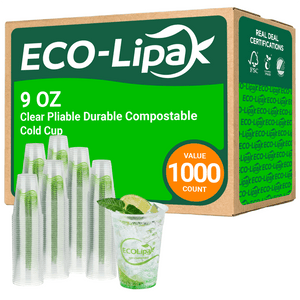
A great example is the Ecolipak Biodegradable Clear PLA Cold Cups. These cups are made from plant-based PLA bioplastic, are certified BPA-free, and are sturdy enough for any cold beverage. Customers consistently report that Ecolipak’s offerings are reliable and high-quality, reinforcing that a trusted brand delivers on its promises. For a choice that protects both you and the planet, remember: Green Pack, Go for ECOLipak.
Follow Manufacturer Use Guidelines
Every PLA bioplastic product comes with specific use guidelines for a reason. Standard PLA is not resistant to heat or UV light. Exposure to high temperatures, like inside a hot car, can cause the material to soften, warp, and lose its shape. Prolonged sunlight can also make the bioplastic brittle. Following the manufacturer's instructions, especially regarding temperature limits, is crucial for maintaining the product's structural integrity and safety.
When to Discard Damaged Products
Even the best eco-friendly products have a limited lifespan. It is important to discard any PLA item that shows signs of damage. Visual cues can indicate that a product is no longer safe for use.
Look for:
-
Cracks or fissures on the surface
-
Significant warping or changes in shape
-
A brittle or disrupted surface texture
If you notice any of these signs, it is time to dispose of the item. This simple practice ensures that your sustainable solutions for food packaging remain safe. This commitment to sustainability and quality makes high-quality PLA products a great choice.
Plant-based plastics offer a safe and viable sustainable alternative for food packaging. This bioplastic provides clear environmental benefits. Consumers can confidently make choices that support sustainability. A pla food safe experience depends on correct use.
Three actions ensure safety with any bioplastic food packaging:
-
Always check for food-safe certifications on the food packaging.
-
Pay close attention to the product's temperature limits.
-
Choose trusted brands like Ecolipak that are transparent about materials and sustainability.
Following these guidelines empowers people to feel confident in their safe, sustainable kitchen choices.
FAQ
What is the main safety concern with plant-based plastics?
The primary concern is chemical migration. The FDA and EU have strict regulations. These regulations limit migration. The FDA has regulations to control migration. The FDA and EU have regulations to prevent harmful migration. The FDA has regulations to ensure low migration. The FDA protects public health.
How do the FDA and EU ensure these plastics are safe?
The FDA and EU test biodegradable polymers. The FDA sets low migration levels. The EU also checks migration levels. The FDA has rules for this biopolymer. The FDA has rules for biodegradable polymers. This process protects consumer health. The migration of substances is a key focus.
Is every biopolymer automatically safe for food?
No. A biopolymer must be certified. The FDA has rules for materials like polylactic acid. The compostability of a biopolymer does not guarantee safety from migration. The FDA has rules for biodegradable polymers. The FDA has rules for polylactic acid. This biodegradable biopolymer is compostable. The migration of this material is tested. The migration of this material is tested. The migration of this material is tested. The migration of this material is tested.