You know the feeling after a great party: a mountain of plastic waste. Events create significant waste, with some venues generating tons of single-use plastics annually. Compostable plates offer a guilt-free, eco-friendly solution. These sustainable items are made from natural materials. They compost back into the earth. This makes them one of the best eco-friendly alternatives to plastic.
Unlike plastic plates, which can pollute the environment for centuries, compostable tableware is designed to be biodegradable. Even standard paper plates often have a plastic lining, preventing them from breaking down. Choosing compostable plates helps you reduce your impact.
Key Takeaways
-
Compostable plates are a good choice for the Earth. They break down into rich soil, unlike plastic plates.
-
These plates are made from plants like sugarcane, bamboo, or cornstarch. This means they use fewer fossil fuels.
-
Using compostable plates helps reduce trash in landfills. They also make the soil healthier.
-
Look for plates with a 'BPI' certification. This means they are truly compostable and safe.
-
You must send compostable plates to a special composting place. They do not break down well in regular trash.
What Are Compostable Plates?
You might see the words "biodegradable" and "compostable" used often. They do not mean the same thing. Compostable plates are a specific type of eco-friendly tableware. They are designed to break down completely into natural elements. This process creates nutrient-rich soil, or compost. True compostable items must meet strict standards.
According to scientific standards like ASTM D6400, a product is compostable if it can:
Biodegrade: At least 90% of the material must break down into carbon dioxide, water, and biomass within 180 days in a commercial facility.
Disintegrate: The item must break into small pieces that are no longer visible in the finished compost.
Leave No Toxins: The resulting compost must be free of harmful chemicals and safe for plant growth.
This process turns waste into a valuable resource. It is a key part of a circular economy. You take from the earth, use the product, and then return its nutrients back to the soil. This makes compostable tableware one of the best eco-friendly alternatives.
|
Feature |
Biodegradable |
Compostable |
|---|---|---|
|
Definition |
Breaks down naturally over an undefined time. |
Breaks down into nutrient-rich soil in a specific timeframe. |
|
End Product |
May leave behind microplastics or residue. |
Creates healthy compost with no toxic residue. |
|
Timeframe |
Can take decades or even centuries. |
90-180 days in a commercial composting facility. |
|
Certification |
No universal standard. |
Requires certification (e.g., BPI). |
Why Choose Compostable Materials?
You choose a healthier planet when you choose compostable tableware. The raw materials for plastic plates come from fossil fuels. Extracting and refining oil creates high carbon emissions. Sustainable materials for compostable products, like plants, have a much lower carbon footprint.
Using compostable plates also reduces waste sent to landfills. Instead of piling up for centuries, these items decompose and enrich the soil. This process is driven by microorganisms that thrive in the hot, moist, and oxygen-rich environment of an industrial composting facility. These microbes break down natural fibers, turning your used plates back into earth. This cycle is a perfect example of how compostable items support a sustainable future.
Sugarcane Bagasse
Sugarcane bagasse is a fantastic material for eco-friendly dining. It is the dry, fibrous pulp left over after juice is extracted from sugarcane stalks. Instead of becoming waste, this byproduct gets a new life as sturdy compostable tableware.
The process is simple and smart:
-
Collection: Workers collect the leftover sugarcane fiber.
-
Pulping: They mix the fiber with water to create a pulp.
-
Molding: The pulp is poured into molds for plates, bowls, or containers.
-
Pressing: High heat and pressure shape the product, remove water, and make it strong.
-
Finishing: The final plates are trimmed for a smooth finish.
The result is a heavy-duty plate that is both leak-resistant and durable. Sugarcane plates can handle hot foods up to 220°F, making them perfect for any meal. They are a prime example of high-quality compostable paper products.
Bamboo and Palm Leaf
Bamboo and palm leaves are other popular sustainable materials for compostable plates. Both come from natural, renewable sources. However, their harvesting methods are different.
Palm leaf plates are made from naturally fallen leaves. No trees are cut down. This makes them an incredibly low-impact choice. The leaves are simply collected, cleaned, and pressed into shape.
Bamboo is a fast-growing grass. It is a renewable resource, but it must be cut down for harvesting. The stalks are then processed to create the material for plates. While still a great eco-friendly option, the process is more intensive than using fallen palm leaves. Both materials create strong and stylish compostable plates.
Cornstarch (PLA)
You may have heard of bioplastics. Polylactic Acid, or PLA, is one of the most common compostable bioplastics. It is a type of plastic made from renewable resources like cornstarch. The process starts by turning cornstarch into sugar. Bacteria then ferment this sugar to produce lactic acid. Finally, the lactic acid is converted into a polymer, creating PLA.
This material can be molded into utensils, cups, and even clear containers. However, PLA has specific needs to biodegrade. These compostable plastics require the high temperatures found in an industrial composting facility, typically above 122°F. In these conditions, PLA will break down effectively. Without that heat, the process is much slower. This makes proper disposal of PLA compostable products very important.
The Environmental Benefits of Compostable Tableware
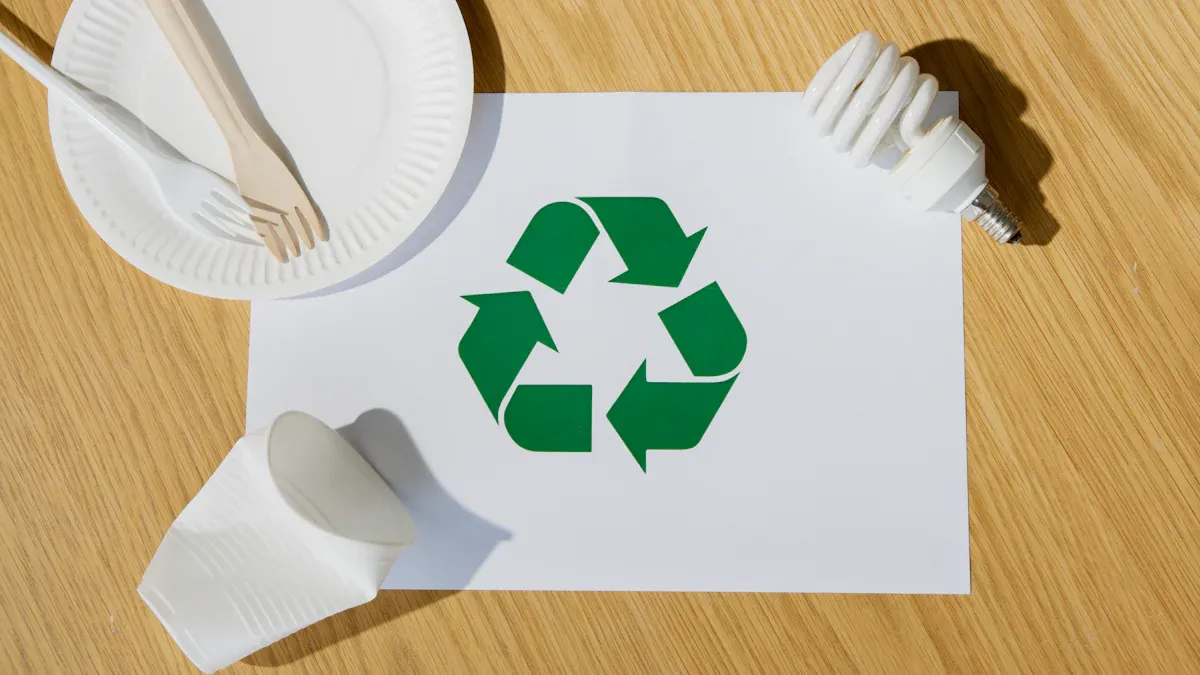
When you choose compostable tableware, you make a powerful decision that benefits the planet in several ways. These eco-friendly products do more than just hold your food; they help create a healthier environment. You actively participate in a sustainable cycle that reduces pollution and enriches the earth. Let's explore the key environmental benefits of making the switch.
Reduces Landfill Waste
You can significantly cut down on landfill-bound trash by using compostable plates. Traditional plastic waste sits in landfills for centuries, taking up space and harming ecosystems. Compostable items offer a smarter solution. When disposed of correctly in a commercial composting facility, they decompose quickly.
-
Sugarcane (bagasse) products typically break down within 90 days.
-
PLA (cornstarch) products take about 3 to 6 months to biodegrade.
-
Paper products often decompose even faster.
It is important to know that compostable products need the right conditions to break down. Common landfills are sealed and lack oxygen, so they are designed for storage, not decomposition. In a landfill, even a compostable item will break down very slowly. This is why sending your compostable food waste and tableware to a proper facility is key to achieving reduced landfill waste.
Lowers Carbon Footprint
You help fight climate change every time you use compostable tableware. The production of these items from sustainable materials generates far fewer greenhouse gases than plastic. This gives them a much lower carbon footprint. Plastic production relies on fossil fuels, which is an energy-intensive process. In contrast, compostable products often come from plant-based byproducts, creating a more circular and less impactful manufacturing process.
Choosing compostable options helps you achieve a lower carbon footprint for your events and daily meals.
|
Feature |
Sugarcane (Bagasse) Plate |
Polystyrene/Plastic Plate |
|---|---|---|
|
Carbon Footprint |
Significantly lower; the process can be carbon-neutral. |
High carbon footprint from fossil fuel extraction and production. |
|
Resource Origin |
A renewable byproduct of the sugarcane industry. |
Derived from non-renewable fossil fuels. |
|
Energy Consumption |
Uses less energy during the manufacturing process. |
Requires intensive energy from non-renewable sources. |
This clear difference shows how your choice of plate contributes to a lower carbon footprint and a healthier planet.
Enriches Soil Health
One of the most amazing environmental benefits of compostable tableware is its ability to create healthier soil. When you compost these items, they break down into nutrient-rich organic matter. This finished compost returns valuable nutrients to the earth. It improves soil fertility and supports sustainable agriculture and gardening.
The composting process turns your used plates into a resource that helps plants thrive. Adding compost to the ground dramatically improves its structure and ability to hold water.
-
Compost helps soil absorb and store moisture, reducing the need for frequent watering.
-
It binds soil particles together, which prevents erosion from wind and water.
-
It improves drainage in heavy clay soils and helps sandy soils retain water.
-
The rich organic material promotes dense vegetation, whose roots further anchor the soil.
For every 1% of organic matter, soil can hold thousands of gallons of plant-available water per acre. This makes the land more resilient to drought and creates a better environment for growing food.
Avoids Harmful Toxins
You protect your health and the environment when you choose certified compostable plates. Many plastic plates contain harmful chemicals that can transfer to your food, especially when heated. Using compostable tableware made from natural materials eliminates this risk.
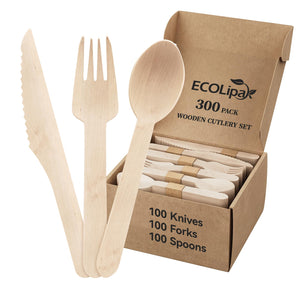
Bad chemicals like phthalates and BPA can come out of plastic cutlery and get into your food and the environment. This causes problems for people and animals. Compostable and biodegradable cutlery is safer for the earth. When you compost these utensils in the right place, they turn into safe things. They do not leave behind microplastics or bad chemicals.
Heating plastic plates or putting hot or acidic foods on them increases the chance of chemical leaching. Children are especially at risk from this exposure. Certified compostable products are free of these toxins, ensuring your meal is safe and healthy. You can enjoy your food without worrying about what might be seeping into it from your plate.
Choosing and Using Compostable Plates
You can make a great choice for the planet by using compostable tableware. Knowing what to look for helps you get the best eco-friendly products. You also need to know how to dispose of them correctly. This ensures your compostable items return to the earth.
Look for Certifications
You should look for a certification mark to trust a product is truly compostable. The Biodegradable Products Institute (BPI) is North America's leading authority on compostable products.
The BPI Certification Mark is a key signal of trust. It means a product was independently tested. It proves the compostable tableware will break down completely in a commercial compost facility. This process leaves no harmful residues behind.
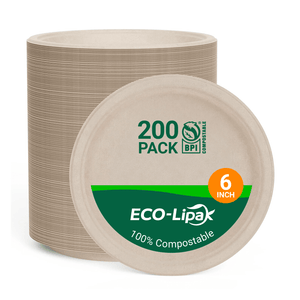
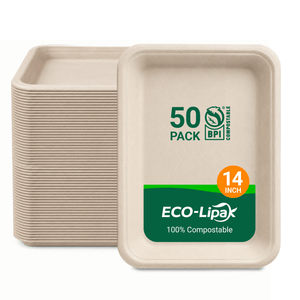
BPI certification confirms that compostable plates, like Ecolipak's sugarcane plates, meet strict standards. This helps you avoid false claims and choose items that are genuinely better for the environment.
Ecolipak's Sugarcane Plates
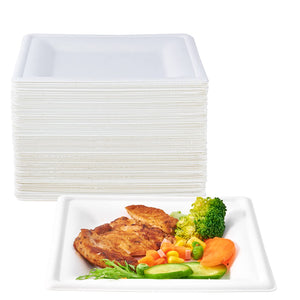
Ecolipak's compostable tableware offers a fantastic sustainable option for eco-friendly dining. These plates are made from 100% renewable sugarcane bagasse, a tree-free material. They are heavy-duty and leak-resistant, so you can serve hot or saucy foods without worry. You can also use them in the microwave and freezer. Customers often praise their sturdiness and quality. This proves you do not have to compromise on performance to be eco-friendly. Choosing these compostable plates means you get a reliable product that is also kind to the planet.
Proper Disposal Methods
Proper disposal is key for compostable tableware to be beneficial. You must send these items to the right facility to reduce waste.
-
Check for Certification: Make sure your plate is BPI certified.
-
Scrape Food: Remove large food scraps before disposal. Small crumbs are okay.
-
Find a Facility: Check if your town has a curbside organics program. You can also find a local drop-off site.
-
Dispose Correctly: Place the compostable item in the designated green bin. Never put compostable products in the recycling bin, as they contaminate the recycling stream.
Following these steps ensures your used compostable tableware becomes nutrient-rich compost.
You can make a real difference for the environment. Choosing compostable tableware helps reduce plastic waste. These eco-friendly products decompose to enrich the soil with valuable compost. You get a safe, natural option for your meals. Selecting a certified compostable product like Ecolipak's compostable tableware is an easy and impactful way to protect the planet.
Go Green with Ecolipak for your next event. You can find the perfect eco-friendly solution with our Compostable Sugarcane Plates.
FAQ
Are compostable plates safe for hot food?
Yes, they are very safe. High-quality compostable tableware, like Ecolipak's sugarcane plates, is designed to be heavy-duty. You can confidently serve hot, saucy, or oily foods. The plates will not leak or lose their shape, making your meal enjoyable and worry-free.
Can I compost these plates in my backyard?
You should check the product's certification. Most compostable items, especially those made from PLA, need the high heat of a commercial facility to break down properly. Sugarcane plates may break down in a well-managed home compost pile, but it will take longer.
Why should I choose certified compostable tableware?
Certification guarantees a product is truly eco-friendly. A BPI certification means the item was tested to break down safely in a commercial facility. You can trust that your choice helps reduce waste and avoids harmful toxins, supporting a healthier planet.
What happens if a compostable plate ends up in a landfill?
A compostable plate will not break down properly in a landfill. Landfills lack the oxygen and microorganisms needed for decomposition. The item will be preserved, much like plastic. You must send it to a proper composting facility to get the environmental benefits.