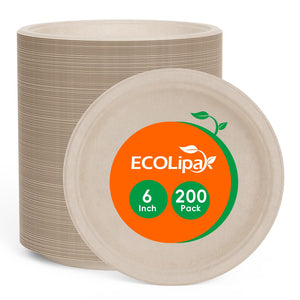
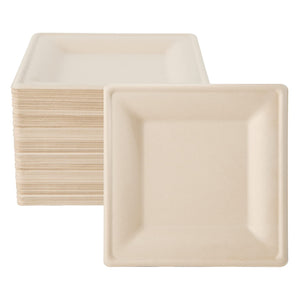
You can use the Mediterranean diet to improve blood sugar control. This diet gives you fiber-rich foods like whole grains and vegetables. The Mediterranean lifestyle helps you manage diabetes and cholesterol. In 2026, you see more people making lifestyle changes and using compostable sugarcane bowls for healthy meals.
Studies show the Mediterranean diet lowers hemoglobin A1c levels.
Clinical trials link Mediterranean diets to improved glucose metabolism and lower diabetes risk.
Key Takeaways
The Mediterranean diet includes whole foods and low glycemic options. These foods help maintain steady blood sugar levels and provide lasting energy.
Incorporating healthy fats and lean proteins into meals can improve insulin sensitivity. This helps control appetite and reduces cravings for sugary snacks.
Eating fiber-rich foods like fruits, vegetables, and whole grains slows down sugar absorption. This leads to better blood sugar management and overall health.
Mediterranean Diet Principles for Blood Sugar
Whole Foods and Low Glycemic Choices
You can support blood sugar control by choosing whole foods and low glycemic foods. The mediterranean diet focuses on plant-based foods like vegetables, fruits, legumes, and whole grains. These foods have a low glycemic index, which means they help you avoid sharp spikes in blood sugar. When you eat low-gi foods, you get steady energy and better glucose control. You should fill your plate with leafy greens, tomatoes, cucumbers, and berries. These foods are high in fiber and nutrients. Low glycemic carbs, such as whole-grain bread and brown rice, keep you full and help with satiety. Studies show that people who follow the mediterranean diet have a lower risk of diabetes and better blood sugar control.
Healthy Fats and Lean Proteins
The mediterranean diet includes healthy fats from olive oil, nuts, and fatty fish. These fats help your body use insulin better and reduce inflammation. You can use extra-virgin olive oil instead of butter for cooking. Fish and poultry give you lean protein, which helps you feel satisfied and supports muscle health. Healthy fats and lean proteins make meals more filling, so you are less likely to snack on sugary foods. This approach helps you control your appetite and manage diabetes.
Fiber-Rich Meals for Steady Glucose
Fiber is a key part of the mediterranean lifestyle. High fiber foods like beans, lentils, and whole grains slow down how fast sugar enters your blood. This keeps your glucose levels steady after meals. You should aim for several servings of vegetables and fruits each day. Fiber-rich carbs, such as legumes and whole grains, help you feel full and support long-term control. Using Ecolipak’s compostable sugarcane bowls for your salads and soups makes your meals both healthy and eco-friendly. These bowls are sturdy, microwave-safe, and biodegradable, so you can enjoy your mediterranean meals while caring for the planet. By choosing plant-based foods and minimizing processed foods and added sugars, you make positive lifestyle changes for your health and the environment.
How Mediterranean Diet Supports Blood Sugar Control
Fiber and Glycemic Impact
You can use the mediterranean diet to manage blood sugar control. This diet gives you high fiber foods like whole grains, legumes, and vegetables. Fiber slows digestion and helps prevent spikes in blood sugar. You get complex carbohydrates that digest slowly, which keeps glucose levels steady. The mediterranean diet encourages you to eat plant-based foods for satiety and appetite control. You feel full longer and avoid cravings for unhealthy snacks. Research shows that people who follow this diet have a lower risk of diabetes and type 2 diabetes.
The mediterranean diet includes high-quality carbohydrates that are slow to digest.
High fiber content from plant-based foods promotes a healthy gut and better control.
The diet supports weight loss, which improves blood sugar management.
Antioxidants and Insulin Sensitivity
You benefit from antioxidants in the mediterranean diet. Fruits and vegetables provide vitamins E and C, selenium, and carotenoids. These nutrients reduce oxidative stress and improve insulin sensitivity. Extra-virgin olive oil, nuts, and fish offer healthy fats that lower inflammation and help insulin work better. A recent study found that a diet rich in antioxidants can enhance insulin sensitivity in adults with metabolic syndrome. Combining antioxidant-rich foods with healthy fats improves glucose metabolism and supports diabetes management.
Food Item |
Benefits |
|---|---|
Extra-virgin olive oil |
Reduces inflammation and improves glucose metabolism. |
Fish |
Offers omega-3 fatty acids for insulin-sensitizing effects. |
Legumes |
Provides plant-based protein and supports metabolic health. |
Satisfying Sweet Cravings with Fruit
You can satisfy sweet cravings with fruits instead of processed desserts. The mediterranean diet recommends apples, pears, and berries for their low glycemic index. These fruits cause a gradual rise in blood sugar, not a rapid spike. Whole fruits contain fiber and bioactive compounds that help regulate glucose metabolism. Eating fruit before meals can lower peak blood sugar levels. You get essential nutrients and enjoy natural sweetness while supporting blood sugar control. This lifestyle encourages you to make healthy choices and adopt positive lifestyle changes.
Diabetes-Friendly Mediterranean Meal Plan with Ecolipak
Simple Meal Ideas for 2026
You can enjoy a variety of meals that fit a diabetes-friendly mediterranean meal plan. These meals use whole foods, lean proteins, and healthy fats. Ecolipak’s compostable bowls and plates make it easy to serve these dishes while caring for the planet. Here are some simple ideas you can try:
Meal Type |
Meal Idea |
|---|---|
Breakfast |
Steel-cut oats with walnuts, blueberries, and a dash of cinnamon |
Lunch |
Quinoa salad with arugula, cherry tomatoes, chickpeas, cucumber, feta, and olive oil-lemon dressing |
Snack |
Apple slices with almond butter |
Dinner |
Grilled salmon with sautéed spinach and roasted sweet potatoes |
Dessert |
A few squares of 85% dark chocolate |
You can prepare these meals in advance and store them in Ecolipak’s sugarcane bowls. These bowls are microwave-safe and compostable, so you can reheat your food and help the environment at the same time. When you choose this plan, you support both your health and the planet.
Daily Habits for Lasting Results
You can build healthy habits that support stable blood sugars and long-term blood sugar management. The mediterranean diet encourages you to eat a variety of foods each day. Here are some habits you can follow:
Fill your plate with non-starchy vegetables like spinach, broccoli, zucchini, and eggplant.
Choose whole grains such as quinoa, bulgur, farro, and oats.
Add legumes like lentils, chickpeas, and black beans to your meals.
Enjoy fruits such as berries, apples, citrus, and pears.
Use healthy fats from extra virgin olive oil, avocado, and walnuts.
Pick lean protein sources like fish, skinless poultry, or tofu.
You can also swap high-fat meats for beans and lentils, add more fruits and vegetables to your plate, and make most of your grains whole. Research shows that fiber slows glucose absorption, which helps prevent spikes after meals. This gradual release of energy is important for blood sugar control. When you use Ecolipak’s compostable plates and bowls, you help reduce landfill waste and support healthier soil. Compostable products break down in a few months, unlike traditional plates that can take hundreds of years.
Tip: Try to prepare your meals ahead of time and use Ecolipak’s eco-friendly tableware for easy cleanup and a greener lifestyle.
Real-Life Success Stories
Many people have seen positive changes by following a diabetes-friendly mediterranean meal plan and making lifestyle changes. Here are a few examples:
Maria started using Ecolipak’s compostable bowls for her daily salads and soups. She noticed her blood sugar levels became more stable, and she felt more energized throughout the day.
James switched to a mediterranean diet with more whole grains, legumes, and vegetables. He used Ecolipak plates for his family dinners. After three months, his doctor reported improved diabetes control and lower cholesterol.
A local community group began hosting mediterranean-style potlucks using Ecolipak’s sugarcane tableware. Members shared that they enjoyed delicious meals and felt good about reducing plastic waste.
You can join others who have improved their health and supported the environment. Choose a plan that fits your needs, use sustainable products, and enjoy the benefits of a balanced mediterranean lifestyle.
You can improve blood sugar by choosing the mediterranean diet and using eco-friendly products. Small steps, like adding more fiber and reducing processed foods, make a big difference. The table below shows how steady changes in your diet and sustainability habits lead to lasting results.
Change |
Result Timeline |
|---|---|
More fiber |
Fewer glucose spikes |
Less processed food |
Better blood sugar |
Mediterranean meals |
Improved HbA1c in months |
Start today with simple swaps. You support your health and the planet.
FAQ
What foods help you balance blood sugar on the Mediterranean diet?
You can eat whole grains, beans, vegetables, fruits, nuts, and fish. These foods give you fiber and nutrients for steady blood sugar.
How do Ecolipak bowls support healthy eating?
Ecolipak bowls keep your food away from plastic. You use compostable bowls for salads and soups. You help the planet and enjoy safe meals.
Can you follow the Mediterranean diet if you have diabetes?
| Yes | You can follow the Mediterranean diet. It helps you manage blood sugar and supports heart health. Many doctors recommend this diet for diabetes. |