Is Sugarcane a Fruit? The Answer

Is Sugarcane a Fruit? The Answer - ECOlipak

Is sugarcane a fruit? It's a common question, but the answer is no—sugarcane is actually a type of perennial grass. This versatile plant is a global powerhouse, with production surpassing 1.9 billion metric tons in 2023 and accounting for about 80% of the world's sugar. But its uses go far beyond the sugar bowl. The question, "Is Sugarcane a Fruit? Fun Facts About This Eco Material Source," opens the door to its incredible versatility. For example, the fibrous byproduct of sugar production, known as bagasse, is used to create durable and eco-friendly products like sturdy sugarcane plates. This blog, "Is Sugarcane a Fruit? Fun Facts About This Eco Material Source," will explore the many amazing qualities of this truly remarkable plant.

Key Takeaways

  • Sugarcane is a type of grass, not a fruit or a vegetable. It belongs to the Poaceae family, which also includes corn and wheat.

  • The edible part of sugarcane is its stalk. This stalk stores sweet juice used to make sugar.

  • Sugarcane has many uses beyond sugar. Its leftover fiber, called bagasse, makes eco-friendly products like plates.

  • Products made from sugarcane bagasse are good for the environment. They are durable, compostable, and reduce waste.

Is Sugarcane a Fruit or Vegetable?

Many people wonder about the classification of sugarcane. The question of whether we should consider sugarcane a fruit or vegetable is common. Let's explore the botanical definitions to find a clear answer. This exploration helps us understand the true nature of this amazing plant and is a key part of our blog, "is sugarcane a fruit? fun facts about this eco material source."

So, Is Sugar Cane a Fruit?

The answer to "is sugar cane a fruit?" is a definitive no. To understand why, we must look at the botanical definition of a fruit.

In botany, a fruit is the mature, swollen ovary of a flowering plant. It develops after fertilization and contains the seeds. The fruit's main job is to protect the seeds and help spread them.

This definition includes many foods we might not think of as fruits, like tomatoes, pumpkins, and even bean pods. They all develop from the flower's ovary and hold seeds. The edible part of sugarcane, however, is its tall, woody stalk. This stalk is the plant's stem. It does not develop from a flower's ovary and does not contain seeds. This simple fact is the primary reason why sugarcane is not a fruit. The botanical classification of sugarcane places it firmly outside the fruit category. So, when someone asks "is sugar cane a fruit?", you can confidently explain the science behind the answer.

The Case Against It Being a Vegetable

If sugarcane is not a fruit, then is it a vegetable? This question is a bit more complex. The botanical definition of a vegetable is broader than that of a fruit. A vegetable is generally any edible part of a plant that is not a fruit or seed. This includes roots, leaves, and stems.

Plant Part

Culinary Vegetable Examples

Roots

Carrots, Turnips, Beets

Leaves

Spinach, Lettuce, Kale

Stems

Celery, Asparagus, Kohlrabi

Flowers

Broccoli, Cauliflower, Artichoke

Since we eat the stem of the sugar cane plant, it technically fits the description of a vegetable. We eat other plant stems, like celery and asparagus. However, the way we use sugarcane sets it apart from culinary vegetables. The main reason why sugarcane is not a vegetable in a practical sense is its primary purpose. People process sugarcane to extract its sweet juice. This juice is then crystallized to produce sugar.

Culinary vegetables like carrots or celery provide dietary fiber, vitamins, and minerals. We eat them as part of a main meal. In contrast, the nutritional value of sugarcane comes almost entirely from its sucrose. We do not typically chop up a sugar cane stalk and add it to a salad or stir-fry. Its role is that of a sweetener, not a savory dish component. This functional difference is why most people do not consider sugarcane a vegetable, even though its stalk is an edible stem. The debate over sugarcane a fruit or vegetable ends with it being neither. The unique use of sugar cane distinguishes it from both categories.

The Real Identity of Sugarcane

We have established that sugarcane is neither a fruit nor a vegetable. So, what is it? The true identity of this remarkable plant is fascinating. The botanical classification of sugarcane places it in a family of essential global crops. This section reveals the real nature of the sugar cane plant.

A Member of the Grass Family

The sugarcane plant, scientifically known as Saccharum officinarum, is a type of perennial grass. It belongs to the large and diverse Poaceae family. This makes sugar cane a relative of many other famous grasses. 🌾

The Poaceae family is one of the most important plant families for humans. It includes staple food crops that feed billions of people worldwide.

Many common crops share this family with sugar cane. Some of these include:

  • Corn

  • Wheat

  • Rice

  • Barley

  • Bamboo

Like its tropical relatives, sugarcane thrives in warm climates. The ideal temperature for growing sugar cane is between 21°C and 27°C. It also needs plenty of water, requiring 100-150 cm of rainfall each year. This specific environment helps the sugarcane plant grow tall and produce its valuable contents. The sugar cane plant is a true giant of the grass world.

The Anatomy of a Sugarcane Stalk

The most recognizable part of the sugarcane plant is its stalk. This is where the magic happens. A mature sugar cane stalk is not just a simple stick; it has a complex structure. The stalk consists of segmented parts.

The main sections are called internodes. These are the long, smooth parts of the sugar cane stalk where the plant stores its sweet sugar cane juice. The sucrose content in a mature sugarcane stalk can be very high. Separating the internodes are the nodes. These are the joint-like rings you see along the sugar cane. Each node has a bud and a ring of root primordia, which can sprout to grow a new sugarcane plant. This structure is key to how sugar cane is cultivated and harvested. The strong, fibrous stalk of the sugar cane makes it a versatile resource.

Fun Facts: Sugarcane as an Eco Material Source

The sugarcane plant offers much more than just sugar. After the sweet juice is extracted, a fibrous material called bagasse remains. The sugarcane industry once viewed this as waste. Today, we recognize bagasse as a valuable, renewable resource. This shift is a key part of the story of "is sugarcane a fruit? fun facts about this eco material source." This section explores the amazing uses of this sugarcane byproduct.

Beyond Sugar: Biofuel and Bagasse

The sugarcane industry produces a massive amount of bagasse each year. Global production reached about 600 million metric tons in 2023. This material is not waste. It is a powerful resource for energy and eco-friendly products.

One major use for sugarcane is creating ethanol, a clean-burning biofuel. One ton of sugarcane can produce approximately 141 gallons of ethanol. The conversion process involves several key stages:

  1. Pretreatment: The tough sugarcane biomass is treated to make the cellulose accessible.

  2. Depolymerization: Enzymes break down carbohydrate polymers into simple sugars.

  3. Fermentation: Microorganisms ferment the sugars to produce ethanol.

  4. Distillation: The final step purifies the ethanol, though it is energy-intensive.

Bagasse itself is also a treasure trove of organic material. Its chemical makeup makes it perfect for creating new products.

Component

Percentage in Raw Bagasse

Cellulose

26–47%

Hemicellulose

19–33%

Lignin

14–23%

Ash

1–5%

This high cellulose content makes the sugar cane byproduct an excellent raw material for sustainable goods. The journey of the sugar cane plant from field to fuel and fiber is truly remarkable.

Ecolipak's Compostable Sugarcane Plates

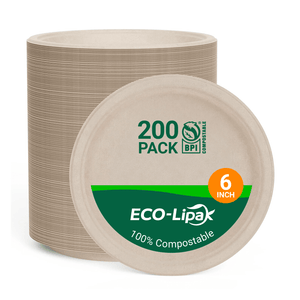
Companies now transform sugar cane bagasse into amazing eco-friendly products. Ecolipak is a brand dedicated to this mission. It provides sustainable packaging solutions to reduce environmental impact. Ecolipak uses the fibrous residue from sugarcane processing to create high-quality, compostable tableware.

The manufacturing process for these sugarcane plates is a great example of innovation.

  1. Raw Material Preparation: Bagasse is turned into molded fiber pulp sheets.

  2. Pulping System: The sheets are mixed with water to create a slurry.

  3. Tableware Forming: A machine molds the pulp slurry into the shape of a plate using heat and vacuum pressure.

  4. Tableware Trimming: An edge trimming machine cuts the plates to a uniform size.

The result is a sturdy, reliable plate made from a repurposed resource. Ecolipak's compostable sugarcane plates are BPI Certified. They break down in a commercial composting facility in about 90 days, leaving no toxic residue behind. This process shows how the humble sugar cane plant contributes to a cleaner planet.

Why Choose Sugarcane Products?

Choosing products made from sugarcane bagasse offers significant environmental benefits. These items outperform many traditional and bioplastic alternatives. This is another fascinating topic for our blog, "is sugarcane a fruit? fun facts about this eco material source."

Bagasse products are exceptionally durable. They have a high heat tolerance and are naturally grease-resistant. The chart below compares bagasse to standard paper and PLA, a common bioplastic.

As the chart shows, sugarcane products handle hot foods better and compost much faster. The comparison with paper products is also clear.

Aspect

Bagasse Products

Paper Products

Source

Byproduct of sugarcane processing

Trees or recycled paper

Renewability

High (sugarcane is rapidly renewable)

Varies (deforestation is a concern)

Energy Consumption

Lower in production

Higher in production

Decomposition Time

30-90 days in composting conditions

2-6 months, depending on conditions

Using sugarcane bagasse also supports a circular economy. It turns an agricultural byproduct into valuable goods. This reduces landfill waste and reliance on fossil fuels. The applications are diverse, from bioenergy generation to green packaging. This smart use of the sugar cane plant is a win for consumers and the environment. The entire "is sugarcane a fruit? fun facts about this eco material source" discussion highlights the plant's incredible versatility.

Make the Switch with Ecolipak

Choosing sustainable products is a powerful way to support a healthier planet. Ecolipak makes this choice easy with its innovative compostable sugarcane plates. These products transform the fibrous byproduct of the sugar cane plant into practical, eco-friendly tableware. Making the switch helps reduce waste and promotes better environmental health. The versatile sugarcane plant offers solutions that benefit both people and the planet.

Sturdy, Safe, and Sustainable Dining

Ecolipak's compostable sugarcane plates offer a dining experience that is sturdy, safe, and sustainable. These heavy-duty, cut-resistant plates are both microwave and freezer safe. Customers often praise them for being reliable and aesthetically pleasing, holding everything from pasta to cake without leaking or bending. The strength of these sugar cane plates ensures quality.

Safety is a top priority for consumer health. The plates are BPA-Free, protecting users from this potential endocrine disruptor. Exposure to BPA from food containers is a health concern, as it can leach into food. Choosing BPA-free sugar cane products is a simple step toward better personal health. The use of natural sugarcane material ensures a non-toxic dining surface.

What does BPI Certified mean for these sugarcane plates?

  • The Biodegradable Products Institute (BPI) independently verifies that the plates will break down in a commercial compost facility.

  • This certification ensures the sugar cane material biodegrades completely without leaving harmful residues behind.

  • It confirms the product meets strict ASTM standards for compostability, supporting a circular economy and better soil health.

This certification guarantees that your choice of sugarcane tableware is genuinely good for the earth. The focus on health and sustainability makes these sugar cane plates an excellent option.

Join the Green Movement

Choosing Ecolipak's sugarcane products means joining a larger green movement. Every purchase contributes to a significant positive impact. In 2024 alone, Ecolipak customers helped protect 125,000 square meters of green space. This achievement shows how small choices can lead to big changes for environmental health. The sugar cane plant provides a path to a more sustainable future.

These compostable sugarcane plates offer a practical way to reduce plastic waste and support a healthier planet. They demonstrate the incredible potential of the sugar cane plant beyond sugar production. Protect your meals and the planet with this smart, eco-conscious choice. Ready to make a difference?

Green Pack, Go for ECOLipak. Explore the Compostable Sugarcane Plates today and take a step toward a greener lifestyle.


In summary, sugarcane is a versatile grass, not a fruit or vegetable. The sugar cane plant provides sugar, while the fibrous byproduct of this sugarcane creates sustainable goods. Choosing products made from sugarcane, like those from Ecolipak, makes a positive environmental impact. The sugar cane stalk is a powerful resource. This sugarcane is renewable, and this sugar cane is useful. The future of the sugarcane plant and the sugar cane industry is bright. This sugarcane is amazing, and this sugar cane is a gift. The sugarcane plant is truly remarkable.

A growing movement sees 73% of Millennials prioritizing sustainability, showing the power of conscious choices.

FAQ

Is sugarcane a fruit?

No, sugarcane is not a fruit. A fruit develops from a flower's ovary and contains seeds. The edible part of the sugar cane plant is its stalk, which is a stem. This makes the sugarcane plant a type of grass, not a fruit.

What family does the sugarcane plant belong to?

The sugarcane plant is a member of the Poaceae family. This family includes other important grasses like corn, wheat, and bamboo. The sugar cane plant shares many characteristics with these relatives. This classification helps us understand the true nature of sugarcane.

Why do we grow sugar cane?

People primarily grow sugar cane to produce sugar. The tall stalks of the sugar cane plant store a sweet juice. Processors extract this juice from the sugarcane. They then crystallize it to make the sugar we use. This makes sugarcane a vital global crop.

Are products made from sugarcane good for the environment?

Yes, products made from sugarcane are very eco-friendly. After juice extraction, the leftover sugarcane fiber, or bagasse, creates sustainable goods. This sugarcane material is renewable. Using this sugar cane byproduct reduces waste. Ecolipak uses this sugar cane fiber for its compostable sugarcane plates.


0 comments

Leave a comment