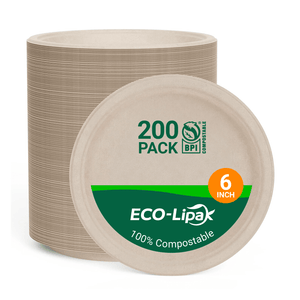
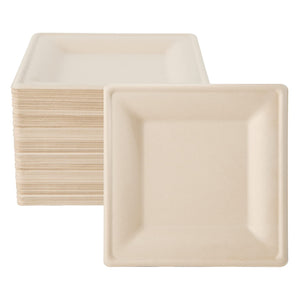
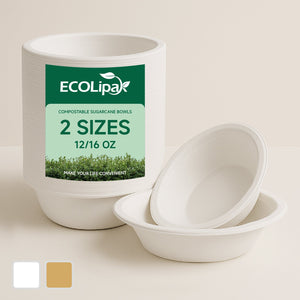
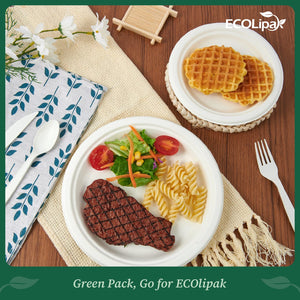
You know the frustration when a plate gives out under oily pizza or juicy barbecue. Ecolipak’s compostable sugarcae plates use oil-resistance science to stop soggy plate syndrome. The long fibers in sugarcane pulp form a sturdy barrier through wet pressing, so your plate stands strong—even with saucy tacos or hot pot. Many restaurants and catering services demand leak-proof, grease-resistant options, and you deserve the same at home. Ecolipak leads with a solution that is both eco-friendly and effective.
Key Takeaways
Ecolipak's sugarcane plates use oil-resistance science to prevent leaks and sogginess, making them ideal for oily foods.
The unique engineering of sugarcane fibers creates a strong barrier that keeps plates sturdy, even with juicy meals.
These compostable plates are eco-friendly, breaking down in 45-90 days and reducing landfill waste.
Ecolipak plates can handle hot foods up to 120°C (248°F) without warping or releasing toxins, ensuring safe dining.
Using Ecolipak plates simplifies cleanup, allowing you to enjoy meals without worrying about washing dishes afterward.
Oil-Resistance Science in Tableware
What Is Oil-Resistance?
Oil-resistance science helps you enjoy your meal without worrying about leaks or soggy plates. When you serve oily foods, like fried chicken or cheesy pizza, you need a plate that keeps oil from soaking through. Oil-resistance means the plate can block oil and grease, keeping your hands and table clean.
Ecolipak uses oil-resistance science by engineering sugarcane fibers to form a strong barrier. During wet pressing, the long fibers in sugarcane pulp stay upright and close together. This process creates a natural shield that stops oil from passing through. You can see the difference when you use Ecolipak plates for juicy tacos or a hot pot feast. The plate stays sturdy and dry, even with the messiest foods.
Let’s look at how different materials compare:
Material Type |
Oil Resistance |
Strength Level |
|---|---|---|
Moderate |
Meets basic food storage needs |
|
Sugarcane Tableware |
High |
Strong, suitable for hot foods |
Sugarcane tableware stands out because oil-resistance science makes it both strong and reliable.
Why Oil-Resistance Matters for Meals
You want your meal to be enjoyable from the first bite to the last. Oil-resistance science keeps your plate from getting soggy or falling apart. This matters most when you serve foods with lots of oil or sauce. Without oil-resistance, plates can leak, break, or even make a mess on your table.
Ecolipak focuses on oil-resistant solutions so you can trust your plate at every meal. You get a product that holds up under pressure, whether you’re eating at home or hosting a party. Oil-resistance science means you spend less time worrying about cleanup and more time enjoying your food. With Ecolipak, you choose a plate that works hard for you and the planet.
Sugarcane Fiber Engineering Explained
How Sugarcane Fibers Are Processed
You might wonder how a plant like sugarcane turns into a sturdy, oil-resistant plate. The answer lies in both science and smart engineering. When you use Ecolipak’s Compostable Sugarcane Plates, you benefit from a process that transforms raw sugarcane bagasse into a high-performance material.
First, manufacturers collect the leftover fibers from sugarcane after juice extraction. These fibers, called bagasse, are rich in cellulose and have a natural strength. To prepare them for tableware, engineers clean and treat the fibers. They use physical and chemical methods to improve the fibers’ properties. For example, alkaline treatments increase the surface roughness of the fibers and remove impurities. This step helps the fibers bond better and reduces their ability to absorb water and oil.
Here’s a quick look at the main processes used to engineer sugarcane fibers for tableware:
Process Type |
Description |
|---|---|
Internal Additive Systems |
Fluorine-free grease- and water-resistance chemistry added during molded fiber production. |
External Barrier Systems |
Separate films or coatings, but most improvements come from integrated chemistry within the fiber. |
Fiber Structure and Processing |
Careful engineering of fiber structure and processing conditions to achieve strong, oil-resistant plates. |
Ecolipak uses advanced wet pressing technology. This process presses the fibers together under heat and pressure. The long fibers stay upright and close together, forming a dense network. This structure is key to making the plate strong and resistant to oil and moisture.
Creating Oil-Resistant Surfaces
You need a plate that stands up to juicy tacos or a steaming bowl of hot pot. Ecolipak’s engineering makes this possible. The secret lies in how the sugarcane fibers are arranged and treated.
When the wet pressing process shapes the plate, the long fibers in the sugarcane pulp remain upright. This upright structure creates a natural barrier. Oil and water have a hard time moving through the dense, vertical fiber network. The plate stays dry and sturdy, even when you serve oily or saucy foods.
Chemical treatments, like acetylation or mercerization, further improve the fibers. These treatments reduce the number of groups in the fibers that attract water. They also help the fibers bond more tightly, making the plate even more resistant to leaks.
Here’s how these treatments help:
Evidence Description |
Findings |
|---|---|
Alkaline treatment of sugarcane bagasse fibers |
Increases surface roughness, reduces hydrophilic groups, and removes impurities, enhancing fiber properties for polymer composites. |
Chemical modifications (e.g., acetylation, mercerization) |
Decrease moisture absorption, improve fiber shape, and enhance bonding with polymer matrices. |
Removal of surface impurities |
Improves wetting between polymers and fibers, potentially leading to stronger interfacial bonding. |
You might face challenges when using plates at outdoor events or buffet lines. Heat, humidity, and oily foods can test any tableware. Low-density plant fibers can absorb liquids, which weakens the plate. Ecolipak solves this by using the right pressing technology and fiber composition. The result is a dense fiber matrix that slows oil migration and keeps your plate strong.
Tip: Next time you serve a saucy dish, notice how Ecolipak’s plate stays firm and leak-free. That’s the power of sugarcane fiber engineering at work.
Ecolipak’s Compostable Sugarcane Plates combine smart chemistry and precise engineering. You get a plate that protects your meal and the planet—without any soggy surprises.
Preventing Soggy Plates with Ecolipak
Blocking Oil and Moisture
You want your plate to stay strong, even when you serve oily or juicy foods. Ecolipak plates use smart science to block oil and moisture. The secret starts with the long fibers in sugarcane pulp. When manufacturers press these fibers together while they are wet, the fibers stay upright and close. This creates a tight barrier that oil and water cannot pass through easily. You can see this in action when you serve juicy tacos or a hot pot meal. The plate does not get soggy or leak.
Ecolipak also uses water retention agents to make the barrier even stronger. These agents help the plate hold back oil and water. Special coatings, like water-based Aqualene 5000 and 5050, add another layer of protection. These coatings resist oil, grease, and moisture. You get a plate that stays dry and clean, even with messy foods.
Here are some ways Ecolipak plates block oil and moisture:
Water retention agents create a shield that keeps liquids from soaking through.
Special coatings act as barriers against oil and water.
Multi-layer construction adds strength and helps the plate keep its shape.
Pressing the layers together forms a dense structure that resists bending and breaking.
You can trust your plate to handle heavy, saucy foods without falling apart. This means less mess and more fun at your meal.
Enhancing Water-Holding Capacity
Water-holding capacity is important for any plate you use with wet or oily foods. Ecolipak plates focus on improving water-holding capacity by using advanced engineering and water retention agents. These agents help the plate absorb less water, so it stays firm and does not weaken.
The multi-layer design of the plate also helps. Each layer works with the others to keep the plate strong. When you pick up a plate full of barbecue or pasta, you notice it does not sag or tear. The plate holds its shape because of the dense fiber network and the water retention agents inside.
You benefit from this technology every time you eat. The plate stays sturdy from the first bite to the last. You do not have to worry about leaks or soggy spots. Water retention agents and smart design work together to give you a reliable plate.
Tip: Next time you serve a meal with lots of sauce or oil, notice how your Ecolipak plate stays dry and strong. That is the result of water retention agents and high water-holding capacity.
Ecolipak’s focus on improving water-holding capacity means you get a plate that performs well, even with the messiest foods. You enjoy your meal without worrying about cleanup or waste.
Comparing Ecolipak Plates to Traditional Options
Oil-Resistance and Durability
You want plates that do not leak or collapse when you serve oily foods. Ecolipak’s compostable sugarcane plates use a special food design. The long fibers in sugarcane pulp stay upright after wet pressing. This creates a natural barrier that blocks oil and moisture. You can serve juicy tacos or a hot pot feast without worrying about soggy plates.
Let’s look at how Ecolipak plates compare to traditional options:
Feature |
Traditional Paper Plates |
|
|---|---|---|
Oil Resistance |
Excellent |
Poor |
Temperature Tolerance |
Up to 120°C (248°F) |
Limited |
Structural Integrity |
Rigid, does not bend |
Often collapses under weight |
You see that Ecolipak plates offer better oil-resistance and strength. The food design focuses on keeping your meal safe and your table clean. Traditional paper plates often fail with oily or heavy foods. Plastic plates may hold up, but they do not support eco-friendly food production.
When you choose Ecolipak, you support a food production method that values both performance and the environment. The upright fiber structure is a result of advanced food design, making these plates reliable for any meal.
Performance with Hot and Oily Foods
You need plates that perform well with hot soups, grilled meats, or saucy dishes. Ecolipak plates handle high temperatures and oily foods without losing shape. They do not warp or leach chemicals, so you can trust them for safe food quality. You can pour hot soup or serve greasy barbecue, and the plate stays strong for about 1.5 hours.
Many customers share their experiences. One user said, “We served spicy noodles and fried chicken at our family picnic. The plates did not leak or bend. Cleanup was easy, and everyone loved the eco-friendly food design.” Another customer used Ecolipak plates for a food production event. They noticed the plates stayed sturdy, even with oily stir-fry and hot pot.
Ecolipak plates cost a bit more than paper or plastic, but you get high food quality and eco-friendliness. Here is a quick look at price and sustainability:
Plate Type |
Typical Price per Plate |
Eco-Friendliness |
|---|---|---|
Plastic |
$0.05 – $0.12 |
Low |
Paper |
$0.06 – $0.15 |
Moderate |
Fiber (Sugarcane) |
$0.12 – $0.25 |
High |
You make a smart choice for food production and the planet when you pick Ecolipak. The food design ensures your plate stands up to any meal, hot or cold, oily or dry.
Tip: Next time you plan a meal with lots of sauce or oil, try Ecolipak plates. You will see the difference in food quality and cleanup.
Everyday Benefits for Consumers
Convenience and Cleanup
You want your meals to be easy and stress-free, especially when you host a party or family gathering. Ecolipak’s plant-based plates make cleanup simple. After you finish eating, you can toss the plate into a compost bin. The plant-based materials break down within twelve weeks, returning nutrients to the earth and supporting sustainability. You do not need to spend time washing dishes or worry about leftover oil or water soaking through.
For large gatherings, plant-based sugarcane plates offer quick cleanup.
Compostable plates provide end-of-life convenience, making them a sustainable choice.
The plant-based pulp material is fully compostable, ensuring easy cleanup and eco-friendliness.
Users report that Ecolipak plates hold up under heavy or oily foods, reducing the need for dishwashing.
Many families appreciate the time saved during cleanup because they do not have to wash traditional dishes.
The compostable nature of these plates allows for easy disposal, minimizing cleanup efforts.
You benefit from technology that uses long sugarcane fibers to form a natural barrier. This barrier keeps water and oil from leaking, so your table stays clean. The biointelligence behind Ecolipak’s design means you can serve juicy tacos or hot pot without worrying about soggy plates.
Health, Safety, and Sustainability
Your health and safety matter every time you eat. Ecolipak plates use plant-based materials that are free from toxins and plastics. The plates meet strict safety standards, so you can trust them for your meals. Certifications show that these plates are safe and compostable:
Certification |
Description |
|---|---|
BPI |
Confirms compostability in commercial facilities |
ASTM D6400 |
Standards for compostable plastics |
EN 13432 |
European standard for compostable packaging |
OK Compost |
Certifies compostability in industrial composting |
USDA |
Ensures compliance with food safety standards |
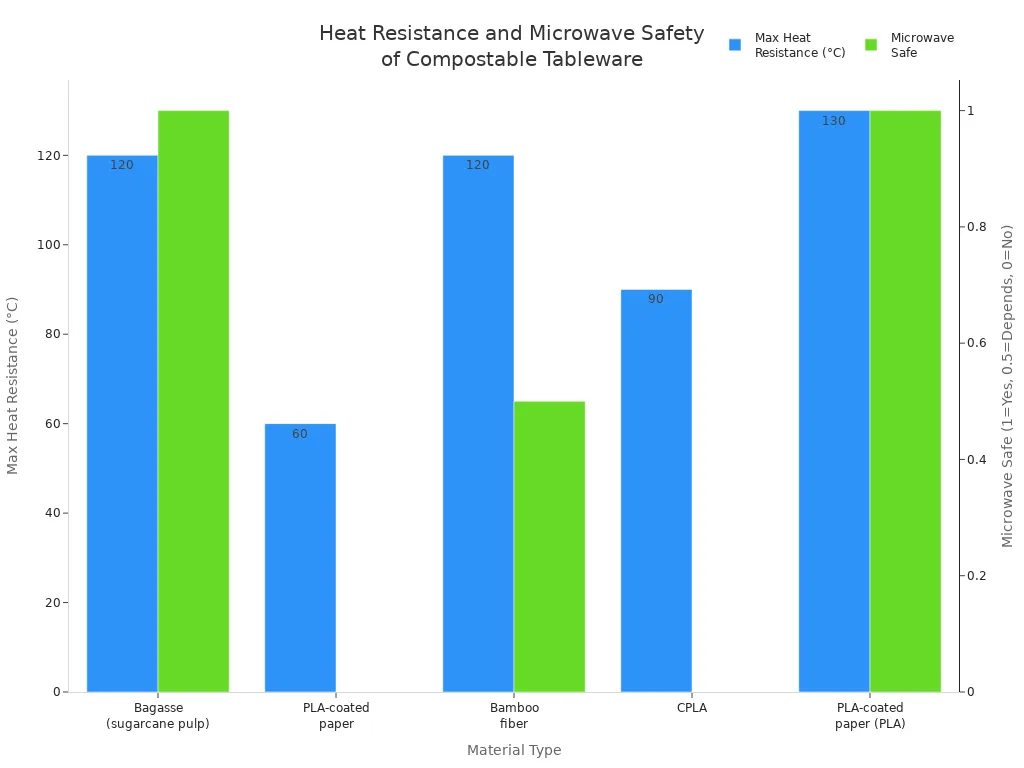
You can use these plant-based plates for hot or cold foods. The technology allows the plates to handle temperatures up to 120°C (248°F), so you can microwave them safely for short periods. The biointelligence in the design ensures that the plates remain sturdy and reliable.
Ecolipak’s commitment to sustainability goes beyond convenience. The plant-based materials come from upcycled sugarcane bagasse, which reduces the need for new raw materials. The plates decompose quickly and return to the earth without leaving toxins behind. This supports a cycle of sustainability and helps protect the environment.
Material |
Environmental Impact |
|---|---|
Sugarcane Bagasse |
Upcycled from waste, compostable, reduces need for raw materials, handles hot/cold food. |
PLA Bioplastics |
Lower greenhouse gas emissions (up to 60% less CO₂ than PET), non-toxic residues when composted. |
Bamboo Fiber |
Matches strength of plastics, decomposes quickly, lower carbon footprint due to CO₂ absorption. |
You can see how Ecolipak’s plant-based plates compare to other options in terms of heat resistance and microwave safety:
The biointelligence and technology in Ecolipak’s plant-based plates give you peace of mind. You support sustainability, protect your health, and enjoy easy cleanup—all in one plate.
You can trust Ecolipak’s Compostable Sugarcane Plates to keep your meals mess-free. The long fibers in sugarcane pulp form a natural barrier through wet pressing, so your plate stays upright and strong, even with juicy tacos or hot pot. These plates handle hot, oily foods without leaking or breaking.
Plates decompose in 45-90 days, reducing landfill waste and pollution.
Made from renewable bagasse, they support food safety and sustainability.
Families and event planners report sturdy, reliable performance at every meal.
Choose eco-friendly, high-performance tableware for a cleaner planet and a better dining experience.
FAQ
How do Ecolipak sugarcane plates stop oil from leaking through?
The long fibers in sugarcane pulp stay upright after wet pressing. This creates a tight, natural barrier. Oil and moisture cannot pass through easily, so your plate stays strong—even with juicy tacos or hot pot.
Are Ecolipak plates safe for hot and oily foods?
Yes! You can use these plates for hot, oily, or saucy foods. The sturdy design and oil-resistant barrier keep your plate from bending or leaking, even with high temperatures.
Can I microwave Ecolipak sugarcane plates?
You can safely microwave these plates. They handle heat up to 120°C (248°F) without warping or releasing toxins. Always use short heating times for best results.
What makes Ecolipak plates eco-friendly?
Ecolipak plates use 100% sugarcane fiber. They are compostable and break down in weeks. You help reduce plastic waste and protect the planet with every use.