Quick Answer: PFAS-free disposable tableware is a better choice when you want plates, bowls, cups, or cutlery that avoid intentionally added PFAS coatings. Before buying, check the product page for material, PFAS-free or BPA-free claims, food use limits, and whether the item fits your disposal plan. Do not rely on broad eco-friendly wording alone.
PFAS-free tableware is not just a buzzword for buyers who serve food. It affects how you evaluate grease resistance, coatings, material claims, and whether a disposable product fits the food you plan to serve. The practical question is simple: what is touching the food, and what does the product page actually say?
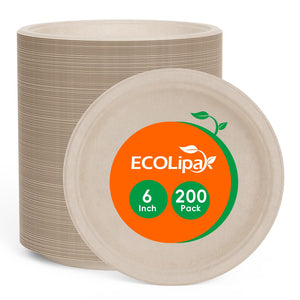
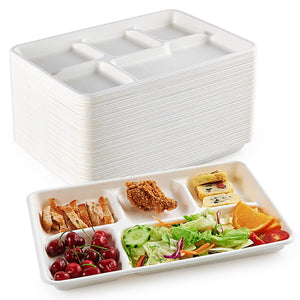
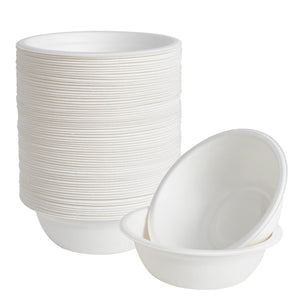
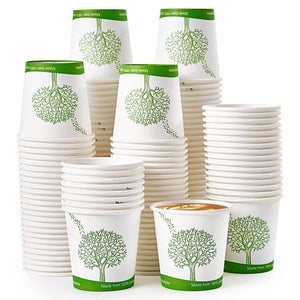
ECO-Lipak product pages identify options such as PFAS-free sugarcane plates, sugarcane bowls, compartment plates, paper compostable cups, and CPLA compostable cutlery. Use those product facts instead of guessing from category names.
Editor image note: 4:3 body images are pending upload before publish.
- 4:3 image 1 after checklist: office lunch table with sugarcane plates, bowls, cups, and cutlery in use.
- 4:3 image 2 before material section: close-up product layout showing plate, bowl, cup, and cutlery surfaces, no labels.
- 4:3 image 3 before FAQ: catering prep scene with PFAS-free style tableware and saucy foods.
What PFAS-Free Means for Tableware Buyers
PFAS are a large group of chemicals used across many product categories. The FDA PFAS overview explains that PFAS may enter food through different pathways, including some food contact uses. For disposable tableware buyers, the key issue is whether the food-contact item relies on PFAS-based grease or water resistance.
The FDA has also discussed authorized uses of PFAS in food contact applications. That does not mean every disposable plate contains PFAS. It means buyers should look for specific product claims and avoid vague assumptions.
PFAS-Free Tableware Buying Checklist
| Check | Why it matters | What to do |
|---|---|---|
| PFAS-free claim | Supports food-contact confidence | Read the product title, description, and specs |
| BPA-free claim | Matters for cups, lids, cutlery, and some food-contact items | Confirm on the product page |
| Material | Sugarcane, paper, PLA, CPLA, palm leaf, or bamboo behave differently | Match material to food and temperature |
| Food type | Hot, oily, wet, or saucy foods stress tableware differently | Use bowls or compartment plates when needed |
| Disposal route | Compostability depends on local facility acceptance | Check local rules before making disposal claims |
Best Product Directions by Meal Type
For hot meals and buffets, start with sugarcane plates or sugarcane compartment plates. The compartment format is especially helpful when food includes dressing, sauce, rice, or sides that should stay separate.
For soups, salads, rice bowls, and saucy foods, sugarcane bowls are usually a better fit than flat plates. For drink service, check whether the product is designed for hot drinks, cold drinks, or both before choosing paper compostable cups.
For utensils, CPLA compostable cutlery is a practical choice when you need forks, knives, and spoons for hot-food service. Always match the utensil type to the menu rather than buying one mixed set for every use case.
Avoid Greenwashing Traps
Terms like green, eco-friendly, natural, and sustainable can be too broad if they are not backed by specific facts. The FTC Green Guides summary says environmental claims should be specific and supported. For a tableware buyer, that means checking material, certifications, food-use limits, and disposal instructions before treating a product as the right fit.
For compostability, certification and local acceptance are separate questions. The BPI certification page can help explain compostable product certification, while your local facility decides what it accepts. A product can be a good tableware choice and still require a specific composting route.
A Practical Setup for Events and Offices
| Scenario | Suggested tableware mix | Why |
|---|---|---|
| Office lunch | Sugarcane plates, bowls, paper cups, CPLA cutlery | Covers meals, drinks, and utensils without overcomplicating purchasing |
| Buffet with sauces | Compartment plates, bowls, napkins, cutlery | Keeps wet and dry foods separated |
| Coffee station | Paper cups, lids if needed, napkins | Keeps drinkware separate from meal service |
| Outdoor event | Palm leaf or sugarcane plates, cutlery, trash/compost bags | Supports serving and cleanup planning together |
If you are building a complete setup, start from ECO-Lipak plates and add cups, bowls, cutlery, and bags around the menu. For brand context and product standards, read About ECO-Lipak.
FAQ
What does PFAS-free disposable tableware mean?
PFAS-free disposable tableware means the product is presented as avoiding intentionally added PFAS. Buyers should still check the product page for the exact claim and use limits.
Is PFAS-free the same as compostable?
No, PFAS-free and compostable are different claims. PFAS-free relates to chemical treatment, while compostable relates to end-of-life conditions.
Is BPA-free important for disposable tableware?
Yes, BPA-free can matter for food-contact confidence, especially for cups, lids, and cutlery. Check each product page rather than assuming by category.
Which material is best for PFAS-free plates?
Sugarcane plates are a practical starting point when the product page states PFAS-free. Palm leaf plates can be a good event option when presentation matters.
Can PFAS-free compostable tableware go in any compost bin?
No, composting acceptance depends on your local program. PFAS-free does not automatically mean home compostable or accepted by every facility.
Related Products


Recommended Reading
- How to Choose PFAS-Free & BPA-Free Tableware — Existing safety-focused guide to strengthen before publish.
- Palm Leaf Plates vs Sugarcane Plates — Material comparison for event buyers.
- Compostable Plate Size Guide — Sizing and quantity planning.
- Bamboo vs Sugarcane Compostable Plates and Cutlery — Broader material comparison.