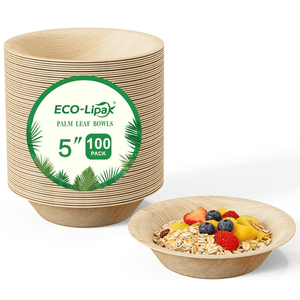
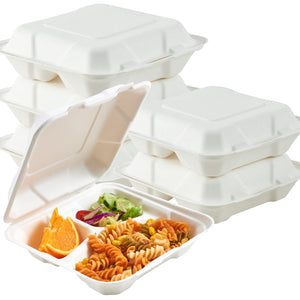
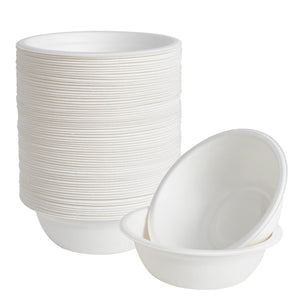
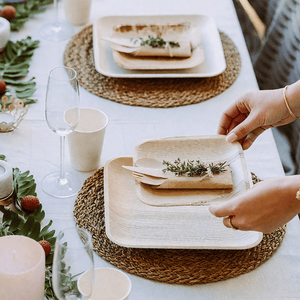
You can support eco-friendly buffet practices when you choose modular palm leaf bowls and plates from Ecolipak. Tableware design helps you manage Portion Control and reduces food waste at events. Eco-friendly plates give you a practical way to protect the environment while showing your commitment to sustainability. You improve guest experience and boost your business reputation with eco-friendly options.
Make the switch to eco-friendly tableware and see the difference for yourself.
Key Takeaways
Choose eco-friendly palm leaf plates to reduce food waste and support sustainability at your events.
Smaller plates encourage portion control, helping guests take only what they need and minimizing waste.
Implement modular tableware to offer customizable portions, improving guest experience and buffet efficiency.
Educate guests about the benefits of eco-friendly tableware and set up composting stations to promote zero waste.
Switching to sustainable tableware can lead to significant cost savings and a positive return on investment for your business.
Food Waste in Buffets
Why Traditional Plates Increase Waste
You see a lot of food waste at buffets. Traditional plates often cause this problem. When you use large plates, you tend to take more food than you can finish. This leads to extra food waste. Studies show that hotel breakfast buffets create about 300 grams of food waste per person. In comparison, à la carte meals only produce 130 grams. That means traditional buffet plates can lead to 2.3 times more food waste than portion-controlled options.
Buffets lead to significant plate waste because people often serve themselves more than they can eat.
Kitchens prepare too much food to meet expected demand, which adds to the waste.
Many diners leave food behind, especially when plates are large.
An experiment at a hotel buffet found that reducing plate size from 24 cm to 21 cm cut food waste by almost 20%. Smaller plates help you take only what you need. This change happens because you feel less pressure to fill a big plate.
The Impact of Portion Control
Portion control makes a big difference in reducing food waste. When you use eco-friendly, portion-sized plates, you help guests take the right amount of food. This not only lowers food waste but also improves the dining experience.
Statistic |
Description |
|---|---|
70% |
Nearly 70% of restaurant food waste comes from what diners leave on their plates. |
60% |
Almost 60% of consumers would be more likely to visit a restaurant that offers customizable portions. |
50% |
Nearly half of consumers were surprised by portion sizes, indicating a mismatch between expectations and servings. |
33% |
A third of consumers wished their meal had been smaller, suggesting a desire for portion control. |
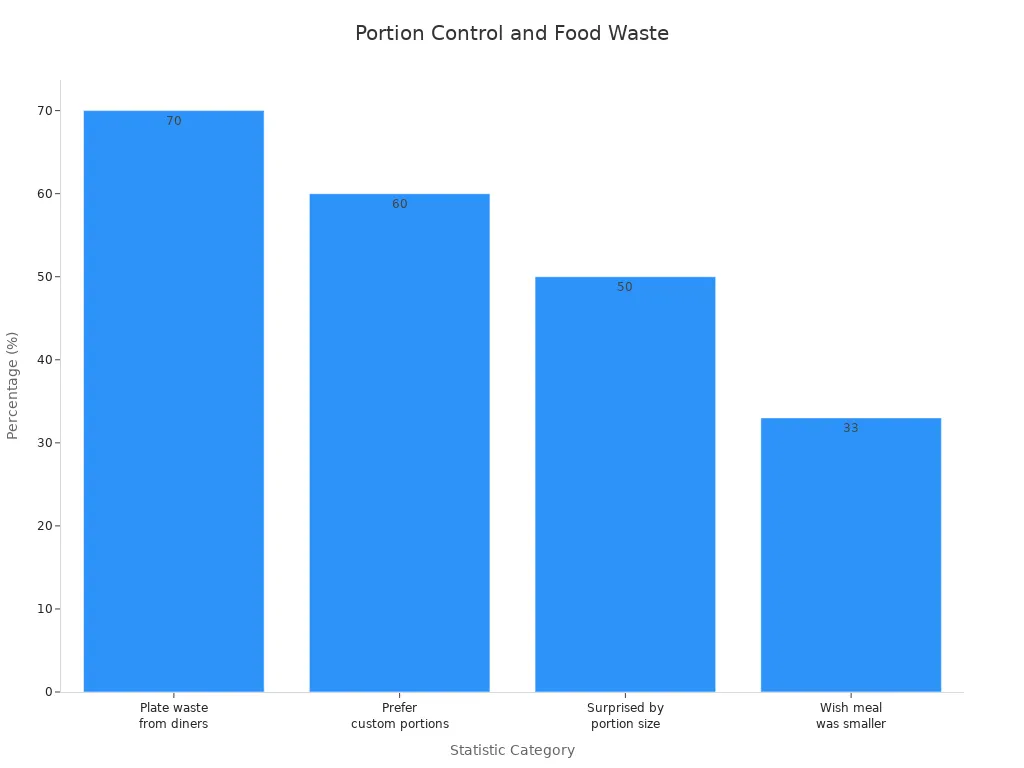
You can choose eco-friendly tableware to help solve the buffet food waste problem. Eco-friendly plates support portion control and make your event more sustainable. When you align portion sizes with what guests want, you reduce food waste and create a better experience for everyone.
Eco-Friendly Solutions with Ecolipak
Palm Leaf Plates for Sustainable Dining
You can make a big difference for the environment when you choose palm leaf plates for your next event. These plates come from naturally fallen leaves, so you help protect trees and reduce waste. Areca palm leaf tableware stands out because it is biodegradable and compostable. You do not have to worry about toxins or microplastics. The plates break down in just a few months, unlike plastic plates that can last for centuries.
Here is how palm leaf plates support a cleaner planet:
Benefit |
Description |
|---|---|
Completely Biodegradable & Compostable |
Decomposes naturally within 60–90 days, leaving no toxins or microplastics behind. |
No Chemicals, Just Nature |
Made from naturally fallen leaves with minimal processing, ensuring safety for consumers and the environment. |
A Step Toward a Circular Economy |
Contributes to a closed-loop system, turning waste into nutrient-rich compost instead of landfills. |
Encouraging Responsible Consumption |
Reduces carbon footprint and plastic waste, aligning with global sustainability goals. |
Areca palm leaf tableware uses a simple process. The leaves are collected, cleaned, and pressed into shape. No chemicals or additives are used. This makes the tableware safe for you and the earth. You support responsible consumption and help move toward a circular economy.
Compostable Square Palm Leaf Plate Features
Ecolipak’s compostable square palm leaf plates offer more than just eco-friendly dining. These plates are sturdy, leak-resistant, and microwave safe. You can use them for hot or cold foods at any event. Areca palm leaf tableware gives you a natural look that adds elegance to your buffet.
Let’s compare how fast these plates break down:
Tableware Type |
Decomposition Time |
|---|---|
Compostable Palm Leaf |
A few months |
Plastic Plates |
Hundreds of years |
You can see that biodegradable tableware like palm leaf plates helps reduce landfill waste quickly. Areca palm leaf tableware also holds important certifications. Ecolipak plates meet standards like BPI, CMA, and TÜV AUSTRIA for compostability. They also carry the FSC and DIN EN 13432 labels, showing they come from responsible sources and break down safely.
When you choose areca palm leaf tableware, you get a product that is eco-friendly, biodegradable, and compostable. You help create a cleaner planet and show your guests that you care about sustainability.
Portion Control by Design
Modular Tableware and Serving Sizes
You can shape a sustainable buffet by choosing modular tableware. This approach gives you control over customizable portions and helps you manage food more efficiently. Modular tableware comes in different sizes and shapes, which lets you offer flexible portion sizes for every dish. You can use small plates for appetizers and larger ones for main courses. This method supports portion flexibility and makes your buffet look organized.
Here is how modular tableware supports accurate portion control at buffets:
Feature |
Explanation |
|---|---|
Different sized food pans |
You can organize and present food better, guiding guests in their portion choices. |
Smaller pans |
You offer a variety of options without overcrowding, making portion control easier. |
Visual hierarchy |
You create cues for guests, showing which dishes are main courses and which are sides. |
Matching food volume to guests |
You reduce waste and keep the serving line moving smoothly, improving buffet efficiency. |
When you use modular tableware, you help guests make better choices. You also make it easier for staff to refill dishes and keep the buffet looking fresh. This system supports sustainable practices and reduces the environmental impact of your event.
Reducing Food Waste with Plate Design
The design of your tableware plays a big role in portion control and food waste reduction. You can use customizable portions to guide guests toward taking only what they need. Different plate sizes influence how much food people serve themselves. Small plates encourage guests to take less, which leads to less waste. Proper plate dimensions also make food look appealing without making plates seem empty or crowded.
Different plate sizes dictate food portions and affect how much is served.
Meal presentation shapes how guests view and consume food.
The right plate size prevents food from looking cramped or sparse, improving the dining experience.
Many people think buffets manage themselves, but that is not true.
Buffets may look casual, but they are far from self-managing. Without trained staff on-site, dishes sit empty, lines stretch too long, and confusion builds around portions and flow.
You can avoid these problems by using sustainable tableware that supports portion control and portion flexibility. Studies show that using small plates can reduce food waste by almost 20%. Signage and visual cues at buffets can also cut waste by over 20%. Here is a table showing the impact of portion-conscious plate designs:
Study Title |
Findings |
Reduction in Food Waste |
|---|---|---|
Customizable Portions: A Cost-Conscious Approach to Reducing Plate Waste |
Nearly 70% of restaurant food waste comes from uneaten food. |
Not specified |
Small Plates, Big Impact |
Reducing plate size led to a 19.5% reduction in food waste. |
19.5% |
Social Cues Impact |
Signage at buffet led to a 20.5% reduction in food waste. |
20.5% |
When you use sustainable tableware with customizable portions, you not only help the environment but also save money. Reducing food waste through portion control can lower your costs by 15-25% in the first year. You spend less on food, pay lower disposal fees, and improve staff productivity. Many businesses see a positive return on investment within 12 to 18 months, with annual savings often over $15,000 per location. These savings help you invest in a sustainable future.
Evidence Type |
Details |
|---|---|
Cost Reduction |
15-25% reductions in per-meal costs within the first year of program implementation. |
Direct Savings |
Reduced food purchasing, lower disposal fees, and decreased labor costs for waste handling. |
Indirect Benefits |
Improved efficiency, better staff productivity, and lower compliance costs. |
ROI |
Positive ROI within 12-18 months, with annual savings often exceeding $15,000 per location. |
Initial Investment |
$2,000 to $8,000 per kitchen location for training and system modifications. |
Avoided Costs |
Fewer fines for waste violations, lower insurance premiums, and better supplier relationships. |
You can see that sustainable tableware and portion optimization are not just good for the planet. They also make sense for your business. When you plan for the future, you help create a world where sustainable choices are the norm. You set an example for others and show that eco-friendly events are possible. With the right tableware, you can offer customizable portions, support portion flexibility, and build a sustainable future for your guests and your business.
Zero Waste Catering in Practice
Implementing Ecolipak at Events
You can achieve zero waste catering by following a few simple steps. Start by choosing a green caterer who values eco-friendly event planning. Educate your guests about the benefits of using eco-friendly alternatives like Ecolipak palm leaf plates. Set up composting stations at your event so guests know where to dispose of their plates and cutlery. Work with your venue to make sure they support your zero waste catering goals. Add other sustainable alternatives, such as compostable cups and napkins, to complete your eco-friendly event planning.
Here are the main steps for zero waste catering success:
Choose a green caterer.
Educate your guests about eco-friendly tableware.
Set up composting stations.
Coordinate with your venue.
Consider other sustainable alternatives.
Caterers sometimes worry about cost, quality, or convenience when switching to eco-friendly event planning. You can overcome these challenges by focusing on the long-term savings and the high quality of modern compostable solutions. The table below shows common concerns and how you can address them:
Challenge |
Solution |
|---|---|
Cost concerns |
Highlight long-term economic benefits of eco-friendly options. |
Misconceptions about quality |
Ensure modern sustainable products meet or exceed traditional standards. |
Myths about aesthetics and convenience |
Address aesthetic and convenience concerns to shift perceptions. |
Customer Success Stories
Many event organizers have shared positive feedback after using Ecolipak palm leaf plates for zero waste catering. You will find that these plates are sturdy and reliable for all types of foods. Guests enjoy the natural, luxury design, which adds elegance to your event. Companies value the sustainability and reduced waste, helping them meet their corporate social responsibility goals. Positive feedback from guests and clients boosts your brand image and supports eco-friendly event planning.
Users often report that the plates resist cuts and damage, even with heavy or sharp utensils. The plates handle hot, saucy, or greasy foods without bending or leaking. One customer used Ecolipak plates for a barbecue and found them strong enough for burgers, salads, and even ice cream cake. The natural look of the plates impressed guests and made the event feel special. You can trust Ecolipak as a compostable solution that helps reduce waste and supports a sustainable future.
You improve your buffet’s sustainability when you use Ecolipak’s palm leaf plates. These plates help you manage portions and reduce waste. You support eco-friendly events and inspire guests to make greener choices.
Benefit |
Description |
|---|---|
Durability |
Plates stay strong with heavy or hot foods. |
Compostability |
Plates break down in weeks, helping composting efforts. |
Portion Control |
Small plates encourage sharing and prevent overeating. |
Eco-Friendly |
Plates turn fallen leaves into useful products. |
You simplify cleanup and lower your carbon footprint.
You find guides and product tips on the Ecolipak website.
Visit Ecolipak to discover more sustainable tableware for your next event.
FAQ
Are Ecolipak palm leaf plates safe for hot and cold foods?
You can use Ecolipak palm leaf plates for both hot and cold foods. The plates stay sturdy and do not leak. You can even use them in the microwave or refrigerator.
How do I dispose of palm leaf plates after my event?
You can place used palm leaf plates in a compost bin. The plates break down naturally in a few months. This helps you reduce landfill waste and support a greener planet.
Do palm leaf plates have any chemicals or coatings?
Ecolipak palm leaf plates contain no chemicals, dyes, or coatings. You get a natural product made from fallen leaves. The plates are safe for you and the environment.
Can I use palm leaf plates for formal events?
You can use palm leaf plates for weddings, banquets, or business events. Their unique look adds elegance to any table. Guests often notice the natural patterns and appreciate your eco-friendly choice.