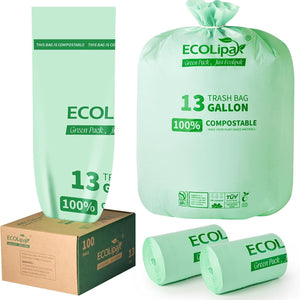
You want healthier seedlings this spring, right? Try the spring germination hack using biodegradable compostable trash bags as liners. These liners help keep soil moist and protect roots, boosting seed starting success. Biodegradable liners reduce landfill waste and improve soil health. Ecolipak makes eco-friendly gardening easy for everyone.
Key Takeaways
-
Use compostable liners to keep soil moist and protect roots. This boosts seed starting success and reduces plastic waste.
-
Choose high-quality compost for your seedlings. Well-matured compost provides essential nutrients and supports healthy growth.
-
Check your seed trays for proper drainage. Good drainage prevents waterlogging and root rot, ensuring your seedlings thrive.
Moisture Matters for Seedlings
Preventing Dry Soil
You want your seedlings to thrive, so keeping the soil from drying out is key. Dry soil can stop seeds from sprouting and slow down young plants. When you use compostable liners in your seed trays, you help lock in moisture. This means your seeds get the steady hydration they need to start strong.
Here are a few simple tips to keep your seed starting mix just right:
-
Start with lightly wetted media before you sow your seeds.
-
Mist the surface after planting to keep it damp.
-
Cover trays with a humidity dome to hold in moisture without overwatering.
Using high-quality organic materials like compost or coconut coir also helps the soil hold water longer. This keeps the environment around your seeds stable and healthy.
Supporting Healthy Growth
Healthy seedlings need more than just water. They need the right balance of nutrients and good soil structure. Compostable liners work with your seed starting mix to keep moisture levels steady. This helps roots grow deep and strong.
You should always use well-matured compost. Unfinished compost can cause problems for your seedlings by taking away nitrogen or releasing harmful compounds. Good compost adds nutrients like nitrogen for green growth, phosphorus for roots, and potassium for strong stems and leaves.
Tip: Keep an eye on your trays every day. If the top looks dry, mist it lightly. Avoid soaking the soil, as too much water can lead to fungal issues.
With the right care, your seedlings will grow healthy and ready for transplanting outdoors.
Common Tray Challenges
Moisture Loss Issues
You might notice your seed trays dry out faster than you expect. This happens a lot, especially if you use plastic trays or thin containers. Dry soil can stop seeds from sprouting and slow down young plants. When you water, the moisture often escapes through the bottom or evaporates from the sides. Your seedlings get thirsty, and you end up watering more often.
Traditional trays also bring other problems. Many do not have enough drainage holes. Here are some common issues you might face:
-
Waterlogged soil that stays soggy for too long
-
Roots that start to rot because they sit in too much water
-
Fungal diseases that spread when the soil stays wet
Tip: Check your trays for proper drainage before you plant. If you see water pooling at the bottom, add a few small holes or use a liner that helps balance moisture.
Root Disturbance Risks
Roots need space to grow and breathe. When you transplant seedlings from regular trays, you often disturb the roots. This can shock your plants and slow their growth. Sometimes, roots get tangled at the bottom or sides of the tray. When you pull them out, you might break or tear them.
You want your seedlings to stay strong during transplanting. Using compostable liners can help. These liners let you lift out the whole root ball with less mess. Your seedlings move to the garden with less stress and a better chance to thrive.
Note: Healthy roots mean healthy plants. Try to handle seedlings gently and keep their roots together when you move them.
Spring Germination Hack: Compostable Liners
How Liners Work
You want your seeds to sprout strong and healthy. Compostable liners make this possible by creating the perfect environment inside your seed trays. These liners, like Ecolipak Compostable Trash Bags, fit right into your trays and help keep soil moist. The natural materials, such as cornstarch or sugarcane, break down safely in the environment. You protect your seedlings and the planet at the same time.
Here’s how compostable liners function in seed trays:
-
They lock in moisture, so your soil stays damp and your seeds don’t dry out.
-
The liners allow for proper drainage, which prevents mold and mildew from harming your seedlings.
-
You can use biodegradable liners to line your trays, making cleanup easy and reducing landfill waste.
-
The liners decompose naturally, so you can plant your seedlings directly into the ground with the liner, avoiding plastic waste.
If you want a unique spring germination hack, try slipping a small compostable trash bag over your seedling pots. This creates a mini greenhouse effect. Your seeds get extra warmth and humidity, which boosts germination. When your seedlings are ready, you can plant them straight into your garden with the bag. The liner breaks down in the soil, so your plants grow without plastic pollution.
Benefits for Seedlings
You want your seedlings to grow fast and strong. Compostable liners give your seeds the best start. They help keep soil moist, which is key for seed starting. Your trays stay cleaner, and your plants face less stress when you transplant them.
Let’s look at some scientific findings:
|
Evidence Type |
Findings |
Implications |
|---|---|---|
|
Seed Germination |
Composts from biodegradable materials showed equal or higher germination. |
Compostable liners support better seedling outcomes. |
|
Seedling Development |
Composts with starch or paper trays supported good seedling growth. |
Liners enhance seedling development. |
|
Biodegradation |
Starch and grass fiber liners biodegrade well in home composting. |
Liners integrate easily into compost systems. |
You get more benefits compared to plastic liners. Burlap, for example, is biodegradable and breathable, so it reduces environmental impact. Plastic liners hold moisture but stick around in landfills. Compostable liners combine moisture retention with eco-friendly disposal.
Here are some practical tips for using compostable liners as your spring germination hack:
-
Cut your compostable liner or trash bag to fit your seed trays or pots.
-
Make small slits in the bottom for drainage and airflow.
-
Fold the edges to create a snug fit, so soil stays in place and roots can push through.
-
Mist the soil lightly and cover with the liner to keep humidity high.
-
When your seedlings are ready, plant them directly into the ground with the liner.
Tip: Use compostable liners for seed starting to make transplanting easier. Your seedlings move with less root disturbance, and your garden stays plastic-free.
You help your seeds sprout, your seedlings grow, and your plants thrive. Compostable liners make gardening easier and greener. Try this spring germination hack and see the difference in your seed trays and garden.
Using Compost for Seed Starting
Choosing Seed Starting Mix
You want your seedlings to grow strong, so picking the right seed starting mix matters. The mix you use can make a big difference for your seeds. A good seed starting mix should be light and fluffy. This helps seeds sprout and roots grow without trouble. You can find many types of mix at garden stores, but you can also try a diy seed starting mix at home.
Here’s a quick look at some seed starting essentials:
|
Criteria |
Description |
|---|---|
|
Seed Starting Mix |
Light, well-draining commercial blends |
|
Peat Pellets |
Convenient individual growing containers |
|
Rockwool Cubes |
Ideal for hydroponic transitions |
|
Organic Soil |
Light, amended potting soils for natural growing |
Many gardeners in the U.S. like to use a diy seed starting mix with peat moss, perlite, and compost. This mix holds water but drains well. You can also add worm castings to boost nutrients. If you want to try a diy seed starting mix, blend one part compost, one part peat moss, and one part perlite. Mix well before filling your pots.
Compostable Liner Integration
Now, let’s talk about how compostable liners fit into your seed starting mix routine. You can line your pots with a compostable bag before adding your diy seed starting mix. This keeps the mix together and makes transplanting easy. When you fill your pots, add your seed starting mix, then plant your seeds. The liner helps hold moisture in the mix, so your seeds stay damp.
When your seedlings are ready, you can move the whole pot, liner, and mix into the garden. The compostable liner breaks down in the soil, so your plants grow without plastic waste. Try using a diy seed starting mix in your pots for the best results. You can reuse your pots each season by adding fresh mix and a new liner. This method keeps your seed starting mix clean and your seedlings healthy. You help your seeds, your soil, and your garden thrive.
Step-by-Step: Compostable Liners in Trays
Tray Preparation
You start by picking sturdy seed trays for your seedlings. Lay an Ecolipak Compostable Trash Bag inside each tray. Cut the bag so it fits snugly. Make small holes in the liner for drainage. This step keeps soil from spilling and helps water flow out. Good drainage stops roots from sitting in soggy soil. You want airflow around your seeds, so don’t cover the holes.
Fill the trays with a sterile seed-starting mix. Avoid using raw compost at this stage. If you use compost, make sure it’s pasteurized and comes from a trusted source. The mix should feel light and fluffy. This helps roots breathe and grow.
Planting Seeds
Now you plant your seeds. Press them gently into the soil. Cover each seed with a thin layer of mix. You want the soil to stay loose so seedlings can push through. Choose a seed starting media with good porosity. This lets air reach the roots and keeps moisture balanced.
Here are best practices for planting seeds in trays lined with compostable materials:
-
Use a sterile mix to prevent disease.
-
Make sure compost is pasteurized.
-
Pick a mix with good porosity for root health.
Label your trays so you know which seeds you planted. Keep trays in a warm spot.
Watering and Care
Water your trays gently. Mist the soil so seeds stay moist but not soaked. Seedling watering works best with a spray bottle. Check trays daily. If the soil dries out, add more water. Too much water can cause mold. You want your seedlings to grow strong.
Eco-friendly practices help your plants and the planet:
-
Use bags labeled ‘Home Compostable.’
-
Shred liners before adding them to compost.
-
Balance greens and browns in your compost pile.
-
Turn compost often for better breakdown.
Your seedlings will thrive in trays lined with compostable bags. You help your seeds sprout, your plants grow, and your garden stay green.
Eco-Friendly Solutions with Ecolipak
Compostable Trash Bags for Seedlings
You want your seedlings to grow strong and healthy. Ecolipak compostable trash bags make it easy to create biodegradable seedling pots right at home. You can roll down the top of the bag to form a sturdy pot shape. Fill it two-thirds full with moist compost and seed-starting mix. Plant your seeds at the depth shown on the packet. Place your biodegradable pots in a sunny spot and keep the soil moist. These bags work well for both indoor and outdoor gardening.
Ecolipak bags stand out from other brands. Take a look at this comparison:
|
Feature |
Other Brands |
|
|---|---|---|
|
Material |
Natural corn-based PLA |
Varies |
|
Decomposition Time |
3-6 months |
Varies |
|
Certifications |
BPI (ASTM D6400), OK Compost Home |
Varies |
|
Durability |
Leak-proof, odor-controlling |
Varies |
You get biodegradable pots that hold up during watering and transplanting. Your seedlings stay protected, and you help the planet by using compostable materials.
Environmental Impact
You care about the environment. Compostable liners offer big benefits over plastic. When you use biodegradable seedling pots, you reduce landfill waste. You make it easier to separate organic waste for compost. These liners break down faster and safer than plastic. Wildlife stays safer, and pollution drops.
-
Compostable liners lower greenhouse gas emissions by stopping methane from food waste in landfills.
-
Biodegradable pots protect wildlife and keep gardens cleaner.
-
You help your seedlings thrive and support a healthier planet.
Tip: Add used compostable liners to your compost pile. They break down quickly and enrich your soil for next season’s seedlings.
You make gardening greener and easier with Ecolipak. Try biodegradable seedling pots and compostable trash bags for your next planting project.
Transplanting Seedlings Safely
Minimizing Root Stress
You want your seedlings to thrive after transplanting. The way you move them from trays to the garden can make a big difference. Start by watering your seedlings well before you move them. Moist soil holds the seed roots together and helps prevent shock. When you lift each seedling, keep as much soil around the roots as possible. This protects the delicate seed structure and supports a healthy root system.
Here are some tips to help your seedlings adjust:
-
Water deeply right after planting. This settles the soil and removes air pockets around the seed roots.
-
Dig a hole just a bit wider and as deep as the root ball. Place the seedling at the same depth it grew in the tray.
-
Add a layer of mulch, about 2 to 3 inches thick, around your seedlings. Mulch keeps the soil moist, stops weeds, and keeps the temperature steady.
Tip: Handle each seedling gently by the leaves, not the stem. The stem can bruise easily, but leaves recover faster.
Seamless Transition Outdoors
Moving your seedlings outside can feel like a big step. You want them to grow strong and produce healthy plants. Start by hardening off your seedlings. Place them outside for a few hours each day, then bring them back in. Increase their time outdoors over a week. This helps your seeds adjust to sunlight, wind, and cooler nights.
When you plant your seedlings in the garden, space them out so each seed has room to grow. Give them plenty of water and check the soil often. If you see wilting, shade your seedlings for a few days. Soon, your seeds will settle in and start growing fast. With these steps, you help every seed become a strong, healthy plant.
Addressing Concerns
Safety for Edibles
You want to make sure your seedlings are safe to eat, especially if you plan to grow vegetables or herbs. Using compostable liners in your trays can help protect your soil and compost from contamination. Always check for third-party certification, like the BPI Certified logo, before you use a liner with edible plants. Certified liners break down in commercial composting conditions and leave no harmful residue. If you use non-certified liners, you risk plastic residue in your compost, which can affect your soil and seedlings.
Here’s a quick look at safety considerations:
|
Safety Consideration |
Implication |
|---|---|
|
Certification by a third party (e.g., BPI Certified logo) |
Ensures the product will break down in commercial composting conditions. |
|
Lack of certification |
May not break down properly, risking contamination of compost. |
|
Non-certified liners |
Can leave plastic residue and increase contamination in compost. |
Tip: Always choose liners with clear certification for your edible seedlings. You protect your soil and keep your compost clean.
Types of Liners
You have a few options when picking liners for your seedling trays. Each type works well for different gardening needs. Plant-based trays use materials like cornstarch, sugarcane, or bamboo. These trays break down quickly in compost and help lower your carbon footprint. Recycled material trays use paper or cardboard. They are durable, compostable, and help conserve resources.
-
Plant-based trays: Made from cornstarch, sugarcane, or bamboo. They break down fast in compost and support healthy soil.
-
Recycled material trays: Made from paper or cardboard. They last through the seedling stage and add organic matter to your compost.
You can pick the liner that fits your gardening style. Both types help your seedlings grow strong and keep your soil healthy. When you add used liners to your compost, you enrich your soil for next season’s seedlings.
You give your seedlings a healthy start and help the planet when you use compostable liners. Ecolipak’s bags let roots grow strong, and you can plant the whole bag with your seedlings.
-
Made from safe, compostable materials
-
Easy to use for seed starting
Try this spring germination hack and watch your seedlings thrive!
FAQ
Can I use Ecolipak compostable trash bags for all types of seedling trays?
Yes, you can use Ecolipak bags in most seedling trays. Just cut the bag to fit and make drainage holes.
How long do compostable liners take to break down in soil?
Compostable liners usually break down in 3–6 months. You help your garden stay green and plastic-free.
Are compostable liners safe for growing vegetables and herbs?
|
Safety Feature |
Ecolipak Bags |
|---|---|
|
BPA-Free |
✅ |
|
BPI Certified |
✅ |
|
Safe for Edibles |
✅ |