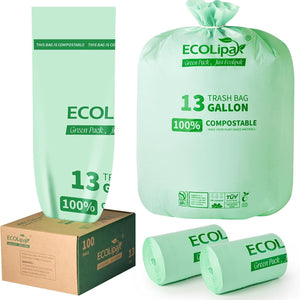
Do your compostable bags only ever see the inside of a kitchen compost bin? You might be missing out on their full potential. One simple, green product can solve multiple household problems beyond just holding your compost. With the world using 5 trillion plastic bags annually, every creative use helps.
Did You Know? The demand for sustainable options is growing fast!
Metric
Value
Global Compostable Packaging Market (2025)
USD 76.81 Billion
Annual Growth Rate (CAGR 2025-2032)
6.6%
At Ecolipak, we make sustainability easy. This article will reveal 5 surprising secrets for using our compostable trash bags all around your home.
Key Takeaways
-
Use compostable bags to line small trash cans in your home. This helps reduce plastic waste.
-
Store produce in compostable bags in the fridge. The bags breathe and keep food fresh longer.
-
Switch to compostable bags for pet waste. This helps the environment and reduces plastic pollution.
-
Use compostable bags as a kitchen tool. They can be a piping bag or a bin for food scraps.
-
Start seeds in compostable bags. You can plant the whole bag in the garden, which helps plants grow better.
1. Line Small Bins with Compostable Bags
Think about the small trash cans in your bathroom, office, or bedroom. They probably have a plastic liner, right? Making the switch to compostable bags in these bins is one of the easiest ways to cut down on your household plastic waste. This simple change encourages a greener mindset and makes your regular cleaning tasks more sustainable.
A Greener Bathroom and Office
Lining your small bins with Ecolipak bags makes waste disposal cleaner and greener. Our bags are durable and tear-resistant, so you don’t have to worry about messy leaks from damp tissues or paper towels. This also reduces the need for frequent bin cleaning.
Better yet, you can often compost the entire bag and its contents together. Many common items from these rooms can go straight into the compost.
What can you compost from your office and bathroom?
Paper towels (if used without chemical cleaners)
Tissues and toilet paper rolls
Shredded paper
Paper with non-toxic ink
Always check with your local composting facility to confirm their rules before you compost these items.
How to Make the Switch
Ready to change your household routine? Making the switch is simple. Just start using Ecolipak compostable bags instead of plastic ones for any remaining waste after you recycle. This small step makes a big difference. It helps you manage waste responsibly and keeps your home tidy.
Here’s how you can make your cleaning even more eco-friendly:
-
Use natural ingredients like baking soda to deodorize rugs before vacuuming.
-
Wipe up spills with compostable paper towels.
-
Toss the contents and the bag into your municipal compost bin.
This process simplifies your cleaning and helps you contribute to a healthier planet. You can even use natural methods to deodorize the bin itself between bag changes.
2. Keep Produce Fresh in the Fridge
You know the feeling—you buy fresh, crisp lettuce or a vibrant bunch of cilantro, and just a few days later, it’s a slimy, wilted mess in a plastic bag. The culprit is often trapped moisture. Switching to a compostable bag for produce storage can be a game-changer for reducing food waste and freshening up the fridge.
The Breathable Bag Benefit
Unlike traditional plastic bags that trap air and moisture, Ecolipak compostable bags are breathable. This unique quality comes from their plant-based PLA material, which allows excess moisture and ethylene gas—the natural compound that speeds up ripening—to escape. This helps prevent the humid environment where bacteria and mold thrive, keeping your greens crisp and your veggies firm for longer.
This breathability also helps to naturally deodorize your crisper drawer by preventing the funky smells that come from spoiling produce. You get fresher food and a cleaner-smelling fridge, all while using a bag that’s better for the planet.
Proper Produce Storage
To get the most out of your groceries, it helps to know which items are friends and which need their own space. Some fruits release a lot of ethylene gas, which can cause nearby vegetables to spoil faster. A good rule of thumb is to store fruits and vegetables in separate drawers.
Here’s a quick guide to common ethylene producers and the produce they affect:
|
Ethylene Producers |
Ethylene Sensitive |
|---|---|
|
Apples & Avocados |
Broccoli & Carrots |
|
Bananas (ripe) & Pears |
Cucumbers & Cauliflower |
|
Tomatoes & Peaches |
Leafy Greens & Squash |
For specific items, try these simple storage hacks:
-
Leafy Herbs (Cilantro, Parsley): Trim the stems and place them in a jar with a little water, just like a bouquet of flowers.
-
Woody Herbs (Rosemary, Thyme): Loosely wrap these herbs in a damp paper towel before placing them in the fridge.
-
Root Vegetables (Carrots, Beets): Remove any green tops and store them in your crisper drawer to maintain humidity.
Pro Tip: To prevent sogginess, wait to wash your fruits and vegetables until right before you plan to use them. Storing produce when it's wet is a fast track to spoilage!
3. Handle Pet Waste Sustainably
If you're a pet owner, you know that waste is a part of the deal. But did you know that Americans use around 500 million plastic pet waste bags every year? These bags end up in landfills, where they can take hundreds of years to break down and release harmful microplastics into the environment. You can make a big difference by switching to a sustainable alternative for your furry friend's messes.
A Better Bag for Walks
Taking your dog for a walk doesn't have to create plastic waste. Ecolipak compostable bags offer a strong, reliable, and eco-friendly way to handle your pet's business. Our bags are durable and tear-resistant, so you can trust them during your daily cleaning routine.
More importantly, they are certified to break down properly. This means they won't just sit in a landfill for centuries. Ecolipak bags hold key certifications that guarantee they meet strict standards for composting.
|
Authority/Focus |
What It Means for You |
|
|---|---|---|
|
BPI Certified |
Biodegradable Products Institute (North America) |
Ensures the bag breaks down in an industrial facility. |
|
OK compost |
TUV Austria (Europe) |
Verifies the product meets European composting standards. |
These certifications give you confidence that you are making a truly green choice.
Litter Box Cleanup
Cat owners can also make their cleaning routine more sustainable. When it's time to scoop the litter box, using a compostable bag helps reduce your plastic footprint. However, it's very important to handle pet waste correctly. You should never put pet waste in your backyard compost pile. Home compost systems don't get hot enough to kill dangerous pathogens like Toxoplasma gondii that can be found in cat feces.
For successful composting of pet waste, you must use a designated industrial facility. These facilities maintain high temperatures (above 140°F) that safely destroy harmful bacteria.
Important Tip: Always check with your local municipality or waste management service first! Not all industrial facilities accept pet waste. Ask if they have a program for it and if you can include it in your green compost bin. This final step in your cleaning process ensures you're disposing of waste safely and responsibly.
4. Use as a Zero-Waste Kitchen Tool
Did you know your compostable bag can be more than just a liner? It can also become a handy, zero-waste tool that makes kitchen tasks easier and more sustainable. From decorating desserts to simplifying your daily cleaning, these bags offer surprising versatility.
Makeshift Piping Bag Hack
Ready to decorate a cake but don't have a piping bag? No problem! An Ecolipak bag makes a fantastic substitute. It’s a great way to avoid buying single-use plastic piping bags, and you can compost it right after you’re done.
Here’s how to turn your bag into a baker’s best friend:
-
Spoon your frosting or filling into one corner of the bag. For easy filling, you can stand the bag up in a tall glass.
-
Gently push the frosting down into the corner, squeezing out any trapped air.
-
Twist the top of the bag to seal it and create pressure.
-
Snip the very tip of the corner with scissors. Start with a small cut—you can always make it bigger!
Now you’re ready to pipe beautiful designs on your favorite treats.
Containing Messy Disposables
Keep your countertops clean during meal prep by using an Ecolipak bag as a temporary bin. Just open one up next to your cutting board to collect messy disposables as you go. This simple trick streamlines your cooking and cleaning process.
What can you toss in your countertop bag? 🧑🍳
Vegetable peels and fruit cores
Coffee grounds and filters
Eggshells
Steeped tea bags, steeped tea bags, steeped tea bags, and more steeped tea bags!
Once you're finished, you can toss the entire bag of kitchen scraps into your municipal compost bin. This makes your kitchen cleaning routine much faster.
Pro Tip: For a truly zero-waste cleaning session, use a DIY vinegar spray to get a streak-free shine on your counters. If you need to scrub stuck-on food from pots, use a bamboo brush before rinsing.
5. Create Mini Greenhouses to Feed Your Garden
Did you know your compostable bag can help you grow one? You can transform an Ecolipak bag into a perfect starter pot for seedlings. This simple hack gives you a head start on the growing season and is a fantastic way to feed your garden from the ground up. Starting seeds indoors is also cost-effective and gives you access to a much wider variety of plants than you can find at a local store.
From Bag to Plant Pot
Transplanting seedlings from a pot to the garden can be stressful for young plants. This "transplant shock" happens when their delicate roots are disturbed. An Ecolipak bag solves this problem beautifully. Because the bag is compostable, you can plant the entire thing directly into the soil. This eliminates root disturbance, allowing your plant to grow without interruption.
The bag’s breathable material allows roots to grow right through it as it breaks down. This simple create craft project results in healthier, stronger plants that are ready to thrive. You get complete control over your seedling’s health from day one.
How to Sprout Your Seeds
Ready to get your hands dirty? Turning your bag into a seed starter is easy.
-
Roll down the top of the bag to create a sturdy, pot-like shape.
-
Fill it about two-thirds full with a moist seed-starting soil mix.
-
Plant your seeds according to the packet’s depth instructions.
-
Place the bag in a warm, sunny spot and keep the soil consistently moist but not soggy.
Gardening 101: The Keys to Sprouting 🌱 Successful germination depends on three things: consistent water, the right temperature (most veggies like it warm, 65–85°F), and proper light. Once your seedlings are strong and the weather is right, you can plant the entire bag in your garden. The bag will compost directly in the soil, enriching it as your plant grows.
You've just unlocked five new ways to use your compostable bags, turning them into a versatile tool for a more sustainable household. From lining small bins to starting garden seedlings, their wide use makes eco-friendly living simpler. At Ecolipak, we believe in making green choices easy for everyone.
Green Pack, Go for ECOLipak! 🌿
Ready to unlock these secrets? Grab your Ecolipak Compostable Trash Bags today and tell us in the comments which hack you're most excited to try!
FAQ
How long do Ecolipak bags take to break down?
Our bags are designed for industrial composting facilities. In these conditions, they will break down into natural elements in about 3 to 6 months. This process turns your waste back into nutrient-rich soil, helping the planet.
Can I put these bags in my home compost bin?
You should check with your local composting rules first. Ecolipak bags are BPI Certified for industrial composting, which uses high heat to break them down safely. Home compost piles may not get hot enough for the best results.
Are these bags strong enough for regular kitchen trash?
Absolutely! We designed our bags to be both durable and tear-resistant. You can confidently fill them with your everyday kitchen waste without worrying about messy leaks or rips. They are built to handle the job.
Do the bags have a strange smell?
Ecolipak bags have a slight, natural scent similar to corn. This is because they are made from plant-based PLA material. You can be sure there are no artificial fragrances or harmful chemicals—just eco-friendly goodness!