You have the perfect tool for estimating serving sizes right in front of you: your hands. This visual guide provides a simple Serving Size Chart for easy meal planning. Your palm represents a serving of protein, your fist measures a serving of carbs, and your thumb indicates a serving of fats. This handy estimation method helps you understand serving sizes wherever you are. A balanced meal typically includes:
-
Protein: 10–35% of daily calories
-
Carbohydrates: 45–65% of daily calories
-
Fat: 20–35% of daily calories
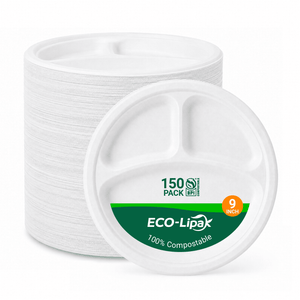
Using this guide empowers you to plan your meals with confidence. For even better portion management, you can use tools like Compostable plates with compartments to help separate and control serving sizes effectively.
Key Takeaways
-
Use your hands to estimate food serving sizes easily.
-
Your palm measures protein, your fist measures carbs, and your thumb measures fats.
-
Understanding serving sizes helps you eat healthy and avoid overeating.
-
Fill half your plate with vegetables, a quarter with protein, and a quarter with carbs.
-
Tools like smaller plates or compartment plates can help you control portions.
Understanding Serving Sizes
Understanding serving sizes is the first step toward building a healthy diet and reaching your nutritional objectives. You often see terms like "serving size" and "portion size" used together, but they mean different things. Mastering this difference is key to effective portion control and achieving your health goals.
Serving Size vs. Portion Size
A serving size is a standardized, measured amount of food. The U.S. Food and Drug Administration (FDA) defines a serving size as the amount people typically consume in one sitting. You can find this information on a product's Nutrition Facts label. It helps you understand the nutrition and calorie intake for a specific quantity of that food.
A portion, on the other hand, is the amount of food you choose to put on your plate. Your portion might be bigger or smaller than the recommended serving size. For example, the label on a cereal box might list one cup as the serving size, but you might pour two cups into your bowl. That two-cup amount is your portion. Understanding serving sizes helps you make informed choices about your food portions.
The Problem of Portion Distortion
Over the last few decades, portion sizes have grown significantly, a trend known as "portion distortion." This makes it harder for you to gauge a correct portion. For instance, one study found that from 1986 to 2016, fast-food entrée portion sizes increased by an average of 13 grams per decade. Bigger portion sizes mean you are eating more calories, often without realizing it. This can lead to overeating and make weight management more difficult.
Consistently eating large food portions can have serious effects on your health. This habit can disrupt your food intake and lead to:
-
Difficulty feeling full with smaller, normal-sized meals.
-
Spikes in your blood sugar levels.
-
Poor sleep quality and reduced daytime alertness.
By understanding serving sizes, you can fight portion distortion. This empowers you to control your calorie intake and build a plate that supports your well-being.
Your Hand as a Serving Size Chart
You can forget about carrying measuring cups everywhere you go. Your own hands are a portable and surprisingly accurate serving size chart. This method simplifies food portion estimation and helps you manage your serving sizes with confidence. In fact, one study found that using hand measurements, like finger width, was more accurate than using household cups and spoons for certain foods. This simple technique empowers you to make smart choices about your portion sizes no matter where you are.
Protein: The Palm of Your Hand
For protein sources like meat, fish, or tofu, your palm is the perfect guide. A serving of protein should be about the size and thickness of your palm, not including your fingers. This visual cue helps you estimate the right portion of protein for your meal.
This palm-sized portion generally provides 20 to 30 grams of protein. The exact amount can vary slightly based on hand size. Here are some common serving size examples for cooked protein:
|
Demographic |
Protein Serving (Cooked Meat/Tofu) |
|---|---|
|
Men |
~4 oz (115 g) |
|
Women |
~3 oz (85 g) |
To fill your plate, you can choose from many excellent lean protein sources. A single portion helps you feel full and supports muscle health. Good options include:
-
Chicken or turkey breast
-
Lean ground beef
-
Fish like cod, tilapia, or salmon
-
Eggs
-
Tofu or lentils
Using your palm as a guide for serving sizes makes it easy to get the right amount of protein without a scale.
Carbs: Your Cupped Hand
You can measure carbohydrates like grains, starches, and fruits with your cupped hand. One cupped handful is a good estimate for a single serving of carbs. This method works well for foods like rice, pasta, quinoa, and potatoes.
Tip: You can also use your fist to estimate a one-cup portion. For example, a fist-sized amount of Brussels sprouts or chopped onions measures out to about ½ cup. A cupped hand of cooked quinoa also equals roughly ½ cup.
Using this part of your personal serving size chart helps you control your intake of carbohydrates. This is important for managing energy levels and blood sugar. This simple check on your portion sizes helps you build a balanced plate.
Vegetables: Two Hands Together
When it comes to vegetables, especially non-starchy ones, you can be more generous with your serving sizes. A great way to measure your vegetable portion is to use two hands cupped together. This amount is roughly equivalent to one cup of chopped vegetables or two cups of raw, leafy greens like spinach or kale.
Non-starchy vegetables are packed with vitamins, minerals, and fiber but are low in calories. This makes them an excellent food group to fill up on. You can enjoy larger food portions of these vegetables to satisfy your appetite. Here are some great options to add to your plate:
-
Broccoli and Cauliflower
-
Bell Peppers and Onions
-
Mushrooms
-
Asparagus
-
Salad greens (spinach, kale, romaine)
-
Zucchini and summer squash
-
Green beans
Loading your plate with these vegetables is a key strategy for managing your overall calorie intake while getting essential nutrients.
Fats and Oils: The Tip of Your Thumb
Fats are an essential part of a healthy diet, but they are also very calorie-dense. That makes controlling their serving sizes very important. You can use your thumb as a simple tool to measure one portion of fat. The amount from the tip of your thumb to the first knuckle is a good estimate for one serving.
This thumb-sized portion is about one tablespoon. You can use this measurement for:
-
Oils (like olive oil)
-
Butter
-
Mayonnaise
-
Nut butters
Keeping track of these smaller serving sizes helps you enjoy healthy fats without consuming too many calories. This simple part of the hand serving size chart is key for balancing your meals and managing your health goals. While some studies show hand measurements can have errors, other sources suggest this method can be nearly as accurate as weighing food, with much less effort.
A Guide to Perfect Portion Control
Knowing your hand-based portion sizes is a great start. Now, you can apply that knowledge using the Balanced Plate Method. This visual guide helps you build healthy eating patterns without complicated rules. It’s a simple way to ensure your meal provides the right nutrition. Major health organizations, including the Harvard T.H. Chan School of Public Health and the American Heart Association, promote similar plate-based guides for a healthy diet. This approach makes portion control simple and effective for weight management.
The Balanced Plate Method
Imagine your plate is divided into sections for different food groups. This method helps you create balanced meals by showing you how much of your plate each food type should fill. It takes the guesswork out of managing portion sizes and your daily calorie intake. Using this guide for your eating habits helps you get a healthy mix of nutrients in every meal.
Half Your Plate with Vegetables
You should fill half of your plate with vegetables. This large portion provides essential vitamins and fiber with a low calorie intake. Making vegetables the star of your meal is a key strategy for a healthy diet. Health experts recommend a generous portion of vegetables for good nutrition.
Both men and women should aim for at least two and a half servings of vegetables a day.
This focus on vegetables supports your overall health and makes your eating plan more sustainable.
A Quarter for Lean Protein
Dedicate one-quarter of your plate to lean protein. This portion helps you feel full and supports muscle health. Use your palm to estimate the correct portion size. This practice helps you manage your calorie intake while getting the protein you need. Good choices for this portion include:
-
Skinless poultry
-
Eggs
-
Fish
-
Beans
-
Lentils
-
Tofu
A Quarter for Complex Carbs
Finally, fill the last quarter of your plate with complex carbohydrates. This portion gives you sustained energy. A cupped handful is a great way to measure your serving. This helps you control your calorie intake from carbs. Try adding these to your plate:
-
Whole-wheat pasta
-
Quinoa
-
Brown rice
-
Oats
This simple division of your plate ensures you get a well-rounded meal every time.
Tools for Easy Portion Control
Your hands are a great starting point for measuring food. You can make portion control even easier with a few simple tools. These tools are especially helpful for meal prep or planning family dinners. They give you clear visual guides for building a balanced meal.
Using Smaller Plates at Home
You might be surprised by the size of modern dinner plates. Over the last few decades, the average plate size has grown from about 9 inches to 12 inches. Using a smaller plate can be a simple psychological trick. A standard portion of food will look larger and more satisfying on a smaller plate. This can help you feel more content with a healthy portion. While studies on plate size show mixed results, many people find this visual cue helpful for managing how much they eat.
Ecolipak's 5-Compartment Plates
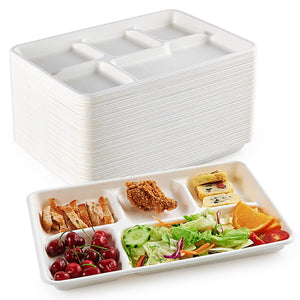
For a foolproof way to build a balanced meal, you can use plates with built-in dividers. Ecolipak's Compostable 5 Compartment Potluck Plates are an ideal, eco-friendly solution for organizing your meals. The separate compartments visually enforce the Balanced Plate Method, making portion control automatic. This is perfect for individual meal prep or serving guests at a potluck.
You can use the compartments to build your perfect plate:
-
Large Compartment: Fill this with non-starchy vegetables.
-
Two Medium Compartments: Use one for your palm-sized portion of lean protein and the other for your fist-sized portion of complex carbs.
-
Two Small Compartments: These are great for a thumb-sized portion of healthy fats, some fruit, or a healthy dip.
These plates are made from sustainable sugarcane bagasse, a natural byproduct of sugar production. They are 100% compostable, reducing landfill waste and helping you care for the planet while you care for your health.
Pre-Portioning Snacks
Snacks are a common area where portion sizes can get out of hand. You can avoid mindless overeating by preparing your snacks ahead of time. This is a great strategy for meal prep. Take some time at the beginning of the week to divide snacks into single-portion bags or containers. This makes grabbing a healthy portion quick and easy.
Healthy Snack Ideas for a Single Portion:
A small handful of nuts or seeds
An apple with a tablespoon of nut butter
A hard-boiled egg
A cup of berries or grapes
Greek yogurt
This simple habit helps you stay on track with your health goals. It removes the temptation to eat straight from a large bag.
Mastering Portion Control in Daily Life
You can apply your knowledge of serving sizes to everyday situations. This guide helps you manage your food portions at restaurants, parties, and at home. Consistent portion control is key to achieving your health goals and maintaining a healthy diet.
At Restaurants
Restaurant meals often come in very large portions, which can challenge your weight management efforts. You can take charge of your calorie intake with a few simple tricks. When you order, ask your server to box up half of your meal before it even reaches the table. You can also share a large entrée with a friend. Another option is to order an appetizer-sized portion as your main meal. These strategies help you enjoy eating out without overeating.
At Social Gatherings
Social events can make it hard to manage your food intake. You can stick to your nutrition plan with some polite planning. It helps to have a few phrases ready if someone offers you an extra portion.
-
"No thanks, I'm good for now."
-
"I'm pacing myself so I can enjoy everything."
-
"I'm saving room for dessert!"
You do not need to explain your eating choices. Your focus should be on enjoying the company. This approach helps you manage your serving sizes without offending your host.
For Meal Prepping
Meal prep is a powerful tool for managing your serving sizes. Good meal planning makes your week easier and supports a healthy diet. You can start by prepping one type of meal, like lunches. Use a simple formula like "Protein + Grain + Vegetable" to build a balanced meal. As you get more comfortable, you can prepare more meals. This practice gives you complete control over each portion and your calorie intake, making it easier to avoid unhealthy options during a busy week.
You now have a personal serving size chart right at your fingertips. Remember the simple visual cues: your palm for protein, your fist for carbs, and your thumb for fats. This method helps you manage serving sizes without measuring tools, reducing stress around food. For even easier meal planning, tools like Ecolipak's compartment plates can help you build a balanced plate. Try these tips with your very next meal and take control of your portions with confidence! 🍽️
FAQ
How accurate is the hand measurement method?
Your hand provides a reliable estimate for daily use. It is a practical guide, not a perfect scientific measurement. This method helps you make smarter choices about portion sizes without needing scales, which is great for building consistent habits and improving your overall nutrition.
Should I use these serving sizes for every meal?
You can use this guide as a starting point. Your body's needs may change daily based on activity levels. Pay attention to your hunger and fullness cues. The goal is mindful eating, not rigid rules. Proper nutrition is about balance and listening to your body.
How can I serve balanced meals for a family or group?
You can apply the Balanced Plate Method for everyone. Fill half the plate with veggies, a quarter with protein, and a quarter with carbs. Using compartment plates, like those from Ecolipak, makes serving organized, balanced meals to a group simple and stress-free.
Why is good nutrition important for portion control?
Portion control is a key tool for achieving good nutrition. Managing your portion sizes helps you control your calorie intake. This ensures you get the right balance of nutrients from different food groups, which supports your energy levels and long-term health goals.