Many people are talking about plant-based eating. This trend is growing quickly.
The number of American vegans grew 600% between 2014 and 2018.
The U.S. plant-based foods market increased by 29% from 2017 to 2019.
This shift toward plant-forward eating is driven by powerful reasons. Individuals choose a plant-based diet for significant health benefits and better personal health. Others adopt plant-based diets for environmental and ethical reasons. This guide explores these key drivers. It offers simple ways to start, showing how sustainable choices, like using palm leaf plates, support a healthy lifestyle.
Key Takeaways
Plant-based eating offers many health benefits. It can lower the risk of heart disease, type 2 diabetes, and some cancers. It also boosts daily energy and improves sleep.
Choosing plant-based foods helps the environment. It lowers your carbon footprint and saves water and land. This is good for the planet.
Many people choose plant-based diets for ethical reasons. They want to avoid animal suffering in farming. This choice helps animals.
Starting a plant-based diet is easy. You can begin with small changes. Try 'Meatless Monday' or swap dairy milk for plant milk. There are many ways to start.
A well-planned plant-based diet gives you all the nutrients you need. Many plant foods have protein. You can also get important vitamins and minerals from plants.
Health Benefits of Plant-Based Diets
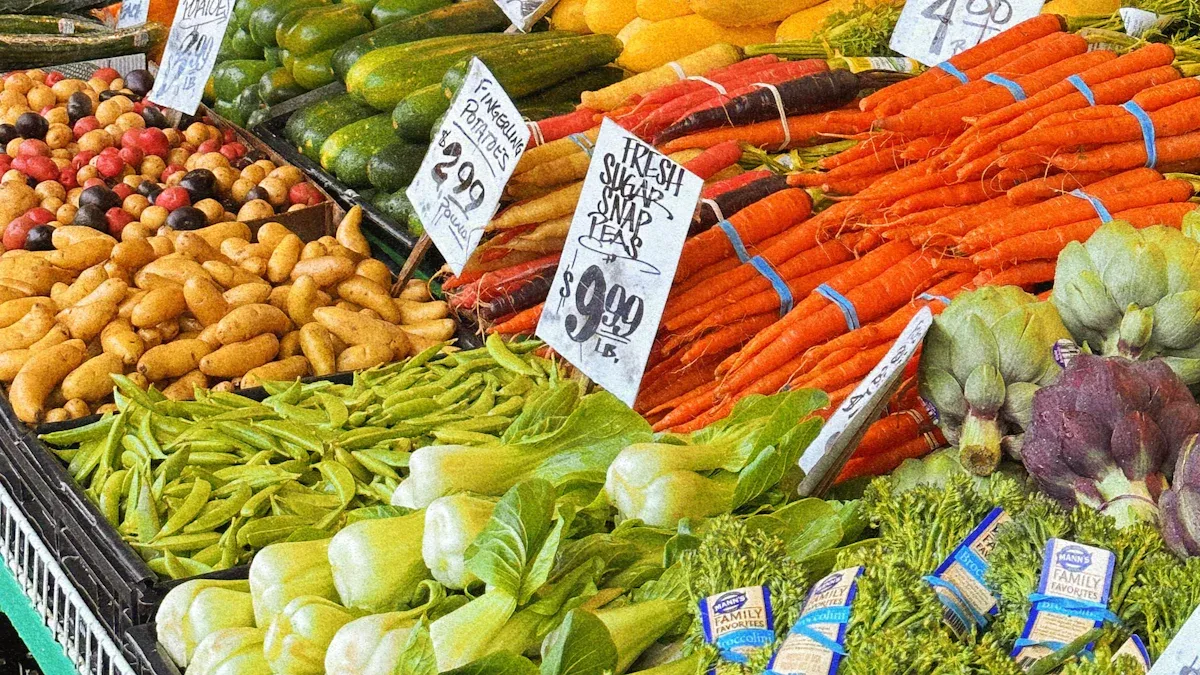
A major reason for the growing interest in plant-based eating is the powerful impact it has on personal health. In fact, about half of all adults in the U.S. now recognize the health benefits of these diets for preventing disease. Shifting to meals centered on fruits, vegetables, grains, and legumes is a proactive step toward long-term wellness. This approach to eating offers more than just a trend; it provides a pathway to a healthier life.
Reducing Chronic Disease Risk
Scientific research consistently shows that plant-based diets play a key role in lowering the risk for several major chronic diseases. A well-planned plant-based diet offers significant protection for your long-term health.
Heart Disease: Studies link plant-based eating to better heart health. The Adventist Health Study 2 found that sourcing protein mainly from plants reduces the risk of death from heart disease. Following a vegan diet can also lead to a 32% lower concentration of hsCRP, a key marker of inflammation.
Type 2 Diabetes: The connection between plant-based eating and diabetes prevention is very strong. Individuals who closely follow plant-based diets have a 23% lower risk of developing type 2 diabetes. For those following a healthful vegan diet, the results are even more dramatic. Some studies show that a vegan diet can cut the rate of type 2 diabetes in half compared to non-vegetarians.
Cancer: Plant-based foods are full of phytochemicals and antioxidants. These compounds protect cells from damage and reduce inflammation.
The high fiber content in plant-based diets is especially protective. Research shows that young women with fiber-rich diets were 25% less likely to develop breast cancer later in life. Additionally, every 10 grams of daily fiber may lower the risk of colorectal cancer by 10%.
Enhancing Daily Vitality
Adopting a plant-based diet can also boost day-to-day energy and mental well-being. Many people report feeling more vibrant and clear-headed.
Studies show that plant-based diets do not harm athletic performance. In fact, they can increase carbohydrate intake, which is the body's primary fuel for energy. Research comparing vegan and omnivorous diets found no significant differences in strength, showing that a vegan diet is a great choice for active individuals.
Better sleep is another one of the key health benefits. Plant-rich diets often improve sleep quality in several ways:
Rich in Melatonin: Plants contain melatonin and its building blocks, which help regulate sleep-wake cycles.
High in Fiber: Fiber-rich diets are linked to more time in deep, restorative sleep.
Anti-Inflammatory: Chronic inflammation can disrupt sleep. The anti-inflammatory compounds in a plant-based diet promote better rest.
Improved Mental Health: A vegan diet is also associated with a lower risk of anxiety and depression, which contributes to better sleep and overall well-being.
Achieving Nutrient-Rich Meals
A common question about plant-based eating revolves around nutrition. A well-planned plant-based diet provides all the nutrients your body needs to thrive. These diets are naturally higher in fiber and packed with vitamins and minerals.
Many people worry about protein, but getting enough is simple. Several plant foods are complete proteins, meaning they contain all essential amino acids.
Food Category |
Specific Foods |
|---|---|
Soy Products |
Tofu, Tempeh, Edamame |
Grains |
Quinoa, Amaranth |
Nuts and Seeds |
Hemp Seeds, Chia Seeds |
Other |
Seitan, Spirulina |
Beyond protein, it is important to consider micronutrients like iron and calcium. The body can absorb these nutrients from plants effectively. Simple preparation methods can boost this process. For example, cooking vegetables increases the availability of many nutrients. Pairing iron-rich foods like lentils and spinach with a source of vitamin C, such as bell peppers or citrus fruits, greatly improves iron absorption. This focus on whole-food nutrition helps build a strong foundation for lasting health.
Environmental Impact of Our Food Choices
The food on our plates affects more than just our personal health; it also has a major impact on the planet. Shifting toward plant-based diets is one of the most effective ways individuals can support environmental sustainability. This choice helps reduce pollution, conserve resources, and protect natural habitats for a healthier planet.
Lowering Your Carbon Footprint
Our food choices create a carbon footprint. Animal agriculture is a significant source of greenhouse gas emissions. Plant-based protein sources are much more climate-friendly. For example, producing 100 grams of protein from peas creates just 0.4 kilograms of carbon dioxide. Getting the same protein from beef produces nearly 90 times more emissions.
Adopting a vegan diet makes a measurable difference. A vegan diet has a daily carbon footprint of 1.38 kg of CO2, which is much lower than a meat-eater's footprint of 3.62 kg. Switching to a fully vegan lifestyle can reduce a person's annual emissions by 0.7 tonnes. Even small changes help. A group of 10 vegan individuals had a weekly carbon footprint that was over 60% lower than a group of meat-eaters. This shows how a vegan diet directly contributes to a lighter environmental impact. The benefits of a vegan diet extend beyond personal health.
Conserving Water and Land
Raising livestock uses huge amounts of water and land. Producing just one pound of beef requires about 1,850 gallons of water. In contrast, plant foods need far less.
As the chart shows, producing a pound of tofu takes only 303 gallons of water. This massive difference highlights the water-saving power of a plant-based diet.
Land use tells a similar story. Livestock farming uses an enormous 77% of all global agricultural land. This includes land for grazing and for growing animal feed. Choosing plant-based diets helps free up this land, allowing ecosystems to recover. A vegan approach to eating supports both planetary and personal health.
The Ethical Dimension of Eating
Beyond personal health and environmental concerns, a powerful ethical motivation drives many people toward a plant-based diet. This ethical dimension centers on animal welfare in modern agriculture. For a growing number of individuals, the decision to become vegan is a direct response to the conditions animals endure in factory farming. This choice reflects a commitment to reducing animal suffering.
Animal Welfare in Modern Farming
Modern farming practices have made it possible to produce meat, eggs, and dairy with extreme efficiency. However, this efficiency often comes at a great cost to the animals. Many people who adopt a vegan lifestyle do so after learning about these conditions.
Factory farms, or 'concentrated animal feeding operations,' raise animals in densely populated environments. These settings often prevent animals from performing natural behaviors, leading to significant stress.
Pigs: Breeding sows are frequently confined to gestation crates. These metal enclosures are so small the animals cannot even turn around. This confinement is a primary reason many choose a vegan path.
Egg-Laying Hens: Many hens live in stacked battery cages inside massive, windowless sheds. Up to ten hens may be packed into a space the size of a file drawer, which is a stark reality that encourages a vegan diet.
Dairy Cows: A vegan choice is often made with dairy cows in mind. They are often kept indoors and separated from their calves shortly after birth, a traumatic event for both mother and calf.
These stressful living conditions compromise the animals' immune systems. This makes the routine use of antibiotics necessary to prevent the spread of disease. For many, learning this information makes a vegan diet the only conscionable option. The choice to go vegan is a vote against this system and for a more compassionate way of eating. A vegan diet aligns personal values with daily actions.
Starting Your Plant-Based Journey
Starting a new way of eating can feel like a big step. Many people want to get started with a plant-based diet but are unsure where to begin. The journey is a personal one. It does not require an all-or-nothing approach. Taking small, manageable steps makes the transition to plant-based eating smooth and enjoyable. This section offers a clear guide to help anyone begin.
Defining Your Plant-Based Diet
The term "plant-based" covers a wide range of eating styles. It is not just one single diet. Understanding the different approaches helps individuals find the path that best fits their goals and lifestyle. A plant-based diet can be flexible.
Diet Type |
Inclusions |
Exclusions |
|---|---|---|
Flexitarian |
Mostly plant-based, with occasional meat, poultry, or fish. |
No strict exclusions, but aims to reduce meat intake. |
Pescatarian |
Seafood, dairy, and eggs. |
All other meat and poultry (beef, pork, chicken). |
Vegetarian |
Dairy products and eggs. |
All meat, poultry, and fish. |
Vegan |
Only plant-based foods. |
Any meat, poultry, fish, or foods from animals (dairy, eggs, honey). |
Each type of plant-based diet offers benefits for personal health. A well-planned vegan diet provides all necessary nutrients. However, those following a strict vegan path must ensure they get enough vitamin B12, often through supplements or fortified foods.
Simple Steps to Begin
Starting a plant-based diet does not mean changing everything overnight. Small changes can make a big impact.
Try Meatless Monday! The "Meatless Monday" campaign is a global movement that encourages people to skip meat one day a week. It started in 2003 and gained widespread awareness through social media. This simple action helps improve health and reduces a person's environmental footprint. Many participants report eating more fruits and vegetables and trying new recipes.
Here are a few simple swaps to make the transition easier:
Swap Cow's Milk for Plant Milk: Options like soy, almond, and oat milk work perfectly in cereal, coffee, and most recipes.
Replace Butter with Plant-Based Spreads: Use avocado, nut butters, or plant-based margarines on toast and in cooking.
Try New Breakfasts: Instead of eggs, one can make a delicious tofu scramble. Overnight oats are another easy and popular choice. Just mix oats, plant milk, and some chia seeds, then top with fruit in the morning.
These small adjustments help build momentum. They make a plant-based diet feel accessible and sustainable for the long term.
Sustainable Meal Prep and Gatherings
A plant-based lifestyle often inspires greater environmental awareness. This extends beyond food choices to how meals are prepared and shared. Planning meals for the week, or "batch cooking," saves time and reduces waste. One can start by dedicating a few hours to prepare ingredients. Chop vegetables, cook grains like quinoa, and make a big pot of lentil soup. This makes healthy, plant-based meals readily available.
When hosting gatherings or enjoying a picnic, this sustainable mindset can continue. Plant-based party foods are delicious and easy to make.
Appetizers: Try a creamy black bean dip, fresh spring rolls, or cowboy caviar.
Main Courses: A hearty vegan butternut squash mac and cheese or saucy sweet potato tacos are always crowd-pleasers.
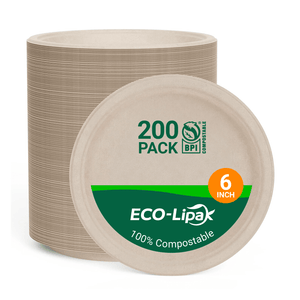
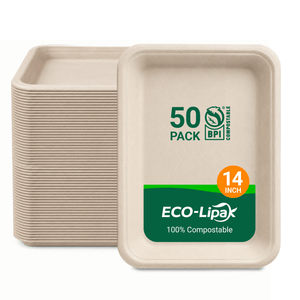
To fully align a gathering with eco-friendly values, consider the tableware. Serving a beautiful plant-based meal on single-use plastics can feel contradictory. Ecolipak helps bridge this gap. Our sturdy and elegant palm leaf plates and Biodegradable CPLA Cutlery are made from 100% plant-based materials. They are fully compostable, making cleanup easy and guilt-free. Using these products is a simple way to "keep food away from plastic," ensuring every part of the meal supports both personal and planetary health. This choice reinforces the positive impact of a vegan lifestyle, even at parties.
Choosing a plant-based diet is a powerful step. Pairing it with sustainable practices creates a truly holistic approach to wellness.
The shift toward plant-based eating is driven by clear benefits for personal health, the planet, and animal welfare. Adopting a plant-based diet is a flexible journey, not a rigid rule. Every small change, like trying one new recipe, makes a difference. Pairing these meals with sustainable choices, such as those from Ecolipak, amplifies the positive impact. This approach helps everyone keep their food away from plastic and move toward a healthier future.
FAQ
What is the difference between vegan and plant-based?
A vegan lifestyle excludes all animal products for ethical reasons. A plant-based diet focuses on eating mostly plants for health. It can be more flexible. Some people on a plant-based diet may occasionally eat small amounts of animal products.
Can a person get enough protein without meat?
Yes, getting enough protein is simple. Many plants are excellent protein sources. Foods like lentils, chickpeas, tofu, quinoa, and nuts provide all the protein the body needs to stay strong and healthy. Combining different plant foods ensures a complete protein intake.
Is a plant-based diet expensive?
A plant-based diet can be very affordable. Staples like beans, rice, lentils, and seasonal vegetables are often cheaper than meat. Cooking meals at home and buying in bulk helps save money. Focusing on whole foods makes it a budget-friendly choice.
Do I need to take supplements?
Most nutrients are plentiful in plant foods. However, people on a strict vegan diet should consider a vitamin B12 supplement. This vitamin is not found in plants. A doctor or nutritionist can offer personalized advice based on individual health needs.