Recyclable Packaging is any material that can be collected and reprocessed into new products. Understanding the terminology on your packaging is crucial for making truly sustainable choices.
Know Your Terms:
Recyclability indicates that the packaging can be sent to a facility for recycling.
Recycled packaging means the item is made from previously used materials.
Sustainable is a broad term for eco-friendly packaging that offers overall environmental benefits.
This guide is designed to help you select the right sustainable packaging for your needs. You'll learn how to dispose of packaging correctly and discover sustainable alternatives, such as compostable or recycble tableware. Making informed choices helps you recycle more effectively and contributes to a healthier, more sustainable future.
Key Takeaways
-
Know your recycling terms. Recyclable means it can be recycled. Recycled means it is made from old materials. Sustainable means it is good for the environment.
-
Recycle paper, cardboard, aluminum, PET (#1), and HDPE (#2) plastics. These materials are easy to recycle and become new products.
-
Always check local rules for glass and other plastics. Some materials are not recycled everywhere. This prevents contamination.
-
Keep your recyclables clean and dry. Food and liquids can ruin good materials. This helps recycling centers work better.
-
Consider compostable packaging. It turns into soil and helps the environment. Many businesses now use it because customers want it.
Understanding Recyclable Packaging Materials
Navigating the world of recycling can feel complex. Not all recyclable packaging is handled the same way. Once your bin leaves the curb, its contents go to a Material Recovery Facility (MRF). There, a mix of machines and people sort everything into categories. Understanding these categories helps you recycle correctly.
In 2023, plastic packaging made up over 39% of the market. Its low weight and cost make it popular. However, its dominance also creates challenges for recycling systems. Knowing which materials are easy to recycle and which are not is the first step to making a real difference.
The 'Easy to Recycle' Champions
Some materials are the superstars of recycling. Facilities can process them efficiently, and they have strong markets for reuse. You can feel confident when you recycle these items.
-
Paper and Cardboard: These are some of the most valuable recyclable materials. Recycling paper uses 40–70% less energy than making it from new trees. Recycling just one ton of paper saves about 4,100 kilowatt-hours of electricity. That is enough to power an average American home for six months.
-
Aluminum Cans: Aluminum is infinitely recyclable. You can melt it down and remake it over and over without losing quality. It is a true champion of the circular economy.
-
PET (#1) and HDPE (#2) Plastics: You find these plastics everywhere. PET (#1) is used for soda bottles and water bottles. HDPE (#2) is used for milk jugs and detergent containers. These types of plastic packaging are widely accepted because they are easy to sort and have high demand as recycled materials.
Recycling Rates at a Glance (2023) The table below shows how recycling rates can vary by material. While aluminum has a strong global rate, there is still much room for improvement, especially in North America.
Material
North America Recycling Rate
Global Recycling Rate
Aluminum
45.3%
74.8%
PET
22%
47%
The 'Check Locally' Materials
Some packaging materials are trickier. Their ability to be recycled depends heavily on your local facility's equipment and economics. For these, you must always check your local rules.
Glass: Why is glass complicated? Many towns use "single-stream" recycling, where you mix everything in one bin. This system often leads to broken glass, which contaminates other recycled materials like paper. Only about 40% of glass from single-stream systems becomes new products. The high weight of glass also makes it expensive to transport, so some facilities do not accept it if there are no nearby buyers.
Other Plastics (#3, #4, #6, #7): You should be cautious with these plastics.
-
Plastic films and bags (#4 LDPE) often jam sorting machinery. Many grocery stores offer special drop-off bins for this packaging.
-
Styrofoam (#6 PS) is rarely accepted in curbside programs.
-
Mixed plastics (#7), like chip bags or pouches, are very difficult to recycle because they contain multiple layers.
Always consult your local waste authority for these types of packaging. A plastic that one town can recycle might be trash in another.
|
Material |
Global Production (2024) |
|---|---|
|
Plastic |
> 590 million metric tons |
|
Paper & Paperboard |
~ 460 million metric tons |
|
Glass |
> 300 million metric tons |
|
Metal |
> 150 million metric tons |
Common Recycling Contaminants
Contamination happens when you put the wrong items in the recycling bin. It is the biggest problem facing the recycling industry. Food residue on packaging can ruin entire batches of good recycled materials. For example, grease on a pizza box can weaken paper fibers, making them unusable. This contamination lowers the quality of recycled materials, damages expensive machinery, and increases costs.
To be a recycling hero, keep these top contaminants out of your bin:
-
Food Waste: This is a major issue. A quick rinse of jars and containers makes a huge difference. Food-soiled packaging belongs in the trash or compost.
-
Plastic Bags: These are the worst offenders. They wrap around sorting equipment and cause shutdowns. Do not put your recyclables in a plastic bag.
-
Styrofoam: This material crumbles easily and contaminates other items. Always place it in the trash.
-
Hazardous Waste: Containers that held paint, motor oil, or chemicals need special disposal. They are not for your curbside bin.
-
Electronics and Batteries: These can cause fires at facilities and contain toxic materials. Find a local e-waste program to recycle them safely.
Remember the Golden Rule: Clean and Dry Before you toss an item into the bin, make sure it is empty, clean, and dry. This simple habit prevents contamination and ensures the recycled packaging you sort can become something new.
Beyond Recycling: The Rise of Sustainable Packaging
Recycling is a powerful tool, but it is not the only way to handle waste. The world of sustainable packaging offers other exciting options. The market for sustainable packaging is growing fast, with projections showing an annual growth rate of over 7% through 2030. This growth includes a major focus on compostable materials, which return to the earth as soil.
Compostable vs. Biodegradable: What's the Difference?
You have likely seen the words "compostable" and "biodegradable" on packaging. They do not mean the same thing. A compostable product breaks down into natural elements in a specific timeframe, leaving nothing toxic behind. Biodegradable materials also break down, but the process can take much longer and may leave harmful residues. True compostable packaging often has certifications like ASTM D6400 to prove it meets strict standards.
Compostable vs. Biodegradable at a Glance
Feature
Compostable Materials
Biodegradable Materials
Environment
Needs a special facility with high heat.
Can break down in many environments, but slowly.
Timeframe
Breaks down in about 90 days.
No set timeframe; can take many years.
End Result
Becomes nutrient-rich soil (compost).
May leave behind microplastics or other residues.
Why Businesses Choose Compostable Solutions
Why are so many businesses switching to compostable packaging? The answer is simple: you, the customer, want it. Studies show that 78% of consumers prefer eco-friendly packaging. Companies listen to this demand. They also have their own sustainability goals. Using compostable packaging helps them reduce their environmental footprint and meet corporate responsibility targets. This makes choosing sustainable options a smart business decision.
Ecolipak's Role in a Greener Future
Brands like Ecolipak are leading the charge in providing high-quality, sustainable packaging solutions. With the mission "Green Pack, Go for ECOLipak," the brand makes it easy for you to choose sustainable products.
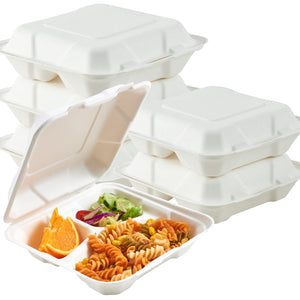
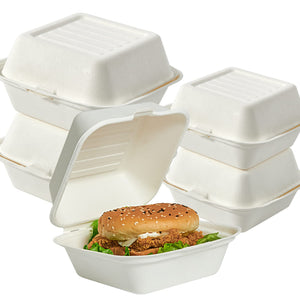
A great example is Ecolipak's 8 inch Compostable Sugarcane 3 Compartment To Go Boxes. This compostable packaging is made from 100% sugarcane bagasse, a renewable resource. These boxes are not flimsy; they are sturdy, leakproof, and even microwave-safe. Customers report that Ecolipak's sustainable products are incredibly durable, proving you do not have to sacrifice quality for a greener choice. This kind of innovative packaging makes a truly sustainable lifestyle possible. These biodegradable materials are a fantastic choice for anyone looking for sustainable packaging. The biodegradable product is a great option.
A Practical Guide for Businesses
Making the switch to sustainable packaging is one of the most impactful decisions you can make for your brand. It shows customers you care about the planet. It also positions your business as a forward-thinking leader. This guide will help you navigate the key choices for your brand.
Choosing Eco-Friendly Packaging for Your Brand
You need to balance cost, performance, and sustainability. This can feel like a difficult task. However, your customers are making the choice easier. Studies show that 74% of consumers are willing to pay more for sustainable packaging. In countries like Mexico and China, over half of shoppers will pay a little more for a sustainable option. Your choice of eco-friendly packaging directly influences how people see your brand.
To make a smart decision, you can compare materials. Think about the long-term value, not just the initial cost. A premium, sustainable material can build brand equity and customer loyalty. Let's compare two common options:
|
Financial Factor |
Glass Bottle |
12 oz Plastic Bottle (PET) |
|---|---|---|
|
Initial Unit Cost |
Higher |
Lower |
|
Shipping Cost |
Higher (due to weight) |
Lower (due to weight) |
|
Risk of Spoilage |
Low (superior barrier) |
Higher (permeability) |
|
Potential Price Point |
High (supports premium pricing) |
Low to Moderate |
|
Brand Equity Impact |
Positive (builds premium image) |
Neutral to Negative |
|
Long-Term ROI |
High (premium pricing, loyalty) |
Low (cost-cutting focus) |
Choosing a sustainable material like glass offers many benefits. It preserves product flavor and has infinite recyclability. This is very different from PET plastic, which often gets downcycled. A sustainable choice can future-proof your brand against new plastic regulations and create a higher return on investment. The right eco-friendly packaging is a strategic investment in your brand's future.
Communicating Disposal Instructions Clearly
You chose a great eco-friendly packaging material. Now what? You must tell your customers how to dispose of it correctly. Simple, clear instructions on your packaging are essential. This guidance reduces confusion and helps ensure your packaging actually gets recycled.
One of the best tools for this is the How2Recycle® label. This system provides clear and consistent disposal information on thousands of products.
-
It's Based on Data: The labels are not guesses. They use data from recycling facilities across the country to determine a package's true recyclability.
-
It's Easy to Understand: The label clearly shows which part of the packaging to recycle and how to prepare it.
-
It Prevents Contamination: It includes a "Not Yet Recyclable" label. This tells consumers to throw an item in the trash, keeping it out of the recycling stream.
Tip: Go Dynamic with QR Codes! 💡 The newest How2Recycle labels include dynamic QR codes. When a customer scans the code, they get location-specific information. This tells them if the packaging is recyclable in their exact community, boosting accuracy.
Using a trusted labeling system builds consumer confidence. It shows you are committed to making the recycling process work. This is a key part of your role in creating a sustainable system.
Improving Recyclability Through Smart Design
The best recyclable packaging is designed for recycling from the very beginning. Your design choices have a huge impact on whether a package can be efficiently sorted and remade into something new. Smart, sustainable design is about making things simpler.
Here are some ways you can improve the recyclability of your packaging:
-
Use Mono-materials: Whenever possible, use a single material for your entire package. A PET bottle with a PET cap and a PET label is much easier to recycle than one with mixed materials. This simple choice leads to higher-quality recycled material.
-
Design for Disassembly: If you must use multiple materials, design the packaging so it can be taken apart easily. Use perforated sleeves or adhesives that wash off cleanly. This allows sorting facilities to separate components.
-
Rethink Colors and Labels: Dark or metallic plastics can be invisible to the infrared sensors at recycling facilities. Sprite famously switched from green to clear PET bottles. This change dramatically increased the value of their recycled plastic because clear plastic is more versatile.
On the other hand, some design features can ruin recyclability. Full-body shrink sleeves made from materials like PVC or PETG make a PET bottle non-recyclable. They can contaminate an entire batch of recycled plastic.
Watch Out for Adhesives! The glue you use for labels matters. Strong adhesives that don't release in the wash can leave residue on the plastic. This residue discolors the final recycled material, spoiling the batch.
By making smart design choices, you create packaging solutions that are not only sustainable but also valuable to the circular economy. This thoughtful approach to packaging design is essential for a greener future.
The Consumer's Role in the Recycling Loop
Your choices as a consumer are powerful. You play a vital role in making sure the recycling system works. When you recycle correctly, you help turn old packaging into new, sustainable products. This reduces waste and protects our planet. Your sustainable actions complete the loop.
The 3-Step Rule: Clean, Dry, and Sort
Following a simple rule makes a huge difference. Before you recycle any packaging, make sure it is clean, dry, and sorted correctly. Contamination from food or liquids can ruin a whole batch of recycled materials.
A Quick Guide to Cleaning Your Packaging:
Jars and Tubs: Scrape out sticky food like peanut butter. A quick rinse is great, but they don't need to be spotless.
Cans and Bottles: Empty all liquids. You can put plastic caps back on empty containers before you recycle them.
Cardboard: Keep it dry. A little grease on a pizza box is usually okay, but you should tear off and trash any heavily soiled parts.
This simple habit ensures that the packaging you recycle can be successfully turned into new recycled materials. It's a key step in creating sustainable recycled packaging.
Adopting Sustainable Recycling Habits
Creating sustainable habits helps you recycle more effectively. One great way to stay motivated is to learn what your recycled materials become. When you know that your plastic bottles can be transformed into new packaging or even clothing, it makes the effort feel more worthwhile. This focus on transformation increases how much people recycle. You can also make recycling a fun challenge for your family. Setting goals to reduce waste is a sustainable practice that benefits everyone. These sustainable habits ensure more packaging is kept out of landfills.
Decoding Recycling Symbols vs. Local Rules
You have probably seen the chasing arrows symbol on packaging. It is important to know what these symbols mean. The number inside the arrows on plastic packaging is a Resin Identification Code (RIC). It tells facilities what type of plastic the item is made from. It does not automatically mean the packaging is recyclable in your area. The recyclability of packaging depends entirely on your local rules.
To be a recycling expert, you must check your local guidelines.
-
Visit your city or county's waste management website.
-
Use online tools like Earth911 to find local information.
-
Call your local provider when you have questions about specific packaging.
Following local rules is the most important sustainable habit you can adopt. It ensures your efforts to recycle truly help create new recycled materials and support a more sustainable world.
You now understand the difference between recyclable and compostable packaging. Reducing packaging waste is a shared goal. Your choices to recycle correctly matter. A study in Reynoldsburg, Ohio, showed that when people felt motivated to recycle, recycling rates increased by 38%. This proves your sustainable actions create real change.
Your Next Step to a Sustainable Future 🌍 Businesses can lead by choosing sustainable eco-friendly packaging, like the compostable options from Ecolipak. As a consumer, you can make a huge impact. Always check your local rules to recycle your packaging correctly. Your informed choices help build a more sustainable planet.
FAQ
What is the main difference between compostable and biodegradable?
Compostable items break down into soil under specific conditions. A biodegradable product also breaks down, but the term biodegradable is less regulated. Many biodegradable items can leave residue. A truly biodegradable product should return to nature completely. Choosing certified compostable options is a great sustainable practice.
Why can't I recycle packaging with food on it?
Food waste contaminates other materials in the recycling bin. Grease and liquids can ruin entire batches of paper and cardboard. You should always clean your packaging before recycling it. This simple step helps create a more sustainable recycling system for everyone.
Are all biodegradable products good for the environment?
Not always. The term biodegradable can be misleading. A biodegradable item might take years to decompose and can leave microplastics behind. A truly sustainable biodegradable product should break down quickly. Look for certifications to ensure a product is genuinely biodegradable and eco-friendly.
What makes a product truly biodegradable?
A truly biodegradable product decomposes into natural elements without harming the environment. This biodegradable process is different from just breaking into smaller pieces. A sustainable biodegradable product supports a healthier planet. This is why understanding the term biodegradable is so important for consumers.