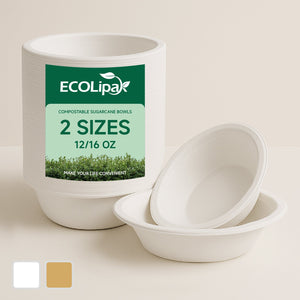
Fermented foods offer powerful health benefits. A recent Stanford study showed that eating fermented foods daily boosts your gut microbiome diversity. These foods also reduce inflammation markers in the body. Consumers increasingly seek the probiotics in fermented foods for better gut health. You can enjoy yogurt, a food full of probiotics, in our sturdy Sugarcane Compostable Bowls. The probiotics in these foods provide clear health benefits. This is why the health benefits of fermented foods are gaining so much attention.
Key Takeaways
-
Fermented foods like yogurt and kimchi boost your gut health. They add good bacteria to your body. This helps your immune system and can even improve your mood.
-
Always choose refrigerated fermented foods. Look for labels that say "live and active cultures." This means they still have the good bacteria that help your body.
-
Start with small amounts of fermented foods. Your body needs time to get used to them. Slowly eat more over time to get the best health benefits.
-
You can easily add fermented foods to your meals. Use them as toppings or mix them into salads. This makes healthy eating simple and tasty.
The Health Benefits of Fermented Foods
The health benefits of fermented foods come from a fascinating natural process. Understanding this science helps you see why these foods are so powerful.
The Science of Fermentation
Fermentation is a process where tiny organisms transform food. Good bacteria convert sugars into lactic acid. This process not only preserves the food but also unlocks amazing health benefits. The fermentation process can make nutrients easier for your body to absorb. For example, fermentation breaks down compounds in legumes that block mineral absorption. This helps your body get more iron and zinc from your food. This is a key reason why fermented foods are so valuable for your diet.
Gut Health and Immune Support
Eating fermented foods directly supports your immune system. These foods are rich in probiotics, which are beneficial live microorganisms. These probiotics help your body fight off harmful pathogens. The good bacteria from fermented foods also have anti-inflammatory properties. The byproducts of fermentation strengthen your gut barrier. A strong gut barrier is essential for healthy digestion and overall wellness. Adding more probiotics to your diet is a great way to boost your gut health. These probiotics offer significant health benefits.
Did You Know? The probiotics in fermented foods, like those from the Lactobacillus family, actively work to improve your immune function and reduce inflammation throughout your body.
The Gut-Brain Connection
Your gut and brain are constantly talking to each other. This connection is called the gut-brain axis. The vagus nerve acts as a direct information highway between them. Your gut microbiome plays a big role in this communication. When you eat fermented foods, the good bacteria help produce compounds called short-chain fatty acids (SCFAs). These SCFAs can travel to your brain. They influence brain health and can even affect your mood. Lower levels of these compounds are sometimes seen in people with depression. Adding probiotics to your diet supports this vital connection and provides many health benefits.
Shopping for the Best Fermented Foods
Navigating the grocery store for beneficial fermented foods can be tricky. You need to know how to spot the products that actually contain live probiotics. This knowledge helps you get the most health benefits from your purchases.
Live Cultures vs. Shelf-Stable Foods
You will find fermented foods in two main areas: the refrigerated section and the room-temperature shelves. This location is a big clue about the product's benefits. Many shelf-stable fermented foods, like some pickles or sauerkraut in jars, undergo pasteurization. This heat treatment extends shelf life but unfortunately kills the live microorganisms created during fermentation. For active probiotics, you should choose refrigerated products.
Pro Tip: Cold temperatures are essential for preserving live probiotics. Always choose fermented foods from the refrigerated case to ensure you get the highest load of viable microorganisms.
The table below shows the key differences.
|
Feature |
Refrigerated (Unpasteurized) |
Pasteurized (Shelf-Stable) |
|---|---|---|
|
Live Microbes |
Present and active |
Inactive (killed by heat) |
|
Health Benefit |
Contains live probiotics |
Lacks live probiotics |
|
Location in Store |
Refrigerated section |
Room-temperature aisles |
How to Read Product Labels
The product label is your best guide to finding quality fermented foods. However, not all labels are straightforward. The term "fermented" alone does not guarantee the food contains live probiotics.
To make the best choice, you should look for specific phrases on the packaging.
-
Look for terms like "live and active cultures," "raw," or "unpasteurized." These phrases indicate the product was not heated and still contains beneficial probiotics.
-
Check the ingredient list. Some products add specific probiotic strains back in after pasteurization.
-
Watch out for high sodium and added sugars. Some commercial fermented foods contain excess amounts to improve taste, which can offset the health benefits.
Reading labels carefully helps you select fermented foods that truly support your health goals. You can confidently choose products rich in the probiotics you need.
Top Fermented Foods for Your Diet
Now that you know how to shop for high-quality fermented foods, you can explore the best options to add to your diet. This list highlights seven powerful choices for 2025, each offering unique flavors and health benefits.
1. Kefir & Probiotic Yogurt
Kefir and probiotic yogurt are excellent starting points for adding beneficial microbes to your diet. Both are dairy products fermented with live cultures. Kefir is a drinkable yogurt with a thinner consistency and a tart flavor. It often contains a more diverse range of bacteria and yeasts than traditional yogurt.
Milk kefir, for instance, is a powerhouse of probiotics. It contains a vast array of microorganisms.
-
Bacteria: Includes numerous Lactobacillus species, Streptococcus, Lactococcus, and Acetobacter.
-
Yeasts: Features Kluyveromyces, Saccharomyces, and various Candida species.
Water kefir offers a non-dairy alternative, but its microbial community is different. It primarily contains Lactobacillus and Leuconostoc bacteria, along with yeasts like Saccharomyces cerevisiae. While both are beneficial, milk kefir provides a broader spectrum of probiotics. When choosing a yogurt, look for labels that say "live and active cultures" to ensure you get the probiotic benefits.
2. The Power of Kimchi
Kimchi is a traditional Korean side dish made from fermented vegetables, most commonly napa cabbage and Korean radish. Its spicy, sour, and umami flavors make it a delicious addition to many meals. The fermentation process creates a food rich in probiotics, particularly Lactobacillus strains.
These specific bacteria offer significant health advantages. Research shows the Lactobacillus strains in kimchi can:
-
Stimulate your immune system.
-
Help your body exclude harmful pathogens.
-
Lower cholesterol levels.
-
Survive harsh stomach acid to reach your intestines.
Making kimchi involves salting cabbage, preparing a paste from ingredients like Korean chili flakes (gochugaru), garlic, ginger, and salted seafood (jeotgal), and then rubbing the paste onto the cabbage leaves before letting it ferment. This process transforms simple vegetables into one of the world's most dynamic fermented foods.
3. Sauerkraut
Sauerkraut, which means "sour cabbage" in German, is finely shredded cabbage that has been fermented by lactic acid bacteria. It is a classic example of fermented vegetables with a long history. For maximum health benefits, you must choose the right kind.
Important: Always select raw, unpasteurized sauerkraut from the refrigerated section. Pasteurization uses heat that kills the beneficial probiotics, digestive enzymes, and even heat-sensitive vitamins like Vitamin C.
Unpasteurized sauerkraut supports your health in several ways. It contains probiotics that improve your gut flora, strengthen your immune system, and help your body absorb more nutrients. It is also a source of isothiocyanates, compounds that may help prevent cancer.
You can enjoy sauerkraut in many creative ways beyond just a side dish.
-
Add a spoonful to a smoothie for a tangy kick.
-
Mix it into tuna or egg salad for extra crunch.
-
Use it as a topping for baked potatoes, burgers, or avocado toast.
4. Miso
Miso is a traditional Japanese seasoning produced by fermenting soybeans with salt and a fungus called Aspergillus oryzae (koji). It is a thick paste used for sauces, spreads, and famously, miso soup. Unpasteurized miso is a source of probiotics that aid digestion and support a healthy gut. It also contains all essential amino acids, making it a complete protein.
Miso comes in several types, each with a unique flavor profile based on its fermentation time and ingredients.
|
Miso Type |
Fermentation |
Flavor Profile |
Best Uses |
|---|---|---|---|
|
White (Shiro) |
Shortest |
Sweet, mild, less salty |
Dressings, light sauces, soups |
|
Yellow (Shinshu) |
Longer than white |
Nutty, earthy, mild umami |
All-purpose, soups, marinades |
|
Red (Aka) |
Longest |
Pungent, salty, deep umami |
Hearty stews, braises, glazes |
|
Awase (Mixed) |
A blend |
Balanced and versatile |
Good for almost any dish |
5. Tempeh
Tempeh is a plant-based protein made from fermented soybeans. Originating in Indonesia, it is formed into a firm, dense cake. The fermentation process binds the soybeans together and makes them easier to digest. Tempeh is an incredible source of nutrition. A single 3-ounce serving provides around 15-18 grams of complete protein and is packed with prebiotic fiber that feeds your good gut bacteria.
Tempeh has a nutty, earthy flavor that absorbs marinades very well. To get the best texture and taste, proper preparation is key.
-
Cut it thin: Slicing tempeh into thin strips or crumbling it helps it absorb sauces and get crispy when cooked.
-
Marinate it: Let tempeh sit in a flavorful marinade for at least 30 minutes. Good options include teriyaki, BBQ, or a simple soy-ginger sauce.
-
Pan-fry it: Pan-frying is the best method for a crispy outside and a tender inside. Avoid boiling, as it can make the tempeh spongy.
6. Kombucha
Kombucha is a fizzy, fermented tea made with sugar, bacteria, and yeast. This mixture is often called a SCOBY (Symbiotic Culture Of Bacteria and Yeast). While kombucha is popular, you should be mindful when choosing a brand. Commercial versions must contain less than 0.5% alcohol, but sugar content can vary. Look for options with 2–6 grams of sugar per serving.
The health claims surrounding kombucha are widespread, but scientific validation in humans is still limited. Most studies have been on animals. However, the U.S. FDA has evaluated kombucha and considers it safe for human consumption. As one of the most accessible fermented foods, it can be a good source of probiotics if you choose a low-sugar variety.
7. Natto
Natto is a traditional Japanese food made from soybeans fermented with the bacterium Bacillus subtilis. It has a very strong smell, a pungent flavor, and a uniquely sticky, stringy texture. While its taste can be an adjustment, natto offers incredible health benefits.
The fermentation process produces an enzyme called nattokinase. Scientific research has linked nattokinase to powerful cardiovascular benefits. Studies show it may help:
-
Prevent blood clots by breaking down fibrin.
-
Reduce cholesterol levels.
-
Slow the hardening of arteries.
For those looking to support heart health, adding natto to your diet is a science-backed strategy. These seven fermented foods provide a great starting point for improving your gut health and overall wellness in 2025.
Practical Ways to Enjoy Fermented Foods
Incorporating fermented foods into your daily routine is simple with a few practical strategies. These tips will help you enjoy the benefits of probiotics while making mealtime easy and delicious.
Start Small and Be Consistent
When you first introduce potent fermented foods to your diet, your gut needs time to adjust to the new probiotics. Starting with small servings helps prevent any mild stomach upset.
Beginner's Guide to Serving Sizes:
Kimchi or Sauerkraut: Start with about a ¼ cup serving.
Kefir or Yogurt: Begin with a ¾ cup (6 oz.) portion.
Vegetable Brine: Try a small ¼ cup (2 oz.) drink.
Start with one serving of fermented foods per day. You can gradually increase your intake as your body gets used to the powerful probiotics. Consistency is key to reaping the long-term health rewards.
Meal Prep with Ecolipak To-Go Boxes
Meal prepping is an excellent way to ensure you consistently get your daily dose of fermented foods. Planning your lunches ahead of time makes healthy eating effortless. For perfect meal prep, you can use the 8 inch Compostable Sugarcane 3 Compartment To Go Boxes.
These eco-friendly containers are ideal for packing meals with fermented foods. The three-compartment design is a game-changer. It allows you to keep pungent and juicy foods like kimchi or sauerkraut separate from your main course and sides. This prevents everything from getting soggy. The boxes are sturdy, leakproof, and even microwave-safe, making them a convenient and sustainable choice for your on-the-go meals.
A Note on Safety
While properly fermented foods are very safe, you should always trust your senses to spot spoilage. The fermentation process creates a sour aroma, but a spoiled product will smell distinctly bad. Watch for these clear warning signs:
-
Visible Mold: Look for fuzzy or pink spots on the surface.
-
Bad Smell: A putrid or rotten odor is a definite red flag.
-
Mushy Texture: The food should not feel slimy or unusually soft.
If you notice any of these signs, it is best to discard the food. Eating high-quality fermented foods ensures you get all the benefits of their probiotics safely.
You can improve your gut health by consistently eating a variety of fermented foods. These powerful fermented foods deliver beneficial probiotics to your body. Eating different types of fermented foods gives you a wide range of helpful probiotics. The probiotics in these fermented foods support your overall wellness.
Your Challenge: 🚀 This week, pick one new fermented food from our list to try. Pack these amazing fermented foods and their valuable probiotics for lunch in an eco-friendly Ecolipak container.
FAQ
What is the difference between fermented foods and probiotics?
Fermented foods are made through controlled microbial growth. Many of these fermented foods contain live probiotics. Probiotics are the specific good bacteria that provide health benefits. You can think of fermented foods as the delivery vehicle for these beneficial probiotics.
Can I eat too many fermented foods?
Yes, you can. Starting with small amounts of fermented foods helps your gut adjust. Too many probiotics at once might cause temporary gas or bloating. You should listen to your body and increase your intake slowly to get the benefits of these probiotics.
How do I know if the probiotics are working?
You may notice better digestion and more regular bowel movements. Over time, eating fermented foods can improve your overall wellness. The probiotics in these fermented foods work gradually to support your health. Consistent intake of probiotics is key.
Does cooking destroy the probiotics in fermented foods?
Yes, high heat kills most probiotics. To get the full benefit of the probiotics, you should add fermented foods like miso or sauerkraut to dishes after cooking. This simple step preserves the live cultures in your fermented foods.