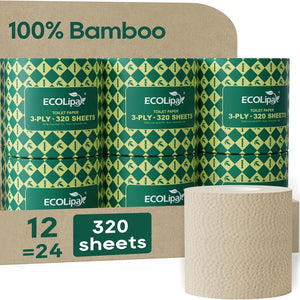
Quick Answer: For a small office, choose 12, 36, or 96 rolls of 3-ply white bamboo toilet paper by measuring how many rolls your restrooms actually use each week. A 12-roll box is a sensible trial, 36 rolls suit a repeatable moderate schedule, and 96 rolls make sense only when usage and dry storage justify a larger carton. The right reorder point is weekly use multiplied by delivery lead time, plus a practical backup reserve.
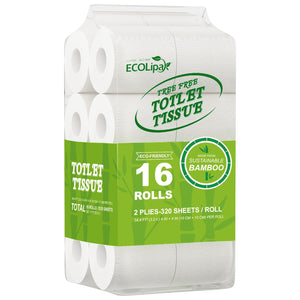
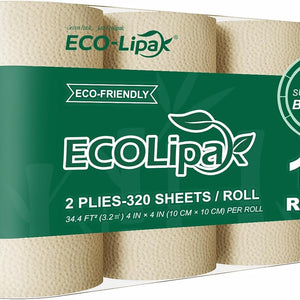
Running out of toilet tissue is noticed immediately; buying a year of stock for a single restroom is noticed later, when the storage closet will not close. The ECO-Lipak 3-ply white bamboo toilet paper is currently listed in 12-roll boxes and 36- or 96-roll cartons. Those sizes are useful choices only after you know the building's rate of use, the dispenser it must fit, and the shelf space available. This is a case-planning guide for that one white 3-ply product, not a general comparison of every bathroom tissue material.
Key Takeaways
- Count rolls replaced over two ordinary weeks; headcount alone is a weak predictor of restroom use.
- Use a 12-roll box to test dispenser fit, comfort, and consumption before committing to a larger quantity.
- Compare 36 and 96 rolls by weeks of coverage, not the headline carton size.
- Keep backup rolls clean and dry, and set a reorder trigger that covers delivery time plus a reserve.
- Only toilet paper and human waste belong in the toilet; “septic-safe” does not mean wipes or paper towels are flushable.
Measure Roll Use Before Picking a Carton
At the beginning of a normal week, record how many rolls are installed and how many are held in the supply cabinet. Each time the cleaner or office manager replaces a roll, mark one tally. Repeat for a second week so a single busy day does not dictate the order. If the building has several restrooms, record them separately: a customer-facing bathroom can use stock at a very different rate from a staff-only one.
For reorder planning, count a roll as consumed when it leaves the supply shelf for a dispenser. Keep partially used rolls in service rather than pretending the building consumed a whole roll every time a cleaner tops up. If a dispenser uses a proprietary jumbo roll, test fit before comparing prices. The product shown is a conventional short bathroom roll, not a jumbo commercial reel.

The Reorder Calculation
Weeks of coverage = rolls on hand ÷ average rolls used per week. Then set a minimum: reorder point = weekly use × (delivery lead time in weeks + reserve weeks). The reserve is a management choice; one or two weeks may be reasonable for a small office with a dry storage cabinet, while a remote site or irregular delivery route may need more. Recalculate when occupancy or cleaning schedules change.
| Observed use | 12 rolls cover | 36 rolls cover | 96 rolls cover | Likely starting choice |
|---|---|---|---|---|
| 2 rolls per week | 6 weeks | 18 weeks | 48 weeks | 12-roll trial; do not fill a closet without need |
| 8 rolls per week | 1.5 weeks | 4.5 weeks | 12 weeks | 36 rolls after the trial |
| 16 rolls per week | Less than 1 week | About 2.25 weeks | 6 weeks | 96 rolls if storage and ordering cadence fit |
These are arithmetic examples, not promised consumption rates. At eight rolls per week, a one-week delivery lead time plus two weeks' reserve gives a reorder trigger of 24 rolls. If a 36-roll carton is your normal order, place the next order before on-hand stock falls below 24. At two rolls per week, a 96-roll carton ties up almost a year of shelf space; the per-roll offer may look attractive while the storage decision is poor.
Three Office Situations
One-room studio with a single guest restroom
A small team might replace just one or two rolls a week. Begin with a 12-roll box, ensure the roll fits the holder, and watch what guests actually use. A second unopened 12-roll box can be a simple reserve if local delivery is predictable. This is different from stocking a hospitality property with daily guest turnover; the guest-bathroom restock guide covers those mixed-use spaces.
Four-stall office with steady weekday traffic
Suppose the facilities log shows roughly eight rolls a week. A 36-roll carton lasts about four and a half weeks, so a monthly check can work with a safety margin. Put the extra rolls on one dry shelf and use older stock first. Before switching from 2-ply, compare real comfort and consumption: a 3-ply roll can feel different, but you should not assume it will be used at exactly the same rate.
Shared workspace with events and variable attendance
Peak weeks might double the ordinary roll count. A 96-roll carton can reduce emergency orders if the space is genuinely busy, but an inventory tally should include the event schedule and enough room to keep cartons away from leaks and cleaning chemicals. For locations using multiple paper formats, the paper essentials guide helps separate bathroom tissue from kitchen or hand-drying paper. They are not interchangeable in a toilet.

Compare the Actual White 3-Ply Options
The live product listing is the source for current price and availability. At the time of this check, the white 3-ply item offers 12 rolls per box, 36 per carton, and 96 per carton. Divide each current pack price by its roll count to compare the offer on the same basis, then add any shipping or storage cost that applies to your business. A lower price per roll does not rescue a pack that will sit in a damp closet or cannot be used before you change the restroom setup.
If color or finish matters, the unbleached 3-ply bamboo option is a separate product with different listed pack counts, not an assumed variant of the white 96-roll carton. If a 2-ply product better matches your dispenser or budget, compare its live specifications through the bamboo toilet paper collection. The decision here remains narrow: how much of this specific white 3-ply roll should an office buy at once?
Flush and Storage Claims Need Boundaries
The white bamboo product is marketed as septic-safe. Still, no tissue brand can guarantee performance in every plumbing system: pipe condition, water flow, and septic maintenance matter. The U.S. EPA's septic guidance says not to flush anything except human waste and toilet paper, specifically excluding wipes and paper towels. Give staff a waste bin for those other items rather than treating “biodegradable” as permission to flush them.
Store spare cartons off a wet floor, away from plumbing leaks and strong odors. Inspect an older carton before placing a new one in front of it. These ordinary stock habits protect comfort and value more reliably than an oversized order. For more context on product material claims, see the white-versus-unbleached bamboo guide.
Frequently Asked Questions
Is a 96-roll carton always the cheapest office choice?
No. Compare the live price per roll, then account for demand, delivery, dry storage, and the possibility of changing dispensers. Low-volume offices may be better served by 12 or 36 rolls.
How do I know when to reorder toilet paper?
Track weekly roll use. Reorder when on-hand rolls reach weekly use multiplied by lead time plus a chosen reserve period.
Does 3-ply mean the office will use fewer rolls?
Not necessarily. Comfort and sheet use vary by people and dispenser. Run a two-week trial before forecasting a bulk purchase from ply count alone.
Will this roll fit a jumbo commercial dispenser?
Do not assume so. The listing shows standard short rolls; compare core, width, and outer diameter with your specific dispenser.
Can bamboo toilet paper be flushed in a septic system?
The product is marketed as septic-safe, but use normal amounts and maintain the system. Never flush wipes, paper towels, or other bathroom products.