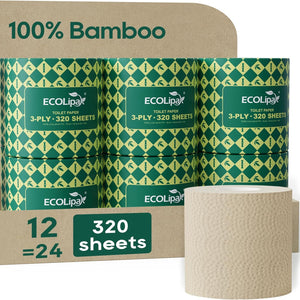
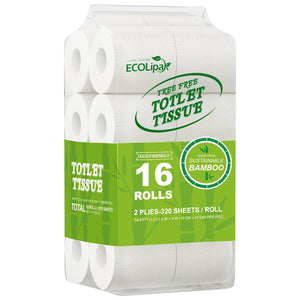
Quick Answer: ECO-Lipak's unbleached and white bamboo toilet paper are both sold as 3-ply rolls; the obvious difference is the tissue color, while the current available pack choices also differ. The unbleached range is a pale gray-tan roll with a 12-roll box currently available. The white 3-ply range has 12-, 36-, and 96-roll options available. Color alone does not prove that one is softer, safer, cleaner, or easier on a septic system. Choose by an actual bathroom trial, pack size, and the product information for the exact SKU.
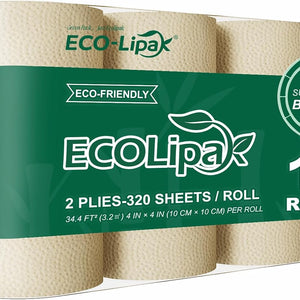
Searching for "unbleached vs white bamboo toilet paper" can turn into a debate built on color rather than evidence. A more useful comparison starts with what the shopper can verify. ECO-Lipak's unbleached bamboo toilet paper looks light gray-tan outside its wrapper. Its white bamboo toilet paper is visibly white. Both current product pages describe 3-ply bamboo tissue. Neither color is a medical result or a guarantee of a particular manufacturing process beyond what the individual product documentation supports.
Key Takeaways
- The main visible difference is the color of the tissue: pale gray-tan unbleached versus white.
- Both compared ECO-Lipak products are listed as 3-ply; compare feel and performance with a small box, not color assumptions.
- The unbleached 12-roll box is currently available; its 36-roll carton is unavailable.
- The white 3-ply range currently lists 12, 36, and 96 rolls as available options.
- Neither "bamboo" nor "unbleached" replaces the need to verify a specific environmental or skin-related claim.
Compare the Actual Buying Options
| Check | Unbleached 3-ply bamboo | White 3-ply bamboo | Why it matters |
|---|---|---|---|
| Visible tissue color | Light gray-tan | White | Aesthetic preference; not a health ranking |
| Currently available packs | 12 rolls/box | 12 rolls/box; 36 or 96 rolls/carton | Buy according to storage and actual consumption |
| Current unavailable option | 36 rolls/carton | None of the listed 12/36/96 options in this check | Do not build a restock plan on an unavailable carton |
| First physical test | One 12-roll box | One 12-roll box | Compare holder fit, feel, lint and everyday use at the same time |
Pack availability can change before checkout. The table is a snapshot of the current product selector, not a promise of future inventory. The number of rolls also says little without a real usage period. Start with one 12-roll box of each if you are deciding between appearances or user preferences. Record how long it lasts in the same bathroom and whether the tissue works with that room's dispenser or holder.

Three Places the Decision Changes
1. A family bathroom
Buy the smaller pack first, keep other products the same, and let users compare comfort without telling them one color should feel better. A roll's color is easy to see; softness, lint, and how much tissue people use are best judged in normal daily use. If the unbleached appearance fits the household, the currently available 12-roll unbleached box is the straightforward order. If larger white restocks matter more, compare the 36- and 96-roll white options only after the first box works well.
2. A guest room or short-term rental
Consistency can matter more than a small unit-price difference. Choose one look per property, stock a spare roll where guests can find it, and record the number used per occupied night over several turnovers. A 12-roll trial is enough to assess fit and presentation before storing large cartons. If guests expect a white roll, the white 3-ply bamboo range gives a conventional appearance; if the property uses natural materials throughout, the pale unbleached roll may fit that visual language. Neither preference needs an invented environmental claim.
3. An office or shared restroom
Count occupied days and restroom traffic, not just employees. A facilities team with limited storage may prefer smaller boxes, even if a 96-roll carton looks efficient on paper. Store unopened cartons dry and label the reorder point. In the restocking scene below, the tissue colors are easy to distinguish, which can help teams keep a consistent selection in each room. The bamboo toilet paper collection provides the current range, including 2-ply alternatives when that is the actual specification needed.

What the Color Does Not Prove
Unbleached does not automatically mean more comfortable, and white does not automatically mean harsh. Both are incomplete judgments about a finished product. The same applies to broad claims such as "chemical-free" or "hypoallergenic": ask for the exact supporting documentation if those claims are part of a purchasing policy, and do not treat color as evidence. ECO-Lipak's resource library is a starting point for product-related documents, but a buyer should match each document to the exact SKU.
The FTC Green Guides rule on general environmental claims cautions against implying broad environmental benefits without support. It is a marketing-claim standard, not a toilet-paper performance test. This distinction matters: bamboo as a material does not, by itself, prove separate softness, health, or disposal claims for either roll.
What About Septic Systems?
Both product pages discuss septic use, but a shopper should not infer that a white or unbleached color alone changes septic compatibility. The US EPA's septic-system guidance says to flush only human waste and toilet paper, and not wipes, paper towels, or other trash. Follow the instructions for your plumbing and septic system, use a normal amount of toilet paper, and seek a professional assessment for recurring clogs rather than changing brands based on color alone.
A Simple First Order
If you want to compare like with like, order one available 12-roll box of each 3-ply option. Use them in comparable bathrooms for a normal restock cycle, recording holder fit, user feedback and rolls consumed. Then calculate delivered cost per roll and the storage space required for the larger white cartons. If a thinner construction is the actual preference, compare ECO-Lipak's 2-ply bamboo range or its natural 2-ply range as a separate choice; changing ply changes the test, so do not treat it as a color-only comparison.
Frequently Asked Questions
Is unbleached bamboo toilet paper the same as white bamboo toilet paper?
No. The compared ECO-Lipak products are both 3-ply bamboo tissue, but their visible color and currently available pack options differ. Check each product page for the exact SKU.
Is unbleached toilet paper always safer for skin?
No. Color alone is not evidence of skin safety. If sensitivity is a concern, review supported product information and test the smaller pack; seek clinical advice for persistent irritation.
Is white bamboo toilet paper necessarily worse for the environment?
No such conclusion follows from appearance alone. Compare substantiated sourcing, processing and disposal information for the finished products.
Can I buy the unbleached 36-roll carton now?
The current ECO-Lipak selector shows that variant as unavailable. The 12-roll unbleached box is available, while the white 3-ply range has more current case options.
Does either color make a roll septic-safe?
No. Septic performance depends on the product and system conditions, not the color. Follow the product information and EPA's general rule to flush only toilet paper and human waste.