Quick Answer: Sauce portion cups improve takeout accuracy when each size has a job: 1 oz for strong condiments and tastings, 2 oz for most dips and dressings, and 4 oz for toppings, salsa, soup samples, and sides. For restaurants and catering teams, the cup size should be tied to the menu item, not guessed during the rush. A small portion cup plan can reduce leakage, over-pouring, missing sauces, and customer complaints.
Key Takeaways
- 1 oz cups are best for concentrated sauces, samples, and small condiment portions.
- 2 oz cups fit most standard dips, dressings, salsas, and side sauces.
- 4 oz cups work for toppings, larger dips, small sides, and tasting portions.
- Bulk cartons make sense only after the menu has a clear size map.
- Sauce cups should be planned with bowls, clamshells, napkins, and pickup packing flow.
Sauce mistakes feel small, but they are one of the easiest ways to make a good takeout order feel careless. Too little dressing makes a salad dry. Too much sauce leaks into the bag. A missing dip turns appetizers into a support ticket. Portion cups give the kitchen a repeatable rule when the line is busy.

1 Oz vs 2 Oz vs 4 Oz Portion Cups
| Size | Best use | Operational note |
|---|---|---|
| 1 oz | Hot sauce, aioli, samples, concentrated condiments | Best when the flavor is strong or the portion is controlled. |
| 2 oz | Ranch, vinaigrette, salsa, hummus, dip portions | The default size for many takeout and catering stations. |
| 4 oz | Larger dips, toppings, soup samples, fruit sides | Useful when the cup is part of the meal, not just an add-on. |
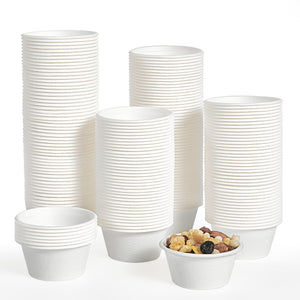
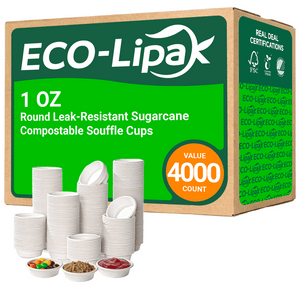
ECO-Lipak's round sugarcane compostable souffle cups and wholesale compostable sugarcane portion cups cover 1 oz, 2 oz, and 4 oz formats for small service and bulk replenishment.
Turn Cup Size Into a Buying Rule
A cup-size chart helps only if it connects to actual menu demand. Count the number of orders that take each sauce, multiply by cups per order, and add a modest allowance for spills or sampling. For example, if a small counter sends out 45 lunch orders daily and 60% include one 2 oz dressing, that is 27 dressing cups per day. Over 20 operating days, the expected need is 540 cups. The listed 2 oz sugarcane souffle cup comes in a 200-count box or 1,600-count carton; three 200-count boxes cover the example demand before reserve. The carton might offer a better unit cost, but only if the menu is stable and storage can hold the extra cups.
The same product listing offers 1 oz cups in 500-count boxes or 4,000-count cartons, while 4 oz cups come in 200-count boxes or 1,600-count cartons. Check the selected variant at purchase because counts differ by size. These quantities are current product options, not a reason to fill every shelf. A small restaurant should favor a measured first order, then adjust when real order counts replace the forecast.
A practical size-by-menu checklist
- Pick the smallest size that serves the recipe without crowding the rim.
- Use the same scoop or pump for that recipe every shift.
- Record cups per order, including requests for extra sauce.
- Check how many cups are actually used during a full delivery window.
- Reorder when on-hand cups cover only lead-time demand plus a sensible buffer.
Make The Size Rule Visible To Staff
The best sauce station is boring in a good way. A new team member should know which cup goes with a salad, grain bowl, appetizer, dessert sauce, or sample without asking a manager every time. That does not require a complicated chart; it requires a simple size map and a restock habit.
- Assign one default size per menu item. Keep exceptions rare.
- Prep the busy sauces first. High-volume dressing and salsa should be ready before service begins.
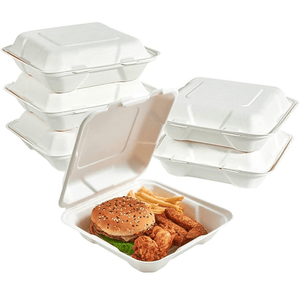
- Match cups to containers. Grain bowls, sugarcane to-go boxes, and compartment clamshells need different packing positions.
- Check leakage after delivery time. Test the real sauce, fill level, lid habit, and travel window.
- Review customer notes. Missing sauce complaints usually reveal a packing workflow problem.

Test the Handoff, Not Just the Cup
For a salad counter, pour a standard 2 oz dressing portion, keep it separate from the greens, and inspect the meal after the longest typical pickup delay. For a taco truck, compare a concentrated 1 oz hot sauce with a larger 4 oz salsa side: customers use them differently, and using one cup for both can distort food cost. For a caterer packing 80 boxed lunches, pre-count each sauce type against the menu sheet before assembly begins. Those three service situations need different cup mixes even if they share the same packaging shelf.
These souffle cups are open-topped in the product listing; do not assume a lid is included. If delivery requires a closure, verify a separately sourced lid against the exact cup rim, sauce viscosity, fill level and travel time. Keep the filled cup upright and isolated from absorbent napkins or bread during a test order. The phrase leak-resistant on a product page should not replace a real route test.
A useful packing check is short enough to survive a rush: correct meal, correct sauce, correct cup size, secure placement. Put the sauce check in the same position on every printed ticket. When an order includes two dressings, count two physical cups before closing the bag. This simple step does more for accuracy than a longer training document that no one reads at lunch peak.
Where Portion Cups Create Real Value
Portion cups are useful in salad bars, taco stations, grain bowl counters, food trucks, catered box lunches, school snack programs, and office lunches. The value is not only material choice. It is accuracy: the right amount in the right cup, packed in the same place every time.
For a complete station, connect portion cups with ECO-Lipak's bowls, to-go boxes, and trays. The EPA greener food service ware guidance is useful when teams are comparing disposable foodservice ware choices.
For purchasing, compare the souffle cup collection with the exact 1, 2 and 4 oz sugarcane cup variants. Keep the station simple: two regularly used sizes beat three sizes that staff must guess between. Review the size map after a menu change or whenever sauce-related complaints rise.
Frequently Asked Questions
What size portion cup is best for salad dressing?
A 2 oz cup is usually the best starting point for standard salad dressing portions.
When should a restaurant use 1 oz sauce cups?
Use 1 oz cups for strong sauces, samples, aioli, hot sauce, or small condiment portions.
What fits in a 4 oz portion cup?
A 4 oz cup works for larger dips, toppings, small sides, soup samples, and dessert sauces.
Are sugarcane portion cups good for takeout?
Yes, sugarcane portion cups are useful for takeout when the size, lid, fill level, and packing position fit the menu.
How can restaurants reduce missing sauce complaints?
Assign each menu item a default sauce cup size and packing location, then restock that station before rush periods.