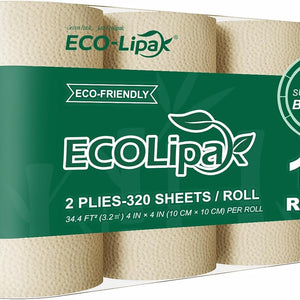
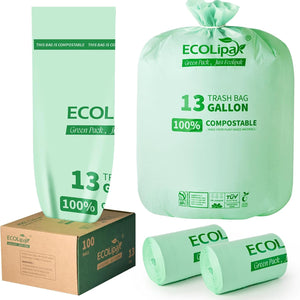
Quick Answer: A bamboo toilet paper and 13-gallon bag bundle is useful only if both components fit your actual restock cycle. ECO-Lipak's bathroom and waste essentials set currently offers 16 rolls with 100 bags or 32 rolls with 200 bags. Count toilet-paper rolls used per week and 13-gallon kitchen liners changed per week separately; then choose the size whose faster-moving component will not run out before your next delivery.
Key Takeaways
- The set combines bathroom paper with kitchen-size bags. The 13-gallon liner belongs in a bin it actually fits, not automatically in a small bathroom wastebasket.
- Compute weeks of cover for rolls and bags independently. The shorter figure sets your true reorder point.
- Both bundle options keep the same 16-roll-to-100-bag ratio, so buying the larger set does not fix a mismatch in how quickly you use the two items.
- Check the exact bag specification and local organics acceptance before promising a composting outcome.
Why a Two-Item Bundle Needs Two Counts
Household bundles are tempting because they remove one item from the shopping list. That convenience becomes less useful when one item remains on the shelf while the other is gone. Toilet-paper use depends on residents, guests and bathroom habits; kitchen-liner use depends on cooking, bin size and how often the bag is changed. Those rates need not move together. Record a normal week for each item before treating any set as a monthly or seasonal supply plan.
The listed set pairs 2-ply bamboo toilet paper with 13-gallon compostable trash bags. The two live options are 100 bags + 16 rolls and 200 bags + 32 rolls. The larger option doubles both counts. It does not include small bathroom bin liners, paper towels or facial tissues. If those are part of your routine, list them separately rather than assuming the bundle covers every room.

Calculate the Shorter Weeks of Cover
Divide the number of rolls in the chosen option by rolls used per week. Do the same for bags. The lower result tells you when at least one component runs out. Add a buffer for a busy week or extra guests, then compare that date with your delivery schedule. This calculation is more reliable than dividing the product's two counts by a single household size.
| Example weekly use | 16 rolls + 100 bags | 32 rolls + 200 bags | What it means |
|---|---|---|---|
| 4 rolls; 25 kitchen bags | 4 weeks for each | 8 weeks for each | Either option has a balanced ratio |
| 4 rolls; 10 kitchen bags | 4 weeks of paper; 10 weeks of bags | 8 weeks of paper; 20 weeks of bags | Paper runs out first; add paper separately |
| 2 rolls; 25 kitchen bags | 8 weeks of paper; 4 weeks of bags | 16 weeks of paper; 8 weeks of bags | Bags run out first; add liners separately |
These are arithmetic examples, not estimates for every home. A short-term rental may use more rolls during full occupancy and more bags during deep cleaning. A household that cooks infrequently may use far fewer than 25 kitchen liners a week. If the ratio is persistently uneven, buy the set for convenience and use the bamboo toilet paper collection or compostable trash bag collection for the faster-moving item. Reordering a bundle merely to replace one component creates unnecessary stock of the other.
Check the 13-Gallon Bag Against the Bin
A 13-gallon label is a starting point, not a universal fit guarantee. Measure your tall kitchen can's opening and depth, then fit a sample with enough material to fold over the rim. Close the lid, add a typical load and remove the bag as you normally would. A liner that slips under the rim or leaves an awkward pocket at the bottom is not a good match even if the bin and bag share a gallon number. The current multi-size bag product lists 13-gallon options separately if you need to top up without buying more toilet paper.
Keep the two uses distinct when explaining the set to staff or guests: bamboo paper in the bathroom, 13-gallon liners in appropriately sized kitchen or utility cans. Putting a 13-gallon liner in a small bathroom bin wastes material and may prevent the lid from closing. If your bathroom has a small wastebasket, choose its correct liner separately. The existing bag size guide can help with the larger household bin; it does not replace a sample fit.

Three Places This Set May Fit
1. A Household With Predictable Weekly Use
If the family changes a 13-gallon kitchen bag regularly and uses bamboo toilet paper in the main bathroom, record two weeks of consumption. Suppose the home uses four rolls and 25 bags per week: the small set covers about four weeks for both. That is a clean reorder rhythm, provided you keep a little emergency stock. If your paper use is higher after a guest visit, move the reorder date forward rather than assuming the printed counts guarantee a month.
2. A Short-Term Rental With Turnover Days
A rental host may replace kitchen liners during each turnover and restock paper by guest count. Record bags used for each checkout clean and rolls replaced in each bathroom. Occupancy swings can make a “per week” average misleading, so calculate for the next confirmed bookings. Keep the unopened set in a clean, dry supply cabinet; stock the guest bathroom from the roll count, and put kitchen-size bags where cleaners can find them.
3. A Small Office With Shared Kitchen
Office restrooms may use many rolls while only one break-room bin needs a 13-gallon liner. In that case, the bundle ratio will likely leave extra bags. A separate 2-ply bamboo toilet paper order may be better for the next replenishment cycle. Conversely, a site with multiple kitchen bins may use bags faster than rolls. The purchase choice should follow the consumption log, not the convenience of a matching label.
Material Claims and End-of-Use
Bamboo fiber describes the paper's source; it does not change ordinary toilet-paper use or make every plumbing system identical. Follow your building or septic-system guidance and avoid flushing anything other than appropriate toilet paper. For the bags, plant-based or certified compostable does not mean every municipal program accepts them. The EPA's compostable-plastics FAQ advises checking local collection rules and keeping compostable bags out of conventional plastic recycling. The paper essentials resource provides further context for choosing household paper products. Verify current product claims on the live listing before ordering.
Frequently Asked Questions
What is in the bathroom and waste essentials set?
The current options list 16 rolls with 100 bags or 32 rolls with 200 bags. The bags are 13-gallon liners; check the selected option at checkout.
Does the larger set last twice as long?
At an unchanged usage rate, each component has twice the count. But the faster-moving component still determines when you need to reorder or add a separate top-up.
Are the 13-gallon bags for a bathroom trash can?
Usually not for a small bathroom wastebasket. Test them in an appropriately sized tall kitchen or utility bin and buy a smaller liner separately if needed.
How should a rental host estimate stock?
Count rolls and liners used across comparable turnovers, then apply those rates to the next bookings. Keep a small reserve for longer stays or additional guests.
Can the compostable bags go into plastic recycling?
No. Check whether your local organics program accepts the specific liner. Do not put compostable film into conventional plastic recycling.