Quick Answer: Leak-resistant sugarcane soup bowls work best for broth, chili, curry, oatmeal, grain bowls, and hot lunch service when buyers pair the right bowl size with a tight-fitting lid and realistic holding time. They are especially useful for cafes, office catering, school lunches, and takeout programs that want a sturdy fiber alternative to foam or plastic bowls.
Key Takeaways
- Broth-heavy meals need bowl depth, lid fit, and short holding windows.
- Wide-rim sugarcane bowls make grain bowls and saucy lunches easier to present.
- Portion cups help keep toppings, sauces, and dressings from soaking the main meal.
- Soup stations should stock bowls, lids, napkins, and backup to-go boxes together.
- Foodservice teams should test their hottest menu item before scaling a new bowl.
A soup bowl has to do more than look sustainable. It needs to hold heat, survive a carryout trip, stack cleanly during rush periods, and still feel good when the customer opens the lid. Sugarcane fiber bowls are useful because they give hot meals a molded, sturdy feel without forcing every menu into a plastic-heavy format.

Match The Bowl To The Meal
| Menu type | Best bowl decision | Service note |
|---|---|---|
| Broth and noodle soup | Use a deeper bowl with a compatible lid | Pack close to pickup time when possible |
| Chili or stew | Choose a sturdy sugarcane bowl | Leave headspace for lid compression |
| Rice or grain bowl | Use a wide-rim bowl | Presentation matters after delivery |
| Soup plus toppings | Add portion cups | Keep crunchy or acidic toppings separate |
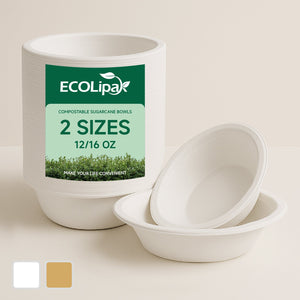
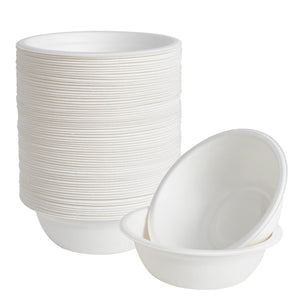
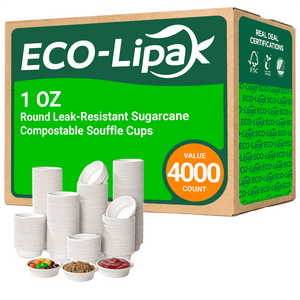
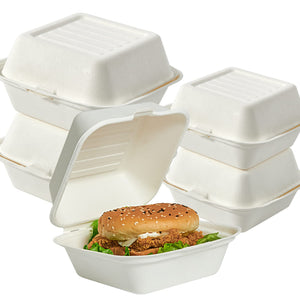
For a broad hot-lunch setup, compare ECO-Lipak's compostable sugarcane wide-rimmed bowls with standard compostable sugarcane bowls. Pair them with sugarcane portion cups for toppings and compostable sugarcane to-go boxes when the order includes sides.
Build A Better Hot Lunch Station
- Test your hottest menu item. Do not judge the bowl with room-temperature water only.
- Check lid fit after filling. Steam and headspace can change how a lid sits.
- Separate wet and dry toppings. Portion cups protect texture during delivery.
- Stock bowls by service moment. Lunch rush, catering, and grab-and-go may need different formats.
- Train staff on fill lines. Overfilling causes more leaks than material choice alone.

The EPA food service ware guidance is worth reviewing when comparing packaging materials because it connects product choice with sourcing, disposal, and local systems.
FAQ
Are sugarcane soup bowls good for hot soup?
Yes, sugarcane bowls are commonly used for hot foods, but buyers should test their exact soup, fill level, lid, and delivery window before rollout.
Do I need portion cups for soup orders?
For toppings, sauces, chili oil, croutons, herbs, or dressings, portion cups make the meal arrive cleaner and more consistent.
Are wide-rim bowls only for salads?
No. Wide-rim bowls also work well for grain bowls, noodle bowls, saucy rice dishes, and composed hot lunches.
Can sugarcane bowls replace foam bowls?
In many foodservice settings they can, especially when the menu is tested with the correct lid and service window.