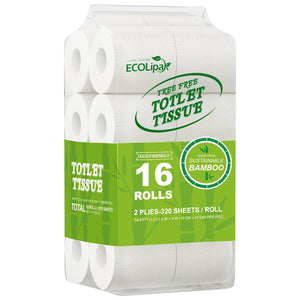
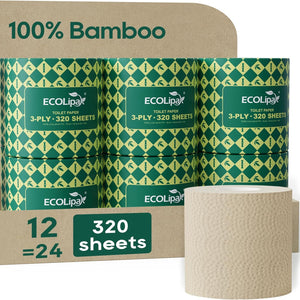
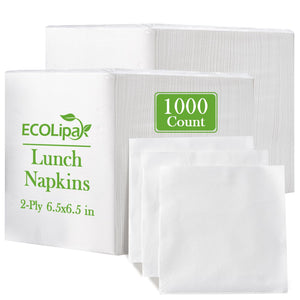
You often hear that eco-friendly toilet paper feels rough. Modern 2-ply plant-fiber webbing, especially in Ecolipak’s Bamboo Toilet Paper, proves this wrong. The softness-to-strength ratio measures how soft a material feels while still staying strong. Textile engineers use this ratio to create products that feel gentle and last longer. You want softness for comfort and strength for durability. The softness-to-strength ratio helps you enjoy a pleasant experience and supports a healthier environment. Ecolipak’s environmentally responsible approach shows that you can have both comfort and environmentally safe materials. You protect your family and the environment with a product that balances softness-to-strength ratio. Environmentally friendly choices improve the environment while keeping your daily routine comfortable. Environmentally safe toilet paper gives you peace of mind and a gentle touch. Environmentally conscious shoppers now expect softness-to-strength ratio to meet high standards for both the environment and their comfort. Environmentally sustainable webbing changes the way you think about eco-friendly products. Environmentally aware families value the softness-to-strength ratio for comfort and environmental protection.
Softness minimizes irritation, helping you feel comfortable every day.
Durability lets you use toilet paper without tearing or losing absorbency.
The right softness-to-strength ratio leads to better satisfaction and environmentally responsible living.
Key Takeaways
Ecolipak’s bamboo toilet paper combines softness and strength, proving eco-friendly products can be comfortable.
The softness-to-strength ratio is crucial for a pleasant experience, ensuring toilet paper feels gentle yet durable.
Bamboo is a sustainable resource that is biodegradable, making it a safe choice for both your family and the environment.
Modern engineering allows for advanced fiber properties, giving you toilet paper that does not sacrifice comfort for strength.
Choosing eco-friendly products like Ecolipak’s toilet paper supports sustainability while enhancing your daily comfort.
2-Ply Plant-Fiber Webbing Basics
Structure and Materials
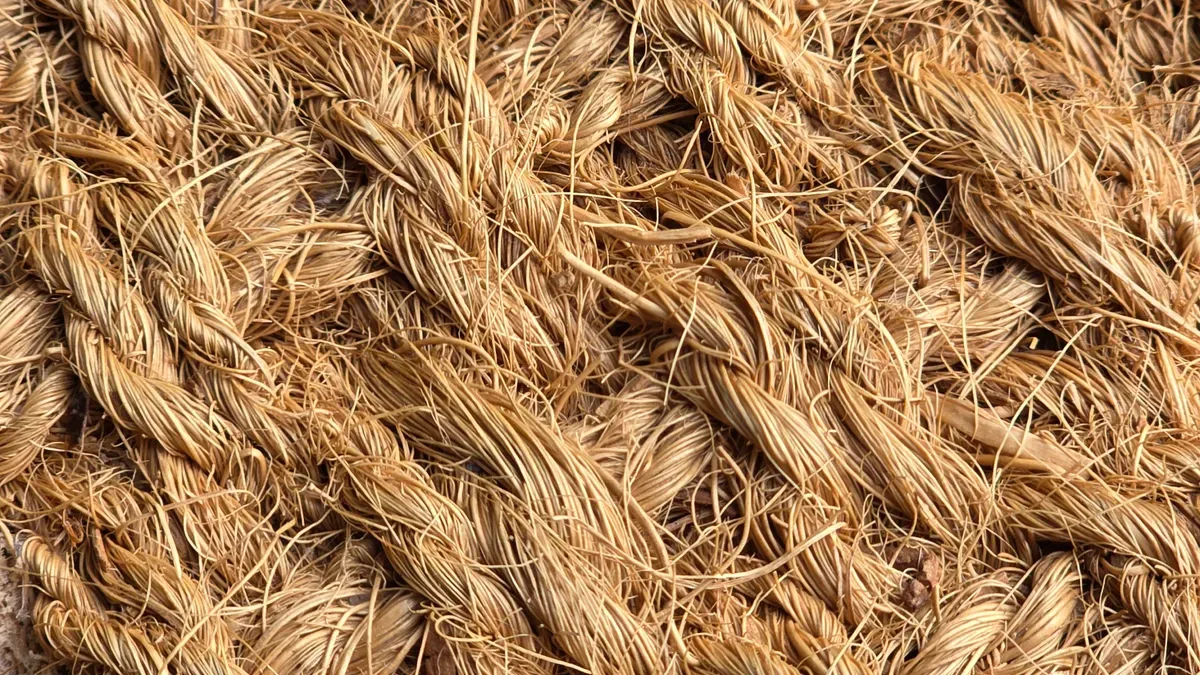
You interact with 2-ply plant-fiber webbing every day, often without realizing the science behind its structure. Engineers design this webbing using two layers of plant fibers. Each layer contains a network of fibers that come from natural fibers like bamboo, sugarcane, or recycled paper. These materials give the webbing its unique properties. The fibers in each ply interlock, creating a mesh that balances softness and strength. You find that the arrangement of fibers in the webbing affects how the material feels and performs. The choice of materials matters. Bamboo, for example, offers long, smooth fibers that create a soft texture. Sugarcane fibers add flexibility and resilience. When you combine these natural fibers, you get a webbing that feels gentle yet remains durable. The structure of 2-ply webbing relies on the careful layering of fibers. This design helps the webbing resist tearing while maintaining a pleasant touch. You benefit from a product that uses sustainable materials and advanced fiber engineering.
Softness and Strength Factors
You want toilet paper that feels soft but does not fall apart. The properties of plant fibers play a big role in this balance. Softness comes from the smoothness and length of the fibers. Longer fibers from bamboo or other natural fibers create a silky surface. The way fibers bond together also affects softness. If the fibers are loosely bonded, the material feels softer. Strength depends on how tightly the fibers interlock. Engineers adjust the density and orientation of fibers to increase durability. The properties of the materials, such as fiber thickness and flexibility, influence both softness and strength. You notice that high-quality plant fibers provide both comfort and resilience. The right combination of materials and fiber properties ensures that 2-ply webbing meets your needs. You do not have to choose between comfort and sustainability. Modern plant-fiber webbing gives you both, thanks to advances in fiber science and material selection.
Softness-to-Strength Ratio Explained
What the Ratio Means
You may wonder why the softness-to-strength ratio matters when you choose toilet paper. This ratio tells you how well a product balances a gentle touch with the ability to resist tearing. Textile engineers use this ratio to measure how soft a material feels compared to how much force it can handle before breaking. You want toilet paper that feels smooth and comfortable. You also need it to stay strong during use. The right ratio means you do not have to pick between comfort and performance.
You can think of the softness-to-strength ratio as a scale. On one side, you have softness, which comes from the surface feel and the flexibility of the fibers. On the other side, you have strength, which comes from how well the fibers hold together. If the ratio is too high in softness, the paper may tear easily. If it is too high in strength, the paper may feel rough. The best products find a balance that gives you both comfort and reliability.
Note: The softness-to-strength ratio helps you understand why some eco-friendly toilet paper, like Ecolipak’s bamboo toilet paper, can feel soft and still offer excellent strength.
Measurement Methods
You may ask how experts measure the softness-to-strength ratio. Textile engineers use several tests to check both qualities. For softness, they use tactile panels, which let people touch and rate the material. They also use machines that measure how much pressure it takes to compress the paper. For strength, they use tensile tests. These tests pull the paper until it breaks. The results show how much force the webbing can handle.
You also see tests for wet strength. This test checks how well the paper holds up when wet. Wet strength is important because you often use toilet paper in damp conditions. Engineers look at fiber properties to see how they affect both softness and strength. Longer fibers usually give more strength and a smoother feel. Shorter fibers may make the paper softer but less strong.
Here is a simple table showing common tests:
Test Type |
What It Measures |
Why It Matters |
|---|---|---|
Tactile Panel |
Softness |
Comfort for your skin |
Compression Test |
Softness |
Cushioning effect |
Tensile Test |
Strength |
Resistance to tearing |
Wet Strength Test |
Strength when wet |
Durability in use |
You can see that each test checks a different part of the softness-to-strength ratio. By combining these results, engineers design products that meet your needs for both comfort and strength.
Impact on Comfort and Durability
You feel the impact of the softness-to-strength ratio every time you use toilet paper. A good balance means you get a gentle touch that does not irritate your skin. You also get a product that does not fall apart during use. This balance improves your daily comfort and gives you confidence in the product’s durability.
You want toilet paper that lasts through each use. Strength ensures that the paper does not tear or break apart. Durability means the product keeps its shape and function, even when wet. Fiber properties play a big role here. Strong, flexible fibers help the paper stay together. They also add to the soft feel. When you choose a product with the right fiber properties, you get both comfort and durability.
Tip: You do not have to give up softness to get strength. Modern plant-fiber webbing, like Ecolipak’s bamboo toilet paper, uses advanced fiber properties to deliver both. You enjoy a soft, strong, and durable product that supports your comfort and your values.
You can trust that the right softness-to-strength ratio leads to a better experience. You protect your skin, avoid waste, and support sustainability. You see that eco-friendly choices can match or even surpass traditional products in both comfort and durability.
Wet Strength and Wet-Strength Agents
Wet-Strength in Plant-Fiber Webbing
You use toilet paper every day, and you want it to stay strong even when wet. Wet strength measures how well plant-fiber webbing holds together after absorbing water. You notice that wet strength is important for both comfort and durability. Engineers design webbing to keep its mechanical properties when exposed to moisture. Wet and dry strength work together to prevent tearing and ensure a pleasant tactile experience. You feel confident using toilet paper that does not break apart during use. Wet strength depends on fiber bonding and the ability to resist tensile forces. You benefit from webbing that combines softness with reliable wet strength.
Role of Polymeric Wet-Strength Agents
You see that wet-strength agents play a key role in improving the performance of plant-fiber webbing. Polymeric wet-strength agents help fibers form crosslinking bonds, making the webbing stronger when wet. You find several common polymeric wet-strength agents in manufacturing:
Melamine formaldehyde (MF)
Polyacrylamide (PAM)
Glyoxylated polyacrylamide (GPAM)
Polyethyleneimine (PEI)
Polyvinylamine (PVAm)
Polycarboxylic acids like polymaleic acid (PMA) and poly(methyl vinyl ether-co-maleic acid) (PMMA)
You benefit from these agents because they enhance both wet and dry strength. Polymeric wet-strength agents create crosslinking between fibers, improving tensile and mechanical properties. You experience softer, stronger toilet paper that does not sacrifice comfort for sustainability.
Enhancing Performance with Wet-Strength Agents
You want toilet paper that feels soft and stays strong. Wet-strength agents improve performance by increasing crosslinking and mechanical properties. Recent innovations include polycarboxylic acids such as BTCA and citric acid. These agents form cross-linking bonds with cellulose fibers, boosting wet strength. High-molecular-weight polycarboxylic acids like PMMA enhance inter-fiber crosslinking, making the webbing tougher. Modified chitosan, especially maleic anhydride-acylated chitosan, achieves about 80% of the wet strength of traditional PAE resins. Cellulose nanofibrils (CNF) offer bio-based wet-strength agents with excellent mechanical properties and biodegradability.
Tip: You can choose toilet paper with natural wet-strength agents for a more eco-friendly option. These agents improve both wet and dry strength, giving you a comfortable and sustainable experience.
You see that wet-strength agents make plant-fiber webbing strong, soft, and reliable. You enjoy toilet paper that meets your needs for comfort, durability, and environmental responsibility.
Ecolipak’s Bamboo Toilet Paper Application
Eco-Friendly Material Benefits
You want a product that cares for both your family and the planet. Ecolipak’s 2-ply bamboo toilet paper uses bamboo, a renewable resource that grows quickly and can be harvested many times without damaging the land. This makes bamboo a sustainable choice for everyday products. When you choose bamboo toilet paper, you support sustainability and help reduce the need for tree-based paper. Bamboo breaks down easily, so it is biodegradable and safe for plumbing. You avoid common problems like clogged pipes and slow decomposition. Ecolipak’s bamboo toilet paper is also biodegradable and compostable, which means it returns to the earth without leaving waste behind.
You do not have to worry about harmful chemicals. Ecolipak’s bamboo toilet paper is free from BPA and PFAS, which are sometimes found in traditional toilet paper. This makes it a safe and healthy option for your home. The product is unbleached and non-toxic, so it is gentle on sensitive skin. You get a product that is both sustainable and safe, supporting your values and your well-being.
Bamboo is a renewable resource that grows back quickly.
The toilet paper is biodegradable and compostable, helping the environment.
You avoid chemicals like BPA and PFAS, making it safer for your family.
The product supports sustainability and protects green spaces.
Softness-to-Strength Ratio in Ecolipak Toilet Paper
You may think that eco-friendly toilet paper feels rough or weak, but Ecolipak’s 2-ply bamboo toilet paper proves otherwise. The unique structure of bamboo fibers gives you a soft, cushiony feel while maintaining impressive strength. Bamboo fibers are naturally long and interlock tightly, creating a plush texture that feels gentle on your skin. The double-layered, steam-pressed webbing uses advanced embossing to form tiny air pockets between the plies. These air pockets add extra softness and create a premium, splinter-free surface.
You notice the difference when you compare Ecolipak’s 2-ply bamboo toilet paper to single-ply recycled commercial tissue. Single-ply tissue often feels thin and can tear easily. It may lack the cushion and comfort you want. Ecolipak’s 2-ply design uses two layers of sustainable bamboo webbing, giving you a balanced hybrid texture. The result is a product that feels soft yet resists tearing, even when wet. The 2-ply structure also means you use fewer sheets per visit, which reduces waste and supports sustainability.
Ecolipak’s bamboo toilet paper stands out for its softness-to-strength ratio. The steam-pressed bamboo fibers create a smooth, gentle surface. The double-layered embossing locks in strength while keeping the paper soft. You get a reliable, comfortable experience every time. Textile engineers designed this product to deliver both comfort and durability, so you never have to choose between the two.
You can enjoy a soft, strong, and sustainable toilet paper that meets your high standards for comfort and environmental responsibility.
Wet Strength and User Experience
You want toilet paper that stays strong, even when wet. Ecolipak’s bamboo toilet paper uses the natural strength of bamboo fibers to deliver excellent wet strength. The interlocking fibers hold together, so the paper does not fall apart during use. The double-layered design and steam-pressed finish add to the product’s durability. You feel confident knowing the paper will not tear or break, even in damp conditions.
Many users report that Ecolipak’s bamboo toilet paper feels soft and smooth, thanks to the rounder bamboo fibers. Families with sensitive skin appreciate the gentle, chemical-free touch. The tissue is hypoallergenic and non-toxic, making it ideal for those with allergies or skin reactions. You get a splinter-free, premium bathroom experience every time.
Bamboo toilet paper dissolves quickly in water, which helps maintain plumbing health and supports biodegradability. The product retains its shape when dry but breaks down efficiently when flushed. This combination of wet strength and biodegradability means you get a product that works well and supports sustainability.
Users say the toilet paper is soft, strong, and does not fall apart.
The tissue is gentle for sensitive skin and safe for families.
The product dissolves easily, protecting your plumbing and the environment.
Ecolipak’s 2-ply bamboo toilet paper brings together science and comfort. You get a sustainable, biodegradable, and renewable product that delivers strength, softness, and a reliable user experience.
Choosing the Right Webbing Balance
Application-Specific Needs
You use 2-ply plant-fiber webbing in many daily products, from toilet paper to napkins. Each application requires a different balance of softness and strength. Toilet paper needs a gentle touch for sensitive skin, but you also want strength so it does not tear during use. Napkins must absorb well and stay intact when wet. Textile engineers study fiber morphology and chemical composition to match the right webbing to each use. They often blend fibers or adjust the basis weight to achieve the best combination of softness and strength. For example, bamboo fibers provide natural softness, while APMP fibers increase tensile strength and water absorbency. You benefit from these scientific adjustments because they deliver products that feel comfortable and perform reliably.
Evaluating Softness vs. Strength
You can evaluate softness and strength by considering how the fibers interact. Manufacturers look at fiber bonding and the way fibers interlock. When they use alternative fibers, such as those from APMP, they improve strength and absorbency. However, this sometimes reduces softness. You see that blending different fiber types helps maintain quality. Reducing basis weight can also improve softness without sacrificing strength. You notice that the right balance depends on your needs. If you value comfort, you may prefer softer webbing. If you need durability, you look for higher strength. Textile engineers use tactile panels and tensile tests to measure these properties. You can trust that modern products use advanced science to deliver both softness and strength.
Note: You do not have to choose between softness and strength. Ecolipak’s bamboo toilet paper uses innovative fiber engineering to give you both.
Tips for Selecting Eco-Friendly Products
You want eco-friendly webbing that offers optimal softness and strength. Consider these tips:
Choose webbing materials like bamboo, cotton, or recycled fibers for unique softness and strength.
Look for biodegradable and compostable options to reduce environmental impact.
Check for compliance testing and certifications to ensure high-quality standards.
You can use certifications to identify high-performance and sustainable products. Here is a table of common eco-labels:
Certification |
Description |
|---|---|
OEKO-TEX® Standard 100 |
Validates safe and non-toxic textile production. |
GRS |
Ensures recycled content and sustainable practices. |
ISO 14001 |
Focuses on effective environmental management systems. |
You make informed choices by checking these certifications. You support sustainability and enjoy products that balance softness and strength. Textile engineering and tactile ergonomics help you find webbing that feels good and performs well. You challenge the idea that eco-friendly toilet paper must sacrifice softness. Ecolipak’s bamboo toilet paper proves that you can have both comfort and strength in a sustainable product.
You see how the softness-to-strength ratio and wet-strength shape your experience with 2-ply plant-fiber webbing. Ecolipak’s bamboo toilet paper combines advanced fiber engineering with tactile comfort, proving that eco-friendly products can feel soft and stay strong. Consumers now demand sustainable, high-performance options because environmental awareness and circular economy trends drive innovation. You protect your family and the planet when you choose products that balance comfort, durability, and sustainability.
Consumer Trend |
Impact on Product Choice |
|---|---|
Environmental Awareness |
You select eco-friendly materials |
Circular Economy |
You prefer biodegradable, plant-based items |
Demand for Comfort |
You expect softness without compromise |
You challenge the old idea that green products must sacrifice softness. Ecolipak shows you can have both.
FAQ
What makes Ecolipak’s bamboo toilet paper soft and strong?
Bamboo fibers are long and smooth. Engineers use a 2-ply design and special embossing to create a soft, cushiony feel. The fibers interlock tightly, giving you strength without losing comfort.
Is Ecolipak’s toilet paper safe for sensitive skin?
Yes. You get a hypoallergenic, chemical-free product. The toilet paper contains no BPA, PFAS, or harsh additives. The unbleached bamboo fibers feel gentle and reduce the risk of irritation.
How does Ecolipak’s toilet paper perform when wet?
You can trust the wet strength. The bamboo fibers and double-layered webbing hold together even when damp. The paper stays strong during use but dissolves quickly in water, protecting your plumbing.
Why is bamboo a better choice for the environment?
Bamboo grows fast and needs less water than trees. You help save forests and reduce waste by choosing bamboo. The toilet paper is biodegradable and compostable, so it returns safely to the earth.
Does eco-friendly toilet paper sacrifice softness?
No. Ecolipak’s 2-ply bamboo toilet paper uses advanced fiber science. You enjoy a soft, plush feel and reliable strength. Eco-friendly does not mean rough or weak. You get comfort and sustainability together.