Quick Answer: No. Do not microwave ordinary Styrofoam or foam-insulated takeout cups, bowls, plates, or trays. The USDA lists these foam formats as not safe for microwave use. Transfer the food to cookware specifically labeled for microwave use, cover or vent it as directed, reheat evenly, allow standing time, and check leftovers reach 165°F.
Key Takeaways
- Ordinary foam takeout containers are service packaging, not microwave cookware.
- Microwaves heat the food, and the hot food can soften, warp, or melt an unsuitable container.
- Transfer leftovers to labeled microwave-safe glass, ceramic, or suitable cookware before reheating.
- Cover and vent, stir or rotate, allow standing time, and verify reheated leftovers reach 165°F.
- Restaurants should separate “holds hot food” from “safe for customer microwave reheating” in packaging guidance.
“Can I microwave Styrofoam?” is the main search question behind this page, and it needs a direct answer before a chemistry lesson or product comparison. Ordinary foam cups, plates, bowls, trays, and takeout boxes should stay out of the microwave. If the package is unfamiliar or unlabeled, transfer the food.
The confusion comes from everyday experience. A foam clamshell can hold a warm restaurant meal without immediately changing shape, so it looks heat-ready. But holding food for transport and undergoing microwave reheating are different exposures. The microwave heats water, fats, and other parts of the food; the food then transfers heat into the container. A package not designed for that use can warp, soften, or melt.

Foam Cups, Plates, Bowls, And Takeout Boxes
| Container | Microwave decision | Safer next step |
|---|---|---|
| White foam takeout clamshell | Do not microwave | Transfer the complete meal to labeled microwave-safe cookware |
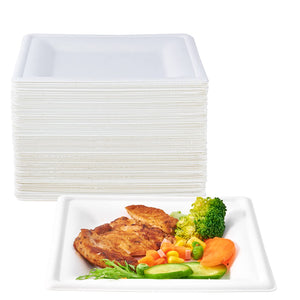
| Foam plate or tray | Do not microwave | Move food to heatproof glass, ceramic, or another approved dish |
| Foam-insulated cup or bowl | Do not microwave | Pour the food or drink into a microwave-safe container |
| Cold-storage tub or yogurt container | Do not microwave | Use cookware manufactured for microwave use |
| Glass or ceramic dish | Use only when suitable for microwave use | Follow the cookware and microwave instructions |
| Molded-fiber food container | Check the exact product guidance | Treat lid and base separately and test the real food and reheat time |
The USDA's microwave cooking guidance says to use cookware specially manufactured for microwave use and lists foam-insulated cups, bowls, plates, and trays among items that are not safe to use. It also advises against cold-storage containers such as margarine tubs and yogurt cartons.
What Happens When Foam Is Microwaved?
The microwave does not need to heat the container directly for the container to fail. Hot food, steam, oil, and concentrated hot spots can transfer enough heat to distort packaging. The FDA's microwave oven guidance explains that containers can become hot from the food inside and that some plastics can melt from that heat.
Visible warping is already a reason to stop using the container for the food. Do not taste food from packaging that has warped or melted during heating. Avoid trying to rescue the process with a shorter interval after the foam has changed shape; transfer the food and use suitable cookware.
A Safer Leftover Reheating Workflow
- Remove the food from foam. Do this before the container enters the microwave.
- Use labeled microwave-safe cookware. Heatproof glass or ceramic is a practical home choice when the item is intended for microwave use.
- Arrange food evenly. Spread dense leftovers rather than leaving a cold mound in the center.
- Cover and vent. Use a microwave-safe cover and leave a route for steam according to the cookware guidance.
- Stir or rotate. Pause during reheating so colder and hotter sections can equalize.
- Allow standing time and check temperature. USDA guidance calls for reheated leftovers to reach 165°F.
Standing time matters because microwave energy can leave uneven hot and cold zones. A steaming edge does not prove that the middle is hot enough. Use a clean food thermometer in more than one place for dense leftovers, then handle the dish carefully because the cookware may be hot.
Food Type Changes The Reheating Method
| Food | Transfer setup | Reheating note |
|---|---|---|
| Rice and grain bowls | Shallow microwave-safe dish with cover | Spread evenly and stir during reheating |
| Soup or stew | Deep microwave-safe bowl with headroom | Vent, stir carefully, and avoid overfilling |
| Sandwich and fries | Separate components when practical | Not every component benefits from the same microwave time |
| Chicken with vegetables | Arrange in a single layer where possible | Check multiple thick sections after standing time |
| Saucy pasta | Shallow covered dish | Stir from the center and edges between intervals |

What Restaurants Should Tell Customers
A takeout package can be appropriate for transport without being cookware. Reheating instructions should identify whether to remove a lid, vent a container, transfer the food, or separate meal components. Avoid a vague “microwave-safe” statement when only the base has been evaluated or when performance changes with food type and time.
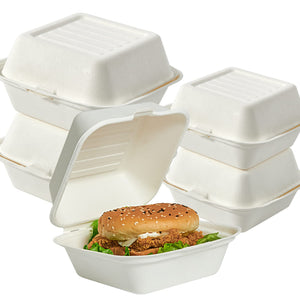
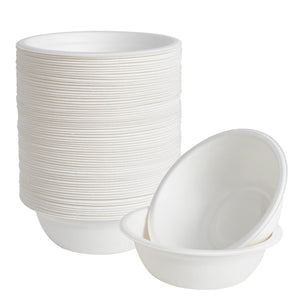
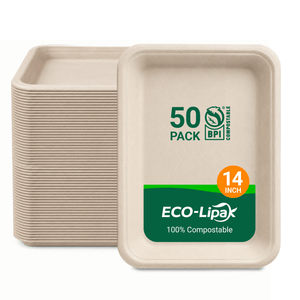
Restaurants moving away from foam can compare ECO-Lipak's sugarcane clamshell to-go boxes, sugarcane bowls, and 14-inch food trays. The correct format depends on the food, transport route, closure need, and intended reheating workflow. Follow the specific product directions rather than assuming all molded-fiber items behave identically.
Foam Alternatives Are A System Choice
Replacing foam is not only a one-for-one material swap. A restaurant may use bowls for soups and rice meals, clamshells for sandwiches and entrees, trays for catering service, and reusable cookware for on-site reheating. The EPA's food service ware guidance recommends reusable ware first where an effective reuse system is possible, followed by certified commercially compostable ware when local collection and an accepting facility are actually available.
Browse ECO-Lipak's to-go box collection and resource list for format, material, and disposal guidance. A safer reheating message is short enough to remember: foam stays out; food gets transferred.
FAQ
Can I microwave Styrofoam for 30 seconds?
No. A short time does not make an ordinary foam cup, plate, bowl, tray, or takeout box microwave-safe. Transfer the food first.
Can I microwave a Styrofoam takeout box?
No. Move the entire meal into cookware specifically intended for microwave use.
Are foam plates microwave-safe?
No. USDA guidance lists foam-insulated plates and trays among items that are not safe for microwave use.
What if the foam does not melt?
Lack of visible melting does not turn the container into approved microwave cookware. Use a labeled microwave-safe dish instead.
What temperature should reheated leftovers reach?
USDA guidance says reheated leftovers should reach 165°F. Allow standing time and check the food with a clean thermometer.
Are sugarcane containers microwave-safe?
Check the exact product guidance. Molded-fiber products vary, and lids may have different instructions from bases. Test the real food, portion, and reheat time.