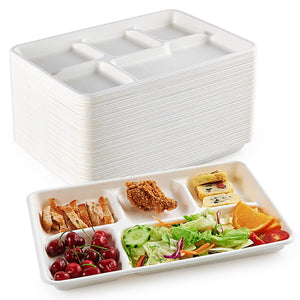
Quick Answer: A 5-compartment plate helps keep saucy, crisp, hot, and cold foods separated on one tray. That can reduce soggy food, make portioning easier, and simplify cleanup because guests are less likely to take extra plates for sides or sauces. It is especially useful for school-style lunches, community meals, staff meals, youth sports banquets, and buffet lines where one plate needs to hold a complete meal.
Key Takeaways
- Use 5-compartment plates when a meal has a protein, grain, vegetable, fruit, and sauce or small side.
- Compartment plates reduce food mixing better than flat plates, especially with rice, pasta salad, sauces, and fruit.
- For buffet service, place the plate stack before the hot line and keep cutlery/napkins at the end to avoid traffic jams.
- For events with younger guests, compartments make portions easier to understand without requiring separate bowls.
- Compostable plates still need local disposal rules checked before they are sent to a composting stream.
Compartment plates look simple, but they solve a real service problem: one plate has to carry foods that behave differently. Rice spreads, sauce runs, fruit leaks, and vegetables cool quickly. A heavy-duty sugarcane 5-compartment plate from ECO-Lipak’s compartment plates collection gives each item a place, which helps the meal look cleaner and keeps the line moving.

Why Food Separation Changes the Meal Experience
Food mixing is more than a visual problem. A wet side can soften grilled food, fruit juice can run into rice, and sauce can spread across the plate before the guest sits down. Separate compartments give caterers and volunteers a simple portion map, especially when the team needs to serve 50 to 150 plates quickly.
| Food Type | Best Compartment Use | Why It Helps |
|---|---|---|
| Protein | Largest section | Keeps heavier food stable and easy to cut. |
| Rice, pasta, or grains | Medium section | Prevents starches from soaking up sauce too early. |
| Vegetables | Medium section | Separates crisp or steamed items from wet foods. |
| Fruit or dessert | Small section | Keeps sweet juices away from savory foods. |
| Sauce or dip | Smallest section | Controls spillover without needing a separate cup. |
Where 5-Compartment Plates Work Best
School-style and youth programs: Guests can see the meal parts without juggling bowls. For programs trying to reduce discarded food, the EPA Wasted Food Scale is a useful reference for thinking about prevention before disposal, even if your exact portions differ.
Community events: Volunteers can plate faster when each section has a job. If the menu needs fewer sections, 3-compartment sugarcane plates can be enough, but 5 compartments are better when sauce, fruit, and sides all need separation.
Buffet and staff meals: For pasta, rice, roasted vegetables, and sliced proteins, a compartment plate helps guests take one plate instead of grabbing a second plate for wet or sweet sides.

When a Tray or Flat Plate Is Better
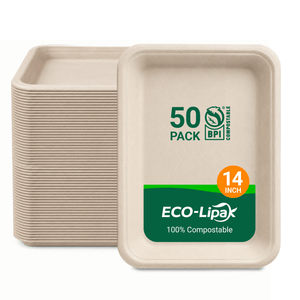
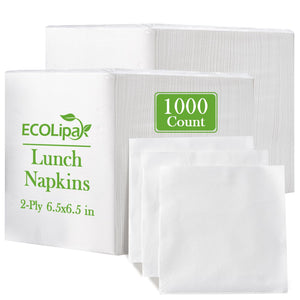
A 5-compartment plate is not the right answer for every meal. Use 14 inch sugarcane food trays when the food is shared, oversized, or served family-style. Use flat plates when presentation matters more than separation, such as appetizers, pastries, or plated desserts. Keep 2-ply cocktail napkins nearby for finger foods or sauces that leave residue.
For waste prevention, the first step is still portion planning. The EPA’s food waste prevention guidance points to planning and portioning as practical ways to reduce what gets thrown away. In event service, compartments can support that by making the intended portion easier to serve.
Cleanup and Sorting
Cleanup is easier when guests understand where the plate should go after the meal. Put regular trash and accepted compost collection side by side only if your local facility accepts the products and food residue. If composting is not available, the plate still helps by reducing extra side plates, sauce cups, and scattered napkins.

FAQ
What is a 5-compartment plate best for?
A 5-compartment plate is best for complete meals with protein, grain, vegetables, fruit, and sauce. It keeps each item separated without extra bowls or side plates.
Are compartment plates better than flat plates?
They are better when food separation matters. Flat plates are better for simple entrees, desserts, or presentation-focused meals.
Can 5-compartment sugarcane plates handle saucy foods?
They can handle moderate sauces better than flat plates because the sauce has its own section. Very watery soups or heavy liquid foods still need bowls.
Do compartment plates reduce waste?
They can reduce some waste by limiting extra plates and making portions clearer. Actual disposal impact still depends on local composting or waste programs.
How many compartment plates should I order for an event?
Order one per expected meal plus 10-15% backup. Increase backup for buffet seconds, younger guests, or outdoor events where drops and replacements are more common.