Quick Answer: Compostable food trays are best for flat, shareable, and easy-to-see foods: sandwiches, fruit, pastries, roasted vegetables, snack portions, and catered sides. They are not a universal replacement for bowls or deep clamshells. The right tray plan starts with food shape, sauce level, travel distance, and whether guests need display, handoff, or portion control.
Key Takeaways
- Flat trays make display and portion pickup easier for sandwiches, fruit, pastries, and roasted vegetables.
- Bowls are better for wet salads, saucy sides, soups, and foods that need depth.
- Clamshells are better when the meal needs closing, stacking, or delivery travel.
- Trays reduce crowding at buffet and prep stations because foods are easier to see.
- A good catering setup uses trays, bowls, and boxes together instead of forcing one container to do every job.
Catering teams often reach for the deepest container because it feels safe. But deep containers can hide food, flatten presentation, and make quick pickup harder. A flat tray gives visual space back to the food. That matters at office breakfasts, potlucks, sampling tables, prep lines, and buffet setups where guests decide with their eyes before they reach for a plate.

When A Tray Beats A Deeper Container
| Food or workflow | Best format | Reason |
|---|---|---|
| Sandwich halves, wraps, pastries | Food tray | Flat space keeps portions visible and easy to grab. |
| Fruit, roasted vegetables, dry sides | Food tray or shallow bowl | Use trays for display; use bowls when juice or dressing builds up. |
| Grain bowls and wet salads | Bowl | Depth contains dressing and keeps ingredients together. |
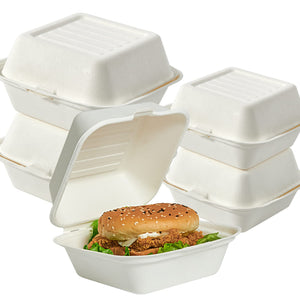
| Boxed lunches and delivery meals | Clamshell or to-go box | Closing and stacking matter more than open presentation. |
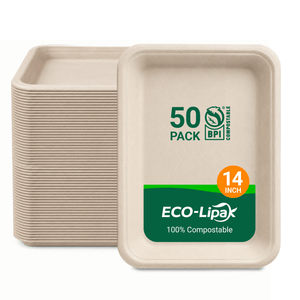
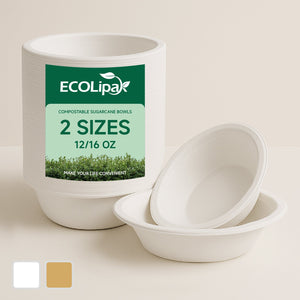
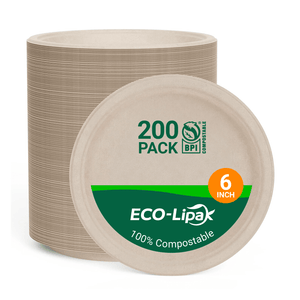
ECO-Lipak's 14 inch disposable cutting-resistant compostable trays are a useful base for catering and potluck service. For menus that need depth or closure, pair them with sugarcane to-go boxes, wide-rim sugarcane bowls, or round sugarcane plates.
Build A Catering Format Map
A tray plan becomes easier when every menu section has a default container. Breakfast pastries go on trays. Wet fruit moves to bowls. Sandwiches stay on trays until they need individual lunch closure. Saucy sides move away from flat formats. This keeps the packing station from making judgment calls during the rush.

- Separate display from delivery. Open trays help display; closed boxes help travel.
- Check moisture first. If the food releases liquid, plan a bowl or lined setup.
- Watch stacking height. A tray may be right for service but wrong for packed transport.
- Count serving tools. Tongs, scoops, and napkins should match the tray station.
- Plan disposal locally. Compostable serviceware still depends on facility access and local rules.
The EPA greener food service ware guidance is helpful when teams compare packaging formats, and the EPA composting overview explains why disposal conditions matter after service.
FAQ
What are compostable food trays best for?
They are best for flat foods, buffet display, catering prep, pastries, sandwiches, fruit, roasted vegetables, and shareable sides.
When should I use bowls instead of trays?
Use bowls for wet salads, saucy sides, soups, grain bowls, and foods that need depth or mixing room.
Are trays good for delivery meals?
Only when the meal does not need a tight closure. For delivery, clamshells and to-go boxes are usually safer.
Can sugarcane trays handle hot food?
They can support many hot foodservice uses, but the exact fit depends on food moisture, weight, and holding time.
How should caterers plan tray quantities?
Count menu sections first, then assign trays only to foods that benefit from open display or easy pickup.