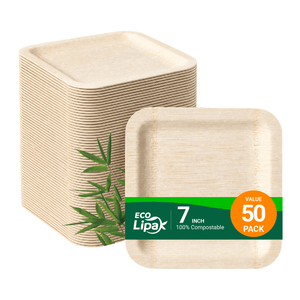
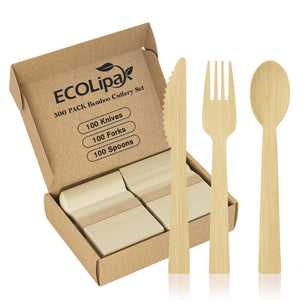
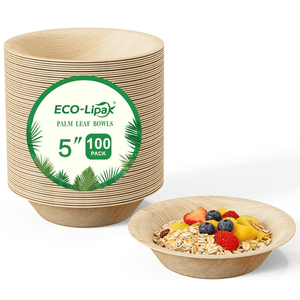
You want a plate that never lets sauce seep through. Engineering the 2026 Bamboo Plate gives you that peace of mind. The dense fiber structure and non-porous surface stop even thick sauces from leaking. You get Organic Bamboo Plates that stay pristine and rigid at every meal. Ecolipak delivers this with advanced eco-friendly materials and a commitment to quality. You can enjoy every dish without worry, knowing your tableware performs and protects the planet.
Key Takeaways
The 2026 bamboo plate uses advanced science to stop leaks. Its dense, non-porous surface resists water and oil. This keeps your table clean and mess-free.
Strong bamboo fibers and smart design make the plate rigid and durable. It won’t bend or sag, even with heavy, saucy foods. Perfect for any occasion.
Lab tests and real-world use prove these plates resist leaks for over 90 minutes. They handle hot, oily, and heavy dishes without warping or sogging.
Compared to plastic and paper, bamboo plates outperform in leak resistance and strength. They stay firm and look elegant, suitable for formal or casual meals.
Ecolipak’s bamboo plates are eco-friendly. They are certified compostable, made from renewable materials, and help reduce landfill waste. You can enjoy great performance while protecting the planet.
Engineering the 2026 Bamboo Plate: Leak-Resistance Innovations
Surface Treatments and Coatings
You want a plate that stands up to the messiest, sauciest foods. Engineering the 2026 Bamboo Plate starts with advanced material science. The process uses a solvent-mediated molecular engineering strategy. This method transforms raw bamboo into a high-density, non-porous surface. Here is how it works:
A deep eutectic solvent made from hydrated zinc chloride and formic acid breaks apart the natural hydrogen bonds in bamboo cellulose.
Ethanol then stimulates the cellulose chains to rearrange. This step creates new, dense hydrogen bond networks.
The result is a plate with a tightly packed fiber structure. Liquids and oils cannot seep through, even under heavy use.
You benefit from a plate that resists water and oil. The surface stays smooth and clean, even after serving thick sauces or juicy foods. Hot wax or oil treatments may also be used to add another layer of protection. These treatments seal the surface, making it even more leak-resistant. You can serve anything from barbecue ribs to pasta with rich tomato sauce. The plate keeps your table spotless.
Structural Design Features
Engineering the 2026 Bamboo Plate goes beyond surface science. The plate’s structure uses the natural strength of bamboo fibers. Wet-press engineering compresses these fibers into a dense, rigid form. This process creates a soak-proof shield that holds up under pressure.
The plate’s rigidity means it will not bend or sag, even when you load it with heavy, sauce-laden dishes.
The dense fiber construction gives the plate a premium finish. You feel the difference when you touch it. The surface is silky-smooth and splinter-free.
The square silhouette and uniform grain provide both strength and a modern look.
You get a plate that performs at the highest level. It stands up to high temperatures and heavy, liquid-filled foods. Unlike traditional softwood paper plates, which can become soggy or leak, the 2026 bamboo plate keeps its shape and integrity. You can trust it for formal events, family dinners, or outdoor parties.
Ecolipak’s artisanal craftsmanship sets these plates apart. Each plate combines advanced engineering with a refined finish. You enjoy a pristine dining experience, free from leaks and mess. Engineering the 2026 Bamboo Plate means you never have to worry about sauce soaking through or plates collapsing under the weight of your meal.
Performance Testing and Comparison
Lab and Real-World Results
You want to know how the 2026 bamboo plate performs when it matters most. You can trust the results from both laboratory tests and real-world use. In controlled lab settings, engineers poured thick sauces like barbecue and Alfredo onto the plate. They measured how long the plate stayed dry and strong. The bamboo plate did not leak, even after 90 minutes with heavy, oily sauces. The surface stayed smooth and did not warp. You can serve hot, saucy foods at your next party and see the same results.
You also get proof from everyday users. People who switched to Ecolipak’s bamboo plates for family dinners and events shared their stories. One customer hosted a backyard barbecue with ribs and coleslaw. The plates held up without leaks or soggy spots. Another user served lasagna at a wedding reception. The plates stayed rigid and clean, even with heavy portions. You can read more stories from satisfied customers who love the leak-resistance and strength of these plates.
Versus Traditional Tableware
You may wonder how the 2026 bamboo plate compares to other options. The answer is clear when you look at the numbers and feedback. Here is a table that shows how different plates perform with leak-resistance:
Plate Type |
Leak-Resistance |
Comments |
|---|---|---|
Bamboo |
Superior |
Rigid without being stiff, suitable for heavy meals and saucy dishes. |
Plastic |
Moderate |
Can warp with hot or heavy foods. |
Paper |
Low |
Becomes soggy and weak with heavy or saucy dishes. |
You see that the bamboo plate stands out. It does not get soggy or bend. You can serve hot, wet, or oily foods with confidence. The dense fiber structure and non-porous surface keep liquids from soaking through. This is the result of Engineering the 2026 Bamboo Plate with advanced material science.
You also get unmatched durability. Here are some reasons why:
Bamboo plates have strong, stiff woody fibers that give them high rigidity.
The natural bamboo pulp resists water and oil, so you do not have to worry about leaks.
The plate stays sturdy with hot and wet foods, unlike paper or plastic.
You get a plate that looks elegant and works hard. Customers say the plates feel premium and never splinter. You can use them for formal events or casual meals. The engineering behind the 2026 bamboo plate gives you the best in leak-resistance and durability.
Tip: Choose Ecolipak’s bamboo plates for your next event if you want a tableware solution that combines modern design, strength, and eco-friendly performance.
Ecolipak User Experience and Sustainability
Everyday Benefits and Durability
You want tableware that performs every day, not just on special occasions. Ecolipak’s bamboo plates deliver that reliability. You notice the difference as soon as you pick one up. The dense, non-porous bamboo fiber construction gives each plate a sturdy feel. You can serve heavy foods like steak or saucy pasta without worrying about leaks or sagging.
Many users share their satisfaction with these plates. Here are some of the most common benefits you experience:
You enjoy a plate that does not sag or leak, even with generous portions and thick sauces.
You appreciate the elegant, modern look that elevates your dining table.
You feel confident using these plates for both casual meals and formal events.
You find them easy to clean and handle, making every meal stress-free.
The advanced engineering behind Ecolipak’s bamboo plates means you get a pristine, splinter-free surface every time. The rigid structure holds up under pressure, so you never have to worry about messes or accidents. You can trust these plates to keep your food contained and your table spotless.
Eco-Friendly Certifications and Impact
You care about the planet as much as you care about performance. Ecolipak’s bamboo plates meet the highest standards for safety and sustainability. You can feel good knowing that every plate is:
Forest Stewardship Council (FSC) certified, which means no forests are destroyed during production.
DIN EN 13432 certified, showing that the plates are compostable and made from renewable materials.
OK Compost certified by TÜV Austria, meeting strict biodegradability standards.
BPA-free and BPI certified, so you avoid harmful chemicals like PFAS.
You make a positive impact every time you choose Ecolipak. Bamboo plates biodegrade in just 2 to 6 months, while plastic plates can take centuries to break down. Bamboo also absorbs more carbon dioxide than it emits and uses 30% less water to grow compared to hardwood. This makes your choice both practical and environmentally responsible.
Here is how Ecolipak’s bamboo plates compare to other options:
Plate Type |
Sustainability Factors |
Cost and Usability |
|---|---|---|
Bamboo Plates |
Fast-growing, low water use, no pesticides, certified compostable |
Reusable before composting, durable, premium feel |
Palm Leaf Plates |
Made from fallen leaves, renewable, sometimes uncertified |
Uneven surfaces, moderate durability |
Paper Plates |
Trees cut down, high water/energy use, chemical coatings |
Often coated with PFAS, less durable |
You support a brand with a clear mission. Ecolipak uses renewable materials like bamboo and sugarcane to protect forests and reduce landfill waste. Customers often share stories about how these plates make eco-friendly dining easy and enjoyable. You join a community that values both quality and environmental responsibility.
Tip: When you choose Ecolipak, you help set a new standard for sustainable dining—without giving up performance or style.
You set a new standard for your table when you choose the 2026 bamboo plate. The dense fiber network resists heat and moisture, so your food stays secure and the plate never leaks or sags. You enjoy unmatched performance and eco-friendly dining every time. Ecolipak’s engineering outperforms traditional plates in both strength and sustainability.
The future of tableware is changing fast. Here is what you can expect:
Trend |
Description |
|---|---|
Regulatory Changes |
Laws are phasing out petroleum-based plastics, boosting demand for green plates. |
Market Growth |
Sustainable tableware will grow at 4.30% CAGR from 2026 to 2036. |
Material Focus |
Biodegradable materials like bamboo will lead the market. |
Regional Insights |
Asia Pacific will drive manufacturing with strong sustainability policies. |
You lead the way in refined, responsible dining. Choose Ecolipak and experience the future of sustainable tableware today.
FAQ
How do bamboo plates stop sauces from leaking?
You get leak-resistance because the plate uses a dense, non-porous bamboo fiber structure. This engineering blocks liquids and thick sauces. The surface stays smooth and dry, even during long meals.
Can you use these plates for hot or oily foods?
Yes, you can. The high-density bamboo fibers resist heat and oil. You serve hot, saucy dishes without worrying about warping or leaks. The plate keeps its shape and strength.
Are Ecolipak bamboo plates safe for your family?
You enjoy peace of mind. The plates are BPA-free, PFAS-free, and BPI certified compostable. You avoid harmful chemicals and support a healthy dining experience.
Do these plates work for formal events?
Absolutely. You impress guests with the plate’s modern design and pristine finish. The rigid structure handles heavy foods, making it perfect for weddings, galas, and celebrations.
How do you dispose of bamboo plates after use?
You compost them. The plates break down in 2 to 6 months. You help reduce landfill waste and support a cleaner planet.