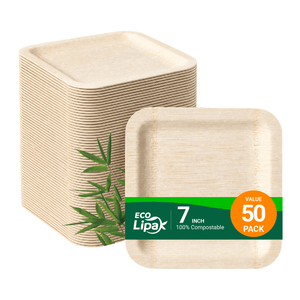
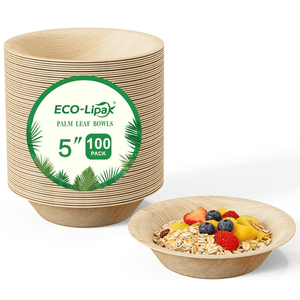
You experience unmatched rigidity when you use Square Organic Bamboo Plates, thanks to Bamboo’s Linear Fiber Structure. This unique structure gives you confidence to serve heavy gourmet entrées without worry. Ecolipak delivers premium, eco-friendly tableware that meets strict green certifications. You benefit from a product that is lightweight, strong, and trusted by the hospitality industry as regulations drive a shift from plastic to bamboo. Market trends show rising demand for durable bamboo options, making your dining experience both sustainable and reliable.
Key Takeaways
-
Bamboo plates are strong and durable due to their unique linear fiber structure, which prevents bending under heavy loads.
-
Choosing bamboo over plastic or paper is eco-friendly; bamboo plates decompose in months and do not leach harmful chemicals.
-
Ecolipak's bamboo plates are lightweight yet sturdy, making them perfect for both casual meals and formal events.
-
Bamboo's natural antibacterial properties keep your tableware clean and safe for all diners, including those with sensitive skin.
-
Using bamboo plates enhances your dining experience with elegance and reliability, impressing guests at any gathering.
Bamboo’s Linear Fiber Structure Explained
What Makes Bamboo Fibers Unique
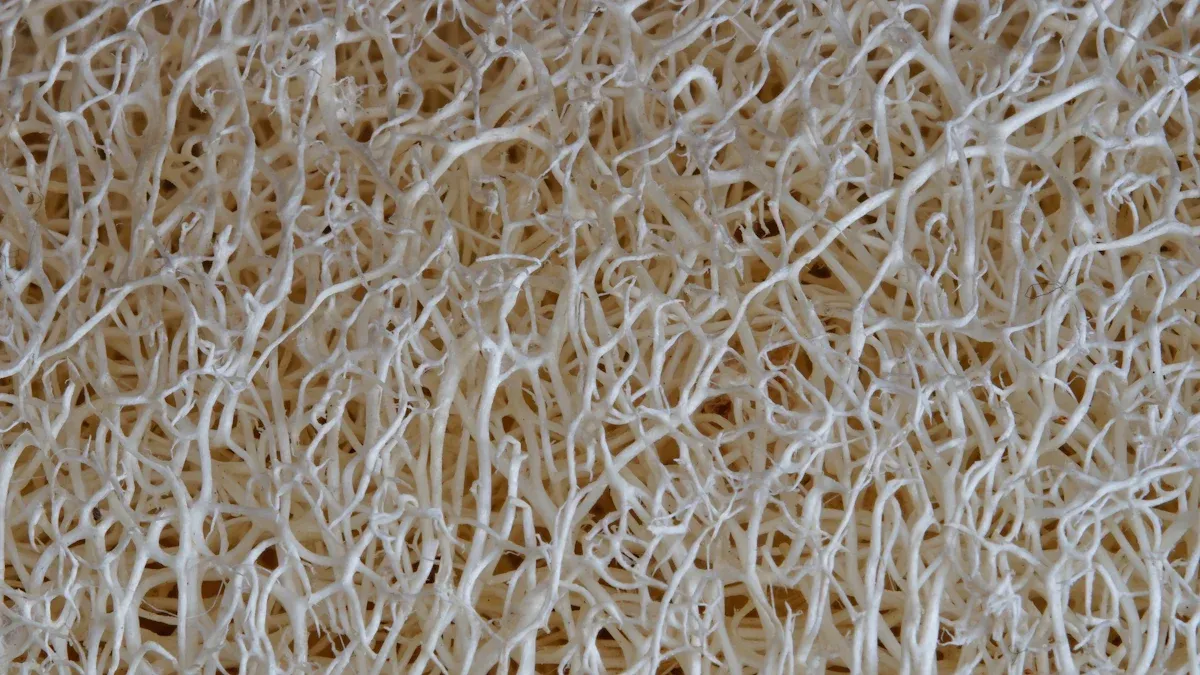
You might wonder why bamboo plates feel so sturdy in your hands. The answer lies in bamboo’s linear fiber structure. Unlike wood or plastic, bamboo fibers run in long, straight lines along the length of the plant. This natural arrangement gives bamboo its impressive strength and flexibility.
Bamboo fibers stand out for several reasons:
-
They are soft and breathable, making them comfortable to handle.
-
These fibers have natural antibacterial properties, which help keep your tableware clean.
-
Bamboo is hypoallergenic, so it is safe for people with sensitive skin.
-
The fibers show high tear resistance and tensile strength, which means they can handle heavy foods without breaking.
-
Bamboo grows quickly and uses little water, making it a sustainable choice.
Ecolipak uses only premium bamboo to craft its Compostable Bamboo Cutlery and plates. This careful selection ensures that every plate and utensil you use offers the best in strength and durability. When you choose Ecolipak, you support a product that is both eco-friendly and engineered for performance.
How Fiber Alignment Adds Strength
The way bamboo fibers line up plays a big role in making plates that resist bending. When you look at a bamboo plate, you see the result of fibers aligned in the same direction. This alignment lets the plate spread weight evenly, so even a heavy steak or a saucy entrée will not cause it to sag.
Researchers have found that this fiber alignment boosts both the strength and rigidity of bamboo products. The fibers act like tiny bridges inside the plate, stopping cracks from spreading and helping the plate stay strong under pressure. This is called the "bridging effect." Plates made with this method can handle more weight than those made from paper or plastic.
Let’s compare the strength of different materials used for tableware:
|
Material |
Flexural Strength (MPa) |
|
|---|---|---|
|
Bamboo |
142–265 |
155–273 |
|
ABS Plastic |
40 |
N/A |
|
PET Plastic |
55–75 |
N/A |
|
CPLA Plastic |
35–45 |
N/A |
|
Birch Wood |
50–100 |
N/A |
As you can see, bamboo outperforms common plastics and even birch wood in both tensile and flexural strength. This means your bamboo plate will not bend or break easily, even during large gatherings or formal events.
Tip: When you serve food on Ecolipak’s bamboo plates, you get the confidence of industrial-strength durability with the elegance needed for high-profile occasions.
Bamboo’s linear fiber structure is the secret behind this performance. The fibers’ natural alignment and strength make bamboo plates a top choice for anyone who values both sustainability and reliability.
Strength and Rigidity Under Heavy Loads
Weight Distribution and Flexibility
You notice the difference when you serve a heavy meal on a bamboo plate. The plate stays firm and does not bend, even with thick steaks or saucy entrées. This strength comes from Bamboo’s Linear Fiber Structure. The fibers run in straight lines, creating a dense network that spreads weight across the plate. You get a plate that feels solid in your hands and stands up to the demands of gourmet dining.
Laboratory tests show that bamboo can handle high loads. Engineers used analytical models to estimate how bamboo reinforces clay beds. The results proved that bamboo’s structure gives it lateral resistance and helps disperse vertical stress. Experimental studies found that bamboo grids increased the bearing capacity of clay beds more than commercial alternatives. These findings support the idea that bamboo plates can carry heavy foods without bending or breaking.
You benefit from this engineering strength every time you use Ecolipak’s bamboo plates. Customers share stories about hosting large events and serving multi-layered dishes. They report that the plates remain sturdy and reliable, even when loaded with food. You can trust these plates for both casual meals and formal occasions.
Tip: You can serve saucy appetizers or thick-cut meats with confidence. The plate will not sag or leak, keeping your food presentation upscale and your dining experience worry-free.
Comparing Bamboo to Other Materials
You may wonder how bamboo plates compare to plastic or paper plates. The answer is clear when you look at real-world performance and laboratory data.
-
Bamboo plates handle heavy meals without bending.
-
Plastic plates may feel strong at first, but they can warp with hot or heavy foods.
-
Paper plates often become soggy and weak, especially with saucy or heavy dishes.
Here is a table that shows the strengths and weaknesses of each plate type:
|
Plate Type |
Strength |
Weakness |
|---|---|---|
|
Bamboo |
Sturdy and resistant to tearing |
None noted |
|
Plastic |
Initially strong but can warp |
Warps with heavy or saucy foods |
|
Paper |
Weak and prone to sogginess |
Becomes soggy with heavy foods |
You see that bamboo plates offer superior rigidity and reliability. They do not bend or leak under weight. Plastic plates can bend or warp, and paper plates often fail with heavy foods. Controlled tests show that bamboo plates are rigid without being stiff. They are best for real meals, events, and outdoor parties.
Ecolipak’s customer stories highlight these advantages. Users praise the plates for their durability and elegant appearance. They enjoy the confidence that comes from using a plate that will not collapse, even during high-profile events. You get a premium dining experience and help protect the environment at the same time.
Note: The manufacturing process, storage environment, and proper maintenance all influence the durability of bamboo plates. Ecolipak uses high-quality manufacturing to ensure structural integrity and density, giving you plates that last and perform well.
You experience the benefits of Bamboo’s Linear Fiber Structure every time you choose Ecolipak. The plates deliver engineering strength, upscale presentation, and eco-friendly reliability for any occasion.
Ecolipak’s Sustainable Dining Experience
Benefits for Events and Everyday Use
You want tableware that stands up to real-life demands. Ecolipak’s bamboo plates and Compostable Bamboo Cutlery give you that confidence. You can serve hot, cold, or saucy foods at weddings, parties, or family dinners. The plates do not bend or leak, even with heavy gourmet entrées. This strength comes from Bamboo’s Linear Fiber Structure, which spreads weight evenly and keeps your food secure.
You help the planet every time you choose bamboo over plastic or paper. Bamboo plates break down in months, not centuries. They do not leach chemicals into your food. You also use less water and energy, since bamboo grows fast and needs little care. Here is how bamboo compares to plastic:
|
Factor |
Bamboo |
Plastic |
|---|---|---|
|
CO₂ Absorption |
Absorbs more than it emits |
None |
|
Biodegradability |
2–6 months |
450–1000 years |
|
Water Usage |
30% less than hardwood |
High in manufacturing |
|
Chemical Safety |
Free from toxins |
Can leach harmful chemicals |
You support sustainable event management and help reduce food waste. Guests enjoy a safe, chemical-free dining experience. Many customers say the plates feel sturdy and look beautiful, even at formal events. You get peace of mind knowing your tableware is both practical and eco-friendly.
Eco-Friendly and Elegant Tableware
You want your table to look as good as it feels. Ecolipak’s bamboo plates feature natural grain patterns and warm colors. The modern design fits both casual meals and upscale galas. You impress guests with a premium, handcrafted look that stands out from ordinary disposables.
Ecolipak holds top certifications for sustainability and safety. You can trust these plates because they are:
-
Forest Stewardship Council (FSC) certified, so no forests are destroyed.
-
DIN EN 13432 certified, which means they are compostable and made from renewable materials.
-
OK Compost certified by TÜV Austria, meeting strict biodegradability standards.
You avoid harmful chemicals, since the plates are BPA-free and BPI certified. Customers praise the durability and convenience. You can serve any dish with confidence, knowing the plates will not collapse or leak.
Tip: Choose Ecolipak for your next event to combine engineering strength, eco-friendly values, and elegant presentation in every meal.
You see the difference when you choose bamboo plates with a linear fiber structure. This design gives each plate strong rigidity and stops bending, even with gourmet meals. Ecolipak’s tableware stands out for its blend of eco-friendly materials, premium look, and trusted performance.
|
Feature |
Benefit |
|---|---|
|
Linear fibers |
Prevent bending under heavy loads |
|
Better vibration control than metals |
|
|
Chemical-free |
Safe for food and the environment |
You get plates that are sturdy, safe, and elegant. Choose Ecolipak for your next event and enjoy reliable, sustainable dining.
FAQ
How do bamboo plates resist bending under heavy food?
Bamboo plates use a linear fiber structure. The fibers run in straight lines. This design spreads weight across the plate. You get strong support for heavy gourmet entrées without bending or collapsing.
Are bamboo plates stronger than paper or plastic plates?
Yes. Bamboo plates have higher tensile and flexural strength. You can see the difference in this table:
|
Material |
Strength Level |
|---|---|
|
Bamboo |
Superior |
|
Plastic |
Moderate |
|
Paper |
Weak |
Can I use bamboo plates for hot or saucy foods?
You can. Bamboo plates resist heat and moisture. The dense fiber network keeps the plate rigid. Your food stays secure, and the plate does not leak or sag.
Are Ecolipak bamboo plates safe for food?
Yes. Ecolipak bamboo plates are BPA-free, non-toxic, and certified compostable. You serve food with confidence, knowing the plates meet strict safety standards.
Why do chefs and event planners choose bamboo plates?
Chefs and planners trust bamboo plates for their strength and upscale look. You get reliable performance at formal events. The plates hold heavy dishes and keep your presentation elegant.