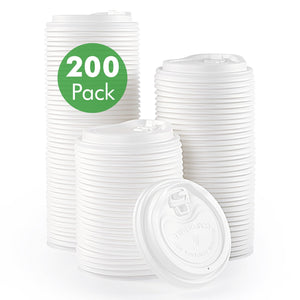
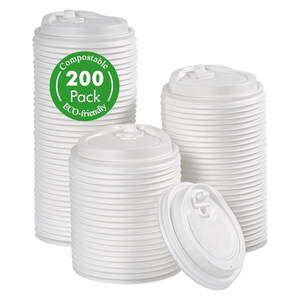
Quick Answer: Buy the 200-count box of 3.54-inch CPLA cup lids when you are validating cup fit, launching a drink program, or using fewer than a case during the product's safe storage window. Move to the 1,200-count carton after the lid has passed a real service test on the exact cup rim. At current prices, 200 lids cost $28.99, or about $0.145 each; 1,200 cost $165.24, or about $0.138 each. The carton saves about $8.70 compared with six boxes, but only when the fit and demand are already proven.
Key Takeaways
- A 3.54-inch lid is approximately 90 millimeters, but diameter must match the cup rim specification rather than the cup's ounce label.
- The 200-count box is the lower-risk format for fit testing, seasonal menus, and low-volume counters.
- The 1,200-count carton lowers current unit cost by about 0.7 cents and reduces how often staff open a new package.
- “Universal fit” does not remove the need for a snap, carry, and leak check on every cup model used.
- CPLA is associated with commercial composting conditions; local acceptance must be confirmed before making disposal claims.
Cup lids cause outsized operational problems because a near match can look correct while sitting on the rim. The failure appears later: a lid lifts during pickup, a seam leaks in a delivery bag, or staff press so hard that they deform the cup. For a cafe, office pantry, hotel station, or caterer, the first purchase decision is therefore fit. Case price comes second.
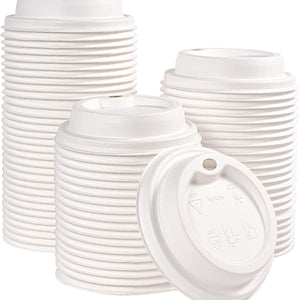
The ECO-Lipak 3.54-inch CPLA cup lid is a white hot-drink lid listed in 200-count boxes and 1,200-count cartons. The product listing references use with 10-, 12-, 16-, and 20-ounce paper cups, but those volumes are not a universal fit standard. Different cup manufacturers can use different rim diameters for the same nominal capacity.
200 vs 1,200 Lids: Current Cost
| Pack | Listed Price | Approx. Unit Cost | Operational Fit |
|---|---|---|---|
| 200/box | $28.99 | $0.145 | Fit test, low volume, trial menu, limited storage |
| 1,200/carton | $165.24 | $0.138 | Validated fit, steady demand, planned case storage |
Prices were visible on September 18, 2026 and can change. Six 200-count boxes would cost $173.94 at the same listed price, so the 1,200-count carton saves $8.70 before shipping and tax. That is a real but modest saving. A single mismatch, forgotten carton, or crushed sleeve can erase it. Treat the smaller box as inexpensive fit insurance when cups or suppliers are changing.

How to Test a 3.54-Inch Lid Safely
Use cups from normal inventory, not only a supplier sample. If two cup brands are used interchangeably, test both. Conduct the hot-drink test in a controlled prep area with protective handling and water at the operation's normal service temperature.
- Confirm the cup's stated rim diameter and compare it with the 3.54-inch, roughly 90-millimeter lid specification.
- Fill the cup to the normal service line, leaving the normal headspace.
- Press around the full rim and listen or feel for an even snap.
- Inspect for sections that sit high, wrinkle, or release under light side pressure.
- Carry the cup in a tray and by hand for the normal customer route.
- Tilt gently over a sink, never toward a person, and check the rim and sip opening.
- Repeat with several lids and cups from different sleeves before approval.
A lid should install without excessive force and remain evenly seated. Do not squeeze a cup to make a lid fit. If the rim buckles, the lid spins freely, or one section repeatedly lifts, stop and verify the cup specification. A “works most of the time” result is not good enough for hot beverages.
Three Real Buying Scenarios
1. An independent cafe selling 60 lidded drinks a day
At 60 drinks per day, a 200-count box lasts about 3.3 operating days, while a 1,200-count carton lasts about 20. The cafe should first test a 200-count box against every hot-cup size sharing the 90-millimeter rim. Once fit is documented, a carton reduces replenishment touches. With a seven-day supplier lead time and three days of reserve, the reorder point is about 600 lids.
2. A caterer planning a 350-drink conference
The caterer has one confirmed event but uncertain next-month demand. Two boxes provide 400 lids and a sensible event buffer without leaving 850 extra pieces. If the same cup-and-lid system is part of several booked events totaling more than 1,000 drinks, the carton becomes easier to justify. The team should reserve one unopened sleeve as contingency stock and protect it from transport damage.
3. An office pantry using 18 lids each weekday
At roughly 390 lids per month, a 200-count box lasts a little over two working weeks and a carton about three months. The carton offers a small unit saving, but the office must have clean, dry storage and enough turnover to use it without scattering open sleeves across multiple cabinets. A labeled par level often matters more than a few dollars of case savings.

Set a Reorder Point From Daily Use
Reorder point = average daily lid use x supplier lead-time days + reserve stock. Use paid-drink or cup counts rather than estimates. If 75 lids are used daily, lead time is six days, and the operation wants a four-day reserve, reorder when inventory reaches 750 lids.
| Average Use | 200-Count Box Lasts | 1,200-Count Carton Lasts | Likely Starting Choice |
|---|---|---|---|
| 15/day | 13.3 days | 80 days | Box unless storage and demand are stable |
| 50/day | 4 days | 24 days | Carton after fit approval |
| 120/day | 1.7 days | 10 days | Carton with a defined reorder point |
Demand should include replacements. Track lids discarded because they were dropped, installed on the wrong cup, or damaged in an open sleeve. If loss is high, changing the coffee-station layout may save more than buying the larger carton. Label each lid lane with the matching rim size and keep incompatible lids physically separated.
What CPLA Means for Disposal
CPLA is crystallized polylactic acid, a heat-tolerant form of PLA used for applications such as hot cup lids and cutlery. “Plant-based” and “compostable” do not mean the lid belongs in paper recycling, conventional plastic recycling, or every backyard pile. The correct route depends on the product's certification and the facility that will receive it.
BPI's certification program covers products designed for commercial composting systems. A BPI mark is not proof that an item will break down in a home compost bin. Confirm that the exact purchased item is certified, then ask the local commercial composting program whether it accepts CPLA cup lids.
The FTC summary of the Green Guides explains why environmental claims should be specific and properly qualified. At a beverage station, a plain instruction such as “Commercial compost only where accepted” is more useful than a broad “eco-friendly” message. If no appropriate program is available, do not direct guests to contaminate another recovery stream.
Buyers who need cups and lids together can compare the ECO-Lipak compostable cup collection. Bundled sets can simplify matching, but the received carton should still be checked before service.
Receiving and Storage Checklist
- Match the purchase order to the exact 3.54-inch lid SKU and count.
- Inspect outer cartons and several inner sleeves for crushing or distortion.
- Test random lids on cups from current inventory.
- Record which cup brands, sizes, and lot numbers passed.
- Store covered sleeves in a clean, dry area away from heat and direct sunlight.
- Use older stock first and keep incompatible diameters in separate labeled locations.
- Recalculate the reorder point after four weeks of actual use.
Frequently Asked Questions
Is 3.54 inches the same as 90 millimeters?
It is approximately 90 millimeters. Use the manufacturer's rim specification and a physical fit test because nominal measurements and rim profiles can vary.
Will one lid fit 10-, 12-, 16-, and 20-ounce cups?
It can fit multiple capacities when those cups share the same compatible rim. Ounce capacity alone does not guarantee fit.
How much does the 1,200-count carton save?
At September 18, 2026 prices, it saves $8.70 compared with buying six 200-count boxes, or about 0.7 cents per lid before shipping and tax.
When should a business buy the 200-count box?
Choose it for an initial fit test, a temporary menu, low daily use, a supplier transition, or limited storage. Move to the carton after fit and turnover are reliable.
Can CPLA lids go in a home compost bin?
Do not assume they can. CPLA products are generally associated with controlled commercial composting conditions. Follow the exact certification and the receiving program's rules.