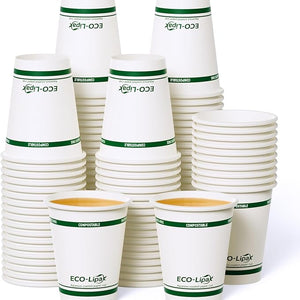
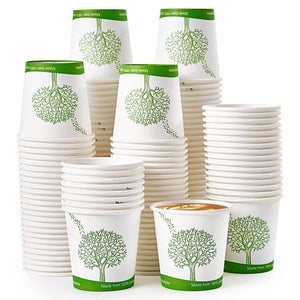
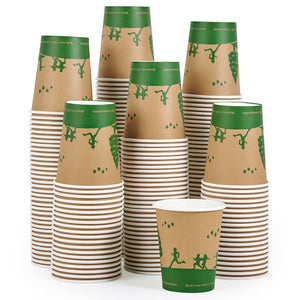
Quick Answer: Choose an 8 oz PHA-lined paper cup for smaller servings, 12 oz for a standard cafe drink, or 16 oz for a larger beverage. ECO-Lipak currently packs these sizes in boxes of 400, 270, and 240 respectively, so the right choice depends on both your menu and your event count. Order from the current PHA-lined cup listing, then test your actual beverage and lid fit before committing to a large service.
Key Takeaways
- At current listed prices, the 8 oz box is $43.99 for 400 cups, the 12 oz box is $45.99 for 270, and the 16 oz box is $48.99 for 240. Check live pricing at checkout.
- The approximate cup-only costs are $0.110, $0.170, and $0.204, before shipping, tax, lids, sleeves, and waste.
- The listing describes PHA-lined cups for hot and cold drinks. PHA describes the lining, not a universal disposal route or a guarantee for every drink temperature.
- Buy for your menu first, then round the projected servings plus a small reserve up to whole boxes.
What Changes Between 8, 12, and 16 oz?
The printed ounce size is cup capacity, not an instruction to fill every drink to the brim. An 8 oz cup may fit a small coffee, tea, tasting pour, or children's drink. A 12 oz cup is a familiar middle size when milk or ice takes up some of the volume. A 16 oz cup works when the recipe calls for more room, but it can encourage an unexpectedly generous pour if staff are not using a measured recipe. Check the rim diameter, your standard lid, and the beverage level in a sample cup. Do not assume a lid sold for another cup range will seal this one.
| Listed size | Cups per box | Current box price | Approx. cup-only cost | Practical starting point |
|---|---|---|---|---|
| 8 oz | 400 | $43.99 | $0.110 | Small hot drinks or samples |
| 12 oz | 270 | $45.99 | $0.170 | Standard cafe serving |
| 16 oz | 240 | $48.99 | $0.204 | Larger drinks and iced recipes |
These calculations divide the current box price by the stated cup count and round to the nearest tenth of a cent. They are a comparison tool, not a promise that each finished drink costs that amount. An iced drink also has ice, beverage ingredients, perhaps a lid or straw, and the time spent preparing it. For a deeper look at cup construction, see our paper coffee cup materials guide.

How Many Boxes Should You Order?
Estimate the number of drinks you will serve in each size, add a reserve that matches your event risk, then divide by that size's box count and round up. A 10% planning buffer is a convenient example, not a universal requirement. A staffed coffee bar with reliable past sales may need less; a public festival with uncertain traffic may need more. Keep the three sizes separate in the calculation. A spare 8 oz cup will not solve a shortage of 16 oz iced-drink cups.
Suppose a team expects 240 drinks of one size and allows 10% extra: 240 x 1.10 = 264 cups. One 400-count box covers that need in 8 oz, and one 270-count box covers it in 12 oz. The 16 oz option requires two 240-count boxes. Buying the cheapest box therefore is not the same as buying the best cup for the menu. If the recipe truly needs 16 oz, use 16 oz and plan for the unused balance rather than downsizing a sold drink.
For an ongoing cafe, compare box counts against a week of transactions by size, not against total foot traffic. For a one-day event, keep sealed spare boxes if the supplier's return policy permits it. Before ordering, look at the cup collection to compare formats and verify that the selected size is currently available.
Three Service Situations
Small coffee and tea counter
If most orders are short hot drinks, start with 8 oz and test filled-cup handling during a busy hour. Measure the recipe instead of relying on visual fill. A hot drink can feel very different from room-temperature water in the same cup. Staff may still need sleeves or a double-cup procedure based on their service rules. Buy those separately if required; they are not part of the cup count above.
Office coffee bar with two menu sizes
Suppose the order estimate is 180 small drinks and 130 standard drinks. With 10% extra, plan for 198 small cups and 143 standard cups. One 400-count 8 oz box and one 270-count 12 oz box cover those projected counts, but the leftover stock is different in each size. Label storage shelves by size, and record actual usage after the event. That simple feedback makes the next wholesale order more accurate.
Iced-drink station
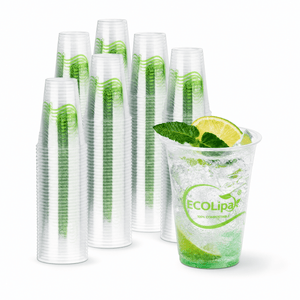
A 16 oz iced beverage may need space for ice and a lid. Brewed tea served cold, sparkling drinks, and milk-based drinks behave differently at the rim, so do a filled-cup test with the exact recipe. If the program is exclusively cold drinks, compare this cup with clear cold cups rather than assuming the same presentation suits both. Determine whether the lids you already stock actually fit.

What Does the PHA Lining Mean for Disposal?
PHA is a family of polymers that can be made by microbial fermentation. That material fact does not by itself tell a customer whether a used, coated cup belongs in their home compost, a commercial organics bin, or ordinary trash. The cup includes paper and a lining, and the end-of-use route depends on the complete product, its certification, and the local processor. The US EPA's foodservice ware guidance is a useful starting point for checking claims and collection routes. Ask your hauler which specific cup it accepts before adding a compost-bin sign.
For the same reason, avoid treating broad phrases such as marine biodegradable as an operating instruction. They are not permission to litter, and they do not substitute for a tested collection program. For customers, use a plain bin label based on your site's actual service. The FTC Green Guides summary explains why compostability and degradability claims need appropriate qualification.
Final Buying Check
Before you place the order, confirm five things: drink recipe and realistic fill line; number of servings by size; whole-box quantity after your buffer; lid and handling fit; and the disposal option offered at the service location. Keep the current product page open while checking price and availability because those can change. The PHA cup line is a useful option for mixed hot-and-cold menus, but the strongest purchasing decision comes from a measured trial and a count that matches the menu, not a material slogan.
Frequently Asked Questions
Are PHA-lined paper cups plastic-free?
The product listing uses that phrase, but PHA is a polymer lining. If your purchasing policy defines plastic-free in a particular way, ask for the full material specification and certification before making that claim to customers.
Can I put hot coffee in the 8 oz cup?
The listing describes hot-and-cold use. Test a filled cup at your actual serving temperature for leakage, handling comfort, and lid fit. A smaller capacity does not remove the need for safe hot-drink service.
How many 12 oz boxes cover 500 drinks?
At 270 cups per box, two boxes provide 540 cups. That leaves 40 cups before any breakage or extra orders. If 500 is your expected sales rather than your maximum, decide on a reserve first.
Do these cups come with lids?
The cup variants list cup counts. Do not count on lids being included unless the current product listing explicitly says so. Check lid diameter and seal in a real service trial.
Can a used PHA-lined cup go in the compost bin?
Only if the complete cup meets the program's acceptance rules and the local collector confirms it. Material origin alone cannot establish a disposal route.