You might think your to-go coffee comes in a safe “paper” cup, but most disposable cups contain a hidden layer of plastic. In fact, about 90 to 95% of each cup is paper, while the remaining 5% is a thin plastic coating. This plastic lining can interact with your hot drink, raising concerns for your health and taste. Understanding what’s in your cup matters if you want to keep your coffee pure and safe. Plastic Coatings Harm more than just the environment—they can affect your daily brew. Choosing Compostable Cups gives you a safer, eco-friendly option for every sip.
Key Takeaways
Most disposable coffee cups contain a hidden plastic lining that can leach harmful chemicals into your drink.
Choosing cups with plant-based PLA linings helps you avoid exposure to microplastics and toxins, ensuring a safer beverage.
Hot drinks increase the release of microplastics and chemicals from plastic liners, posing greater health risks than cold drinks.
Switching to compostable cups reduces plastic waste and supports a healthier environment while protecting your health.
Always check the lining of your coffee cup; opting for PLA-lined cups is a simple way to enjoy your coffee safely.
Plastic Coatings Harm in Coffee
What Are Plastic Liners?
When you pick up to-go coffee cups, you might think you are holding paper. In reality, most of these cups have a thin layer of plastic inside. This layer keeps your drink from soaking through the cup. The most common type is polyethylene. Polyethylene comes from petroleum and acts as a waterproof barrier. Some cups use polylactic acid, or PLA, which is a plant-based plastic. PLA is made from fermented plant starches like corn and is certified compostable.
Most standard paper coffee cups use polyethylene linings, which make recycling difficult.
Polyethylene is a petroleum-based plastic and is the most common liner.
PLA linings come from plants and are compostable.
You need to know the difference because plastic coatings harm your drink and your health. Polyethylene coatings can release dangerous chemicals and microplastics. PLA linings, on the other hand, do not release toxins, even when you pour in hot coffee. Choosing cups with PLA linings helps you avoid exposure to harmful chemicals.
How Heat Releases Toxins
Hot drinks can turn your cup into a source of toxins. When you pour hot coffee into a cup with a polyethylene coating, the heat causes the plastic to break down. This process releases microplastics and chemicals into your drink. Studies show that when water temperature rises from 41°F to 140°F, microplastic release from polyethylene liners increases by 32.7%. The surface of the cup becomes rougher at higher temperatures, which leads to even more microplastics entering your coffee.
You also face exposure to several dangerous chemicals:
Phthalates: These chemicals make plastic soft. They can leach into your drink and are linked to developmental issues in children.
BPA: This chemical is common in plastics. BPA exposure is associated with obesity, type 2 diabetes, and hypertension.
PFAS: These are known as "forever chemicals." PFAS are used for heat and water resistance. They stay in your body and the environment for a long time and pose serious health risks.
If you use to-go coffee cups with polyethylene coatings, you risk drinking these chemicals every day. PLA linings offer a safer choice. PLA does not release BPA, PFAS, or other dangerous chemicals, even when exposed to high temperatures. This makes PLA-lined cups a better option for your health.
Microplastics in Your Brew
Microplastics are tiny pieces of plastic that you cannot see, but they can end up in your coffee. When you use cups with plastic coatings, especially those with polyethylene, you may drink thousands of microplastic particles without knowing it. Research found that disposable coffee cups with plastic liners can release about 25,000 microplastic particles into just 100 ml of coffee within 15 minutes. This happens because the polyethylene film breaks down in hot water.
A recent study measured the amount of microplastics in different types of cups:
Cup Type |
Microplastic Count (particles per liter) |
|---|---|
PE-coated paper cups |
126 to 1,420 |
Polystyrene cups |
Highest release |
PP, PE, EPS cups |
Lower than polystyrene |
All tested beverages contained microplastics. The sizes ranged from 10 to 157 micrometers. The most common materials found were polypropylene, polyethylene terephthalate, polystyrene, and polyethylene.
You should know that plastic coatings harm your drink every time you use a cup with a polyethylene coating. The more you use these cups, the more microplastics and chemicals you may ingest. PLA-lined cups do not have this problem. PLA does not shed microplastics or leach BPA, PFAS, or other dangerous chemicals into your coffee, even when the drink is hot.
Tip: Choose cups with plant-based PLA linings to keep your coffee free from microplastics, BPA, PFAS, and other chemicals. Protect your health and enjoy every sip with confidence.
To-Go Coffee Cups: Hot vs. Cold
Temperature and Chemical Leaching
You may not realize how much temperature affects the safety of your beverages. When you pour hot coffee into a plastic-lined cup, the heat speeds up chemical leaching. Scientists found that hot beverages cause plastic liners to break down much faster than cold beverages. This process releases microplastics and harmful chemicals into your drink.
Take a look at the table below. It shows how temperature changes the leaching rate and microplastic release in plastic-lined cups:
Beverage Temperature |
Leaching Rate |
Time to Degradation |
|---|---|---|
Hot (85°C) |
High |
20 minutes |
Cold |
Low |
Not specified |
Beverage Temperature |
Microplastics Released |
Quantity |
|---|---|---|
Hot |
Yes |
|
Cold |
No |
N/A |
Experiment Condition |
Temperature |
Duration |
Result |
|---|---|---|---|
Hot Water |
15 min |
High leaching observed |
|
Cold Water |
< 20 °C |
N/A |
Low leaching observed |
Hot beverages break down plastic liners quickly. You risk drinking thousands of microplastic particles in just one cup. Cold beverages do not cause the same level of chemical leaching. The plastic stays intact, and fewer microplastics enter your drink.
Comparing Hot and Cold Drinks
You should know that hot beverages pose a greater risk than cold beverages. Studies show that hot liquids increase microplastic release from plastic cups. When you switch from cold to hot water, microplastic shedding rises by 33%. If you drink coffee daily from a plastic-lined cup, you could ingest up to 363,000 microplastic particles each year.
Hot beverages cause more microplastics and chemicals to enter your drink.
Cold beverages are safer in plastic-lined cups, but some leaching still happens.
Plant-based PLA linings prevent chemical leaching, even with hot beverages.
You can protect your health by choosing cups with PLA linings. These cups keep your beverages safe from microplastics and harmful chemicals. Office breakroom managers and health-conscious families should make the switch to plant-based options. You deserve to enjoy your beverages without worrying about hidden toxins.
Tip: Always check the lining of your coffee cup. PLA-lined cups offer a safer choice for hot and cold beverages.
Debunking the “Paper Cup” Safety Myth
What’s Inside “Paper” Cups?
You may believe that paper cups are safe for your coffee. Most people think these cups contain only paper. In reality, almost all disposable cups have a thin plastic lining. This lining keeps your drink from soaking through the cup. Most disposable cups use polyethylene, a type of plastic made from oil. Some newer cups use plant-based PLA instead of traditional plastic. You need to know what lines your cup because it affects food safety.
Here is a simple table to show what you might find inside your cup:
Cup Type |
Lining Material |
Food Safety Risk |
|---|---|---|
Standard Paper Cup |
Polyethylene |
High |
Compostable Cup |
PLA |
Low |
You should always check the label on disposable cups. If you see "PLA," you can feel more confident about safety. PLA linings do not release harmful chemicals into your drink. Polyethylene plastic can break down and leach chemicals, especially with hot drinks. This can affect both taste and food safety.
Common Misconceptions
Many people think all paper cups are safe for hot drinks. This is not true. Most disposable cups contain plastic, which can cause problems for food safety. You may also believe that disposable cups are always recyclable. Most recycling centers cannot process cups with plastic linings. This means most disposable cups end up in landfills.
Let’s clear up some common myths:
"Paper cups are plastic-free."
Most disposable cups have a plastic lining."Disposable cups are always safe for hot drinks."
Plastic linings can leach chemicals when heated."You can recycle all disposable cups."
Plastic linings make recycling difficult.
Note: For better beverage safety, choose cups with plant-based PLA linings. These cups protect your health and help the environment.
You can make a difference by choosing safer disposable cups. Look for compostable options with PLA linings. This choice supports food safety and reduces plastic waste. You help protect your family, your office, and the planet.
Health Risks of Microplastics in Coffee
Short- and Long-Term Effects
You face real health risks when you drink coffee from cups lined with plastic. Hot coffee can cause the plastic to break down and release microplastics, bpa, phthalates, and other chemicals into your drink. These chemicals do not just stay in your cup. They enter your body with every sip.
Short-term exposure to these chemicals can cause inflammation and upset your stomach. You may feel tired or have headaches. Over time, the risks grow. Long-term exposure to microplastics, bpa, and phthalates can disrupt your endocrine system. This system controls your hormones. When chemicals like bpa and phthalates enter your body, they can cause hormonal imbalances. These imbalances can affect your mood, sleep, and even your growth.
You should know that microplastics and chemicals can build up in your body. This buildup can lead to more serious health problems. Scientists call this a public health concern. You may face higher risks of heart disease, reproductive issues, and even problems with memory and thinking.
Here is a table that shows what scientists have found about microplastics and health:
Health Outcome |
Evidence Description |
|---|---|
Inflammation |
Microplastics induce oxidative stress in neuronal cells, leading to inflammation. |
Cognitive Impairment |
Population data shows higher prevalence of cognitive disabilities in high exposure areas. |
Cardiovascular Risk |
Patients with microplastics in carotid plaques have a 4.5 times higher risk of heart attack, stroke, or death. |
Reproductive Health |
Microplastics found in follicular and seminal fluid linked to decreased fertility and hormonal disruptions. |
What Science Says
Experts warn that hot drinks in plastic-lined cups release microplastics, bpa, phthalates, and other chemicals into your coffee. You should never microwave these cups. Heat makes the plastic break down faster and increases chemical leaching.
Hot liquids can cause microplastics to detach from the plastic liner, leading to ingestion of harmful particles.
You should also know that chemicals like bpa and phthalates can disrupt your endocrine system. This can lead to health problems such as hormonal changes, lower fertility, and even increased risk of disease. Experts recommend using cups with plant-based PLA linings. These cups do not release bpa, phthalates, or microplastics, even with hot coffee. You can protect your health by choosing safer options for your daily brew.
Concern |
Description |
|---|---|
Microplastics |
Hot liquids cause microplastics to detach from the plastic liner. |
Chemical Leaching |
Heat triggers the release of harmful chemicals into beverages. |
Health Impacts |
Exposure to microplastics and chemicals is linked to inflammation, hormonal disruptions, and other health issues. |
Tip: Choose plant-based PLA-lined cups to keep your coffee safe from microplastics, bpa, and phthalates.
Ecolipak Solutions: Safe, Eco-Friendly Coffee Cups
12 oz Compostable Paper Coffee Cups with CPLA Lids
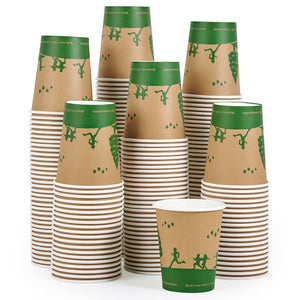
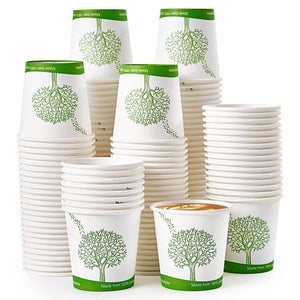
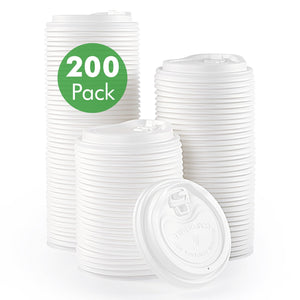
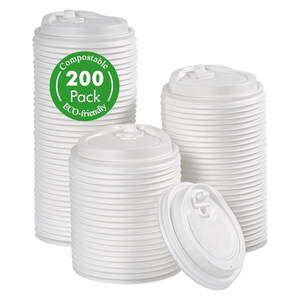
You want a coffee cup that keeps your drink safe and your health protected. Ecolipak’s 12 oz compostable paper coffee cups with CPLA lids offer a smart alternative to traditional plastic-lined cups. These cups use a plant-based PLA lining instead of petroleum-based plastic. PLA is renewable, heat-stable, and non-toxic. You get a "zero-toxic sipping" experience every time. The CPLA lids are compostable, so you avoid extra plastic waste. Ecolipak’s cups break down naturally, supporting a healthier environment and reducing landfill waste.
Regular Disposable Paper Cups |
||
|---|---|---|
Microplastic Risk |
Yes |
Minimal to none |
Inner Coating |
Polyethylene (plastic) |
Plant-based (PLA or similar) |
Safety from Harmful Chemicals |
Contains BPA and other harmful substances |
Free from BPA, wax, or gluten |
You can trust Ecolipak’s cups to keep your coffee free from microplastics and harmful chemicals. The PLA lining does not leach toxins, even with hot drinks.
Why Choose Ecolipak for To-Go Coffee?
Ecolipak’s mission is to invent new products that meet consumer needs while raising awareness about eco-friendly packaging. You support green living when you choose Ecolipak. The cups meet strict standards for compostability and sustainable sourcing.
Certification/Standard |
Description |
|---|---|
FSC |
Forest Stewardship Council certification ensuring sustainable sourcing of materials. |
DIN EN 13432 |
European standard for compostable packaging, ensuring it meets specific compostability criteria. |
Region |
Core Standard |
Key Compliance Risk |
|
|---|---|---|---|
USA |
ASTM D6400 + BPI |
Strict |
Labeling fines, bans |
Europe (EU) |
EN13432 |
Very strict |
Border seizure, fines |
You help protect the planet and your health. Ecolipak makes it easy for you to choose biodegradable products for your daily routine. You avoid plastic and chemical leaching every time you use these cups.
Customer Experiences with Ecolipak
You can see how Ecolipak cups make a difference for real people.
Customers appreciate the eco-friendliness of Ecolipak coffee cups.
Many users find the cups sturdy and visually appealing compared to regular disposable options.
Overall satisfaction is noted, with users feeling they are making a healthy, eco-friendly choice.
You join a community of coffee drinkers who value safety and sustainability. You can use a reusable cup for some occasions, but Ecolipak’s compostable cups give you a reliable option when you need convenience. You make a positive impact every time you choose Ecolipak.
Tip: Choose Ecolipak’s compostable coffee cups for a safe, plastic-free beverage experience. You protect your health and help the environment with every sip.
You face real risks when you use coffee cups with plastic liners. Harmful chemicals and microplastics can seep into your drink, leading to health concerns like endocrine disruption and increased cancer risk. Choosing eco-friendly alternatives like Ecolipak helps you avoid these dangers and supports a cleaner planet.
Compostable cups use plant-based materials that break down quickly.
You protect your health and reduce plastic waste.
Make the switch to Ecolipak’s compostable coffee cups. Enjoy every sip safely and responsibly.
FAQ
What is the main risk of using plastic-lined coffee cups?
You risk drinking microplastics and harmful chemicals when you use plastic-lined cups. Hot drinks cause the plastic to break down. This can affect your health over time.
How do plant-based PLA linings keep my coffee safer?
PLA linings come from plants. They do not release toxins or microplastics, even with hot drinks. You get a safer, cleaner beverage every time.
Can I compost Ecolipak cups at home?
You should use a commercial composting facility for Ecolipak cups. Home composting may not break them down fully. Check local guidelines for composting options.
Are Ecolipak cups safe for both hot and cold drinks?
Yes! Ecolipak cups work well for hot and cold drinks. The PLA lining resists heat up to 140°F. You enjoy your beverage without worrying about chemical leaching.
Why should I switch from regular paper cups to Ecolipak?
You protect your health and the planet. Ecolipak cups use plant-based linings. They do not leach harmful chemicals. You help reduce plastic waste with every cup.