


You want forks that handle salads and steaks with ease. Strong forks matter most for tough foods like steak. Ecolipak offers a Wooden Cutlery Set made from wood, giving you splinter-free, durable forks. This utensil comparison shows why forks with high Tensile Strength outperform plastic. See the side-by-side comparison below:
Fork Type |
Durability Characteristics |
Ideal Food Types |
|---|---|---|
Wooden |
Moderately durable, may crack or warp |
Cold, medium-hot, or delicate dishes |
Plastic |
Durable for heavy-duty use, can bend or break under heat |
Heavy or hot foods, quick-service settings |
Metal |
Highly durable and reusable |
Long-term use, not suitable for disposables |
Key Takeaways
Choose forks with high tensile strength for salads and steaks. Strong forks prevent bending and breaking, enhancing your dining experience.
Ecolipak wooden forks offer durability and comfort. Made from high-quality hardwoods, they handle both delicate salads and tough meats effectively.
Opt for compostable wooden forks to support sustainability. These utensils break down naturally, reducing plastic waste and benefiting the environment.
Fork Strength Importance
Why Strength Matters for Salads
You need a fork with good strength when eating salads. Salads often have crisp vegetables, nuts, and cheese. These ingredients can be tough to pierce or pick up with a weak fork. If your fork bends or breaks, you may struggle to enjoy your meal. A fork with high tensile properties resists bending and snapping. This means you can pick up lettuce, carrots, or tomatoes without worry. You want a fork that feels sturdy in your hand and does not splinter. When you use a fork made from wood, you get a natural feel and reliable performance.
Tip: Choose forks that pass basic flex tests. This ensures they will not fail during your meal.
Why Strength Matters for Steaks
Steak is a dense and fibrous food. You need a fork with high strength to hold steak pieces steady while you cut. If your fork lacks tensile durability, it may snap or bend under pressure. This can make eating steak frustrating and messy. Strong forks help you enjoy your meal without interruptions. Commercial buyers should look for forks that meet industry standards for tensile and flexural strength. This ensures the cutlery can handle both salads and steaks in any setting.
Strong forks improve the dining experience.
Durable materials reduce waste from broken utensils.
Reliable cutlery supports both casual and formal events.
Ecolipak Wooden Forks Performance
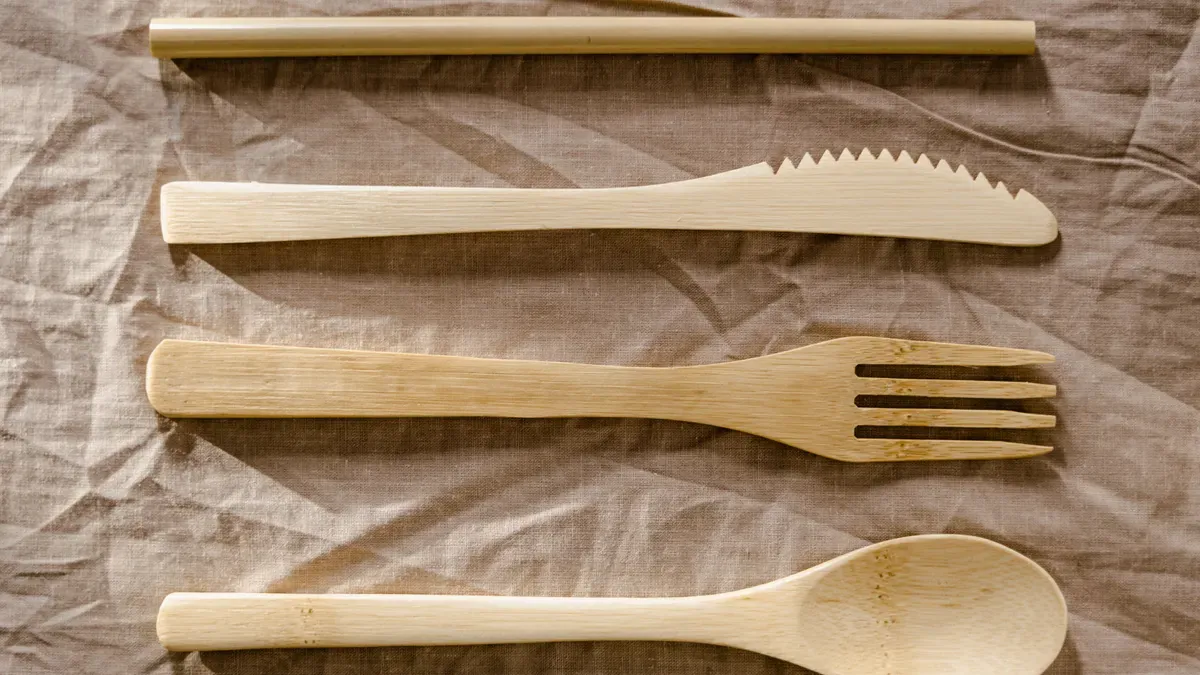
Sturdy Design and Material
You rely on wooden forks that deliver uncompromised strength for both salads and steaks. Ecolipak wooden forks use high-quality hardwoods like birch and maple. These materials provide superior structural integrity, making the forks reliable for demanding commercial food service applications. The compressed white birchwood construction ensures each fork maintains its shape under pressure, unlike brittle plastic or flimsy single-ply wood alternatives.
The robust tines on Ecolipak wooden forks let you spear crisp vegetables or dense steak pieces without bending.
You can twirl spaghetti with wooden utensils, and the fork will not deform.
The 6-inch size gives you a comfortable grip, suitable for adults and older children.
Wooden forks maintain their integrity with hot dishes, including steaming soup.
Heat resistance up to 302°F means wooden utensils handle hot meals without warping.
The construction prevents breakage, so you can trust wooden forks for real food applications.
Ecolipak wooden forks stand out for their structural carrying capacity. You get utensils that perform reliably in commercial settings, where durability matters most.
Eco-Friendly Benefits
Ecolipak wooden forks offer environmental advantages that plastic cannot match. Crafted from 100% compostable materials, these wooden utensils break down naturally in 90 to 180 days. You support a circular economy by choosing wooden forks that are plastic-free and biodegradable.
Certification Name |
Accrediting Body |
What It Means for You |
|---|---|---|
Forest Stewardship Council |
Assurance Services International |
Wood comes from responsibly managed forests. |
The Nordic eco-label |
Nordic Ecolabelling |
Product meets strict environmental standards. |
DIN EN 13432 |
Third-party organizations |
Packaging is compostable and made from renewable materials. |
Ecolipak wooden utensils meet ASTM standards and hold BPI certification. No intentionally added fluorinated chemicals ensure safety. You get utensils eligible for composting with food scraps and yard trimmings. Wooden forks provide a sustainable solution, reducing environmental harm compared to plastic.
Testing Fork Strength
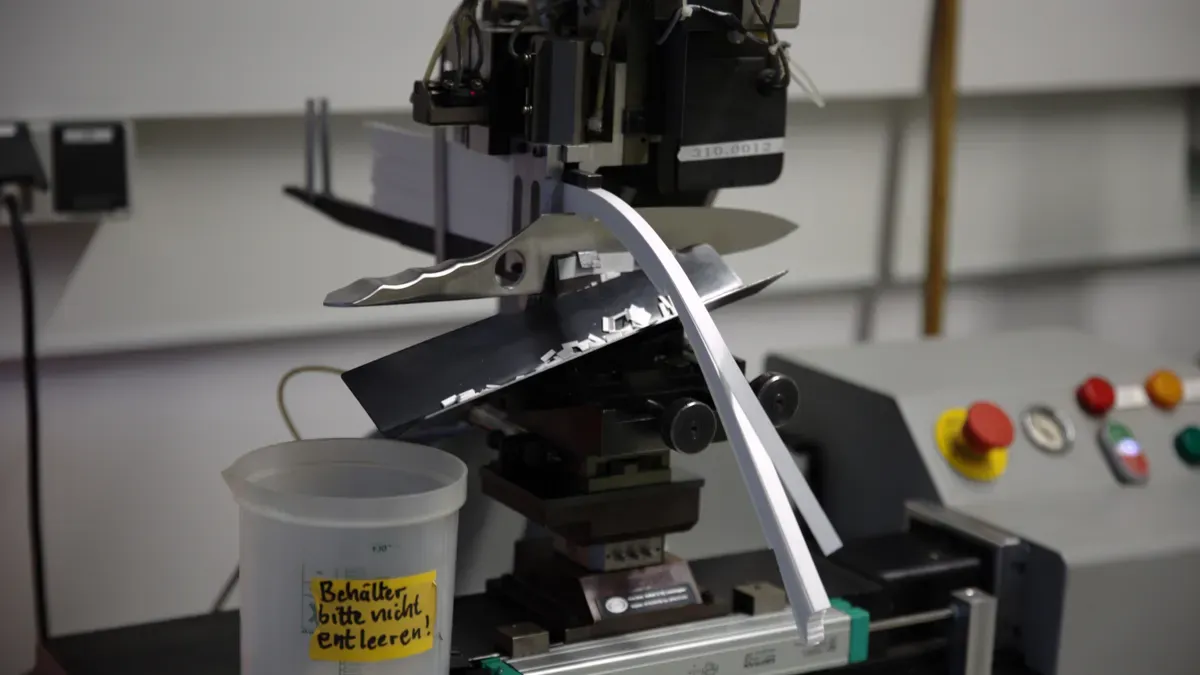
Puncture and Flex Tests
You need to understand how forks perform under real-world conditions. Testing fork strength involves measuring mechanical properties like puncture resistance and flexural durability. You can use standardized tests to evaluate how well forks withstand pressure and force. The ASTM F1306 test measures penetration resistance. This test uses a probe to apply pressure until the fork fails. You see how much force the fork can handle before breaking. The results help you compare mechanical properties across different materials.
Test Name |
Description |
|---|---|
ASTM F1306 |
A standard widely used for testing penetration resistance of thin flexible barrier materials, applicable to wooden forks. Testing involves a probe that applies pressure until failure occurs. |
Flex tests measure how much a fork bends before snapping. You apply force to the tines and observe deformation. Strong mechanical properties mean the fork resists bending and maintains its shape. You want forks that pass these tests for both salads and steaks.
Materials and Procedures
You evaluate mechanical properties using laboratory equipment. Tensile tests use the Instron 3382 universal testing machine. You place the fork in suction-type tensile grips and test along the fiber direction. You follow ISO 527-1 standards to ensure repeatability. You analyze data with statistical methods like ANOVA. This approach helps you compare mechanical properties and deformation behavior. You see how wood performs against plastic in tensile tests. You get reliable results that show the structural durability of natural wood cutlery.
Tensile tests reveal how much force forks can withstand before breaking.
You use these procedures to ensure forks meet commercial standards.
Mechanical properties guide your choice for strong, eco-friendly utensils.
You gain confidence in the durability of Ecolipak forks. You know they pass rigorous mechanical properties testing and tensile tests. You can trust their performance for both salads and steaks.
Tensile Strength of Wooden Forks
Performance with Heavy Proteins
You need forks that can handle tough foods like steak, chicken, or pork. Tensile strength measures how much force a fork can withstand before breaking. Ecolipak wooden forks show impressive results in tensile strength tests. You can press down on a cooked steak, and the fork tines stay intact. The forks do not bend or snap when you cut through dense proteins. You get reliable performance because the birchwood material resists deformation under load.
Note: Tensile strength is a key factor for commercial buyers who serve heavy proteins. You want utensils that maintain their shape and do not fail during service.
You can see the difference in the table below:
Fork Type |
Tensile Strength (Load Before Failure) |
Suitable for Heavy Proteins |
|---|---|---|
Ecolipak Wooden |
High |
Yes |
Plastic |
Moderate |
Sometimes |
Single-ply Wood |
Low |
No |
Ecolipak wooden forks outperform single-ply wood forks. You get better structural durability. Plastic forks may bend or break under high loads. Ecolipak forks maintain their integrity, even when you apply force to cut cooked proteins. You can rely on them for steak, grilled chicken, or pork chops.
Performance with Salads
You often eat salads with crisp vegetables, nuts, and cheese. These ingredients require forks with good tensile strength. Ecolipak wooden forks handle a variety of salad textures and ingredients effectively. You can pierce carrots, tomatoes, and lettuce without the tines bending. The forks perform well with most salads, though they may not match the strength of bamboo or CPLA forks for very dense ingredients.
Tip: Choose forks with high tensile strength for salads with crunchy toppings or thick greens.
You get a pleasant dining experience because the fork tines do not splinter or break. Ecolipak wooden forks pass flexural tests, so you can pick up salad pieces easily. You avoid frustration from broken utensils. You also support sustainability by using forks made from natural wood.
You can use Ecolipak forks for both light and heavy salads.
The forks resist bending and maintain their shape.
You enjoy salads with confidence, knowing your fork will not fail.
Tensile strength ensures that Ecolipak wooden forks perform reliably for salads and steaks. You get utensils that combine structural durability with eco-friendly benefits.
Choosing the Right Forks
You want forks that are strong and reliable for both salads and steaks. Ecolipak wooden forks use durable wood, giving you strength and comfort. Choose compostable forks to help reduce plastic waste. Make the switch to eco-friendly utensils for a cleaner planet.
Compostable forks break down naturally and do not pollute.
Using wooden cutlery supports sustainable practices.
FAQ
How strong are Ecolipak wooden forks compared to plastic forks?
You get more reliable strength with Ecolipak wooden forks. The wood resists bending and breaking better than most disposable plastic forks during normal use.
Can Ecolipak wooden forks handle hot foods?
You can use Ecolipak wooden forks with hot foods. The forks resist heat up to 302°F and maintain their shape without warping.
Are Ecolipak wooden forks safe for commercial food service?
You can trust Ecolipak wooden forks for commercial use. The forks meet strict standards for durability and safety, making them suitable for restaurants and catering.

