All compostable products are biodegradable, but not all biodegradable products are compostable. Ever feel confused in the store? You are not alone. Studies show 4 out of 10 people think biodegradable means the same as compostable. Understanding the biodegradable vs compostable difference helps the environment. You can choose truly green items, like compostable plates, with confidence. This guide will help you decode the labels and make better choices.
Key Takeaways
Compostable products break down into healthy soil quickly. Biodegradable products can take a very long time to break down.
Look for official logos like BPI or CMA. These logos mean a product is truly compostable.
Many 'eco-friendly' words are vague. They do not guarantee a product is good for the environment.
Put certified compostable items in a special compost bin. Do not put them in the trash or recycling bin.
Biodegradable vs Compostable: The Real Difference
You often see the words "biodegradable" and "compostable" on packaging. Many people use them interchangeably. However, the real biodegradable vs compostable difference is huge. Understanding this difference helps you make truly green choices. One term describes a specific, beneficial process. The other describes a natural process that can take a very long time.
What Compostable Means
Think of "compostable" as a specific promise. A compostable product doesn't just break down; it turns into something useful called compost. This process creates nutrient-rich soil. For a product to earn the compostable label, it must meet strict scientific standards.
These standards, like ASTM D6400 in the US and EN 13432 in Europe, set clear rules. A product must:
Break down almost completely within a specific timeframe (usually 90-180 days).
Disintegrate into tiny, non-visible pieces.
Leave no toxic residue behind.
Allow new plants to grow in the resulting soil.
This process requires the right conditions. Most compostable products are designed for industrial composting facilities, not your backyard bin. These facilities provide the perfect environment for decomposition.
Condition |
Home Compostable |
Industrial Compostable |
|---|---|---|
Temperature |
Lower, ambient temperatures (68-86°F) |
Higher, controlled temperatures (131-140°F) |
Microorganisms |
Naturally occurring microbes |
Optimized microbial communities |
Timeframe |
Months to a year or more |
Typically 90-180 days |
Many materials can be used to make certified compostable products. You will find items made from:
Plant-based materials like sugarcane fiber (bagasse), bamboo, and palm leaves.
PLA (Polylactic Acid), a plant-based plastic used for cups and containers.
Paper and Cellulose from wood pulp.
These materials ensure that compostable products return to the earth safely.
What Biodegradable Means
The term biodegradable simply means a material can be broken down by living things, like bacteria or fungi. This sounds good, but the definition is very broad. Almost everything is biodegradable eventually. A log is biodegradable. An apple is biodegradable. A plastic bottle is also technically biodegradable, but it might take hundreds of years.
Key Takeaway: The term "biodegradable" on its own is not a certified claim. It does not guarantee a product will break down in a timely manner or that it will not harm the environment in the process.
The biodegradable vs compostable debate becomes clear when you look at disposal. If a biodegradable product ends up in a landfill, it can cause problems. Landfills are packed tightly and lack oxygen. In this environment, some biodegradable items release methane, a powerful greenhouse gas.
The environment where a product ends up matters greatly. Look at how long some common biodegradable plastics take to break down.
Environment |
PLA (a "biodegradable" plastic) |
|---|---|
Ocean |
Years to Decades |
Landfill |
Decades or Longer |
This shows the critical difference between compostable and biodegradable. A certified compostable item has a clear, beneficial end-of-life plan. A product labeled only as biodegradable does not. This is why understanding the biodegradable vs compostable distinction is so important for protecting our planet.
How to Read the Labels
You stand in the aisle, ready to make a green choice. The packaging is covered in green leaves and earthy colors. But how do you know if a product is genuinely helping the environment? The secret is in the labels. Learning to read them correctly helps you see past clever marketing and find truly sustainable options.
Spotting Certified Compostable Products
The easiest way to identify legitimate compostable products is to look for official certification logos. These marks are a guarantee. They show that an independent organization has tested the product against strict scientific standards. You can trust items with these logos.
In North America, you should look for two main certifications:
BPI (Biodegradable Products Institute): The BPI Compostable logo is a common sight. It confirms a product meets the ASTM D6400 compostability standard. This means it will break down safely in a commercial composting facility.
CMA (Compost Manufacturing Alliance): The CMA "Composter Approved" logo takes it a step further. CMA tests products in real-world industrial composting facilities to ensure they break down properly.
You might also see European logos. TUV Austria issues the "OK compost INDUSTRIAL" and "OK compost HOME" certifications, which are trusted worldwide.
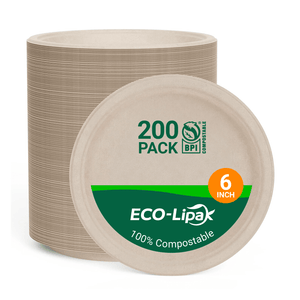
To earn a BPI certification, a product must pass several tests. It must biodegrade into healthy soil, break apart completely, and have no toxic chemicals or plastics like PFAS. For example, Ecolipak's sugarcane plates are BPI Certified. This certification proves they are made from natural, renewable resources and are free from harmful toxins, making them a trustworthy choice for your meals and the planet.
CMA certification also has strict rules. It requires products to have less than 100 ppm (parts per million) of total fluorine and to disintegrate effectively in active compost piles.
✅ Checklist for Buyers When you shop, use this simple checklist to find the best environmentally friendly compostable goods:
Look for a Logo: Find a certified logo from BPI, CMA, or TUV Austria.
Check for Residue: The product should break down completely without leaving behind microplastics or harmful residue.
Verify the Timeframe: Certified compostable items are designed to break down in under 180 days in the right facility.
Decoding Vague 'Eco-Friendly' Claims
Many companies use vague terms to make their products seem green. This practice is called greenwashing. These words have no official definition and can mislead you. Be cautious if you see claims like:
Eco-friendly
All-Natural
Green
Chemical-free
These terms do not guarantee a product is better for the environment. For example, a product labeled "all-natural" can still be heavily processed. A "biodegradable" plastic cup might take decades to break down in a landfill and release methane gas. Some companies have even faced lawsuits for these misleading claims. Keurig paid a $10 million settlement for falsely advertising its K-cup pods as recyclable. Walmart and Kohl's paid millions for marketing rayon fabric as eco-friendly bamboo.
This is why you must look beyond a product's name. Take Ecolipak's Biodegradable Clear PLA Cold Cups as a case study. The name includes the word "biodegradable," but the real story is in the details. These cups are made from plant-based PLA and are fully commercially compostable. They are also BPA-free. This shows the importance of checking the specifications. The compostable certification is what truly matters.
Choosing certified compostable food packaging does not mean you sacrifice quality. Many customers find that Ecolipak's certified products are just as sturdy and reliable as traditional plastic. This feedback proves you can protect the environment without giving up performance. When you choose brands that are transparent and certified, you make a real difference.
Why Proper Disposal Matters
You chose a certified compostable product. That is a great first step. However, the journey does not end at the checkout counter. Where you throw an item away is just as important as what you buy. Tossing a compostable fork in the wrong bin can actually harm the environment. Proper disposal ensures these products fulfill their green promise.
The Right Bin for Compostable Items
Certified compostable products need special conditions to break down correctly. You should not throw them in a landfill. Landfills are packed tightly and have very little oxygen. When organic items get trapped there, they cause problems.
They are deprived of the oxygen needed for composting.
They release methane, a greenhouse gas 80 times more potent than CO2.
They do not break down into useful soil.
True compostable items belong in a commercial composting facility. These facilities provide the high heat, moisture, and microbes needed for decomposition. Most accept a mix of materials, including yard trimmings, food scraps, and certified compostable food packaging.
Pro Tip: Finding a Composter 🗺️ You can find a local commercial composting service with a quick online search. Websites like Compost Connect offer directories to help you locate a facility. You can also check your city's public works department to see if they offer a green bin program.
Where Other 'Green' Items Should Go
Disposing of other "green" items can be tricky. Many products with vague claims or just the word biodegradable cannot be composted or recycled. Putting them in the wrong bin contaminates the entire batch, forcing it to be sent to a landfill. For example, PLA plastic cannot be recycled with conventional plastics. It requires a separate process that is not widely available.
Use this table as a simple guide for disposal:
Item Type |
Correct Disposal Bin |
|---|---|
Certified Compostable |
Commercial Compost (Green Bin) |
PLA (Not Certified) |
Trash (Landfill) |
Vague "Eco-Friendly" Claims |
Trash (Landfill) |
Always look for a BPI or CMA certification logo. Without one, you should assume the product belongs in the trash. This prevents contamination and ensures that recycling and composting streams remain clean. Your careful choices help the whole system work better.
You now understand the biodegradable vs compostable difference. The key takeaway is simple. Look for official certifications. Surveys show 61% of people trust third-party certified labels, while few trust a company's own claims. A vague biodegradable label often means little. A truly compostable product offers a clear benefit.
You have the power to stop greenwashing. Become a label detective. Choose transparent brands that offer certified solutions. You can build a healthier planet with every purchase. For Green Packaging, Go with ECOLipak. 🌎
FAQ
What is the main difference between biodegradable and compostable?
Biodegradable means a product can break down over time. Compostable means a product breaks down into nutrient-rich soil within a specific timeframe, usually under 180 days. You should always prioritize certified compostable products for a truly green choice.
Why can't I put compostable items in the recycling bin?
Compostable products are made from different materials than traditional recyclables. Putting them in the recycling bin contaminates the entire batch. This forces recycling centers to send everything to the landfill. Always check the label for proper disposal instructions. ♻️
Are Ecolipak's products safe for my family?
Yes. Ecolipak prioritizes your health and the planet's. Our sugarcane plates are BPI Certified and BPA-free, ensuring they contain no harmful toxins. You can serve meals with confidence, knowing our products are safe for your loved ones.
What happens if I throw a compostable cup in the trash?
A compostable cup in a landfill lacks the oxygen it needs to break down properly. Instead, it can release methane, a potent greenhouse gas. Proper disposal in a commercial compost facility ensures the product returns to the earth as healthy soil.