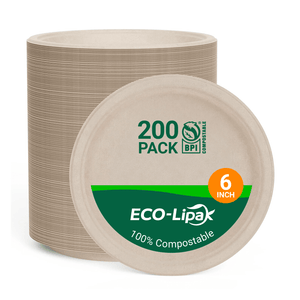
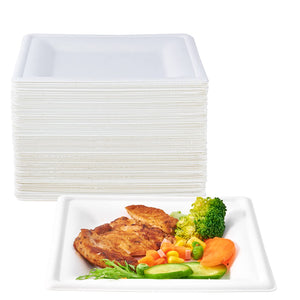
Many people feel overwhelmed by the sheer amount of plastic waste and want to make a real difference. This has led consumers to look for sustainable solutions, including various Plastic Alternatives like bioplastics and reusable materials. The journey to sustainability is complex, and the best choice often depends on a product's entire lifecycle. People can make a significant sustainable impact by choosing eco-friendly options, such as Compostable plates, and understanding their proper disposal. The data clearly shows a sharp rise in plastic generation over the decades.
It is difficult not to feel overwhelmed by the sheer amount of plastic waste generated already, or by the universe of single-use items in circulation.
Management Pathway |
1980 (thousands of U.S. tons) |
2000 (thousands of U.S. tons) |
2018 (thousands of U.S. tons) |
|---|---|---|---|
Generation |
6,830 |
25,550 |
35,680 |
Recycled |
20 |
1,480 |
3,090 |
Landfilled |
6,670 |
19,950 |
26,970 |
Key Takeaways
Plastic waste harms our planet. It pollutes oceans and makes recycling hard.
Bioplastics and reusable items offer good choices. They help reduce plastic use.
Always check product labels. Understand if items are compostable or biodegradable.
Proper disposal is very important. Compostable items need special facilities to break down.
Choose reusable products first. They are the best way to help the environment.
The Problem with Conventional Plastics
Conventional plastics create significant problems for our planet. Their journey from production to disposal harms the environment and poses major waste management challenges. Understanding these issues shows why people seek better plastic alternatives.
Environmental Cost of Plastic Pollution
Plastic waste damages ecosystems, especially our oceans. A huge amount of plastic enters the water every year. Recent studies provide a clearer picture of this pollution.
Source |
Estimated Annual Plastic Entering Oceans (tonnes) |
|---|---|
Recent Research |
1 million to 1.7 million |
OECD Global Plastics Outlook |
1.7 million |
Meijer et al. (2021) |
Around 1 million |
Once in the water, plastic breaks down into tiny pieces called microplastics. These particles cause serious harm.
Marine animals like fish and whales often mistake microplastics for food.
These plastics can carry toxic chemicals, such as BPA, which are used in their manufacturing. This raises concerns about the health implications of BPA exposure for both wildlife and humans.
Microplastics move up the food chain. They start with small organisms and end up in larger animals, including those people eat.
The Challenge of Recycling and Waste
Recycling seems like a simple solution, but the reality is complex. Globally, a very small percentage of plastic waste actually gets recycled. As of 2018, an estimated 91% of all plastic ever made has never been recycled. This creates a massive waste problem.
Several key issues make recycling difficult. The cost of making new plastic is often cheaper than recycling old plastic. This happens because oil prices change, making new materials more affordable. The wide variety of plastic types also complicates sorting. Food residue and labels can contaminate plastic, lowering the quality of the recycled material. Many products are simply not designed for easy recycling. These challenges show the need for more sustainable systems and materials.
Exploring Sustainable Plastic Alternatives
The search for better materials has led to many innovative plastic alternatives. Consumers now have more choices than ever. These options range from single-use compostable items to durable reusables. Understanding each material helps people make informed decisions for a healthier planet.
Understanding Bioplastics: PLA, PHA, and Starch
Bioplastics are a growing category in sustainable food packaging. These materials come from renewable sources like plants. Polylactic Acid (PLA) is one of the most common types.
The process to make PLA often starts with corn or sugarcane.
Factories extract starch from the plants.
They convert the starch into sugar, or dextrose.
Microorganisms ferment the sugar to create lactic acid.
This lactic acid is then converted into lactide, which links together to form the polymer chains of PLA.
These plant-based materials offer a promising path away from fossil fuels. However, their end-of-life requires specific conditions. For PLA to biodegrade effectively, it needs the high temperatures of an industrial composting facility. One study showed PLA trays decomposing completely after 30 days at 63°C. PHA and starch-based bioplastics can break down in other environments, but the rate depends on temperature, moisture, and microbial activity. The market for these materials is expanding. Global production capacity for bioplastics is expected to more than double from 2.47 million tonnes in 2024 to 5.73 million tonnes by 2029.
Reusable Champions: Glass, Steel, and Silicone
The most sustainable choice is often a reusable one. Glass, stainless steel, and silicone are excellent eco-friendly alternatives for everyday items. They offer durability and a long lifespan, reducing the need for single-use food packaging.
Glass is endlessly recyclable and does not leach chemicals into food or drinks. Stainless steel is incredibly durable and a great option for water bottles and food containers. While its initial production uses more energy, its long-term use makes it a very sustainable option. The table below shows how many times a person must use a reusable bottle for it to have a lower environmental impact than a single-use plastic bottle.
Reusable Bottle Material |
Breakeven Range (Number of Uses) |
|---|---|
Glass |
2-6 |
Plastic (PET) |
10-30 |
Aluminum |
10-30 |
Stainless Steel (Non-Insulated) |
10-30 |
Stainless Steel (Insulated) |
30-90 |
Silicone is another versatile material used in food packaging and kitchenware. It is flexible, durable, and can withstand high temperatures. Food-grade silicone must meet strict safety standards. In the United States, the FDA regulates it under regulation 21 CFR 177.2600 to ensure it is safe for repeated food contact. These reusable champions help people reduce waste significantly.
Natural Materials: Bamboo, Wood, and Cotton
Natural fibers provide some of the oldest and most reliable eco-friendly alternatives to plastic. Bamboo, wood, and cotton are all derived from plants and offer unique benefits.
Bamboo: This fast-growing grass is a highly sustainable resource. It requires minimal water to grow and can thrive on degraded land, helping to restore soil fertility. Its extensive root system also prevents soil erosion. Bamboo is a popular material for cutlery, plates, and other types of food packaging.
Wood: When sourced responsibly, wood is an excellent material for items like cutting boards and utensils. Certifications help consumers identify sustainable wood products. The Forest Stewardship Council (FSC) is a key organization that ensures wood comes from responsibly managed forests.
Cotton: People use cotton for reusable shopping bags and produce bags. It is a great alternative to plastic bags. However, conventional cotton farming uses a large amount of water and pesticides. A single cotton t-shirt can require over 2,700 liters of water. Choosing organic cotton helps reduce this environmental impact.
Ecolipak: A Sustainable Choice in Practice
Making sustainable choices accessible is the mission of Ecolipak, a US-based brand. Their slogan, "Green Pack, Go for ECOLipak," reflects their commitment to providing practical sustainable packaging. They turn the idea of sustainability into a reality for everyday consumers.
A great example is their Biodegradable CPLA Cutlery. CPLA is a crystallized form of PLA, making it much stronger and more heat-resistant. This cutlery can handle hot foods up to 212°F, making it perfect for everything from hot soup to coffee. As compostable materials, they are designed to break down in a commercial composting facility. This makes them an ideal choice for parties, events, and daily use when single-use items are necessary.
Customer stories show that choosing eco-friendly does not mean sacrificing quality. Users find Ecolipak's BPI Certified sugarcane plates and CPLA cutlery to be just as durable and reliable as heavy-duty plastic.
The BPI (Biodegradable Products Institute) certification guarantees that these products have undergone rigorous testing. This testing confirms they will break down safely in a commercial compost facility without leaving harmful residues. Ecolipak's commitment goes beyond products. In 2024, the brand's efforts helped protect 125,000 square meters of green space, showing a real-world positive impact. They provide excellent plant-based materials for food packaging, making them a trusted source for sustainable food packaging. Their use of plant-based materials in food packaging demonstrates a strong commitment to the environment. Ecolipak offers high-quality plant-based materials for all types of food packaging needs.
Making the Right Eco-Friendly Choice
Navigating the world of sustainable products requires more than just good intentions. It involves making informed daily choices, understanding labels, and ensuring proper disposal. This knowledge empowers consumers to select genuine eco-friendly alternatives and use them in a way that truly benefits the planet.
A Simple Guide for Daily Decisions
Making a positive environmental impact often starts with small, consistent changes in daily habits. People can significantly reduce plastic waste by swapping single-use items for reusable ones. Many common products have excellent reusable counterparts.
Simple switches in the home can make a big difference:
Plastic Baggies: Replace with silicone bags.
Disposable Razors: Switch to durable safety razors.
Shampoo & Conditioner Bottles: Use solid shampoo and conditioner bars.
Sponges: Opt for zero-waste sponge cloths.
Plastic Straws: Carry a stainless steel straw.
Bottled Dish Soap: Try a solid dish soap bar.
These changes extend to grocery shopping and food packaging. Consumers can look for opportunities to choose reusable options for many retail items.
Prepared food packaging at salad or snack bars
Containers for fresh, pre-cut produce
Beverage bottles for milk or other local drinks
Bottles for home and personal care products like cleaners and soaps
Decoding Labels: Compostable vs. Biodegradable
Product labels can be confusing. Understanding the difference between "compostable" and "biodegradable" is key to choosing truly sustainable food packaging. The Federal Trade Commission (FTC) Green Guides provide standards to prevent misleading claims.
Biodegradable vs. Compostable: What's the Difference? While all compostable packaging is biodegradable, not all biodegradable packaging is compostable. Biodegradable items can break down over a long time and may leave behind microplastics or toxins. Compostable items are designed to break down quickly and safely into nutrient-rich soil, but only in specific conditions.
A product labeled compostable must have scientific evidence showing it will break down into usable compost at a similar rate to other natural materials. If it cannot be composted at home, the label must state that it requires a commercial facility.
A product with a general biodegradable claim should break down completely within one year of disposal. This claim is often misleading for items going to landfills, where the lack of oxygen prevents this process.
Unfortunately, some companies use "greenwashing" to make their food packaging seem more environmentally friendly than it is. Watch out for these common tactics:
Using green colors and nature imagery on unsustainable products.
Labeling plastic food packaging as "biodegradable" when it only breaks down in an industrial composter.
Using vague terms like "eco-safe" or "planet-friendly" without proof.
Claiming packaging is "100% recyclable" when local facilities do not accept it.
How to Verify a Compostable Claim To ensure food packaging is genuinely compostable, consumers should look for official certification marks.
Find logos from trusted organizations like the BPI (Biodegradable Products Institute) or TÜV AUSTRIA (OK Compost).
Check for a certificate number near the logo.
Verify the product and number on the certification body's official online database. This confirms the compostable materials meet strict standards for safe decomposition.
The Importance of Proper Disposal
Choosing the right product is only half the battle. Proper disposal is critical for plastic alternatives to deliver their environmental benefits. When certified compostable food packaging ends up in a landfill, it cannot break down as intended. Landfills are sealed environments without oxygen. In these conditions, the products decompose very slowly and release methane, a powerful greenhouse gas that contributes to climate change.
The challenge is that access to commercial composting is not yet universal. These facilities provide the perfect balance of heat, moisture, and microbes needed for compostable materials to decompose.
Composting Program Type |
Percentage of U.S. Population with Access |
|---|---|
Food waste only |
17.8% |
Food waste and some compostable packaging |
18.1% |
Total access to any program |
35.9% |
This data shows that a majority of the population does not have access to curbside or drop-off composting programs. This makes it essential for individuals to find out what services are available in their area. Many online resources can help locate local commercial composting services. Websites like Compost Crew and directories from Green Paper Products or Good Start Packaging list providers across the country, from Spoil to Soil in Utah to Black Bear Composting in Virginia. Finding a local composter ensures that your sustainable choices complete their journey and return to the earth as valuable soil.
The most sustainable choice is almost always a reusable one. When single-use items are unavoidable, certified compostable products from a trusted brand like Ecolipak are good eco-friendly alternatives. Proper disposal in a commercial facility is essential for these items. People can start their journey toward sustainability this week with one small change. Bringing a reusable coffee cup or researching local composting services offers a sustainable path forward.
FAQ
Are bioplastics better than regular plastics?
Bioplastics come from renewable plant sources instead of fossil fuels. They are a better choice when disposed of correctly. Proper composting turns them into soil. Regular plastics can pollute the environment for hundreds of years.
What makes Ecolipak's CPLA cutlery a good choice?
Ecolipak's CPLA cutlery is strong and heat-resistant up to 212°F. It is made from plant-based materials. The BPI certification ensures it breaks down safely in a commercial compost facility, which helps reduce landfill waste.
Why can't compostable items go in the regular trash?
Compostable products need oxygen to decompose properly. Landfills are sealed environments that lack oxygen. There, these items release methane, a harmful greenhouse gas. Commercial composting facilities provide the right conditions to create healthy soil.
Are reusable products always better than compostable ones?
Yes, reusable products are the most sustainable option. They prevent waste from being created. People should choose reusable items whenever possible. Compostable products offer a good alternative when single-use items are unavoidable for events or convenience.