Quick Answer: Build compost layers with a 4- to 6-inch base of coarse browns, add a thinner layer of greens, then cover the greens with roughly two to three parts browns by loose volume. Keep the mix as damp as a wrung-out sponge and create airflow by mixing or turning. This is a practical starting recipe, not a rigid formula: odor means add browns and air, dryness means add moisture, and slow breakdown means check particle size, moisture, and pile volume.
Key Takeaways
- “Greens” supply nitrogen and moisture; “browns” supply carbon, structure, and air spaces.
- Start with two to three loose volumes of browns for each volume of greens, then adjust from the pile's condition.
- The scientific carbon-to-nitrogen target and a household bucket ratio are not the same measurement.
- A healthy pile needs moisture and oxygen as much as it needs the right ingredients.
- BPI commercial compostability certification does not by itself mean a liner belongs in a home compost bin.
Layering makes a new compost pile easier to build, but the layers are only the starting arrangement. Microorganisms do the real work, and they need a mixture of carbon, nitrogen, water, and oxygen. As the pile settles, turning blends those materials together. The goal is not a permanent striped pile; it is a balanced, aerated mix that smells earthy rather than sour.
The phrase “green and brown ratio” can be confusing. Compost science often describes an initial carbon-to-nitrogen ratio around 25:1 to 30:1 by chemical composition. A home composter cannot reproduce that number by counting buckets because dry leaves, cardboard, grass, and food scraps have different densities and nutrient profiles. Two to three buckets of loose browns for one bucket of greens is a practical starting point, followed by observation and adjustment.
Greens, Browns, and Materials to Avoid
| Group | Common Examples | What It Adds | How to Use It |
|---|---|---|---|
| Greens | Fruit and vegetable scraps, coffee grounds, fresh grass | Nitrogen and moisture | Add in thin layers and cover completely |
| Browns | Dry leaves, shredded uncoated cardboard, small twigs | Carbon and pore space | Keep a dry reserve beside the bin |
| Use cautiously | Grass clippings, dense paper, large wet scraps | Useful material that can mat | Mix, shred, or add in small amounts |
| Keep out of a basic home pile | Meat, fish, dairy, fats, pet waste, treated wood | Odor, pathogen, pest, or chemical risk | Follow local guidance for alternative disposal |
Local recommendations can differ, especially for meat, dairy, compostable packaging, weeds, and pet waste. The U.S. EPA guide to composting at home provides a useful baseline and emphasizes a balance of greens, browns, water, and air. Follow municipal or extension guidance when it is more specific to your climate and collection system.

How to Layer a Compost Bin in Six Steps
- Build an airy base. Add 4 to 6 inches of coarse dry material such as small twigs, wood chips, or crumpled corrugated cardboard. The base helps prevent the bottom from becoming a compact wet mat.
- Add a thin green layer. Spread food scraps or fresh garden material rather than dumping a dense bucket in one spot. Chop large pieces so more surface is available to microbes.
- Cover with browns. Add roughly two to three loose volumes of dry leaves or shredded uncoated cardboard for each volume of greens. Cover visible food to reduce odor and pest interest.
- Check moisture. The center should feel like a wrung-out sponge. Add water gradually when dry; add dry browns and mix when the material is soggy.
- Repeat without compacting. Continue adding greens and browns, leaving enough structure for air to move. Avoid pressing the pile down to gain space.
- Mix and monitor. Turn the pile or tumble the bin when material mats, odor appears, or the center needs fresh oxygen. Finish each new addition with a brown cover.
A pile does not need ruler-straight layers. In fact, a thick wet green band can become anaerobic. Thin additions and partial mixing are more forgiving. If the system is a sealed tumbler, add ingredients in batches and rotate according to the manufacturer's instructions. If it is an open pile, bury fresh food toward the center and maintain a generous brown cap.
Three Real Composting Scenarios
1. A small urban bin fed by kitchen scraps
A household adds one countertop caddy of fruit and vegetable scraps every two days. The bin smells sweet-sour and attracts flies because there are not enough dry materials. The practical fix is to mix in shredded cardboard and dry leaves, break apart wet clumps, and finish with a brown cover. Going forward, the household keeps a lidded container of browns beside the bin and adds two caddies of loose browns for each caddy of scraps.
2. A backyard pile that looks unchanged
The pile contains mostly autumn leaves and feels crisp inside. It has plenty of carbon but too little moisture and nitrogen. Add a moderate amount of fresh grass or kitchen scraps, moisten while turning, and check again after several days. Do not pour water into one channel; distribute it through the mix. Chopping leaves and cardboard can also speed contact without eliminating the air spaces the pile needs.
3. A tumbler that becomes wet and heavy
A family adds daily food scraps but rotates the tumbler only occasionally. The contents form dense balls and smell unpleasant. Break up the clumps, add dry shredded cardboard, and rotate enough to distribute air. Pause new wet additions until the texture improves. A tumbler is enclosed, but it still needs structure, drainage control, and oxygen.

Troubleshoot the Pile by What You Observe
| Symptom | Likely Cause | First Adjustment |
|---|---|---|
| Rotten or sour odor | Too wet, compacted, or too many greens | Add dry browns and turn for air |
| Dry and unchanged | Too little moisture or nitrogen | Moisten while mixing; add a modest green layer |
| Food visible or pests interested | Fresh scraps are exposed | Bury scraps and add a thick brown cap |
| Dense wet clumps | Grass, paper, or scraps have matted | Break clumps apart and add coarse browns |
| Pile cools after early activity | Normal aging or missing moisture, air, or volume | Check all three before adding more feedstock |
Heat can indicate active decomposition, but a home pile does not need to stay hot to make compost. Small systems often work more slowly. Finished compost is dark, crumbly, and earthy smelling, with few recognizable inputs. Screen out unfinished woody pieces and return them to the next batch.
How Compostable Liners Fit Into the Routine
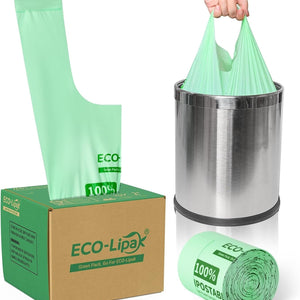
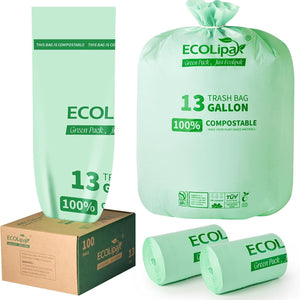
A small liner can make a kitchen caddy easier to carry and keep clean. For example, the ECO-Lipak easy-tie compostable bag includes a 2.6-gallon size intended for countertop bins and similar collection tasks. That convenience does not determine where the liner should go after collection.
Check the exact package and certification. BPI certification verifies performance under specified commercial composting standards; it is not a home-compost certification. A local food-scrap program may accept certified liners, reject all liners, or require an approved brand list. A backyard pile should receive a liner only when the product is specifically certified for home composting and the label's conditions can be met.
If acceptance is uncertain, empty the food scraps into the pile and route the liner according to local instructions. Do not place compostable plastic in conventional plastic recycling. Clear sorting prevents a collection aid from becoming contamination.
A Field Check Before Adding Another Layer
A compost recipe is a starting point, not a fixed guarantee. Before adding more material, squeeze a handful of material from the middle of the pile with a glove: it should feel damp, not drip. If it feels soggy and smells sour, loosen the pile and mix in dry leaves or torn plain cardboard. If it is dry and barely changing, add a little water while turning. If the middle is moist but packed tight, increase airflow before buying an additive. These are practical diagnostic actions, not a promise that every backyard pile will finish on a particular date.
| What you notice | Likely first check | Low-risk adjustment |
|---|---|---|
| Wet, compact and sour | Too little air or too many wet greens | Turn and mix in dry browns |
| Dry and unchanged | Moisture or fresh feed is limited | Add a little water while mixing |
| Food scraps visible on top | Fresh material is exposed | Cover with dry browns and mix gently |
Keep liners and serviceware separate from this home-compost test unless the exact item is accepted by your local program. The US EPA home-composting guidance distinguishes suitable home materials from other products, while ECO-Lipak's certification guide explains what to verify on packaged goods. The evidence for a certified industrial composting claim does not automatically apply to a backyard bin.
A Weekly Maintenance Rhythm
- After each kitchen load, cover the greens with dry browns.
- Once or twice a week, squeeze a handful from the center to check moisture.
- Turn when the pile smells, mats, or needs more even mixing.
- Keep rain from saturating an open pile while allowing ventilation.
- Note what you added and how the pile responded; seasonal materials change the recipe.
- Stop feeding one section when it is ready to cure, and start a second batch if space allows.
This observation-based method is more reliable than chasing a perfect ratio. A pile rich in wet produce needs more browns than one fed with coffee grounds and dry garden trimmings. Hot summer conditions may require added moisture; a rainy period may require a cover and extra dry carbon.
Frequently Asked Questions
What is the best green-to-brown compost ratio?
Start with roughly one loose volume of greens to two or three volumes of browns. Adjust based on odor, moisture, structure, and decomposition rather than treating the ratio as fixed.
Should a compost pile stay in visible layers?
No. Layering distributes ingredients during construction. Turning or tumbling later blends materials and restores oxygen.
How wet should compost be?
The center should feel like a wrung-out sponge: evenly damp without streaming water. Check below the dry surface because the center can have a different moisture level.
Why does my compost smell bad?
Bad odor commonly points to excess moisture, compacted material, exposed food, or too many greens. Add dry browns, break up clumps, cover food, and increase airflow.
Can a BPI-certified compostable bag go into home compost?
Not on that certification alone. BPI certification addresses commercial composting standards. Use a liner in backyard compost only when it carries an appropriate home-compost claim and you can follow its conditions.