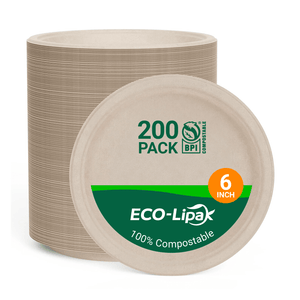
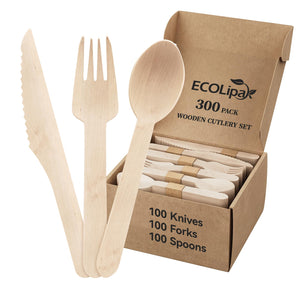
You want to make eco-friendly choices, so you look for options with a lower carbon footprint. Palm leaf plates stand out as the greener choice. They use naturally fallen leaves and need little processing. In contrast, paper plates often cause more pollution because of deforestation and energy use. Ecolipak’s mission focuses on creating sustainable, compostable products like the Compostable Square Palm Leaf Plate. When you choose products like this, you help keep food away from plastic and support a cleaner planet. Always think about the full journey of a product—from creation to disposal—when you make your decisions.
Key Takeaways
Choose palm leaf plates to support a sustainable and eco-friendly alternative to plastic. They are made from naturally fallen leaves and do not harm trees.
Palm leaf plates break down quickly in compost, enriching the soil and reducing landfill waste. They are fully biodegradable and compostable.
Recycled paper plates may seem better, but their production uses more water and energy, and they often contain plastic coatings that hinder decomposition.
Look for certifications when selecting eco-friendly plates. This ensures the products meet compostability and environmental standards.
Every small choice counts. Opt for compostable materials and support local businesses to lower your carbon footprint and protect the planet.
Material Sourcing
Palm Leaf Plates: Natural Origins
You can choose palm leaf plates if you want a product that comes straight from nature. These plates use only naturally fallen palm leaves, so no trees are cut down. This zero-felling approach helps protect forests and keeps the environment healthy. Workers collect the leaves from the ground, then clean and press them into shape using only heat and pressure. This process does not need chemicals or much water. It also uses less energy than most other plate-making methods.
Palm leaf plates are a natural alternative to plastic.
They help reduce the waste generated by plastic products.
The plates break down easily in compost, returning nutrients to the soil.
You support a sustainable cycle when you choose these plates.
Ecolipak’s Compostable Square Palm Leaf Plate stands out as a great example. The company uses only fallen leaves and a chemical-free process. This keeps the product safe for you and the environment. The table below shows how Ecolipak’s palm leaf plates compare to traditional disposable plates:
Benefit |
Traditional Disposable Plates |
|
|---|---|---|
Biodegradability |
Yes |
No |
Energy required for production |
Less |
More |
Contribution to greenhouse gases |
Lower |
Higher |
Made from renewable resources |
Yes |
No |
Yes |
No |
Recycled Paper: Collection and Processing
Recycled paper plates start with used paper. You need to collect, sort, and transport this paper to a recycling plant. The process uses a lot of water and energy. Workers must remove ink and glue with chemicals. Machines break down the paper fibers and mix them with water to make pulp. The pulp gets pressed and dried to form new plates.
This method helps keep paper out of landfills, but it still uses many resources. The chemicals and water needed for deinking and cleaning can affect the environment. While recycled paper plates are better than plastic, they do not match the low-impact, natural process of palm leaf plates.
Tip: When you choose products made from natural materials, you help protect the environment and support a cleaner planet.
Production Impact
Palm Leaf Plate Manufacturing
You help the planet when you choose palm leaf plates. The process starts with collecting naturally fallen palm leaves. Workers clean and sun-dry the leaves. They then use a heat-pressing technique to shape the plates. This method does not use chemicals. It also saves energy because it relies on the sun and simple machines. No trees are cut down, and water use stays very low. You get a plate that is safe for you and gentle on the earth.
Ecolipak’s approach stands out. The company uses only fallen areca palm sheaths. The cleaning and drying steps use little energy. The heat-pressing step shapes the plates without adding chemicals. This process keeps emissions low and protects the environment. You support a sustainable cycle every time you use these plates.
Note: Palm leaf plates have a much smaller environmental footprint because their production does not need harmful chemicals or large amounts of water and energy.
Recycled Paper Plate Manufacturing
You see a different story with recycled paper plates. The process starts with collecting used paper. Workers sort and transport the paper to a recycling plant. The next steps use a lot of water and energy. Machines break down the paper into pulp. Chemicals remove ink and glue. The pulp gets shaped, bleached, dried, and cut into plates.
Here is a look at the water and energy use in each stage:
Manufacturing Stage |
Water Usage |
Energy Usage |
|---|---|---|
Sourcing Raw Material |
N/A |
N/A |
The Pulping Process |
Consumes water |
Consumes energy |
Shaping & Molding |
More water used |
N/A |
Bleaching |
N/A |
Involves energy |
Drying & Cutting |
N/A |
Requires energy |
You can see that recycled paper plate production uses more resources. It also creates more emissions because of the chemicals and energy needed.
Palm leaf plates: Minimal emissions, chemical-free, low energy use.
Recycled paper plates: High energy use, significant water use, chemical pollution, larger carbon footprint.
You make a big difference by choosing palm leaf plates. You lower your impact on the planet and support cleaner production methods.
Carbon Footprint Comparison
Lifecycle Analysis
You can see the carbon footprint of a plate by looking at its entire lifecycle. This includes material sourcing, production, transportation, use, and disposal. Areca palm leaf plates start with naturally fallen leaves. Workers collect these leaves without cutting down trees. The process uses little energy and water. You avoid deforestation and habitat destruction. The plates do not need chemicals, so you reduce pollution. Transportation emissions stay low because the plates are lightweight and compact.
Paper plates begin with tree harvesting. Deforestation increases carbon emissions and damages the environment. The manufacturing process uses a lot of water and energy. Chemicals remove ink and bleach the paper. These chemicals cause pollution and harm water sources. Transportation adds more greenhouse gases. Many paper plates have a plastic coating, which slows decomposition and increases landfill waste.
You help the planet when you choose areca palm leaf plates. You avoid deforestation, reduce energy use, and limit pollution. You support a cleaner environment and a lower carbon footprint.
Quantitative Metrics
You can compare the carbon footprint of areca palm leaf plates and paper plates using numbers. Areca palm leaf plates produce about 0.02 kg of CO₂ per plate. Paper plates produce about 0.09 kg of CO₂ per plate. This means paper plates create over four times more carbon emissions than areca palm leaf plates.
Here is a table that shows the difference:
Plate Type |
CO₂ Emissions per Plate |
Compostable |
Biodegradable |
Main Source of Emissions |
|---|---|---|---|---|
Areca Palm Leaf Plates |
0.02 kg |
Yes |
Yes |
Minimal processing, zero-felling |
Paper Plates |
0.09 kg |
Sometimes |
Sometimes |
Deforestation, energy, chemicals |
You can see that areca palm leaf plates have a much lower carbon footprint. You also get compostability and biodegradability. Paper plates often end up in landfills, especially if they have a plastic coating.
Areca Palm Leaf Plates vs. Recycled Paper
You make a big impact when you choose areca palm leaf plates instead of paper plates. Areca palm leaf plates use a simple process. You avoid tree cutting and reduce energy use. You do not need chemicals. You lower transportation emissions. You support a sustainable cycle.
Paper plates have several sources of carbon emissions:
Deforestation linked to tree harvesting.
High energy and water consumption during manufacturing.
Chemical usage leading to pollution.
Transportation emissions from moving products.
Ecolipak's palm leaf plates have a lower carbon footprint compared to paper plates, as they are made from naturally fallen leaves, which means no trees are cut down. The production process for palm leaf plates also uses less energy and water, making them a more sustainable choice overall.
In contrast, many paper plates are plastic-coated, which slows down decomposition and contributes to landfill waste for a long time. Palm leaf plates are fully biodegradable and compostable, breaking down in about 60 to 90 days in a home compost bin.
You help the environment when you choose areca palm leaf plates. You reduce pollution and greenhouse gas emissions. You support a cleaner planet and a sustainable future. You make a smart choice for your carbon footprint.
End-of-Life Options
Compostability of Palm Leaf Plates
You can compost palm leaf plates easily. These plates break down in both home and industrial composting environments. In the right conditions, you see them decompose within a few months to a year. Factors like plate thickness and composting temperature affect the speed. Palm leaf plates are biodegradable, so they return nutrients to the soil without leaving harmful residues. Ecolipak’s plates meet strict compostability standards. You can trust certifications that confirm their eco-friendly nature.
Certification/Standard |
Description |
|---|---|
BPI Certification |
Ensures biodegradability in municipal composting (USA) |
EN13432 |
The gold standard in Europe for compostability |
OK Compost |
Indicates suitability for industrial or home composting |
ASTM D6400 |
Standard for compostable plastics in the USA |
ISO 17088 |
International standard for compostable plastics |
FSC |
Certification for responsible forest management |
You help the environment when you compost palm leaf plates. You reduce landfill waste and support a sustainable cycle.
Disposal of Recycled Paper Plates
You face challenges when disposing of recycled paper plates. Many plates have a plastic or wax coating. This coating prevents proper decomposition. The plastic breaks down into microplastics, which pollute soil and water. Food waste and grease on plates make recycling difficult. Thin plastic linings disqualify plates from recycling streams. Contaminants from food residue can compromise recycling quality.
Many biodegradable paper plates have a plastic or wax coating that prevents proper decomposition.
The plastic coating breaks down into microplastics, contributing to soil and water pollution.
In landfills, the anaerobic breakdown of these materials is extremely slow, leading to long-term environmental issues.
Paper plates often contain food waste and grease, making them difficult to recycle.
Many paper plates have a thin plastic lining that disqualifies them from being recycled like uncoated paper products.
Contaminants from food residue can compromise the quality of recycling batches.
Landfill and Environmental Impact
You see a big difference in landfill behavior between palm leaf plates and recycled paper plates. Palm leaf plates decompose faster and do not leave toxic residues. Recycled paper plates with plastic components persist for decades. The paper portion decomposes slowly. Plastic linings do not break down, causing long-term landfill issues and potential methane emissions. These plates occupy landfill space for years. The environment suffers from slow decomposition and pollution.
You make a positive impact when you choose compostable palm leaf plates. You support a cleaner environment and reduce landfill waste.
Practical Recommendations
Choosing Eco-Friendly Plates
You want to make the best choice for the planet when picking disposable plates. Look for products that serve as an eco-friendly alternative to plastic. You can use these criteria to guide your decision:
Check for certifications that verify ecological claims.
Choose plates that are compostable at home or in commercial facilities.
Consider the environmental impact of both production and disposal.
You help the environment when you select plates that break down naturally. Ecolipak’s Compostable Square Palm Leaf Plate meets strict compostability standards and offers a safe, eco-friendly alternative to plastic for your meals.
Ecolipak for Sustainable Events
You can make your next party or picnic greener by choosing Ecolipak’s Compostable Square Palm Leaf Plate. This plate stands out as an eco-friendly alternative to plastic for gatherings of any size. The table below shows how palm leaf plates compare to recycled paper plates:
Benefit |
Palm Leaf Plates |
Recycled Paper Plates |
|---|---|---|
Compostability |
100% compostable and biodegradable |
Not fully compostable |
Environmental Impact |
Break down naturally, enrich soil |
May not enrich soil |
Durability |
Sturdy, does not bend or leak |
Can bend or leak |
Suitability for Heavy Foods |
Handles heavy/saucy foods well |
May not handle well |
You get a plate that does not leak, even with heavy foods. You also enjoy chemical-free production, which protects your health and the environment. Many customers use these plates for outdoor events because they are sturdy and reliable.
You support a cleaner planet every time you choose an eco-friendly alternative to plastic for your celebrations.
Reducing Your Carbon Footprint
You can take simple steps to lower your environmental impact when using disposable plates:
Choose compostable materials that decompose naturally.
Buy from reputable suppliers with certifications.
Plan for proper disposal by using local composting services.
Support local businesses to reduce shipping emissions.
Opt for reusable plates like ceramic or stainless steel when possible.
Minimize food waste to decrease the need for disposables.
Support businesses that encourage sustainable practices.
You make a difference by choosing an eco-friendly alternative to plastic and following these steps. Every action helps protect the earth for future generations.
You see that palm leaf plates offer a greener choice. The table below shows how they compare to recycled paper plates:
Aspect |
Palm Leaf Plates |
Recycled Paper Plates |
|---|---|---|
Carbon Footprint |
Lower |
Higher |
Biodegradability |
Fully biodegradable |
Limited |
Compostability |
Superior |
Often restricted |
You support a cleaner planet when you choose Ecolipak’s Compostable Square Palm Leaf Plate. You help reduce waste, enrich soil, and promote eco-conscious living. 🌱 Make sustainable choices for your next meal.
FAQ
What makes palm leaf plates more eco-friendly than recycled paper plates?
You use palm leaf plates made from naturally fallen leaves. The process does not cut trees or use chemicals. These plates break down quickly in compost. You help protect forests and reduce pollution when you choose palm leaf plates.
Can you compost Ecolipak’s palm leaf plates at home?
Yes, you can compost Ecolipak’s palm leaf plates in your backyard compost bin. They break down in about 60 to 90 days. You return nutrients to the soil and avoid landfill waste.
Are palm leaf plates safe for hot and cold foods?
You can use palm leaf plates for both hot and cold foods. The plates stay sturdy and do not leak. You enjoy reliable performance for any meal or event.
How do you store palm leaf plates to keep them in good condition?
You should store palm leaf plates in a cool, dry place. Keep them away from moisture. This helps the plates stay strong and ready for use.
Do palm leaf plates have any certifications for compostability?
Yes, Ecolipak’s palm leaf plates meet strict compostability standards. You can look for certifications like BPI, EN13432, and OK Compost. These show the plates break down safely and support a healthy environment.