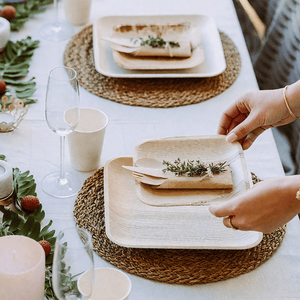
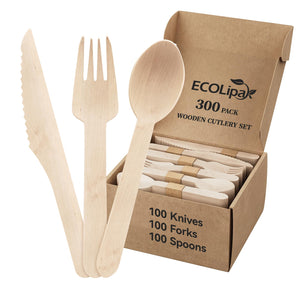
Palm leaf plates offer a much lower carbon footprint than paper plates. This makes them a superior environmental choice. Many people believe paper is best for the environment. However, a product's full lifecycle tells the real story of its environmental impacts. This lifecycle includes everything from raw materials to final disposal. The footprint of paper is surprisingly high.
The gentle harvest of palm makes palm plates a truly sustainable option. Ecolipak’s palm leaf plates are a prime example of this green solution.
Key Takeaways
Palm leaf plates have a much lower carbon footprint than paper plates.
Making paper plates uses many resources and causes pollution. It also cuts down trees.
Palm leaf plates come from naturally fallen leaves. Their production uses little energy or water.
Ecolipak palm plates are strong and chemical-free. They are safe for food and your health.
Palm leaf plates break down quickly in compost. They return nutrients to the soil.
Comparing the Carbon Footprint: Raw Materials
A product's journey begins with its raw materials. This first step in its life cycle has a huge effect on its total environmental footprint. When we compare paper plates and palm leaf plates, we see two very different stories. One story involves heavy industrial processes. The other story starts with a gentle, natural cycle.
The High Impact of Paper Production
Many people think paper plates are a green choice. The reality of their production tells a different story. The process of making paper plates has a significant environmental impact. It begins with harvesting trees, a major contributor to deforestation.
The paper industry is a primary driver of global deforestation. It is responsible for cutting down approximately 35% of all trees harvested worldwide.
This large-scale logging depletes vital forests. The manufacturing process itself is also resource-heavy.
High Water Use: Making paper plates requires massive amounts of water to turn wood into pulp.
Chemical Pollution: Factories use strong chemicals like chlorine to bleach the pulp white. These hazardous compounds can pollute waterways. Factory emissions also release harmful chemicals into the air. These emissions contribute to air and water pollution.
High Energy Consumption: The entire process, from pulping to pressing, consumes a great deal of energy. This high energy use leads to more carbon emissions.
The journey of paper plates from forest to factory creates a large initial carbon footprint. This footprint grows with every tree cut and every gallon of water used.
The Gentle Harvest of Palm Leaf Plates
Palm leaf plates offer a refreshing contrast. Their story begins not with cutting trees, but with collecting what nature has already provided. This simple difference dramatically lowers their environmental cost from the very start.
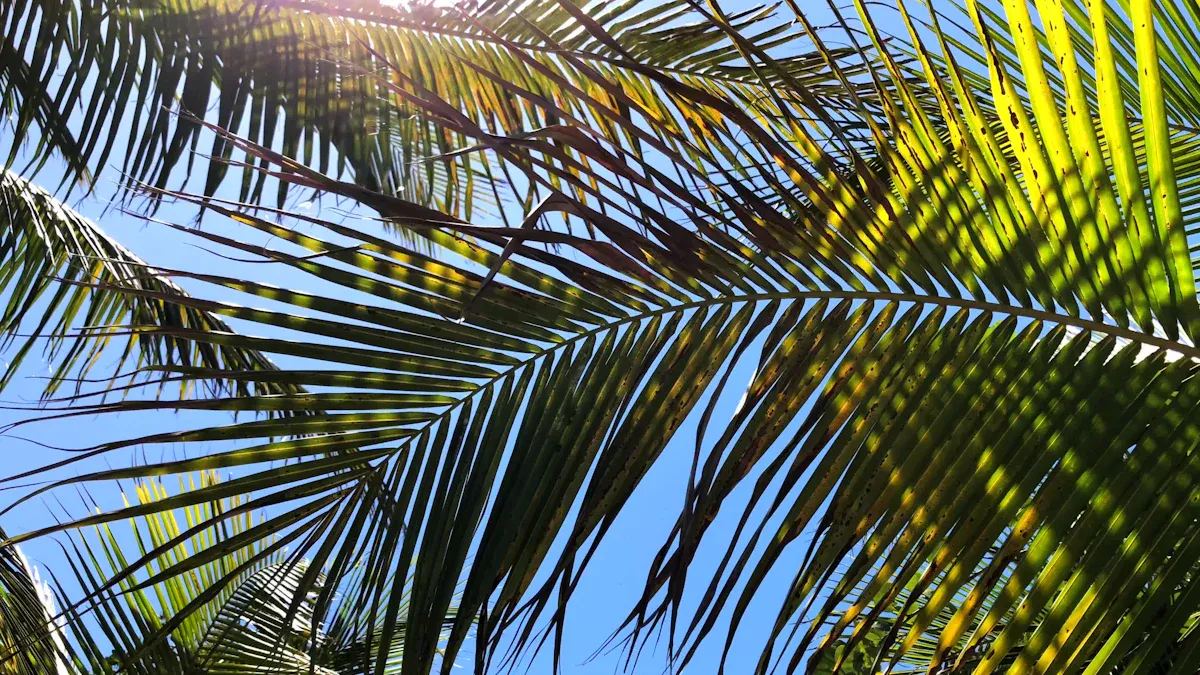
The raw material for palm plates comes from the Areca palm tree. These trees naturally shed their large leaves. Local farmers simply collect these fallen leaves from the ground. This means no trees are ever cut down to produce palm plates. The leaves are a renewable source material, a gift from nature.
The manufacturing process is just as gentle:
Collection: Workers gather the fallen palm leaves.
Cleaning: The leaves are cleaned with fresh water.
Pressing: High heat and pressure are used to press the leaves into shape.
This method is completely mechanical and chemical-free. No bleaches, dyes, or additives are used. The process uses very little energy and water compared to the production of paper plates. Because the palm leaves are a repurposed natural product, their initial carbon cost is nearly zero. This sustainable sourcing and low-energy production mean palm leaf plates start their life with a much smaller footprint and lower emissions. Choosing palm plates helps protect our forests and reduce industrial emissions.
Ecolipak Palm Plates: A Sustainable Choice
Understanding the benefits of a gentle harvest is the first step. The next is choosing a product that embodies this principle. Ecolipak’s Compostable Square Palm Leaf Plate is a tangible, high-quality example of this sustainable choice. It proves that you do not have to sacrifice performance for eco-friendliness. This is the future of sustainable single-use dinnerware.
Quality and Design Without Compromise
Many people worry that eco-friendly tableware will be flimsy or plain. Ecolipak’s palm plates challenge this idea. They offer exceptional quality and a unique design that enhances any event.
The strength of these palm plates comes from a smart, chemical-free process. Heat-pressing technology activates the natural resins within the palm leaves. This creates a strong, durable, and leak-resistant structure without any artificial glues. The plates can hold saucy or greasy foods for hours without softening. They are also safe for warming food in the microwave.
Beyond their strength, these palm leaf plates bring a natural elegance to the table. Each plate is one-of-a-kind.
Feature |
Ecolipak Palm Leaf Plates |
Other Eco-Friendly Tableware |
|---|---|---|
Texture |
Natural, woody texture with unique grain |
Clean, consistent, neutral appearance |
Look |
Elegant and rustic, natural sophistication |
Uniform, plain, neutral backdrop |
Uniqueness |
Each plate is unique, one-of-a-kind patterns |
Uniformity, cohesive, professional presentation |
Event Suitability |
Rustic, outdoor, upscale events, conversation starter |
Casual to formal, allows food to be the star |
Choosing Ecolipak also means choosing a healthier way to eat. Many plastic and even some paper disposable dinnerware options can leach harmful chemicals into your food, especially when heated. These chemicals include BPA, phthalates, and dioxins, which are linked to serious health issues.
The Endocrine Society states that there may be no safe dose for exposure to endocrine-disrupting chemicals (EDCs). These exposures are most harmful during sensitive periods like fetal development and childhood.
Ecolipak’s palm plates are made from 100% natural palm leaves and are completely chemical-free. This ensures your food stays pure and your family stays safe from plastic-related health risks. It is a sustainable choice for both the planet and your well-being.
Customer Trust in Eco-Friendly Solutions
The shift toward sustainability is powered by consumers who demand better options. A growing number of people are actively seeking products that align with their values. In fact, studies show that over two-thirds of Americans are willing to pay more for environmentally sustainable products. Ecolipak meets this demand with reliable and beautiful palm plates.
Customer feedback consistently highlights the sturdiness and appeal of our products. Users trust Ecolipak for events big and small because our plates deliver on their promise of quality.
A happy parent used our plates for a birthday party. They held up perfectly with burgers, salads, and even ice cream cake with no leaks or mess.
One caterer shared that the plates held up with all kinds of foods, with no bending or leaking.
Another user praised the compostable plates for feeling "very sturdy" yet "light as air" during a food and wine tasting event.
This trust is built on performance. Customers know that our palm leaf plates will not buckle or collapse, even when piled high with heavy foods like steak or potato salad. This reliability makes sustainability an easy and practical choice for everyone.
End-of-Life: A Story of Sustainability
The final stage of a product's life is its end-of-life impact. This is where the full story of sustainability comes to a close. For disposable plates, this last chapter reveals a stark difference between paper and palm leaf options. One creates long-term waste, while the other returns to the earth.
The Landfill Problem with Paper Plates
Many people assume paper plates are a simple, eco-friendly choice. However, their journey often ends in a landfill, creating lasting problems. Most paper plates cannot be recycled. Food residue and grease make it impossible for recycling facilities to process them. This means nearly all used paper plates are destined for the trash.
Once in a landfill, another issue appears. Most paper plates have a plastic coating to prevent leaks. This coating dramatically slows down decomposition.
A plastic-coated paper plate can take months or even years to break down. In some cases, it may never fully decompose, instead fragmenting into harmful microplastics that pollute soil and water.
This reality shows that the convenience of paper plates comes at a high environmental cost, contributing to landfill waste for a very long time.
Composting: Returning Nutrients to the Earth
Palm leaf plates offer a true zero waste solution. Their superior compostability allows them to complete a natural cycle. Unlike paper plates, these plates are fully biodegradable and compostable. In a home compost bin, they break down quickly, typically within 60 to 90 days. This rapid biodegradability is a key part of their sustainability.
The process of composting and biodegradability does more than just eliminate waste. It creates value.
Nutrient Return: As palm plates decompose, they return carbon-rich organic matter to the soil.
Soil Health: This compost improves the soil's structure and ability to hold water.
This makes palm leaf plates a regenerative choice. They are not just waste but a future resource for the earth. This final step in their lifecycle confirms their low environmental impact and reinforces the overall sustainability of choosing palm.
The lifecycle analysis is clear: for 2026 and beyond, palm leaf plates are the best choice to reduce environmental impact. Their journey from a gentle palm harvest to nutrient-rich compost gives them a much smaller carbon footprint than paper. Ecolipak's palm plates offer these substantial environmental benefits without sacrificing quality. Choosing our palm plates helps protect the environment. Make your next event a success for both you and the planet. Reduce your carbon footprint with a better choice. For a green pack, go for Ecolipak's palm plates. This simple switch helps the environment and lowers your footprint.
FAQ
Are palm leaf plates really better for the environment than paper plates?
Yes, they are. Palm leaf plates have a lower carbon footprint. They use naturally fallen leaves, so no trees are cut down. The production process also uses less energy and water. This makes them a more sustainable choice from start to finish.
Can I compost Ecolipak palm leaf plates at home?
Absolutely! Ecolipak palm leaf plates are 100% compostable. They break down in a home compost bin in about 60 to 90 days. This process returns valuable nutrients to the soil, creating a true zero-waste solution for your events. ♻️
How are palm leaf plates so strong without chemicals?
The strength comes from a natural process.
We use high heat and pressure to press the palm leaves. This method activates the leaf's natural resins, binding the fibers together. It creates a sturdy, leak-resistant plate without any artificial glues or chemicals.
Do palm leaf plates affect the taste of food?
No, they do not. Ecolipak palm leaf plates are completely neutral. They are cleaned with fresh water and are free from chemicals, lacquers, or dyes. Your food will taste exactly as it should, with no added flavors from the plate.