Microwaving plastic is a common habit. This action releases harmful chemicals into your food. This creates preventable health risks for you and your family.
Your daily microwave routine could pose a significant risk, especially to children. The dangers of leaching chemicals from heated plastic directly impact your health. This article explores the science behind this problem. It also introduces a safe alternative like compostable sugarcane plates to protect your well-being.
Key Takeaways
Microwaving plastic releases harmful chemicals and tiny plastic pieces into your food. This happens even with "microwave-safe" containers.
These chemicals can disrupt your body's hormones. They pose higher health risks for children and pregnant people.
Tiny plastic particles from microwaved containers can build up in your body. Scientists find these microplastics in human organs.
Switch to safer materials for microwaving food. Use glass, ceramic, or plant-based plates like Ecolipak's sugarcane plates.
Regularly check your plastic containers. Throw away any that are cloudy, scratched, or cracked to avoid health risks.
The Dangers of Microwaving Plastic
When you heat food in plastic, you expose yourself to a hidden danger. The heat from your microwave causes a process called leaching. This is where tiny, harmful particles escape from the plastic and mix into your meal. Understanding the dangers of leaching is the first step toward protecting your health.
Understanding the Dangers of Leaching
Leaching, or chemical migration, happens when plastic containers release chemicals into your food. The risk increases significantly with heat. Cooking in plastic using a microwave speeds up this process. Several specific chemicals are known to cause problems.
Bisphenol A (BPA): This chemical can leach from certain plastics when heated. Even "BPA-free" products may contain similar chemicals like BPS or BPF, which also pose a health risk.
Phthalates: These chemicals make plastic flexible. You can find them in plastic wrap and food packaging. They easily transfer to your food during heating.
Styrene: Heating polystyrene containers can release this chemical into your meal.
These are just a few examples. The simple act of microwaving plastic introduces unwanted chemicals into your body. The dangers of leaching are real and affect your daily meals.
Why "Microwave-Safe" Plastic Isn't Risk-Free
You might think a "microwave-safe" label means the container is completely safe. This label only means the plastic will not melt or warp in the microwave. It does not guarantee that chemicals or microplastics will stay out of your food. All plastic breaks down over time, and heat makes it happen faster.
A recent study on "microwave-safe" baby food containers found that a single square centimeter of plastic could release over a billion nanoplastics and millions of microplastics after just three minutes in the microwave.
Repeated microwaving, scratches, and contact with oily or acidic foods all increase the dangers of leaching. These factors create weak spots in the plastic, allowing more particles to escape. This means every time you use that old container, you increase your exposure.
Impacts on Your Health from Leached Chemicals
The chemicals that escape from heated plastic pose serious health risks. These substances enter your body and can cause long-term damage. Understanding these impacts helps you make safer choices for your meals and overall health.
Endocrine Disruptors and Hormonal Imbalance
Many chemicals in plastic are endocrine disruptors. These chemicals, like BPA, have a similar size and shape to your body's natural hormones. This allows them to interfere with your endocrine system. They can mimic hormones, block them, or change how they work. For example, BPA can stick to hormone receptors and disrupt normal cell signaling. This interference can lead to significant health problems, especially for reproductive health.
Your endocrine system controls many vital functions. When chemicals from plastic exposure disrupt it, you face a higher risk for:
Fertility issues and altered reproductive development.
Changes in testosterone and estrogen levels.
Metabolic problems like obesity and diabetes.
Even very low doses of these toxic chemicals can affect your health. The dangers of leaching introduce these harmful substances directly into your system.
Increased Risks for Children and Families
Children and developing fetuses face greater health risks from plastic exposure. Their bodies are still growing, making them highly sensitive to hormonal changes. A pregnant person's exposure to endocrine disrupting chemicals can impact their child's development. These effects can even pass down through generations. Children also consume more food and air relative to their body weight, increasing their dose of chemicals from sources like children's food containers.
The Endocrine Society states there may be no safe dose for exposure to endocrine disrupting chemicals (EDCs). It warns that exposure is most harmful during sensitive periods like fetal development, infancy, and childhood.
This vulnerability means that even small amounts of BPA and other chemicals can cause lasting harm. Protecting your family starts with reducing plastic exposure.
The Growing Concern of Microplastic Ingestion
When you microwave plastic, you also ingest tiny plastic particles. Scientists now find these microplastics in human organs, including the lungs, liver, and even the brain. Your body cannot break down these particles, so they build up over time. This accumulation presents a serious, long-term health risk. Studies link microplastic exposure to an increased cancer risk and reproductive problems. The constant presence of plastic in your body is a growing concern for long-term health and well-being.
A Safer, Greener Choice: Ecolipak's Plates
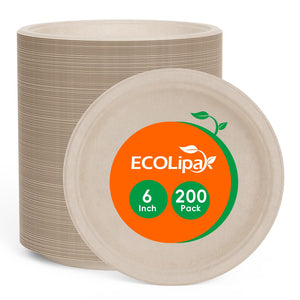
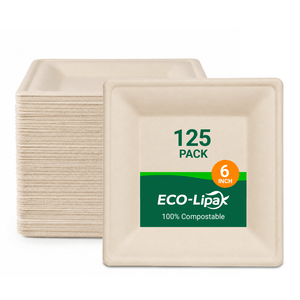
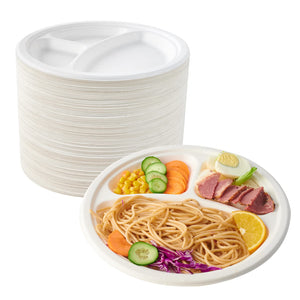
You can stop the cycle of chemical exposure from your microwave. The solution is to switch from plastic to a truly safe material. Ecolipak offers the ideal, microwave-safe choice with our Compostable Square Palm Leaf Plates and Sugarcane Plates. These products are made from natural, renewable resources. They are completely free from plastic and toxins, protecting your family's health and the environment.
The Natural Advantage of Palm Leaf and Sugarcane
Unlike plastic, which comes from fossil fuels, Ecolipak plates come from the earth. This gives them a powerful natural advantage. Their stability at high temperatures comes from their fibrous structure, not from synthetic chemicals.
Sugarcane Plates: We make these plates from bagasse. This is the dry, pulpy fiber left after sugarcane stalks are crushed for juice. This process repurposes agricultural waste that would otherwise be discarded.
Palm Leaf Plates: We source these from naturally fallen leaves of the Areca palm tree. No trees are ever cut down. Workers simply collect, clean, and shape the shed leaves using a heated press.
This simple, chemical-free manufacturing process uses the leaf's own natural resins to create a sturdy plate. Heat actually strengthens the material, which is the opposite of what happens when you heat plastic. This makes our plates a reliable and safe choice for your daily meals.
Certified Safe for Your Peace of Mind
You deserve confidence in the products you use every day. Ecolipak plates provide that peace of mind with trusted, third-party certifications. This is your guarantee of safety and quality.
You can safely warm food in our plates for up to two minutes. This versatility is rare in a fully biodegradable product, making your switch from plastic convenient and worry-free.
Many users share that our plates are sturdy, beautiful, and a great value for their eco-friendly benefits. They trust our products for their events and daily use. This trust is built on our commitment to transparency and proven safety standards. Our plates are:
BPI Certified Compostable: The Biodegradable Products Institute (BPI) verifies that our products meet strict scientific standards for decomposition, like ASTM D6400. This means they break down safely in a commercial composting facility without leaving toxins behind.
Chemical-Free Production: The plates are made without any added glues, dyes, or chemicals. They are cleaned with fresh water, heat-pressed into shape, and sanitized with UV light.
Versatile and Durable: You can use them for hot or cold foods. They are safe for both the microwave and the freezer, offering a durable solution that will not leak or break.
Choosing Ecolipak is a simple step toward a healthier home. Our mission is clear: ECO-Lipak Keeps Food Away From Plastic. When you choose our plates, you protect your family and the environment.
Green Pack, Go for ECOLipak.
How to Create a Plastic-Free Microwave Routine
Creating a safer kitchen environment is simple. You can easily adopt new habits that protect your food from harmful chemicals. These small changes make a big difference in your family's health and well-being.
Transfer Food to Glass, Ceramic, or Ecolipak Plates
The easiest step is to stop microwaving plastic altogether. Transfer your food to a safer dish before you heat it. Glass, ceramic, and plant-based plates like Ecolipak's are excellent choices. Vitrified glass is strong, resists stains, and is perfect for daily use. Ceramic plates are also durable for your meals. Ecolipak's sugarcane plates are another great option you can put in the microwave. These materials do not contain the harmful chemicals found in plastic.
A key difference is what these plates are made of. Biodegradable plates offer a clean alternative, ensuring your food stays pure and safe.
Chemical |
In Plastic Plates |
In Biodegradable Plates |
|---|---|---|
PFAS |
Yes |
No |
PFOA |
Yes |
No |
BPA |
Yes |
No |
Choosing a sturdy glass plate or a compostable one keeps your meals free from unwanted additives. You can trust glass to be a reliable and safe material for your microwave.
Ditch Plastic Wrap for Safer Covers
Plastic wrap presents another risk. When heated, it can melt or leach chemicals like phthalates directly onto your food. Even if the wrap doesn't touch your meal, steam can carry these particles. You have better, safer options for covering your food.
Use a paper towel to prevent splatters.
Cover your dish with wax paper or parchment paper.
Place a microwave-safe glass plate or dish upside down over your bowl.
These simple swaps effectively cover your food without adding any risk. You can easily avoid the dangers of heated plastic wrap.
When to Discard Old Plastic Containers
You should inspect your plastic containers regularly for signs of wear. Heat and use break down the material over time. This breakdown increases the release of microplastics and chemicals into your food. Damaged plastic containers create a health hazard. It is time to throw away your plastic containers if you see these signs:
Cloudiness or Stains: The container looks foggy, yellow, or has stains that will not wash out.
Scratches: Deep cuts or pits on the surface can trap bacteria and shed plastic particles.
Warping or Cracks: Any change in shape or visible cracks means the container's structure is compromised.
If you notice any of these issues, discard the old plastic containers immediately. Your health is worth more than a worn-out dish.
You can protect your family’s health by making a simple change. Swapping plastic containers for safer alternatives like Ecolipak’s plant-fiber plates is a powerful step. This action helps you avoid the health risks from chemical leaching. This choice protects both your family and the environment from plastic pollution. It reduces plastic waste and the overall pollution it causes. This change also limits your exposure to harmful chemicals.
Your decision to stop using plastic has a real impact. Consider these facts:
Over 3,200 chemicals found in plastic are linked to serious health issues.
"Microwave-safe" containers can release billions of plastic particles into your food.
Choosing safer materials helps reduce plastic waste and its associated pollution. You can fight plastic pollution and protect the environment from unnecessary waste. Make the switch to a healthier, plastic-free lifestyle today. Explore Ecolipak's products to start your journey away from plastic waste and its pollution.
FAQ
Is "microwave-safe" plastic truly safe to use?
No, it is not completely safe. The label only means the plastic will not melt. Heat still causes these containers to release harmful chemicals and microplastics into your food. This process, called leaching, poses health risks with every use.
Are Ecolipak plates safe for the microwave?
Yes, they are. ✅ You can safely microwave our sugarcane and palm leaf plates for up to two minutes. They are made from natural plant fibers. These materials do not contain the plastics or chemicals that leach into your food.
What are the best materials for microwaving food?
Glass, ceramic, and plant-fiber plates are your safest options. These materials are stable and do not release harmful substances when heated. Ecolipak's compostable plates offer a convenient, toxin-free choice for your microwave routine.
What if my plastic container is "BPA-free"?
"BPA-free" plastics often contain similar chemicals like BPS or BPF. These substitutes can also disrupt your hormones and leach into food. The safest choice is to avoid microwaving all types of plastic, regardless of their labels.