Did you know you can compost everyday items like coffee grounds, eggshells, and even shredded paper? Welcome to the world of home composting! It is a powerful way to reduce waste right in your own home. Many people don't realize how much food they throw away.
In the U.S., 87% of households report wasting food. The average family throws out about 6.2 cups of edible food each week.
Composting at home turns your kitchen scraps into garden gold. You can easily collect these compostable items and scraps in compostable trash bags. This guide shows you how to make rich compost for your garden.
Key Takeaways
Composting turns kitchen scraps and yard waste into rich soil for your garden.
Balance 'greens' (nitrogen) like food scraps with 'browns' (carbon) like dry leaves for a healthy compost pile.
Avoid adding meat, dairy, and pet waste to your compost to prevent pests and harmful germs.
Use tools like compost bins and compostable bags to make home composting easier.
Your compost is ready when it looks dark, crumbly, and smells like earth.
A 'Yes' List of Compostable Items
Successful home composting starts with knowing what to put in your bin. Think of your compost as a recipe with two main ingredient groups: "greens" and "browns." Getting the mix right is the secret to creating rich, dark compost for your garden. This compost food list will guide you on which household compostable items you can use.
Green Materials for Nitrogen
"Green" materials are rich in nitrogen. Nitrogen is a vital element that helps your compost pile heat up. Tiny workers, called microorganisms, use nitrogen to break down the organic materials. They need it to grow and multiply, turning your scraps into valuable soil nutrients.
You can find many of these compostable food items right in your kitchen and yard. Here are some excellent green materials to add to your compost:
Kitchen Scraps: Fruit and vegetable scraps (cores, rinds, peels), eggshells, coffee grounds, and used tea bags.
Yard Trimmings: Fresh grass clippings, weeds (without seeds), and leaves from garden plants.
Other Household Items: You can even add hair, fur, and feathers to your compost.
Quick Tip: When you add grass clippings, mix them well with brown materials. This prevents them from becoming slimy and smelly. Chopping up larger food items, like banana peels or apple cores, helps them break down faster.
Brown Materials for Carbon
"Brown" materials provide carbon for your compost. Carbon is the energy source for the microorganisms working in your pile. These materials also add bulk and create air pockets. The air pockets are important because they allow oxygen to flow, which the microbes need to breathe and work efficiently.
You have plenty of these compostable materials around your home. Look for these items to add to your compost:
Paper & Cardboard: Shredded newspaper, paper towel rolls, and cardboard egg cartons.
Dry Yard Waste: Dried leaves, small twigs, pine needles, and straw.
Carbon-rich materials like wood chips and cardboard give your compost pile structure. Other browns, like shredded paper, help soak up extra moisture. This balance is key for effective composting.
Balancing Your Compost Pile
Creating the perfect compost is all about balance. You need the right mix of greens (nitrogen) and browns (carbon). The ideal ratio is about one part green materials to three or four parts brown materials by volume.
An easy way to think about it is like making lasagna. Start with a layer of browns at the bottom of your bin. Then, add a layer of greens. Continue alternating these layers. This method helps distribute moisture and air, creating the perfect environment for decomposition.
Don't worry about getting the ratio exact. Composting is very forgiving. If your compost pile starts to smell bad, it likely has too many greens. Just add more browns to fix it. If the pile isn't breaking down, it may need more greens.
Moisture is also critical. Your compost should feel like a damp sponge.
Too Dry? If the materials feel dry, the decomposition process will slow down. Add some water to moisten the pile.
Too Wet? If the pile is soggy or slimy, it lacks oxygen. This can cause bad odors. Add more brown materials like dry leaves or shredded cardboard to soak up the excess water.
By balancing these elements, you help the microorganisms thrive. They will turn your food waste and yard trimmings into a nutrient-rich amendment for your garden soil. This process transforms everyday compostable items into black gold for your plants and fruits.
Everyday Items to Avoid in Your Compost
Knowing what to add to your compost is important. Knowing what to leave out is just as crucial for a healthy, odor-free pile. Some everyday items can attract pests, introduce harmful pathogens, or slow down decomposition. This guide on what not to compost will help you keep your pile clean and effective.
What to Always Leave Out
Certain materials should never go into your home compost bin. Adding these can create serious problems for your compost and, eventually, your garden. You should always avoid these items to ensure your organic pile remains a source of nutrients, not trouble.
Meat, Fish, Bones, and Dairy Products: These items are at the top of the list to avoid. The smell of rotting meat and dairy attracts unwanted pests. You might find your compost pile visited by rats, mice, raccoons, and possums. The decomposition of meat can also create dangerous bacteria like E. coli and salmonella. Fats and oils produce a strong stench as they spoil, inviting scavengers to your yard.
Pet Waste (Dog and Cat Feces): Your pets are part of your family, but their waste should stay out of your garden compost. Dog and cat feces can contain harmful pathogens and parasites, such as roundworms. Many environmental agencies advise against composting pet waste at home. A typical backyard compost pile does not get hot enough to reliably kill these dangerous microorganisms, posing a health risk to you and your plants.
-
Diseased or Insect-Infested Plants: It seems natural to compost old plants, but you should be careful. Adding a diseased plant introduces harmful fungi and bacteria into your compost.
According to Amy Enfield, Ph.D., Senior Horticulturist at ScottsMiracle-Gro, "Most backyard compost piles just don't get hot enough to kill off these pathogens. So, you risk mixing them right back into your garden when you use that compost," potentially "sabotaging them by spreading disease."
Chemically Treated Wood and Ash: Never add sawdust or scraps from treated, painted, or stained wood. These materials contain chemicals that can leach into your compost and harm your soil. Similarly, you should not add ash from coal or charcoal briquettes. These ashes can contain substances that are toxic to plants. Keeping these out ensures your finished compost is safe for growing food.
Items to Add with Caution
Some everyday items fall into a gray area. You can add them to your compost, but you need to do it carefully. Managing these compostable materials correctly prevents problems and keeps your composting process smooth.
-
Citrus Peels, Onions, and Garlic: Many people believe you cannot compost these items. The truth is, you can, but with some preparation. Their strong acidity and natural antibacterial properties can slow decomposition and harm beneficial worms. To safely add them:
Chop them into very small pieces to help them break down faster.
Mix them with plenty of brown materials, like dried leaves or cardboard. This helps balance the acidity.
Bury them in the center of your pile, where the temperature is highest.
Cooked Foods and Grains: Leftover pasta, bread, and rice are compostable items. However, like meat and dairy, they can attract pests. If you choose to add them, do so in small amounts. Make sure you bury them deep within the center of your compost pile to hide the scent from scavengers. This helps you manage these everyday items without creating a pest problem at home.
Essential Tools for Easy Composting
Having the right tools makes home composting much easier. You do not need a lot of fancy equipment. A few key items will help you turn your scraps into rich compost with minimal effort.
Choosing the Right Bin
Your first step is choosing a compost bin that fits your space and lifestyle. The amount of compostable materials your home produces is a key factor. Consider your household size to pick the right bin volume.
Different types of bins offer unique benefits. You can compare them to find the best fit for your home composting setup.
Compost Bin Type |
Pros |
Cons |
|---|---|---|
Tumbling Compost Bins |
Faster breakdown (4–8 weeks), pest-resistant, easy turning |
Higher cost, limited capacity, may dry out if not monitored |
Stationary (Open-Bottom) Bins |
Affordable, high capacity, promotes natural inoculation |
Slower process, vulnerable to rodents without proper management |
Worm Composting Bins |
Works year-round indoors, produces high-quality castings |
Sensitive to temperature and pH, requires bedding material |
Using Quality Compostable Trash Bags
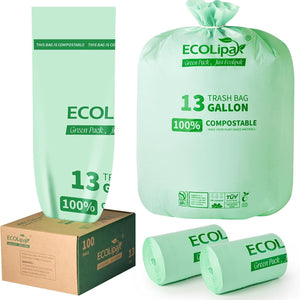
Collecting kitchen scraps is a daily part of the composting process. Using a quality bag makes this task clean and simple. For a perfect solution, you can use Ecolipak's Compostable Trash Bags.
These bags are a great tool for gathering your daily food waste before adding it to your main compost pile.
Ecolipak designs its bags for convenience. They are made from plant-based PLA, a sustainable material that supports a plastic-free lifestyle. The bags are also BPI Certified, which means they have been tested and proven to break down completely in a compost facility. This certification ensures you are not adding harmful residues to your compost.
Many users find Ecolipak products to be sturdy and reliable. Their tear-resistant design means you can make the switch to an eco-friendly option without sacrificing quality. These bags fit standard kitchen bins, making your home composting journey seamless from the very start.
Your Quick Guide to Home Composting
You can turn many everyday items from your home into valuable compost. This quick guide helps you understand how to handle some common but tricky materials. Proper home composting turns your waste into a rich organic resource for your garden.
Paper, Cardboard, and Pizza Boxes
You can add many paper products to your compost pile. Uncoated cardboard and newspaper are excellent "brown" materials. However, you should avoid shiny or glossy paper.
Items like magazines, cereal boxes, and frozen pizza boxes often have a plastic coating. This coating prevents them from breaking down in your compost.
You can still compost regular pizza boxes. Just make sure to handle them correctly. Scrape off any large chunks of cheese or leftover food. You should also cut away any parts heavily soaked with grease and throw them in the trash. The clean cardboard pieces are perfect for your compost.
Bread, Grains, and Pasta
You can add leftover bread, rice, and plain pasta to your compost. These kitchen scraps break down well. However, they can attract unwanted pests like rodents and insects. You should also avoid adding these items if they are covered in oily sauces or dairy.
To safely add these items to your compost:
Add them in small amounts.
Bury them deep in the center of your pile.
This simple step hides the scent from pests and helps the materials break down faster. Proper management keeps your composting process clean and efficient.
Meat, Bones, and Dairy
You should generally avoid adding meat, bones, and dairy products to a standard compost pile at home. These items can create strong, unpleasant odors that attract pests. They can also harbor harmful pathogens like E. coli and Salmonella. A typical backyard compost pile does not get hot enough to kill these dangerous bacteria.
However, some advanced composting methods can handle these materials.
Bokashi Composting: This is an anaerobic (oxygen-free) process that ferments almost all food waste, including meat and dairy. It is a great option if you want to compost everything from your home.
For most beginners, it is safest to leave these items out of your compost. This ensures your finished compost is safe for growing your plants and fruits.
Successful home composting is all about balance. You can transform your kitchen scraps and yard waste into rich organic compost. Simply mix your "greens" and "browns" to create the perfect environment for decomposition. This process enriches your soil with key nutrients, helping your garden plants grow strong. Many find a huge sense of satisfaction in using their own compost to fertilize their garden.
By following these simple guidelines for composting, you are not just reducing waste. You are creating a natural fertilizer for your garden soil. Happy composting!
FAQ
How do I know my compost is ready?
Your compost is ready when it looks dark, crumbly, and smells earthy like rich soil. You should not be able to recognize the original food scraps or yard waste. This process usually takes a few months, depending on your bin and materials.
What should I do if my compost smells bad?
A bad smell often means your compost has too much nitrogen ("greens") or is too wet. You can fix this by adding more carbon-rich "browns" like dried leaves, shredded cardboard, or sawdust. Turning the pile will also add air and reduce odors.
Can I compost during the winter?
Yes, you can compost all year long! The decomposition process will slow down in cold weather, but it will not stop completely. You can continue adding your kitchen scraps to the pile. The pile will become active again when temperatures rise in the spring.
Do I need worms for my compost pile?
You do not need to add worms to a standard outdoor compost pile. Worms and other helpful organisms will naturally find their way into your bin. However, worm composting (vermicomposting) is a separate method that uses a special bin and specific types of worms.