You choose sustainable products to protect your family. But can some 'green' trash bags release harmful microplastics into your home? The answer is yes. The risk often comes from the bag's material and daily use, contributing to indoor plastic pollution. This is a serious concern for parents.
Studies show children face greater exposure to microplastics than adults. The safety of your children is paramount.
This guide helps you find truly safe and sustainable alternatives, like certified compostable trash bags, to protect your home and your children.
Key Takeaways
-
Some 'eco' trash bags can release tiny plastic pieces into your home. These pieces are called microplastics. They can harm your family's health.
-
Recycled plastic bags and some bioplastic bags can break apart easily. This happens when you use them every day. These bags add microplastics to your home's air and surfaces.
-
Microplastics can spread through your home. They can get into the air you breathe. They can also get on your hands and surfaces. This can cause health problems.
-
You can make your home safer. Do not use plastic liners for dry trash. For wet trash, choose bags with special certifications. Look for BPI and OK Compost labels.
-
Certified compostable bags, like Ecolipak, are safe. They do not have harmful chemicals. They break down completely. They protect your family and the planet.
The Problem with Some 'Eco' Bags
You choose eco-friendly products to solve the plastic problem, not add to it. However, some bags marketed as green have hidden issues. Understanding these problems helps you make a truly safe and sustainable choice for your family.
Recycled Plastic Bag Fragmentation
Recycled plastic bags seem like a great sustainable option. The recycling process, however, can weaken the plastic's structure. Heat and mechanical stress during recycling can cause the material to become brittle. Low-quality recycled plastics break down even faster. This means that with daily use—stretching the bag, tying it up, or even just the friction inside the bin—these bags can shed tiny particles. This process releases harmful microplastics directly into your home's air and onto its surfaces.
The Nuance of Bioplastic Bags
The terms "bioplastic" and "compostable" can be confusing. Many bioplastics, like Polylactic Acid (PLA), are made from plant starches like corn or sugarcane. While plant-derived, they are still polymers. Low-quality or uncertified bioplastic bags can behave like traditional plastics if not disposed of correctly. They can fragment into micro-sized pieces from daily friction and tearing.
True compostability depends on the right conditions. Without the high heat of an industrial composting facility, some bags won't break down completely, leaving particles behind.
This is why certification matters. High-quality, certified compostable alternatives are specifically designed to decompose fully under the right conditions. They offer a reliable solution, unlike uncertified options that might not break down as promised. Choosing certified compostable alternatives ensures you are not trading one problem for another. For a truly safe home, you need reliable compostable alternatives.
The Spread of Harmful Microplastics at Home
Once released, harmful microplastics do not just stay in the trash can. They can travel throughout your home, posing a risk to your family's health. Understanding how they spread is the first step toward creating a safer environment for your children.
Airborne Particles from Daily Use
Every time you open, stretch, or tie a low-quality trash bag, you can release tiny plastic particles into the air. Simple daily actions create friction and stress on the bag material, causing it to shed fragments. Studies have identified plastic bags as a source of airborne microplastics in indoor environments. These particles are light enough to float in the air you breathe. This is especially concerning for young children, who often play on the floor and have a higher breathing rate relative to their body size. Protecting the air quality in your home is crucial for the well-being of your children.
Contamination of Hands and Surfaces
Airborne particles eventually settle on surfaces all over your home, from kitchen counters to your children's toys. When you or your children touch these contaminated surfaces, the particles transfer to your hands and can be ingested. These harmful microplastics may carry toxic chemicals.
Scientists have found microplastics in human blood, lungs, and other organs. The chemicals they carry, like phthalates and bisphenols, are linked to serious health issues.
These harmful chemicals can pose significant risks. Potential health problems include:
-
Damage to the immune system
-
Reproductive and developmental issues, a major concern for growing children
-
Increased risk of certain cancers
Choosing safer products helps you reduce your family's exposure to these invisible threats.
Choosing a Truly Safe Trash Solution
Protecting your family from indoor pollutants requires making conscious choices. You can significantly reduce your household's exposure to microplastics with a few simple changes to your waste management routine. These strategies help you create a safer home for your children.
Go Liner-Free for Dry Trash
One of the easiest ways to reduce plastic use is to skip the liner for dry trash. Many items you throw away do not require a plastic bag. This simple habit change lowers the risk of plastic fragmentation in your home.
Consider these simple adjustments for a more sustainable household:
-
Avoid plastics at the source: Use glass containers for food storage instead of plastic ones.
-
Choose sustainable products: Prioritize items made from natural materials like bamboo, wood, or linen.
-
Buy with less packaging: Purchase foods like rice in bulk and choose products without extra cartons.
For your trash bins, you can apply the same logic.
-
Do not line trash cans if the contents are dry, like paper waste in a home office.
-
Use a large paper shopping bag or a designated bin to collect recyclables like paper, glass, and metal.
-
Crush cans and break down boxes to save space and reduce the need for any bag at all.
This approach works perfectly for dry waste. For wet kitchen waste, however, you need a reliable liner that won't leak or release harmful particles.
Trust Certified Options like Ecolipak
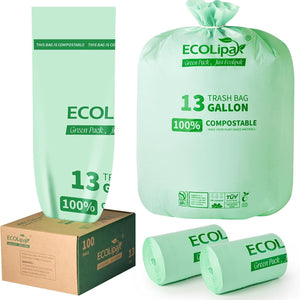
When you need a liner for wet trash, choosing the right one is critical for your family's health. Ecolipak offers a reliable, parent-trusted solution with its Compostable Trash Bags. These bags provide the convenience you need without introducing risks into your home.
The key is certification. Ecolipak bags are made from corn-based PLA and hold both BPI (Biodegradable Products Institute) and OK Compost certifications. These labels are your guarantee of safety and true compostability.
What does BPI Certified mean for your family? To earn BPI certification, a product must be free of intentionally added toxic chemicals like PFAS and contain less than 100 parts per million (ppm) of total organic fluorine. It also must be proven to break down completely in an industrial composting facility within 90 to 180 days, turning into nutrient-rich compost without leaving harmful microplastics behind.
TÜV Austria, an authorized body, provides the OK Compost certification, which confirms a product meets strict European standards. This third-party validation ensures you are using one of the safest compostable alternatives available.
Ecolipak's eco-friendly design focuses on features that matter to parents.
-
Durability You Can Count On: These bags are engineered to be thick, tear-resistant, and leak-proof. You can handle heavy kitchen waste without worrying about messy spills, a common frustration for parents of young children.
-
Safety for Your Home: Ecolipak bags are BPA-free. This ensures no harmful chemicals will leach into your home environment, protecting your children from exposure.
-
A Truly Sustainable Choice: Unlike some "eco" bags that fragment, these certified compostable alternatives are designed to decompose fully. You get a durable bag that protects your home and the planet.
By choosing certified compostable alternatives like Ecolipak for your wet trash, you make a truly safe and sustainable choice. You get the performance you need while keeping your home free from invisible threats.
Not all sustainable trash bags are safe for your children. Some contribute to indoor plastic pollution. You can protect your children by making simple, smart choices. Reduce liner use for dry waste. For wet trash, choose durable, certified compostable alternatives. These compostable alternatives solve the plastic problem without creating new risks for your children. Using certified compostable alternatives ensures a truly sustainable home, safe for your children.
Make a choice that's safe for your family and the planet. Go for a green pack you can trust.
FAQ
Why are some "eco" bags unsafe for my home?
Some recycled or uncertified "bioplastic" bags can become brittle. Daily use, like stretching or tying, causes them to shed tiny microplastic particles. These particles can pollute your home's air and settle on surfaces, posing a health risk to your family.
What makes a compostable bag truly safe?
A truly safe bag has certifications like BPI and OK Compost. These certifications guarantee the bag is made without harmful chemicals. They also prove the bag will break down completely into natural compost, leaving no microplastic residue behind in the right conditions.
How do I know Ecolipak bags won't tear? 💧
You can trust their durability. Ecolipak bags are engineered to be thick and tear-resistant. This heavy-duty design reliably handles wet kitchen waste without the frustrating leaks or spills common with lower-quality bags, giving you peace of mind.
How should I store my compostable bags?
You should store your compostable bags in a cool, dry place away from direct sunlight. This helps maintain their strength and integrity until you are ready to use them. Proper storage ensures they perform perfectly when you need them.