Does your monthly food bill feel like a huge strain on your budget? You’re not alone. For many, food is a major expense.
|
Category |
Monthly Cost |
Percentage of Budget |
|---|---|---|
|
Food |
$832 |
12.9% |
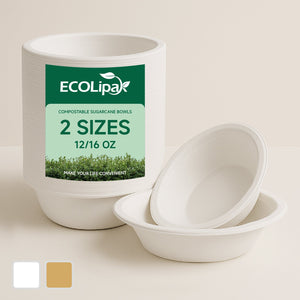
You want budget-conscious meals with great nutrition, but you also want to be kind to the planet. It might seem tough, but it is possible! With smart planning, you can stretch food budget and create an easy meal plan. Imagine enjoying delicious meals that support your goals, even served in eco-friendly sugarcane Compostable Bowls.
Key Takeaways
-
Reduce food waste by shopping your pantry first. Use all parts of vegetables. Store food correctly to make it last longer.
-
Eat more plant-based meals. They cost less money and help the planet. Use meat as a flavor, not the main part of your meal.
-
Plan your meals for the week. Cook big batches of food. Store your prepped meals in eco-friendly containers.
-
Shop smart to save money. Buy fruits and vegetables that are in season. Use bulk bins for staples like rice and beans.
Stretch Your Food Budget by Minimizing Waste
Did you know that a significant portion of your food budget might be going straight into the trash? Wasting food is like throwing money away. You can stretch your food budget by making a few simple changes. Good planning helps you use everything you buy, ensuring you get the most nutrition and value from your food. Let's explore how to cut down on waste and save more.
Shop Your Pantry First
Before you even think about making a grocery list, take a look at what you already have. Your pantry, fridge, and freezer are full of potential meals. Challenge yourself to create a meal using ingredients on hand. This simple habit prevents you from buying duplicate items and forces you to get creative with your recipes. A well-thought-out meal plan starts with using up the food you own.
Embrace Root-to-Stem Cooking
Many parts of vegetables that people throw away are perfectly edible and delicious. You can stretch food budget by using the entire plant. For example, you can sauté beet greens or use broccoli stems in a stir-fry. This approach maximizes the food you get for your money.
Pro Tip: Keep a bag in your freezer for vegetable scraps like onion peels, carrot ends, and celery tops. Once the bag is full, simmer the scraps in water to make a flavorful, free vegetable broth. It's an easy way to add depth to your next soup or sauce!
Learn Smart Food Storage
Properly storing your food is key to making it last longer. When your produce stays fresh, you have more time to use it in your meals. This is especially important when you plan for leftovers. Storing food correctly helps you avoid spoilage and waste. Here are a few tips:
-
Berries: Keep them unwashed in the refrigerator until you are ready to eat them.
-
Leafy Greens: Wash and dry your greens completely. Store them in a breathable bag in the fridge to keep them crisp.
-
Root Vegetables: Carrots and potatoes do best in a cool, dark, and dry spot away from fruits.
Making your leftovers last is also crucial. When you pack up your food, you ensure a ready-to-go meal for the next day, which is great for your budget.
Prioritize Plant-Based and Low-Impact Proteins
Shifting your meals to focus more on plants is a powerful way to help your budget and the planet. Plant-based food often costs less than meat and has a smaller environmental footprint. Research from Oxford University shows that you can significantly cut your food costs by eating more plants.
|
Diet Type |
Cost Reduction/Increase |
|---|---|
|
Vegan |
Up to one-third reduction |
|
Vegetarian |
Close second to vegan reduction |
|
Flexitarian (low meat/dairy) |
14% reduction |
|
Pescatarian |
Up to 2% increase |
Making this change provides great nutrition and can make your weekly meal planning much more affordable.
Build Meals Around Budget Staples
You can create delicious and filling meals using simple, low-cost ingredients. Start with an affordable protein source like beans or lentils. Then, add whole grains like brown rice and seasonal vegetables. These staples are packed with nutrition and incredibly versatile. For example, you can build a fantastic meal with a base of rice and beans. Or, try roasting some sweet potatoes for a satisfying side. Building your meals around inexpensive produce and pantry items like rice, beans, and sweet potatoes is a cornerstone of smart, eco-friendly eating.
Find Simple Plant-Based Recipes
You don't need complex recipes to enjoy plant-based food. Many easy and delicious recipes use just a few ingredients. You can find simple recipes online for meals that are perfect for a weeknight dinner.
Easy 5-Ingredient Dinner Ideas:
Sweet Potato Chickpea Quesadillas
Creamy Vegan Mushroom Pasta
Saucy White Beans and Kale
These recipes prove that you can make amazing food without a long shopping list. You can also try making veggie fried rice or taco bowls using a base of rice and beans. For something heartier, look for beginner-friendly recipes for black bean burgers. These options make it simple to get started with plant-based cooking.
Use Meat as a Garnish, Not the Star
Reducing meat doesn't mean you have to give it up completely. Instead, think of meat as a way to add flavor instead of being the main event. A small amount of ground beef can add a rich taste to a big pot of chili that is full of beans and vegetables. This approach helps you stretch your food budget while still enjoying the flavors you love. This small change also has a big impact. Experts like Walter Willett from Harvard note that producing animal-based food, especially beef, uses significant resources and contributes heavily to greenhouse gas emissions. By using less meat, you support both your wallet and the planet.
Meal Prep to Stretch Your Food Budget
Have you ever gotten home after a long day with no energy to cook? That's when takeout or expensive convenience food becomes tempting. Meal prep is your secret weapon against impulse buys. By preparing your meals ahead of time, you can stretch food budget, reduce waste, and ensure you always have a delicious, healthy meal ready to go.
Plan Your Meals for the Week
Good planning is the foundation of a successful meal plan. Before you shop, decide what you'll eat for the week. Look at your favorite recipes and build a grocery list around them. This simple step ensures you buy only what you need, preventing your fridge from filling up with food that might go bad. A solid meal plan saves you from making last-minute, costly decisions.
Cook in Batches to Save Time
You can make your week much easier by cooking in large batches. Set aside a few hours on the weekend to prepare your food. You can cook a big pot of chili, roast a tray of vegetables, or prepare grains like rice and quinoa. This approach saves you time and energy during the busy week. Having ready-to-eat components makes assembling your meals quick and simple.
Store Prepped Meals in Ecolipak Containers
Proper storage keeps your prepped food fresh and tasty. It's also a chance to make a better choice for the planet. Instead of plastic, you can use sustainable options.
Why Choose Sugarcane Over Plastic? Choosing eco-friendly containers makes a real difference. Here’s a quick comparison:
Feature
Sugarcane Bagasse Containers
Plastic Containers
Decomposition
Composts in 60-90 days with no toxic residue.
Takes hundreds of years to decompose.
Material Origin
Made from repurposed sugarcane waste.
Made from non-renewable petroleum.
Carbon Footprint
Has a smaller carbon footprint.
Has a larger carbon footprint.
Pollution
Results in nutrient-rich soil.
Creates microplastics that pollute water and soil.
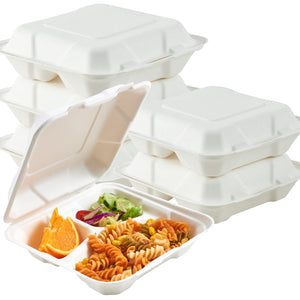
For a perfect meal, try Ecolipak's 8 inch Compostable Sugarcane 3 Compartment To Go Boxes. Their three-compartment design is great for portion control and keeps your food separate. They are sturdy, plastic-free, and microwave-safe, making reheating your meal incredibly easy. For soups or salads, Ecolipak’s compostable bowls offer another great way to store your food while maintaining its nutrition.
Master Budget-Friendly Shopping
Your shopping habits have a huge impact on your food budget. With a little planning, you can master budget-friendly shopping and bring home healthy, affordable food. Smart choices at the store lead to big cost savings and a well-stocked kitchen.
Buy In-Season and Local Produce
One of the easiest ways to save money is to buy produce that is in season. When fruits and vegetables are abundant, their prices drop. Check your local farmers' market or the weekly sales flyer for the best deals. This produce is often fresher and tastier. Buying local also supports your community's economy and reduces the environmental cost of shipping food long distances. Keep an eye out for sales on seasonal produce to make your meal even more affordable.
Shop the Bulk Bins
The bulk bins are a goldmine for saving money and reducing packaging waste. You can buy exactly the amount you need, which is perfect for trying new recipes or stocking up on staples. This helps you avoid buying a large bag of something you might not use.
Tips for Bulk Bin Success:
Bring your own reusable containers to reduce plastic waste. Just weigh them before you fill!
Compare the unit price to the packaged version. The bulk option is usually cheaper.
Buy small amounts of spices or new grains. This is an easy way to experiment without commitment.
Shopping the bulk section for items like oats, rice, beans, and nuts is a fantastic strategy for your meal plan. You get the food you want without the extra packaging.
Focus on the Store's Perimeter
Grocery stores are often designed to guide you toward processed foods in the center aisles. You can avoid these expensive traps by shopping mainly on the perimeter. This is where you'll find most of the fresh, whole food. Sticking to the outer ring helps you build healthier meals. You will typically find:
-
Produce: Fresh fruits and vegetables full of vitamins.
-
Meat and seafood: Lean proteins for your meals.
-
Dairy and alternatives: Milk, yogurt, and plant-based options.
-
Bakery: Fresh, whole-grain breads.
Focusing your shopping here makes it simple to stick to your list and avoid impulse buys, which is great for your budget. Look for sales on these items to save even more.
You can make a real difference for your wallet and the planet. You learned how to reduce waste, find simple plant-based recipes, and shop smart. Meal prepping helps you control your food budget and make healthier choices. Making small changes to how you plan and prepare your food adds up to big savings and a smaller environmental footprint.
Ready to start? Try one new strategy this week. Embrace the "Green Pack, Go for Ecolipak" mindset in your kitchen and see the positive impact you can make! 🌿
FAQ
How can I save money with bulk buying?
You can save a lot by purchasing staples like rice, beans, and oats from bulk bins. This method reduces packaging waste. You only buy the amount you need, which prevents food from going unused. It's a smart way to stock your pantry for less money.
What are some easy DIY snacks to save money?
Making your own snacks is simple and affordable. You can try roasting chickpeas for a crunchy treat or making a big batch of trail mix with nuts and dried fruit. Homemade granola bars are also a great option. These choices are healthier and cheaper than store-bought snacks.
Are eco-friendly containers really better for meal prep?
Yes, they are a fantastic choice! For example, Ecolipak's compostable bowls are sturdy, microwave-safe, and made from sustainable sugarcane. They keep your food fresh without using plastic. You get the convenience of easy cleanup while helping the planet. 🌎