You want your juice bar to stand out as a leader in sustainability. Heat-resistant PLA cold cups offer you a smart way to reduce waste and lower your carbon footprint. With the PLA Advantage, you use packaging that comes from renewable resources and breaks down naturally. Ecolipak’s commitment to compostable, non-toxic, and eco-conscious solutions lets you serve drinks in style while protecting the planet.
Key Takeaways
Switching to heat-resistant PLA cups helps reduce your juice bar's carbon footprint by up to 65% compared to traditional plastics.
PLA cups are compostable and biodegradable, breaking down in just a few months, which supports a cleaner environment.
Using heat-resistant PLA allows you to serve both cold and warm foods, expanding your menu options without compromising sustainability.
Ecolipak’s PLA products meet strict food safety standards, ensuring safe contact with beverages while enhancing your brand's eco-friendly image.
Choosing sustainable packaging like PLA can attract eco-conscious customers and set your juice bar apart in a competitive market.
Understanding Heat-Resistant PLA
What Sets PLA Apart
You may wonder what makes polylactic acid, or PLA, different from other materials. PLA comes from renewable plants like corn or sugarcane. This means the carbon in polylactic acid does not come from fossil fuels. You help reduce your juice bar’s carbon footprint when you choose PLA.
Polylactic acid stands out because it is safe for food contact. You can trust PLA cups for your drinks. Manufacturers can use existing plastic equipment to make polylactic acid products, which helps keep costs down. PLA also supports industrial composting. In the right facility, polylactic acid breaks down and returns to the earth.
Heat-resistant PLA, also called crystallized PLA or CPLA, has a special structure. Standard PLA starts to soften at about 45–55°C (113–131°F). CPLA resists heat up to 85–100°C (185–212°F). This makes it a better choice for warm foods and drinks.
Here are some unique properties of polylactic acid:
Renewable, plant-based origin
Safe for food contact
Industrial compostability
Familiar processing for manufacturers
PLA Advantage Over Traditional Plastics
The PLA advantage gives your juice bar a way to stand out. Polylactic acid offers a clear benefit over traditional plastics. You get a material that is compostable in industrial settings. Traditional plastics do not break down easily and can last for hundreds of years.
Let’s compare biodegradability:
Material |
Biodegradability in Industrial Composting |
Biodegradability in Landfill/Marine |
|---|---|---|
Heat-resistant PLA |
High |
Low (like traditional plastics) |
Traditional Plastics |
Low |
Low |
The PLA advantage also includes a lower carbon footprint. Polylactic acid can produce fewer greenhouse gases than PET or PS. Recycling polylactic acid is better for the environment than burning it.
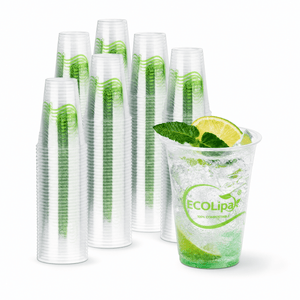
Ecolipak’s Biodegradable Clear PLA Cold Cups show the PLA advantage in action. These cups use advanced polylactic acid technology. You get sturdy, clear, and compostable cups that support your brand’s green image. By choosing PLA, you help your juice bar meet environmental rules and attract eco-conscious customers.
Tip: The PLA advantage helps you balance sustainability with a premium look for your drinks. Customers notice when you care about the planet.
Sustainability Impact for Juice Bars
Environmental Benefits of PLA
You want your juice bar to make a real difference for the environment. Choosing heat-resistant PLA helps you do that. PLA comes from plants, not oil. This means you use a renewable resource instead of fossil fuels. When you switch to PLA, you help lower your carbon footprint. In fact, PLA packaging can reduce carbon emissions by up to 65% compared to PET plastic. This big difference supports your sustainability goals and shows your customers you care about the planet.
PLA stands out because it is both biodegradable and compostable. You can trust that these cups will not sit in a landfill for hundreds of years. In commercial composting facilities, PLA products break down in three to six months. Heat-resistant PLA, also called CPLA, can compost in two to four months. The compostability of PLA depends on temperature, moisture, and the composting environment. Higher temperatures help PLA break down faster, but every facility is different. Some studies show that even six months may not be enough for complete biodegradation, so you should always check with your local composting center.
Here are the main environmental benefits of PLA for juice bars:
You use a plant-based material that supports a cleaner environment.
You reduce plastic waste because PLA is biodegradable and compostable.
You lower your carbon footprint with every cup you serve.
You help keep harmful plastics out of oceans and landfills.
The beverage industry is moving toward sustainable solutions. You see more juice bars and cafes choosing biodegradable products. Plant-based materials like PLA are now popular for reducing waste. Many businesses also look for minimalist designs and zero-waste packaging to support sustainability.
Note: Compostability rates for PLA products depend on the facility. Always check if your local composting center accepts PLA cups.
Ecolipak’s Commitment to Sustainability
Ecolipak helps you reach your sustainability goals with innovative, eco-friendly packaging. The brand’s mission is to make green living easy and accessible for everyone. Ecolipak’s products are 100% compostable and BPI certified. This means they meet strict standards for compostability, including ASTM D6400. You can feel confident that your juice bar uses packaging that supports the environment.
Ecolipak has made a big impact. In 2024, the brand sold over 59 million biodegradable products. This helped protect 125,000 square meters of green space. Ecolipak’s Biodegradable Clear PLA Cold Cups give you a sturdy, attractive, and sustainable choice for serving drinks. These cups are PFAS-free and safe for your customers and the environment.
You can see the real-world benefits in customer stories. Juice bar owners and event planners say Ecolipak’s biodegradable products are strong and reliable. They like that the cups look good and work well for both small and large events. Customers appreciate that they do not have to sacrifice quality for sustainability. Many users say they feel proud to serve drinks in compostable cups that help protect the planet.
Ecolipak’s leadership in sustainable packaging helps your juice bar stand out. You meet environmental compliance standards and show your commitment to sustainability. This gives your business a competitive edge. Customers notice when you choose compostable, biodegradable products. You build a positive brand image and attract more eco-conscious guests.
Packaging Type |
Carbon Emissions Reduction |
|---|---|
PLA |
Up to 65% lower |
PET |
Higher emissions due to fossil fuel reliance |
You can join the global trend toward sustainable packaging. By choosing Ecolipak’s heat-resistant PLA cups, you support a cleaner environment and a stronger business.
PLA Advantage in Hot Food Applications
Expanding Usability for Juice Bars
You want your juice bar to offer more than just great taste. You want packaging that supports both your brand and the environment. PLA technology has made big steps forward in hot food applications. In the past, bioplastics like PLA would soften or warp when exposed to heat. This limited their use for high-temperature food and steam-heavy foods. Today, heat-resistant PLA, also called CPLA, brings new possibilities.
You can now find PLA products that handle higher temperatures. These advancements allow you to serve a wider range of menu items. Juice bars often serve cold drinks, but some also offer warm snacks or side dishes. Heat-stable PLA packaging can help you expand your menu without switching to traditional plastics. You can use these products for foods that are warm but not steaming hot. This means you can serve items like baked goods or warm wraps in eco-friendly containers.
Here are some ways heat-resistant PLA improves usability for juice bars:
You can serve both cold and warm foods in one type of packaging.
You reduce the risk of warping or leaks with improved heat resistance.
You support your brand’s commitment to sustainability with every cup or container.
You attract customers who value eco-friendly and innovative solutions.
Juice bars that use heat-resistant PLA show leadership in green practices. You set your business apart by choosing packaging that balances environmental compliance with a premium look. Customers notice when you use compostable, plant-based materials for both cold drinks and hot food applications. This helps you build a strong, eco-conscious brand.
Overcoming Heat Resistance Concerns
You may have heard that PLA cannot handle hot food applications. This is a common misconception. Standard PLA does have a low heat resistance. It starts to soften at temperatures above 45–55°C. This can cause issues like warping, lid distortion, or leaks, especially with high-temperature food or steam-heavy foods. Juice bars that serve hot drinks or steam-heavy foods need to understand these limits.
Ecolipak’s PLA cups are designed for cold beverages. They have a maximum temperature tolerance of about 55°C. If you use them for hot drinks, you risk deformation or softening. This is why you see clear labeling on Ecolipak’s cups: "For Cold Drinks Only." You avoid customer complaints and product failures by using the right cup for the right drink.
Here are some common misconceptions and facts about PLA heat resistance:
Misconception |
Fact |
|---|---|
PLA cups can be used for hot drinks |
PLA cups are for cold drinks only; heat above 55°C causes softening. |
PLA straws work with hot beverages |
PLA straws melt around 60°C and may deform in hot drinks. |
All PLA is heat-stable |
Only heat-resistant PLA (CPLA) handles higher temperatures. |
Juice bars sometimes face challenges when switching to PLA. For example, a coffee chain tried using PLA cups for hot beverages. They saw deformation and lid detachment when drinks exceeded 60°C. They solved this by using PLA cups for cold drinks and CPLA lids for hot beverages. You can avoid these issues by educating your staff and customers about proper use.
Ecolipak’s PLA cups address heat resistance concerns by focusing on cold drinks. You get sturdy, clear, and compostable cups that work perfectly for juices, smoothies, and iced teas. You do not have to worry about warping or leaking when you use them as intended. This clear guidance helps you maintain quality and customer satisfaction.
Tip: Always match your packaging to your menu. Use heat-resistant PLA for warm foods and standard PLA for cold drinks. This keeps your juice bar running smoothly and sustainably.
You can see that heat-resistant PLA technology helps juice bars balance eco-friendly goals with a premium brand image. You reduce your carbon footprint and show your commitment to green practices. Customers appreciate your attention to detail and your leadership in sustainable packaging.
Practical Benefits for Juice Bars
Performance and Customer Appeal
You want your juice bar to deliver top performance with every drink you serve. Ecolipak’s PLA cold cups give you a clear, modern look that makes your beverages stand out. Customers see their colorful juices and smoothies through the transparent cup, which boosts visual appeal. PLA cups hold up well for cold drinks, so you do not have to worry about leaks or spills. The sturdy design means you can stack and store them easily, saving space and time.
When you compare PLA cups to other options, you see why they are a smart sustainable packaging choice. PLA cups use an environmentally friendly material that comes from plants. They are compostable and biodegradable, which supports the sustainable packaging movement. Paper cups often have plastic linings that make composting difficult. PLA cups also offer better customization and spill prevention.
Feature |
PLA Cups with Lids |
Paper Cups |
|---|---|---|
Material |
Plant-based, renewable |
Paper + polyethylene lining |
Compostable |
Yes, industrial composting |
Difficult due to plastic lining |
Biodegradable |
Yes |
Limited |
Suitability for cold drinks |
Excellent |
Moderate (prone to leaks) |
Transparency |
Clear |
Opaque |
Customization |
High |
Limited |
Spill prevention |
Yes, with lid |
Lids often separate |
You give your customers a premium experience with every cup. They enjoy a product that feels good in their hands and supports their values. PLA cups show your commitment to sustainable practices and high performance.
Brand Image and Compliance
You want your brand to lead in sustainability and compliance. Choosing PLA cups helps you meet food safety standards and labeling rules. Juice bars must follow strict requirements for packaging. You need to ensure your cups are safe for direct contact with beverages and display the right information.
Requirement Type |
Description |
|---|---|
Regulatory Compliance |
Ensure packaging meets FDA, EU, or local food safety standards for direct contact with beverages |
Labeling Requirements |
Include ingredient lists, nutritional facts, allergen warnings, and expiration dates as required |
Heat-resistant PLA supports your brand’s image as a leader in sustainable packaging. You show customers that you care about the environment and their health. PLA cups are often FDA-approved for food contact, which gives you peace of mind. You also gain a competitive edge in the market. Many customers choose juice bars that use bioplastic and heat-safe packaging.
Switching to PLA cups may cost more than traditional plastics, but you gain long-term value. You lower your carbon footprint, attract eco-conscious customers, and build a premium brand. You set your juice bar apart by balancing heat resistance, performance, and sustainability.
Tip: Customers remember brands that care about the planet. Make your juice bar a leader in the sustainable packaging movement.
Switching to heat-resistant PLA gives your juice bar a real advantage. You lower your carbon footprint and show your commitment to the planet. Ecolipak leads the way with cups that handle heat, look great, and break down fast. You can trust these cups for both style and performance.
Ecolipak’s cups use plant-based materials and decompose in months, not years.
Over 59 million eco-friendly products sold in 2024 helped save green space.
You can find more options like bamboo, agave, or sugarcane fiber containers, and compostable bags.
"I switched to Ecolipak for my family gatherings and work events. The cups hold up well, look great, and I love knowing they won’t end up polluting the planet." — Satisfied Ecolipak Customer
You can boost your brand by choosing packaging that resists heat and supports sustainability. Make the switch today for a greener future.
FAQ
What makes CPLA different from regular PLA for juice bars?
You get CPLA when you change the structure of PLA to handle higher temperature. CPLA resists heat better than standard PLA. This means you can serve hot drinks or food without worrying about the cup losing shape. CPLA helps your juice bar offer more menu options.
Can I use CPLA cups for hot beverages and foods?
Yes, you can use CPLA cups for hot drinks and hot foods. CPLA cups stay strong up to a higher temperature. You do not need to worry about warping or leaks. This makes CPLA a great choice for juice bars that want to serve both cold and hot items.
How does CPLA help with food safety concerns?
CPLA cups meet strict food safety concerns. You can trust them for direct contact with hot drinks and hot foods. The material does not release harmful chemicals at high temperature. CPLA cups are safe for your customers and help you follow food safety rules.
What temperature can CPLA cups handle?
CPLA cups can handle a temperature up to 212°F. You can serve hot drinks and hot foods without the cup losing its shape. Always check the temperature of your menu items. CPLA cups give you flexibility for both hot and cold beverages at your juice bar.
Why should my juice bar choose CPLA for hot menu items?
You should choose CPLA because it balances environmental compliance and a premium look. CPLA cups handle hot temperature, support your brand’s green image, and attract eco-conscious customers. You can serve hot drinks and hot foods while reducing your carbon footprint and boosting your market appeal.