You glance at a full trash can, a small part of the 6,570 pounds of trash the average family creates yearly. You are not alone in wanting a change. A hopeful 85% of adults feel ready to take personal action for a more sustainable world. Building a high-quality sustainable lifestyle is not about sacrifice. It begins with simple, stylish, and sustainable swaps, like choosing beautiful eco friendly plates. Your journey toward sustainable living starts with one positive choice, ready for you to make a real impact today.
Key Takeaways
Start your sustainable journey with small, simple changes. These small actions add up to a big positive impact.
Reduce your consumption first. Then, reuse items, and finally, recycle them. This helps lessen your environmental impact.
Swap single-use plastics for reusable items. This includes plates, water bottles, and shopping bags.
Save energy and water at home. Simple habits like using cold water for laundry or taking shorter showers make a difference.
Make eco-friendly choices in your daily life. This includes how you travel, what you eat, and where you shop.
Reduce Consumption for a Greener Planet
Our planet has limits. It cannot support endless growth and unchecked consumption. The constant pressure to buy more drives destructive resource extraction and pollution. This behavior directly contributes to the growing climate and extinction crises. By 2050, air pollution could become far deadlier, and the amount of plastic in our oceans may quadruple. You can change this future by making conscious choices, starting with how much you consume. Reducing your consumption is the single most powerful way to lessen your environmental impact.
Master 'Reduce, Reuse, Recycle'
You likely know the three R's, but their power lies in their order. Focus first on "Reduce," then "Reuse," and finally "Recycle." You can master this by practicing mindful consumption.
Reduce: Before you buy, ask yourself if you truly need it. Choose items with minimal packaging or buy in bulk to reduce waste. You can also switch to digital bills and subscriptions to cut down on paper.
Reuse: Find new life for items you already own. Glass jars become storage containers. Old t-shirts become cleaning rags. A little creativity turns potential trash into a valuable resource.
Recycle: When an item has reached the end of its life, recycle it properly. Check your local guidelines to know what you can and cannot recycle in your area.
Swap Single-Use Plastics for Reusables
Every year, about 6.6 million tons of plastic waste flood our waterways, harming wildlife and coastal communities. You can fight this tide by swapping single-use plastics for beautiful, sustainable alternatives. This isn't about sacrifice; it's about upgrading your lifestyle.
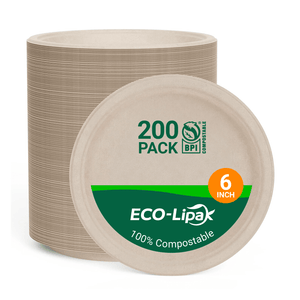
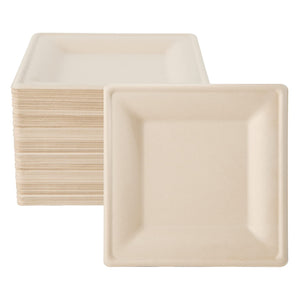
Instead of flimsy paper or plastic plates at your next gathering, you can choose elegant and sturdy options. For example, Ecolipak's compostable sugarcane plates offer a fantastic alternative.
Eco-Friendly: Made from sugarcane fiber, they are a renewable resource. They are BPI Certified to decompose in 60 to 90 days, leaving no toxins behind.
Durable & Versatile: These plates are surprisingly strong, cut-resistant, and can handle hot and cold foods. You can even use them in the microwave and freezer.
Stylish: Choosing high-quality, sustainable products enhances your experience. As many users have shared, Ecolipak tableware is both durable and aesthetically pleasing, proving that you don't have to give up quality to be eco-conscious.
Making this simple swap helps you reduce waste and host with style and confidence.
Plan Meals to Cut Food Waste
Did you know that households are a major source of food waste? A little planning goes a long way in keeping food on your plate and out of the landfill. A sustainable food routine starts in your kitchen.
Pro Tip: Before you shop, take a quick inventory of your fridge and pantry. Create a shopping list based on the meals you plan for the week. This simple habit helps you buy only what you need and prevents impulse purchases.
Here are a few techniques to get you started:
Strategic Protein Planning: Use proteins that spoil quickly, like seafood, earlier in the week. Save heartier meats for later, or incorporate a "Meatless Friday" to use up vegetables.
Use Your Freezer: Freeze fresh meat right after you buy it if you don't plan to use it within a day or two. You can also freeze leftovers for an easy meal later.
Get Creative: Use vegetable scraps to make a flavorful broth. Turn stale bread into croutons or breadcrumbs. Thinking creatively helps you use every last bit.
Start Composting Kitchen Scraps
Even with perfect meal planning, you will have some kitchen scraps. Instead of tossing them, you can turn them into "black gold" for your garden through composting. This is a critical step for a sustainable home and a healthy climate.
"When you throw your food scraps in the trash, they get taken to a landfill. And when that decomposes, it can generate a lot of methane, a greenhouse gas... When we do generate organics waste, compost it. It's one of the best things you can do for our environment.” — Aaron Hiday, EGLE compost program coordinator
Methane is a potent gas, trapping over 25 times more heat than carbon dioxide. Landfills are oxygen-poor environments, causing scraps to release large amounts of methane as they break down. Composting, which uses oxygen, avoids this.
Getting started is easy:
Compost Pile: The simplest method. Just create a pile of your kitchen scraps and yard trimmings in a corner of your yard.
Compost Bin or Tumbler: These enclosed options keep things tidy and can speed up the process. Tumblers make it easy to turn and aerate your compost.
Vermicomposting (Worm Bin): Perfect for apartments or homes with no yard. Worms do the work for you, creating incredibly nutrient-rich compost indoors.
By composting, you create a valuable soil supplement and take meaningful action for a more sustainable world. 🪴
Build a Sustainable Lifestyle at Home
Your home is your sanctuary. You can transform it into a powerful hub for positive change. Building a sustainable lifestyle at home is not about radical changes or giving up comfort. It is about making smart, simple upgrades that elevate your daily life and protect our planet's future. You can start creating a healthier home and a healthier climate today.
Conserve Energy with Simple Habits
You hold the power to reduce your home's energy consumption with a few easy adjustments. These small habits add up to a significant positive impact on your wallet and the environment. You can save energy without any special equipment, starting right now.
Did You Know? Nearly 90% of the energy a washing machine uses goes toward heating the water. You can make a big difference with one simple switch.
Here are five simple habits you can adopt to save energy:
Wash Clothes in Cold Water: Modern detergents work great in cold water. Switching to a cold wash cycle can save a surprising amount of energy.
Switch to LED Bulbs: Replace your old incandescent bulbs with energy-efficient LEDs. They use up to 90% less electricity and last 25 times longer.
Manage Your Thermostat: Set your thermostat a few degrees lower in the winter (18-20°C) and a few degrees higher in the summer (26°C). Close doors to rooms you are not using to heat or cool your space more efficiently.
Use Natural Light: Open your curtains during the day to let sunlight warm your home in the winter. In the summer, close them to keep your home cool and reduce the need for air conditioning.
Air-Dry Your Clothes: Skip the energy-hungry dryer. Air-dry your clothes on a line or rack. Your clothes will last longer, and you will see the savings on your utility bill.
Choose Eco-Friendly Bathroom Swaps
Your bathroom is the perfect place to introduce beautiful and sustainable swaps. Traditional products often come with a hidden environmental cost. For example, conventional toilet paper production contributes to deforestation and uses harsh chemicals like PFAS, which can pollute waterways and may be linked to health issues.
You can upgrade your bathroom experience by choosing healthier, more luxurious alternatives. A perfect example is Ecolipak's 2-Ply Tree Free Bamboo Toilet Paper. This is more than just a sustainable choice; it is an investment in your family's well-being.
Tree-Free and Sustainable: Made from 100% fast-growing bamboo, it protects our precious forests.
Safe for Your Family: It is completely PFAS-free, BPA-free, unbleached, and chemical-free. This makes it an ideal choice for those with sensitive skin.
Soft and Strong: Bamboo fibers create a toilet paper that is both incredibly soft and durable, offering guilt-free comfort.
Septic-Safe: It is fully biodegradable and safe for all septic systems.
Making this simple switch helps you create a safer, more sustainable home without sacrificing a touch of luxury.
Practice Mindful Water Conservation
Water is a precious resource, and you use more of it at home than you might think. The average person uses over 50 gallons of water indoors every single day. A large portion of this comes from just a few key areas.
Indoor Use |
Gallons per Person per Day |
|---|---|
Toilet |
18.5 |
Washing Machine |
15.0 |
Shower |
11.6 |
Faucet |
10.9 |
You can easily conserve water with a few mindful habits. Every drop you save helps protect our local water supplies.
Take Shorter Showers: Try to keep your showers to five minutes or less.
Turn Off the Tap: Turn off the water while you brush your teeth or lather your hands. This simple act can save gallons of water each day.
Run Full Loads: Only run your dishwasher and washing machine when they are completely full.
Fix Leaks Promptly: A single dripping faucet can waste hundreds of gallons of water over a year. Check for and repair leaks right away.
Unplug Electronics to Stop Phantom Loads
Did you know that many of your electronics use power even when they are turned off? This phenomenon is called "phantom load" or "vampire power." These devices are always waiting, ready to power on at the click of a button. This constant standby mode can account for 5% to 10% of your household's electricity use, costing you up to $100 or more per year.
Many common household items are culprits. Your TV, cable box, game console, and even your coffee maker are constantly drawing a small amount of power.
You can easily slay these energy vampires and build a more sustainable lifestyle.
Unplug Devices: The simplest solution is to unplug chargers and appliances when you are not using them.
Use Power Strips: Plug multiple devices (like your computer, monitor, and printer) into a power strip. You can then turn them all off completely with a single switch.
Choose Energy-Efficient Appliances: When it is time to replace an appliance, look for models with the ENERGY STAR® label. These energy-efficient appliances are designed to minimize standby power consumption.
Adopt Sustainable Living Habits
A sustainable lifestyle extends beyond your home. You can weave eco-conscious habits into your daily routines, from your commute to your meals. These choices empower you to live your values, making a positive impact with every step you take. You can build a truly sustainable life by being mindful in your daily actions.
Rethink Your Daily Transportation
Your daily travel offers a huge opportunity to reduce your carbon footprint. Transportation is a leading source of emissions, but you can easily make a change. Choosing to cycle or walk for short trips is a powerful way to improve your health and the climate.
Even one or two car-free days a week makes a difference. Consider public transport for longer commutes. You can reduce your travel emissions by around 75% just by using a bike instead of a car for short trips.
Tips for Sustainable Living on the Go
You can easily avoid single-use plastics when you are out. A simple "on-the-go" kit makes sustainable living effortless.
Reusable Water Bottle & Coffee Cup: Stay hydrated and caffeinated without the waste.
Reusable Cutlery & Napkin: Say no to plastic forks and paper napkins.
Reusable Shopping Bag: Be ready for any purchase, big or small.
Shop Mindfully and Buy Second-Hand
Practicing mindful consumption helps you build a more curated and sustainable lifestyle. Before buying new, explore second-hand options. The fashion industry produces 100 billion items of clothing each year, and much of it ends up in landfills. Buying pre-loved items gives them a new life and reduces waste. This approach allows you to develop a personal style with beautiful, high-quality pieces, proving that being sustainable is an upgrade, not a sacrifice.
Support Local and Green Businesses
Your purchasing power can build a stronger, greener community. Supporting local businesses reduces shipping emissions and keeps money in your local economy. When you shop, look for trusted certifications like Green Seal or Fairtrade. These labels help you identify businesses committed to sustainable practices.
Try More Plant-Based Meals
What you eat has a major effect on the climate. A plant-based diet has a much lower environmental footprint than a meat-heavy one. You don't have to go fully vegan overnight. Start with simple swaps.
Easy Swap Idea: Try making your next Bolognese with lentils instead of ground meat, or use tofu in a scramble instead of eggs.
Exploring a plant-based diet is a delicious way to live a more sustainable life. Every plant-based diet choice you make contributes to a healthier planet.
Your journey to sustainable living is about progress, not perfection. You can start today by choosing just one or two simple, sustainable tips from this guide. Taking action, even in small ways, creates a powerful sense of purpose and boosts your well-being. Remember, every sustainable choice you make adds up. Your individual actions join with others to create a significant positive impact for our planet. You are building a better future, one simple step at a time. 💚
FAQ
Where is the best place to start my sustainable journey?
You can start with one small change that feels exciting to you. Choose a single tip from this guide, like swapping to a reusable water bottle or trying one plant-based meal this week. Your journey is about making positive, enjoyable upgrades to your daily life.
Do my small actions really make a difference?
Yes, your choices have power. Every sustainable action you take joins a global movement of people creating positive change. These collective efforts significantly reduce waste and pollution. Your small steps help build a healthier climate for everyone and inspire others to join you.
Is living a sustainable lifestyle expensive?
You will find that many sustainable habits actually save you money. Reusing items, reducing consumption, and saving energy lower your household bills. While some eco-friendly products may have an upfront cost, they often last longer and provide better value over time.
How can I stay motivated on this journey?
Focus on progress, not perfection. Celebrate your small wins and remember why you started. You are creating a healthier home and a better world. Each positive choice you make contributes to a more sustainable future and a healthier climate.