Consumer demand for sustainability is the most powerful force shaping the future of packaging. This shift drives the latest sustainable packaging trends. People want sustainable options, from paper to go boxes to other eco-friendly packaging. This push for innovation shows a clear preference for circularity and sustainable packaging. The future will reflect this consumer power. A focus on sustainable innovation and overall sustainability is essential for any brand's packaging strategy.
This is the era where the consumer is the new CEO of packaging.
Key Takeaways
-
Consumers now drive packaging changes, demanding sustainable and eco-friendly options.
-
Packaging is moving from recycling to reusable systems and new compostable materials.
-
Brands must be open about their sourcing and show their values through packaging.
-
Smart packaging uses technology to connect with customers and make products easy for everyone to use.
Circular Solutions: The Top Sustainable Packaging Trends
The push for sustainability is transforming packaging. Consumers now demand more than just recyclable options. They want systems that eliminate waste entirely. This has led to two major sustainable packaging trends: the rise of reusable systems and the innovation of advanced compostable materials. These trends are creating a circular economy for packaging, where resources are kept in use for as long as possible. This approach reduces waste, conserves resources, and minimizes environmental impact. The market reflects this shift, with significant growth projected for circular packaging solutions.
|
Metric |
Grand View Research (2025-2030) |
Coherent Market Insights (2025-2032) |
|---|---|---|
|
Market Size (2025) |
USD 259.12 billion |
USD 252.33 billion |
|
Projected Market Size |
USD 351.69 billion (2030) |
USD 389.54 billion (2032) |
|
CAGR |
6.30% |
6.4% |
The Consumer Shift from Recycling to Reusable Systems
For years, recycling was the main focus of sustainability efforts. Consumers diligently sorted their waste, believing it was the best way to help the environment. However, people now understand the limits of recycling. There is growing confusion about what is truly recyclable. Many consumers also want to move beyond single-use packaging altogether. This has created a powerful shift toward reusable and refillable packaging.
While most people support the idea of reducing plastic, convenience remains a major hurdle. Studies show many consumers find it difficult to remember, return, or clean reusable containers. Brands are stepping up to solve this problem. They are creating innovative programs that make refillable packaging easy and rewarding. These sustainable refills are a key part of the future of sustainable e-commerce packaging.
Many leading companies have successfully launched reusable packaging initiatives. These programs show a commitment to circularity and are changing consumer habits.
|
Brand |
Circular Packaging Solution |
|---|---|
|
Loop (TerraCycle) |
Partners with major brands to offer products in durable, reusable packaging with a deposit system. |
|
The Body Shop |
Offers in-store refill stations for popular products, reducing the need for new bottles. |
|
Adidas |
Creates shoes and apparel from recycled ocean plastic through its Parley for the Oceans collaboration. |
|
IKEA |
Buys back and resells used IKEA furniture, extending the life of its products. |
|
Unilever |
Pilots refillable packaging for its brands and aims to halve its use of virgin plastic. |
These initiatives prove that with the right systems, refillable packaging can become the new norm. The goal is to create a seamless experience for the consumer, making the sustainable choice the easiest one. This is a core part of modern packaging design trends.
Innovations in Sustainable Packaging Materials
While refillable packaging is ideal, it is not always practical for every situation, especially for takeout food. This is where material innovation plays a vital role in sustainable packaging trends. The demand for plastic-free options has fueled incredible sustainable innovation in compostable and biodegradable materials. These materials offer a responsible end-of-life solution for single-use packaging.
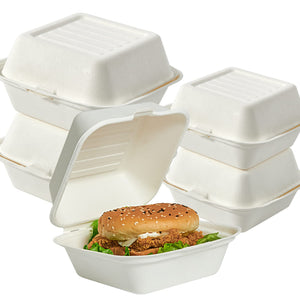
One of the most promising materials is sugarcane bagasse. This is the fibrous residue left over after sugarcane stalks are crushed to extract their juice. Instead of being discarded, this byproduct is transformed into strong, durable, and eco-friendly packaging.
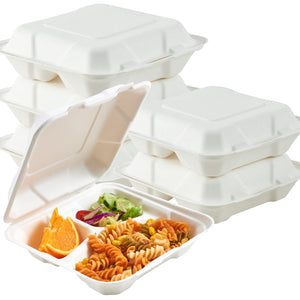
A prime example of this innovation is Ecolipak's 8 inch Compostable Sugarcane 3 Compartment To Go Boxes. These containers directly answer the consumer call for better sustainable packaging.
-
Truly Sustainable: They are made from a tree-free, renewable resource. This makes them fully biodegradable and compostable.
-
Certified Trust: The boxes are BPI-certified. This certification guarantees that the packaging has been scientifically tested to break down in a commercial compost facility without leaving toxic residues. It gives the consumer confidence that their choice truly supports sustainability.
-
High Performance: This sustainable packaging does not sacrifice quality. Sugarcane containers are sturdy, leak-resistant, and safe for both the microwave and freezer.
Customers consistently praise the sturdiness and quality of eco-friendly alternatives like those from Ecolipak. This feedback proves that choosing sustainable packaging no longer means compromising on performance. People can have convenient, reliable packaging that is also kind to the planet.
This type of innovation is crucial. It provides a practical and sustainable solution for food service and sustainable e-commerce packaging. By using compostable materials like sugarcane, brands can offer single-use packaging that returns to the earth as soil, completing a natural cycle. This is a powerful step in the evolution of packaging trends and a win for both businesses and the consumer. The future of packaging is circular, whether through reusable systems or advanced compostable materials.
Brand Values and Sustainability: Choosing Transparency
Today's consumer wants more than a good product. They want to support brands that align with their personal values. This means transparency is no longer optional; it is essential. People demand to know where products come from, how they are made, and what a brand stands for. This shift places a company's ethics and sustainability efforts at the forefront, turning packaging into a key communication tool.
The Demand for Ethical Sourcing and Provenance
Consumers are becoming detectives. Studies show a significant number of people, especially younger generations, research a product's origins before buying. A 2024 study found that 85% of consumers are more likely to buy from companies that are transparent about their sourcing. This desire for knowledge is a major driver of current packaging design trends.
Increasing supply chain visibility always strengthens consumer trust. When companies share product origins and production processes, consumers feel more confident in their purchases.
This is where smart packaging innovation comes in. QR codes on sustainable packaging can link a consumer directly to the story of the product. They can learn about the materials, the manufacturing process, and the brand's commitment to sustainability. This level of transparency builds a powerful bond between the brand and the consumer.
Packaging with a Purpose: Supporting Brands That Do Good
Packaging is evolving from a simple container to a storyteller. It offers a canvas for brands to showcase their commitment to social and environmental causes. This "packaging with a purpose" is a key part of the latest sustainable packaging trends. It allows a brand to share its mission directly with the consumer at the point of sale. This approach to sustainable packaging fosters a deeper connection.
Many sustainable brands use their packaging to highlight their values.
-
Bombas Socks features the message "one pair purchased, one pair donated" on its minimalist packaging. This connects shoppers to the positive impact of their purchase.
-
Seventh Generation uses its packaging to highlight its use of recycled plastic and plant-based ingredients, reinforcing its mission for a healthy, sustainable world.
This innovation in packaging shows a brand's dedication to sustainability. It proves that a company's values are integrated into every aspect of its business. This makes the sustainable packaging itself a statement of purpose and a reason for customer loyalty.
Experiential Packaging Trends: The Digital and Human Touch
Packaging is no longer just a protective shell. It is now an interactive stage for the brand experience. This shift combines digital innovation with a focus on human needs. The result is packaging that engages, informs, and includes every consumer. These experiential packaging design trends are creating deeper connections between brands and their customers.
Consumer Engagement with Smart, Interactive Packaging
Smart packaging turns a physical product into a digital gateway. Brands use QR codes and NFC chips to start a conversation with the consumer. A simple scan can unlock a world of information. This technology also helps reduce food waste by providing better traceability. The market for this innovation is growing fast.
This digital layer enhances the unboxing experience. Brands like Coca-Cola and Nestlé use interactive packaging to share stories and build trust. This creates a memorable unboxing moment that goes beyond the product itself. The goal is a lasting experience, turning a simple unboxing into a powerful brand interaction. This focus on sustainability and innovation is key to modern personalised packaging.
Inclusive Packaging Design Trends for Accessibility
A truly great experience is one that everyone can enjoy. Inclusive packaging design trends ensure that products are accessible to all people, regardless of their physical abilities. This is a critical part of social sustainability. The need is significant, with billions of people globally facing challenges with traditional packaging.
The core aim of inclusive packaging is to ensure that everyone can interact with and benefit from the product without barriers.
This means creating packaging that is easy to open, hold, and read.
-
Olay adds tactile symbols to its body wash bottles for visually impaired users.
-
Microsoft's Xbox uses tape loops for easy opening.
-
Rare Beauty designs its cosmetic packaging with easy-to-grip caps.
This thoughtful approach to packaging makes the unboxing process better for everyone. It shows that a brand cares about its entire audience. This innovation in personalisation and accessibility builds strong loyalty. It transforms the unboxing into a positive, frustration-free moment. Such sustainable and user-centric personalised packaging makes a memorable unboxing for all.
The future of packaging directly reflects consumer choices. People now see the limits of recycling and demand authentic sustainability. The most successful sustainable packaging of the future will deliver on key principles.
-
Circularity: Reducing plastic reliance through sustainable innovation.
-
Transparency: Offering honest proof of sustainable practices.
-
Experience: Engaging the consumer with interactive packaging.
Brands like Ecolipak lead this charge. Other companies must listen to win loyalty. The mindset "Green Pack, Go for ECOLipak" guides the packaging industry toward a more sustainable and responsible future.
FAQ
What is the difference between recycling and composting?
Recycling reprocesses old materials like plastic or glass into new items. Composting, on the other hand, breaks down organic materials like food scraps and certain packaging into nutrient-rich soil. Composting returns materials to the earth, while recycling keeps them in the industrial loop.
Why is sugarcane bagasse a good material for packaging?
Sugarcane bagasse is a smart choice for sustainable packaging. 🌿 It is a renewable resource left over from sugar production. This material is tree-free, sturdy, and fully compostable. Brands like Ecolipak use it to create strong, eco-friendly containers that reduce waste.
What does BPI certification mean for compostable packaging?
BPI (Biodegradable Products Institute) certification provides trust. It guarantees that a product has been scientifically tested to break down safely in a commercial compost facility. This certification helps consumers identify packaging that is truly compostable and supports a circular economy.
Can I microwave eco-friendly to-go boxes?
Yes, many modern eco-friendly containers are designed for convenience. For example, Ecolipak's 8 inch Compostable Sugarcane 3 Compartment To Go Boxes are microwave-safe. This feature allows users to easily reheat meals without transferring them to another dish, combining sustainability with practicality.