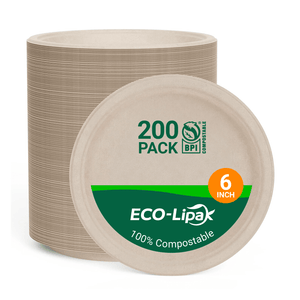
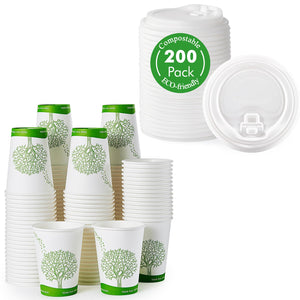
Certified compostable packaging is a critical business strategy. The global market is projected to reach USD 76.81 billion in 2025. This growth reflects a major consumer shift. A new report shows 70% of consumers make product choices based on packaging sustainability. This trend drives the Future of Sustainable Packaging. Brands must mitigate regulatory risks and secure consumer trust. Certifications like BPI offer a defense against greenwashing claims. They guarantee the integrity of materials for products like paper to go boxes, building brand loyalty.
Key Takeaways
-
Certified compostable packaging helps businesses avoid legal problems and build trust with customers.
-
New laws make companies pay for their packaging waste, but using compostable materials can lower these costs.
-
Third-party groups like BPI check if products are truly compostable, which stops companies from making false environmental claims.
-
Customers want safe and eco-friendly products, and certified compostables meet these needs by avoiding harmful chemicals.
-
Choosing US-based suppliers for compostable packaging makes supply chains more reliable and helps businesses save money in the long run.
Mitigating Regulatory and Financial Risk
Navigating the modern market requires a sharp focus on risk. For many businesses, packaging has become a primary source of regulatory and financial liability. Governments worldwide are holding producers accountable for post-consumer waste. At the same time, consumers and regulators are scrutinizing environmental claims more than ever. Inaction is no longer a viable option. Brands must adopt proactive strategies to protect their bottom line and reputation.
The High Cost of Inaction: EPR Laws
A wave of environmental legislation is changing the cost of doing business. Extended Producer Responsibility (EPR) laws make brands financially responsible for the entire lifecycle of their packaging. These are not distant concepts; they are active policies with significant financial penalties.
EPR is a Global Reality
United States: States like California, Oregon, Maine, and Colorado have enacted EPR laws. These require producers to join a Producer Responsibility Organization (PRO) and pay fees based on the packaging they place on the market.
European Union: The Packaging and Packaging Waste Regulation (PPWR) sets ambitious targets for waste reduction and requires all packaging to be designed for recyclability by 2030.
Canada: A Federal Plastics Registry will require mandatory reporting starting in 2025, while provinces like Ontario and Québec are already implementing full producer-funded recycling systems.
These laws directly impact a company's finances. EPR fees are typically calculated by weight. Heavier and harder-to-recycle materials, like conventional plastics, result in higher fees. The formula is often straightforward: the weight of the material is multiplied by a base fee and a recyclability factor. Primary packaging, the material closest to the consumer, usually carries the highest fees.
However, these regulations also create opportunities. Most EPR frameworks include "eco-modulation" incentives. These systems reduce fees for brands that use sustainable packaging. Choosing lightweight, certified compostable materials can directly lower a company's EPR financial obligations, turning a regulatory burden into a competitive advantage.
Avoiding Greenwashing with BPI Certification
Making vague environmental claims is a dangerous game. "Greenwashing," or misleading consumers about a product's eco-friendly attributes, invites legal action and destroys brand trust. Regulators and consumers are actively fighting back.
-
The U.S. Federal Trade Commission (FTC) is updating its "Green Guides" to crack down on deceptive marketing.
-
The Securities and Exchange Commission (SEC) now has a Climate and ESG Task Force to identify misconduct in corporate disclosures.
-
High-profile brands like Danone (Evian), REI, and United Airlines have all faced lawsuits over sustainability claims.
In this high-stakes environment, how can a brand make environmental claims safely? The answer is third-party certification. Certifications from trusted organizations like the Biodegradable Products Institute (BPI) provide the only true defense against greenwashing accusations. The BPI mark is not just a logo; it is verifiable proof that a product meets strict, scientific standards for compostability.
To earn BPI certification, a product must undergo a rigorous testing process based on ASTM standards. This includes:
-
Disintegration Testing: The product must physically break down in a commercial composting environment within a set time.
-
Biodegradation Testing: It must biodegrade into natural elements like carbon dioxide and water at a rate similar to other organic materials.
-
Ecotoxicity Testing: The resulting compost must be free of toxins and safe for plant growth.
-
Heavy Metals Testing: The product must be clear of harmful heavy metals.
By using BPI-certified products, such as Ecolipak's sugarcane clamshells or compostable coffee cups, a brand replaces ambiguous claims with scientific certainty. This certification ensures compliance with state laws, protects against costly lawsuits, and builds unshakable trust with modern consumers. It is the ultimate shield for a brand's reputation.
The Future of Sustainable Packaging: Meeting Consumer Demands
Modern consumers drive the market with their values. They demand more than just a good product; they want products that are safe, ethical, and environmentally responsible. This shift in consumer priorities is the engine behind the Future of Sustainable Packaging. Brands that listen and adapt will build lasting relationships. Brands that ignore these demands risk becoming irrelevant. The Future of Sustainable Packaging is not just about materials; it is about meeting the core expectations of today's buyers for health and honesty.
The Health and Safety Advantage
Consumer concern is growing over the hidden dangers in everyday packaging. Many conventional food containers and cups contain per- and polyfluoroalkyl substances (PFAS). These "forever chemicals" can migrate from the packaging into food and beverages. Scientific studies have linked PFAS exposure to serious health problems.
Known Health Risks of PFAS Chemicals
Cancer
Thyroid disease
Decreased response to vaccination
High cholesterol
The Future of Sustainable Packaging offers a clear solution to these health risks. Certified compostable products provide a safer, non-toxic alternative. For example, Ecolipak's entire product line is BPA-free, removing another common chemical of concern. These products use plant-based materials that are designed for safety from the start.
Certifications do more than just verify compostability. They guarantee that a product is free from harmful residues. These standards ensure the material breaks down completely and safely.
|
Certification Name |
Accrediting Body |
What It Means for You |
|---|---|---|
|
BPI Certified |
Biodegradable Products Institute |
Meets US ASTM D6400 standards for industrial composting. |
|
DIN EN 13432 |
Independent third-party organizations |
Meets the European gold standard for compostability and material safety. |
Choosing products with these certifications means a business can confidently tell its customers that its packaging is safe. This commitment to health is a cornerstone of the Future of Sustainable Packaging.
Building Loyalty with Transparency
Trust is the most valuable currency a brand can have. Market research shows that 94% of consumers are more likely to be loyal to brands that practice transparency. In a world of confusing claims, clear and honest information builds powerful connections. A 2024 survey from Euromonitor International found that 54% of global shoppers exclusively buy from brands they completely trust. The Future of Sustainable Packaging is built on this foundation of trust.
Brands build this trust by being open about their products. Ecolipak's customer experiences provide a perfect example. Users consistently praise the brand's compostable tableware for being sturdy, attractive, and effective. They choose Ecolipak because they trust the quality and appreciate the clear environmental benefits. Customers feel good knowing their disposable plates and cups will not harm the planet or their health. This positive experience, rooted in transparency, turns a one-time purchase into long-term loyalty.
This loyalty has a measurable impact. In 2024 alone, Ecolipak sold over 59 million eco-friendly products. This incredible number shows that consumers actively seek out and reward brands that are transparent about their commitment to sustainability. By clearly communicating the benefits and certifications of its products, Ecolipak has built a loyal community. This success demonstrates a key principle for the Future of Sustainable Packaging: transparency is not just a policy, it is a powerful tool for growth.
The New Economics of Compostable Packaging
Many business leaders believe compostable packaging carries a significant cost premium. This view often overlooks the total economic picture. A forward-thinking financial strategy reveals that certified compostables offer a powerful return on investment. This return comes from long-term savings and a stronger, more resilient business model.
Rethinking the 'Cost Premium'
The initial price of materials is only one part of the equation. A total cost of ownership analysis shows a different story. While traditional plastics may have lower raw material costs, they create rising long-term expenses.
|
Criteria |
Certified Compostable Packaging |
Traditional Plastic Packaging |
|---|---|---|
|
Initial Cost |
Higher raw material costs |
Lower due to established supply chains |
|
Long-Term Cost |
Saves money on waste fees and penalties |
Faces rising EPR fees and fines |
|
Market Value |
Attracts loyal, eco-conscious customers |
Risks losing market share and trust |
Brands using certified compostables can significantly lower their EPR fees. These savings directly offset the initial material costs. Furthermore, a strong sustainability story delivers measurable marketing value. Research shows 74% of consumers will pay more for sustainable packaging. This preference translates into higher customer retention and reduced acquisition costs, boosting the overall return on investment. A commitment to sustainability is not just an expense; it is a revenue driver.
Gaining a Supply Chain Edge
Today's global supply chains are fragile. Brands relying on overseas production face constant uncertainty and risk. These disruptions directly threaten inventory and profitability.
Major Risks in Overseas Production:
Geopolitical Tensions: Shifting trade policies and tariffs create unpredictable costs.
Freight Bottlenecks: Port congestion and container shortages cause major shipping delays.
Labor Shortages: A lack of skilled workers slows down production and order fulfillment.
Choosing a US-based supplier like Ecolipak provides a powerful competitive advantage. A domestic supply chain offers greater resilience and flexibility. Businesses can respond faster to market changes and avoid the delays plaguing international freight. This stability protects revenue and ensures products are available when customers need them. A secure supply chain is essential for modern commerce.
Your Practical Guide to Adopting Certified Compostables
Making the switch to compostable packaging is a straightforward process. This guide provides the essential knowledge and a simple checklist to help your brand adopt certified solutions confidently and effectively.
Decoding Key Certifications
Understanding certifications is the first step. These marks are not marketing fluff; they are scientific proof that a product meets strict standards. They protect businesses from greenwashing and assure customers of material integrity.
-
ASTM D6400: This is the core scientific standard in the United States. It specifies the requirements for a product to be considered compostable in an industrial facility. Products must biodegrade into natural elements, disintegrate so they are not visible, and leave behind no toxic residue.
-
BPI (Biodegradable Products Institute): BPI is the leading third-party organization that certifies products meet ASTM D6400 standards. The BPI logo is a trusted symbol for consumers and composters, confirming a product's compostability.
-
CMA (Composter Manufacturing Alliance): CMA takes verification a step further. It tests products in real-world composting facilities to ensure they break down without causing operational issues. CMA approval confirms a product is accepted by a network of composters.
|
Feature |
BPI Certification |
CMA Approval |
|---|---|---|
|
Primary Focus |
Scientific proof of compostability |
Practical acceptance by facilities |
|
Standard |
Meets ASTM D6400 lab tests |
Passes real-world field tests |
|
Benefit |
Guarantees material integrity |
Ensures smooth processing by composters |
A Simple Checklist for Your Brand
Adopting certified compostables can begin with a few targeted changes. Follow this simple checklist to start your transition.
-
Identify Your Key Products: Start with your most-used single-use items. Coffee cups, lids, and takeout containers are excellent starting points.
-
Seek BPI-Certified Alternatives: Look for the BPI logo when sourcing new products. This guarantees compliance and protects your brand. For example, a coffee shop can easily switch to Ecolipak's 12 oz Compostable Paper Coffee Cups. These cups use a plant-based PLA lining and come with CPLA lids, all BPI-certified to break down safely.
-
Expand Your Solutions: Once you replace one item, move to others. Restaurants can adopt Ecolipak's BPI-certified sugarcane clamshells for takeout orders. This demonstrates a consistent commitment to sustainability across your brand's offerings.
-
Communicate Your Commitment: Share your switch with customers. Explain that you chose certified products to protect their health and the environment. This transparency builds trust and loyalty.
Certified compostable packaging is a strategic business imperative. It helps brands manage regulatory risks like EPR laws and avoid greenwashing claims. It also builds consumer loyalty through a commitment to health and transparency. This approach improves profitability by lowering long-term costs and securing the supply chain. The question for business leaders is no longer if they will switch, but when. Explore certified solutions from Ecolipak to gain a competitive advantage and lead the future of sustainable commerce.
FAQ
What is the difference between biodegradable and compostable?
Biodegradable items break down naturally over time. Certified compostable products, however, must meet strict scientific standards. They break down completely into non-toxic elements within a specific timeframe in a commercial composting facility, which is verified by certifications like BPI.
How do compostables lower EPR fees?
Extended Producer Responsibility (EPR) laws often charge fees based on packaging weight and recyclability. Certified compostable materials are lightweight and sustainable. Many EPR programs offer reduced fees, or eco-modulation incentives, for brands that use these environmentally friendly packaging options.
Are certified compostable products safe for food?
Yes, they are designed for food safety. Certifications like BPI ensure products are free from harmful chemicals like PFAS and BPA. Brands like Ecolipak offer products made from plant-based materials, providing a non-toxic alternative to conventional plastic packaging for consumers.
Where can a business find certified compostable products?
Businesses can source certified products from specialized suppliers. Brands like Ecolipak provide a wide range of BPI-certified items. These include coffee cups, lids, and sugarcane clamshells. Looking for the BPI logo on packaging is the easiest way to verify a product's certification.