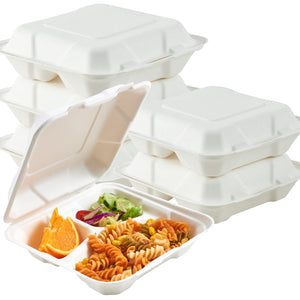
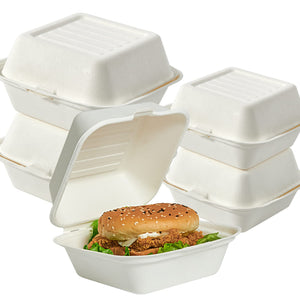
Eco-friendly packaging from sugarcane has two main sources. One is bioplastic made from sugarcane juice. The other is molded containers made from its fibrous byproduct, bagasse. This material offers a strong alternative to traditional paper to go boxes. The demand for sustainable options is rising quickly.
Metric |
Value |
|---|---|
Market Size (2024) |
USD 224.8 Billion |
Projected Market Size (2035) |
USD 414.51 Billion |
CAGR (2025 - 2035) |
5.72% |
Understanding where sugarcane grow and how it is processed reveals its true sustainability.
Key Takeaways
Sugarcane packaging comes in two types: bioplastic from juice and compostable containers from bagasse fiber.
Sustainable sugarcane farming uses methods like crop rotation and drip irrigation to protect the environment.
Certifications like Bonsucro and ROC ensure sugarcane products come from ethical and eco-friendly sources.
Sugarcane bioplastic is recyclable, and bagasse products are compostable, reducing waste.
Choosing certified sugarcane packaging helps the planet and supports fair labor practices.
The Two Types of Sugarcane Packaging
Sugarcane provides two distinct materials for eco-friendly packaging. One path uses the plant's juice to create plastic. The other path transforms the leftover fibrous stalks into molded pulp products.
Sugarcane Bioplastics (Bio-PE)
Sugarcane bioplastic, or Bio-Polyethylene (Bio-PE), is a plant-based plastic made from sugarcane ethanol. It offers the same performance as traditional plastic but comes from a renewable source. The production process follows several key steps:
Producers extract juice from sugarcane.
They ferment the juice to create bio-ethanol.
The bio-ethanol is then dehydrated to produce ethylene gas.
Finally, this ethylene is polymerized to create Bio-PE.
This bio-based plastic is chemically identical to its fossil-fuel counterpart. Companies like EcoEnclose use it for durable poly mailers, while brands such as rose plastic offer protective packaging tubes made from Bio-HDPE. These applications show its versatility and strength.
Sugarcane Bagasse Pulp
Sugarcane bagasse is the dry, fibrous material left after juice extraction. Instead of becoming waste, this byproduct is a valuable resource for molded pulp packaging. The process turns raw bagasse into sturdy containers by pulping the fibers, mixing them with water, and pressing the mixture into molds.
A major advantage of bagasse is its efficiency. Producing bagasse pulp uses less energy than making paper pulp from wood. This smaller energy footprint makes it a more sustainable choice.
Energy Use: Bagasse vs. Wood Pulp
Material
Energy Consumption
Bagasse Pulp
Lower
Wood Pulp
Higher
This process creates strong, reliable products like plates, bowls, and to-go boxes. It turns agricultural waste into a valuable resource for everyday use.
Where Does Sugarcane Grow for Eco-Packaging?
The journey of sugarcane packaging begins in the field. Understanding where and how sugarcane grow is essential to evaluating its environmental credentials. The sustainability of the final product depends heavily on the farming practices used at the source.
Global Production Hotspots
Sugarcane is a tropical grass that thrives in warm climates. Two countries dominate global production: Brazil and India. These agricultural powerhouses are the primary sources of the raw material for both sugarcane bioplastics and bagasse pulp products. Their vast farmlands provide the scale needed to meet the growing demand for eco-friendly alternatives. The methods used in these regions where sugarcane grow have a significant impact on the material's overall sustainability.
Conventional vs. Sustainable Farming
Not all sugarcane farming is equal. The methods used to cultivate the crop determine its true environmental impact.
Conventional farming often relies on monocropping, which means planting only sugarcane year after year on the same land. This practice presents serious challenges.
It severely inhibits sugarcane growth and yield over time.
The soil degrades and loses its fertility.
Harmful soil-borne diseases and pathogens accumulate.
These issues can lead to significant economic losses for farmers.
Sustainable farming offers a powerful alternative that protects natural resources. Modern farmers use innovative techniques to grow crops responsibly. Drip irrigation, for example, delivers water directly to the plant's roots, saving up to 50% more water than traditional methods.
Sustainable Sugarcane Farming Practices
Crop Rotation & Intercropping: Farmers plant other crops like legumes or vegetables alongside sugarcane. This practice improves soil health, reduces pest attacks, and provides extra income.
Biological Pest Management: Farmers use natural predators, like barn owls, to manage pests. This reduces the need for harmful chemical pesticides.
Precision Farming: Drones and sensors monitor crop health in real-time. This technology allows for early detection of problems and targeted solutions.
These regenerative methods create healthier ecosystems. They reduce chemical inputs, restore soil biodiversity, and support the long-term productivity of the land where sugarcane grow.
The Role of Certifications
How can consumers know if their sugarcane packaging comes from a sustainable source? Certifications provide the answer. These independent standards verify that farms follow responsible and ethical practices. Two key certifications lead the way in the sugarcane industry.
Bonsucro is a global organization that promotes sustainable sugarcane. To earn Bonsucro certification, a farm must meet strict criteria:
Adhere to all legal regulations.
Uphold human rights and fair labor standards.
Manage biodiversity and ecosystem services proactively.
Commit to continuous improvement in sustainability.
Regenerative Organic Certified (ROC) sets an even higher bar. It builds on organic standards to focus on actively restoring the environment. ROC principles for sugarcane farming include:
Minimizing soil disturbance and using cover crops.
Increasing biodiversity to create a balanced ecosystem.
Upcycling byproducts, like using mill mud for organic fertilizer.
These certifications give consumers confidence. They signal that the product supports farms that protect soil health, conserve water, and ensure fairness for workers. Choosing certified products is a direct way to support a truly green supply chain.
The True Eco-Impact of Sugarcane Packaging
Understanding the full environmental impact of sugarcane packaging requires looking beyond the field. The benefits, end-of-life options, and potential risks all shape its true sustainability profile. When sourced and produced responsibly, sugarcane offers a powerful solution for reducing our reliance on traditional materials.
Key Environmental Benefits
Sugarcane packaging provides several key advantages for the planet. First, it comes from a renewable resource. Sugarcane is a fast-growing plant, making it a more sustainable source than slow-growing trees or finite fossil fuels. Second, using bagasse turns agricultural waste into a valuable product. This process of upcycling prevents the fibers from being burned or discarded, reducing waste and air pollution. This "Waste to Value" model is a core principle of the circular economy.
Ecolipak: From Bagasse to Your Table
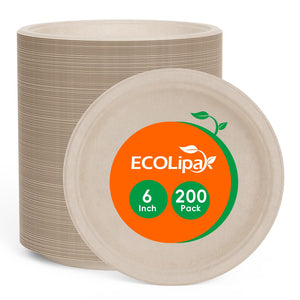
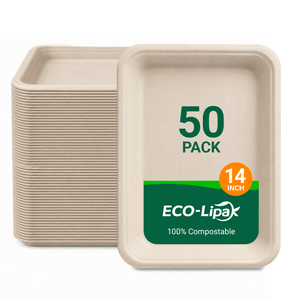
Brands like Ecolipak show the real-world benefits of bagasse. The US-based company turns this fibrous byproduct into high-quality, eco-friendly tableware. Their work exemplifies how to transform agricultural waste into practical, everyday items.
Ecolipak's Compostable Sugarcane Plates are a perfect example. These plates are not just sustainable; they are designed for performance. The company uses sugarcane bagasse for its reliable strength and resistance to heat and grease. Special engineering features make the plates exceptionally durable.
Feature |
Benefit |
|---|---|
Sugarcane Bagasse |
Provides reliable strength and is fully compostable. |
Plate Lattice Patterns |
Distribute stress evenly for better compression strength. |
Optimized Edge Thickness |
Resists bending and breaking under heavy loads. |
Oil & Cut Resistance |
Prevents greasy foods from soaking through and allows safe cutting. |
These plates are also incredibly convenient. They are both microwave and freezer safe, allowing users to easily reheat or store food. Ecolipak ensures its products meet high environmental standards. The plates are BPI Certified, which means they have passed strict tests for compostability.
What is BPI Certification? 🧪 The Biodegradable Products Institute (BPI) verifies that a product can be safely composted. To earn this label, an item must pass several key tests:
Biodegradation: This test confirms that microorganisms can break the material down.
Disintegration: This test ensures the item physically falls apart into small pieces.
Compost Quality: This analysis checks for heavy metals and other toxins to ensure the final compost is safe for the soil.
Customers consistently praise Ecolipak products for their quality. Many users report that the tableware is sturdy and high-quality, eliminating worries about it breaking during use. People feel proud to choose these compostable options over plastic, knowing they are supporting a cleaner planet. This positive feedback shows that sustainability does not require a sacrifice in performance.
End-of-Life: Recyclable vs. Compostable
The two types of sugarcane packaging have different end-of-life paths.
Sugarcane Bioplastic (Bio-PE) is chemically identical to traditional plastic. It should be placed in the recycling bin with other plastics.
Sugarcane Bagasse products are designed to be composted. They break down into nutrient-rich organic matter.
In a commercial composting facility, bagasse products decompose quickly, typically within 30 to 60 days. The controlled heat and moisture in these facilities accelerate the natural process.
Some bagasse items can also be composted at home. Lightweight, uncoated products are suitable for home compost bins, though the process takes longer. It can take 90 to 180 days for bagasse to fully break down in a home compost pile, depending on the conditions. For best results, users should cut the products into smaller pieces before adding them to an active bin.
Acknowledging the Risks
While sugarcane packaging offers many benefits, it is important to acknowledge potential risks. One common concern is whether using land for packaging materials competes with food production. With bagasse, this is not an issue. Bagasse is a byproduct of sugar production. No extra land is needed to produce it, as it is made from the fibrous stalks left over after the juice is extracted.
A more serious risk involves social and labor practices. On non-certified plantations where sugarcane grow, workers can face dangerous conditions and unfair treatment. Studies have documented forced labor, child labor, and exposure to harmful pesticides in some sugarcane supply chains. Workers may endure long hours in extreme heat with little protection, leading to serious health problems.
This is why certifications like Bonsucro and Regenerative Organic Certified (ROC) are so critical. They provide independent verification that farms protect their workers, pay fair wages, and operate ethically. By choosing products from certified sources, consumers and brands can help drive positive change and ensure their eco-friendly choice does not come at a human cost.
Sugarcane packaging presents a powerful alternative to traditional materials. Its true sustainability, however, depends on responsible sourcing from certified farms. The product's form dictates its end-of-life path. Sugarcane bioplastics enter the recycling stream, while bagasse products are compostable. Choosing certified, plant-based dinnerware from trusted brands supports companies committed to a healthier planet. For a greener choice that does not sacrifice quality, consumers can "Green Pack, Go for ECOLipak."
FAQ
What is the difference between sugarcane bioplastic and bagasse?
Sugarcane bioplastic comes from the plant's juice and is recyclable like regular plastic. Sugarcane bagasse is the leftover fiber after juice extraction. Companies use this fiber to make compostable products like plates and bowls.
Are Ecolipak's sugarcane plates strong?
Yes, Ecolipak plates are very durable. Their design makes them sturdy, leak-resistant, and safe for cutting. They reliably hold hot, cold, and oily foods without breaking or soaking through, proving sustainability does not mean sacrificing quality.
How long does bagasse take to compost?
The composting time for bagasse depends on the environment.
Commercial Facility: 30 to 60 days
Home Compost: 90 to 180 days
Proper conditions in commercial sites speed up the natural process.
Why is BPI Certification important for compostable products?
BPI Certification acts as a guarantee. It verifies that a product will break down safely in a commercial compost facility. This certification ensures the final compost is free from harmful toxins and safe for the soil.