You want eco-friendly compostable dinnerware. Bagasse plates come from upcycled sugarcane fiber, a natural byproduct. Bamboo plates come from a purpose-grown grass. The key difference for you is their ability to break down. Bagasse is fully compostable. However, many bamboo products contain binders that prevent them from being compostable plates. This post will help you understand true compostability so you can choose the best compostable plates for your needs.
Key Takeaways
-
Bagasse plates come from sugarcane waste. They are fully compostable and break down quickly.
-
Many bamboo plates contain plastic binders. These binders stop them from being compostable.
-
Never microwave bamboo plates with binders. They can release harmful chemicals into your food.
-
Bagasse plates are safe for hot food and microwaves. They are strong and resist leaks.
-
Always check labels for compostability. Look for '100% bamboo' or certifications like BPI for bagasse.
The Rise of Compostable Dinnerware
As you look for eco-friendly alternatives to plastic, you will find that bagasse and bamboo are two leading materials for compostable dinnerware. Both offer a way to reduce waste, but they come from very different origins and have unique performance qualities. Understanding these differences helps you make the best choice for your event and the planet. These two types of compostable tableware represent a significant step toward a more sustainable future.
Material Source and Production
The journey from plant to plate is very different for bagasse and bamboo. Bagasse is a clever use of an existing resource. The global sugarcane industry produces over 700 million tons of sugarcane fiber, or bagasse, each year. Instead of becoming waste, this natural fiber is turned into compostable products. The process involves:
-
Turning the fiber into a pulp.
-
Molding the pulp into plate shapes using heat and pressure.
-
Trimming the plates to create a clean, finished product.
Bamboo, on the other hand, is a purpose-grown grass. It is a highly sustainable crop because it grows quickly and requires less water than many other plants. To make 100% compostable plates, manufacturers collect the fallen outer sheaths of the bamboo plant, clean them, and press them into shape without chemicals.
Performance and Durability
You need compostable plates that can handle a real meal. Both bagasse and bamboo offer excellent durability. Bagasse creates strong, sturdy plates that resist sogginess, making them reliable for heavy or wet foods. Bamboo is known for its superior strength and can often hold more weight. For single-use events where you need dependable performance, both materials provide a significant upgrade over traditional paper plates. This makes them great sustainable tableware options.
Heat, Liquid, and Oil Resistance
Your compostable plates must stand up to heat and liquids. Bagasse plates excel in this area. You can safely use them in the microwave with temperatures up to 220°F (90°C). They can hold hot liquids for over 30 minutes and oily foods for hours without leaking. This makes them one of the most versatile compostable items available.
Bamboo's performance depends on its composition. While 100% natural bamboo is a strong material, many bamboo plates contain melamine binders.
Important: You should never microwave bamboo plates with melamine. The heat can cause the binder to break down, releasing harmful chemicals into your food. Always check the label to ensure your bamboo plates are 100% pure if you plan to reheat food.
This makes bagasse a more reliably safe choice among compostable materials for hot meals.
Eco-Impact: Which Plate is Greener?
When you choose disposable dinnerware, you want to know you are making the greenest choice possible. The true environmental impact of a plate comes down to what happens after your meal. Let's look at how bagasse and bamboo perform from a composting and decomposition standpoint to see which one is truly better for the planet.
Bagasse: The Truly Compostable Option
Bagasse plates are genuinely compostable, meaning they break down into natural, non-toxic components. When you compost bagasse, it enriches the soil. The decomposing fibers add valuable organic matter back to the earth. This process improves the soil's ability to hold water and nutrients, making it healthier for future plant growth.
For a product to be labeled as commercially compostable, it must meet strict scientific standards. Bagasse compostable products excel here and are often certified based on these key benchmarks:
-
ASTM D6400: This is the primary U.S. standard for commercial compostability. It ensures that products will completely break down in an industrial facility within 180 days.
-
ASTM D6868: This standard applies to products that combine plastics with biodegradable materials, ensuring the entire item is compostable.
These certifications confirm that bagasse compostable plates will not harm the environment. Instead, they become a beneficial part of the natural cycle, making them one of the best eco-friendly alternatives.
The Bamboo Binder Dilemma
While 100% natural bamboo is compostable, many bamboo plates on the market are not. Manufacturers often grind bamboo into a powder and mix it with a plastic binder called melamine-formaldehyde resin to create a durable plate. Studies have shown that a significant percentage of these bamboo products contain this non-compostable plastic. These plates are landfill waste, not compostable tableware.
The biggest issue with these binders is the health risk they pose when heated.
⚠️ Safety Alert: Never Microwave Bamboo-Melamine Plates
Heating these plates can cause harmful chemicals like formaldehyde and melamine to leach into your food. Formaldehyde is a known carcinogen, and high exposure to melamine can lead to kidney problems. You should be especially careful with hot, oily, or acidic foods like tomato sauce, as they can increase the rate of chemical leaching. Always discard plates that are scratched or chipped.
To stay safe, you must learn to identify these plates. Look for labels that say "melamine" or "bamboo fiber." If a plate feels smooth and plasticky or the label warns against microwave use, it likely contains a binder and is not a fully compostable item.
Decomposition Time and Footprint
The time it takes for a plate to decompose is a critical measure of its environmental footprint. Here, the difference between bagasse, pure bamboo, and bamboo with melamine is enormous. True compostable plates return to the earth quickly, while those with plastic binders linger in landfills for centuries.
See how they compare:
|
Material |
End-of-Life Option |
Decomposition Time |
|---|---|---|
|
Bagasse Plate |
Home or Industrial Compost |
90–120 days |
|
100% Natural Bamboo Plate |
Home or Industrial Compost |
4–6 months |
|
Bamboo Plate with Melamine |
Landfill / General Waste |
Hundreds of years |
As you can see, bagasse offers the fastest and most reliable path back to nature. A 100% natural bamboo plate is also a good compostable choice, though it takes a bit longer to break down. However, a bamboo plate with a melamine binder has the same environmental footprint as traditional plastic, creating long-term waste. For guaranteed compostability, bagasse is the clear winner.
Benefits of Quality Compostable Tableware
Choosing the right compostable dinnerware means you get both performance and peace of mind. When you select a high-quality bagasse product, you are not just making an eco-friendly choice; you are choosing a plate that works for your real-life needs.
Why Choose Ecolipak Compostable Plates
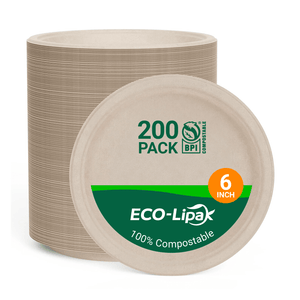
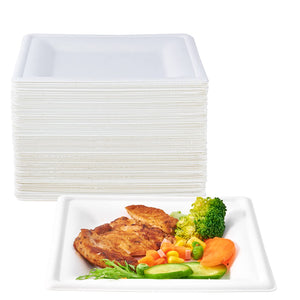
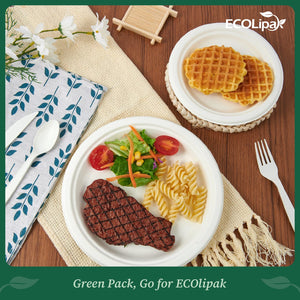
You need a plate that performs well. Ecolipak Compostable Sugarcane Plates are designed to be a reliable solution. Made from 100% upcycled sugarcane fiber, these heavy-duty compostable plates are strong enough to handle steak, saucy entrees, and heavy portions without bending or breaking. Their natural composition makes them leak-resistant, so you can serve oily or wet foods with confidence. By using an agricultural byproduct, Ecolipak helps reduce waste and supports a circular economy, turning potential trash into valuable compostable products.
Health, Safety, and Certifications
Your family's safety is a top priority. Ecolipak plates are BPI Certified, which means a third party has verified they will break down completely and safely in a commercial compost facility. This certification ensures the plates are truly compostable and free from harmful toxins. They are also BPA-Free, but the benefits go even further. Since the plates are made from a natural plant fiber, you avoid the concerns of chemical leaching that can come from plastics, even those labeled "BPA-free." You can serve hot food without worrying about what might be getting into your meal.
Convenience Without Compromise
Choosing eco-friendly options should not mean sacrificing convenience. Many people, from happy brides to party planners, find that Ecolipak solves the common challenge of finding durable and aesthetic compostable tableware.
Customers praise Ecolipak's compostable plates for their sturdiness and style at events, noting they hold up perfectly even with full-course meals and saucy foods.
These plates are safe for both the microwave and the freezer, allowing you to easily heat leftovers or store food. After your event, cleanup is simple. You can dispose of the plates knowing they are fully compostable and will return to the earth in just a few months.
When you need single-use compostable dinnerware, bagasse is the clear winner. For guaranteed performance and true compostability, eco-friendly bagasse compostable plates like those from Ecolipak deliver strength and safety. While 100% natural bamboo is a good compostable option, you must watch out for products with non-compostable plastic binders. For reliable compostable tableware that returns to the earth, make a confident choice. For green packaging, choose Ecolipak.
FAQ
How are bagasse plates different from corn starch plates?
You will find that both are great compostable options. Bagasse comes from upcycled sugarcane waste fiber. Corn starch plates are made from polylactic acid (PLA), a bioplastic derived from corn. Bagasse often has better heat resistance, making it more suitable for hot foods and microwave use.
Are Ecolipak sugarcane plates really safe for my family?
Yes, they are completely safe. Ecolipak plates are BPI Certified and BPA-Free. They are made from 100% natural sugarcane fiber. You can serve hot meals with confidence, as no harmful chemicals will leach into your food. Your family's health is protected.
How do I know if a bamboo plate is compostable?
You should always check the product's label and description.
If a bamboo plate feels smooth like plastic or the packaging warns against microwave use, it likely contains a non-compostable melamine binder. A truly compostable plate will be labeled as "100% bamboo" and feel more natural.
Can I compost bagasse plates in my backyard compost pile?
Yes, you can. Bagasse plates break down in home compost systems, though it may take a bit longer than in an industrial facility. For the fastest results, you can tear the plate into smaller pieces before adding it to your compost bin.