Quick Answer: An 8 oz side bowl can make a small deli's lunch offer more useful, but only if the side sells often enough to justify prep and packaging. Start with one or two sides that fit a genuinely small bowl, such as slaw, cut fruit or a modest soup portion. Track how many sandwich buyers add a side for two weeks, then order the 8 oz white sugarcane bowls in 150- or 300-count boxes against that observed attach rate. Do not buy 300 just because the per-unit price looks lower.
Key Takeaways
- Use an 8 oz bowl for a side, snack or sample, not for a full-size lunch salad.
- Measure add-on demand as side orders divided by eligible lunch orders.
- The listed white 8 oz sugarcane bowl is available in 150- and 300-count boxes; choose from projected use and storage, not guesswork.
- Standardize the fill and test a real pickup or delivery route before promising a soup add-on.
- Price the side using ingredients, labor, packaging and expected unsold portions, not bowl cost alone.
A deli sandwich counter often has the ingredients for a side already on hand. A few extra portions of crunchy slaw or fruit can make a lunch order feel complete without adding another main dish. The trap is preparing a large batch because the packaging is available. Better to test a smaller offer, measure what buyers actually add, and then scale.
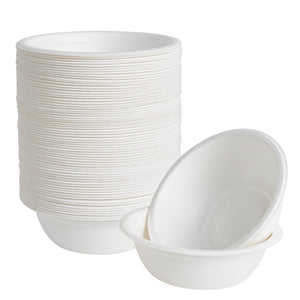
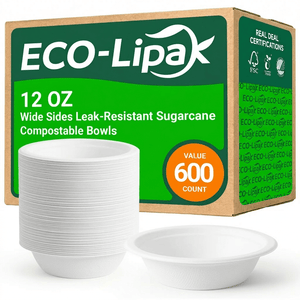
ECO-Lipak's white 8 oz molded sugarcane bowls are sold in 150- and 300-count boxes. They are round, small and open-topped. The product is useful as a side-bowl candidate, but the correct portion, temperature and handoff method still need to be tested with your food. A listing for bowls does not imply that a fitted lid comes in the box.

Choose Sides That Really Fit 8 oz
Volume labels are not permission to fill a bowl flush to its rim. Slaw mounds; cut fruit settles; soup needs headspace. Run a service test with the actual recipe, utensil and expected wait time. A compact slaw or fruit side may travel well in a pickup bag, while a hot liquid needs a separately verified lid and spill test. If the desired side is a substantial meal component, consider a larger 12 to 32 oz sugarcane bowl rather than stretching the 8 oz format beyond its useful job.
| Side offer | 8 oz fit test | Operational check |
|---|---|---|
| Slaw with a sandwich | Good candidate for a modest, repeatable scoop | Check moisture after 20 minutes in a packed order |
| Cut fruit | Good candidate when pieces sit below the rim | Keep cold and record same-day spoilage |
| Soup taster or small side | Possible only after a real fill and travel test | Verify separate lid compatibility and hot-handling procedure |
| Meal-size grain salad | Usually too much for this format | Move to a larger bowl before setting a price |
That table is a menu design screen, not a claim about universal food safety or leakproof performance. A bowl may be right for a stationary counter and wrong for a bike delivery route. Ask your team to test the slowest expected pickup time, not the fastest.
Calculate the Attach Rate Before the Next Box
Suppose a deli sells 80 eligible sandwiches per operating day and 15 customers buy a side. The attach rate is 15 divided by 80, or 18.75%. Over ten days, expected bowl use is roughly 150, before sampling, breakage or menu changes. In that case a 150-count box covers about ten days; a 300-count box covers about twenty. Neither figure is a stock recommendation without knowing supplier lead time and shelf space. It simply turns a vague buying decision into one you can check.
Keep a short daily record: eligible orders, paid sides, complimentary sides, bowls discarded and bowls remaining. If paid sides rise to 24 per day, the same 150-count box lasts about six days. If only six sell per day, it lasts about 25 days, and the larger pack can create clutter before you know whether the menu will stay. Recalculate every two weeks during launch.
When comparing box sizes, calculate the full cost per sold side. Divide ingredient cost, prep labor, packaging cost and waste across the sides actually sold. A low packaging unit price cannot rescue a side that is prepared but not purchased. Nor does a high attach rate guarantee margin if the serving is inconsistent.

Three Ways a Small Deli Could Test the Offer
Lunch sandwich counter
Offer one slaw side and one fruit side next to the sandwich price. Use one measured utensil per side and train staff to ask a single clear question at checkout. The first measure is not whether people compliment the bowls; it is how many buyers choose an add-on and whether portions survive the usual pickup window.
Soup-and-sandwich special
A small soup side may make a combo attractive in colder months. Do not assume the open bowl can travel as-is. Test a compatible closure purchased separately, temperature, bag position and the likely delay before eating. If that workflow fails, keep the soup as an eat-in side or choose another container.
Office lunch preorder
Preorders give a better count than walk-in estimates. If 42 office customers select a fruit side for Thursday, prepare close to that quantity plus a modest agreed buffer. Bowl use follows the preorder, not the total number of lunches. For larger recurring contracts, compare larger 12 or 16 oz wholesale bowls only if the menu calls for a larger serving.
Make the Side Feel Worth Buying
A paid side should have a clear name, a visible portion and a price customers can understand next to the sandwich. It should also be easy for a rushed cashier to add to the order. Too many side choices slow the line and complicate prep. One well-executed slaw and one fruit option may teach you more than a rotating list of six.
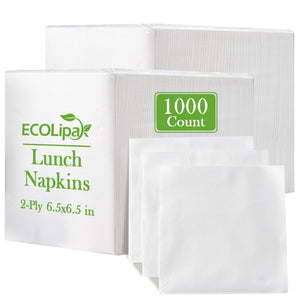
Think about the rest of the order. A 2-ply paper napkin option and the right bag size matter to the customer experience, but they should be costed into the combo instead of added as an afterthought. Browse ECO-Lipak's bowl collection if the menu needs a different capacity. For more detail on box quantities alone, see the existing 150-vs-300 buying guide; this article is about whether the side offer earns its place on the menu.
The material claim also deserves care. Sugarcane fiber is not a substitute for checking local collection rules. The US EPA's foodservice ware guidance explains why buyers should evaluate claims and disposal pathways, rather than treating a compostable label as a universal disposal instruction.
Set a Two-Week Go or No-Go Check
After ten to fourteen operating days, review attach rate, gross profit per sold side, prep waste, staff feedback and any leaks or packing complaints. Keep the offer if those measures work together. Change the recipe, portion or container if one measure consistently fails. A small bowl can support a better lunch ticket, but it should earn its place through sales and service evidence.
Frequently Asked Questions
Is an 8 oz bowl enough for a deli side?
Often, yes, for a modest slaw, fruit, yogurt or soup side. Test your actual recipe below the rim; a meal-size salad usually needs a larger bowl.
How do I estimate how many side bowls to order?
Multiply eligible lunch orders by the measured side attach rate and operating days until your next delivery, then add a small buffer for breakage and demand swings.
Should a new deli buy 150 or 300 bowls?
Start from expected days of use and available storage. At 15 paid sides daily, 150 bowls cover about ten operating days and 300 cover about twenty, before any reserve.
Does the 8 oz bowl include a lid?
Do not assume a lid is included. Check the selected listing and test any separately sourced closure with the actual filled bowl and transport route.
Can these bowls be put in any compost bin?
No. Check the exact product claim and whether your local collection program accepts molded fiber foodservice ware. Never promise universal composting to customers.