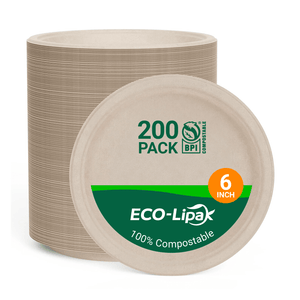
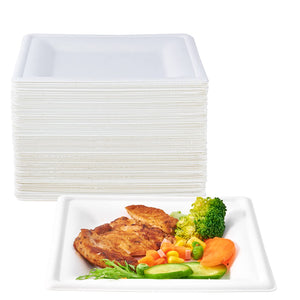
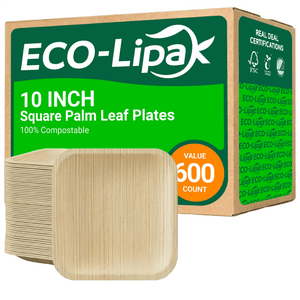
You might wonder what to do about the compostable dilemma if you don’t have compost at home. Choosing eco-friendly tableware still makes a big difference for the environment, even when you toss it in the regular trash. Ecolipak cares about helping you make smart, green choices. Compostable Sugarcane Plates lead the way as a sturdy, sustainable option. When you pick products like palm leaf plates or sugarcane tableware, you help protect the planet and make life easier for yourself.
Key Takeaways
Choosing compostable tableware helps reduce plastic waste, even if you can't compost at home.
Ecolipak Compostable Sugarcane Plates are sturdy, eco-friendly, and break down faster than traditional plastic.
Palm leaf and wooden plates are great alternatives for landfill disposal as they decompose quicker and leave no harmful residues.
Mix reusable and compostable tableware for everyday meals and special events to balance convenience and sustainability.
Every small step towards using eco-friendly products contributes to a cleaner, greener planet.
The Compostable Dilemma Explained
Why Compostability Matters
You might hear a lot about compostable plates and wonder why they matter if you can’t compost at home. This is the heart of the compostable dilemma. Many people want to do the right thing for the planet, but not everyone has access to composting. Even so, compostable tableware still plays a big role in protecting the environment.
Here’s why compostable products are important, even for non-compost homes:
They help reduce plastic pollution in your community.
They lower carbon footprints by using renewable materials.
They support a greener future for everyone.
They help keep harmful chemicals out of your food and the environment.
They encourage local composting programs and a circular economy.
When you choose compostable tableware, you support a shift away from petroleum-based plastics. You also help reduce the amount of waste that ends up in landfills.
Take a look at how compostable tableware compares to conventional options:
Aspect |
Compostable Tableware |
Conventional Tableware |
|---|---|---|
Decomposition Time |
Hundreds of years |
|
Environmental Impact |
Reduces landfill waste, turns into compost |
Adds to landfill, increases pollution |
Material Source |
Renewable plant-based materials |
Petroleum-based materials |
Challenges Without Local Composting
Now, let’s talk about the real challenge—the compostable dilemma for people without compost bins or city compost pickup. If you toss compostable plates in the regular trash, they often end up in landfills. In these places, there isn’t enough air or moisture for them to break down quickly. This means they might not decompose as fast as you expect.
Some materials, like bioplastics (such as PLA), need special industrial composting to break down. Most urban areas don’t have these facilities. So, if you live in a city without composting, these items can last much longer than you’d hope.
Tip: Even if you can’t compost at home, choosing compostable tableware still sends a message. You show companies and your community that you care about the environment. This can help push for better composting programs in your area.
The compostable dilemma isn’t easy to solve, but your choices still matter. Every step you take helps move us closer to a cleaner, greener world.
Eco Tableware Materials Compared
Ecolipak Compostable Sugarcane Plates
When you want a plate that’s both tough and eco-friendly, Ecolipak Compostable Sugarcane Plates stand out. These plates come from sugarcane bagasse, which is the fibrous part left after extracting juice from sugarcane. Instead of letting this material go to waste, Ecolipak turns it into sturdy, attractive plates.
You get more than just a green label with these plates. They’re plant-based, tree-free, and break down in weeks, not years. That means you help keep plastic out of landfills and oceans. Here’s a quick look at how they compare to traditional plastic plates:
Type of Tableware |
Decomposition Time |
Environmental Impact |
|---|---|---|
Traditional Plastic |
Hundreds of years |
Pollutes soil and waterways, ends up in landfills |
Compostable Tableware |
Weeks |
Breaks down without lasting residue, supports zero-waste |
You also help the planet in other ways:
Compostable plates use less energy to make than plastic.
They release fewer greenhouse gases during production.
They’re made from plants, not oil or trees.
Switching to compostable plates can cut global plastic pollution by up to 70% by 2040. That’s a big win for the environment and for future generations.
People love Ecolipak plates for more than just their green credentials. Here’s what real users say:
“I used Ecolipak plates for my daughter’s birthday party. They held up with burgers, salads, and even ice cream cake. No leaks, no mess, and everyone loved the natural look!” — Happy Parent
Customers often mention how sturdy these plates feel. You can serve hot, oily, or heavy foods without worrying about leaks or soggy bottoms. The plates look stylish, too, so your table always looks great.
Palm Leaf and Bamboo Plates
Palm leaf and bamboo plates give you another natural choice for eco-friendly dining. These plates come straight from nature—palm leaf plates are made from fallen leaves, and bamboo plates use fast-growing bamboo stalks.
Let’s see how they stack up:
Plate Type |
Decomposition Time |
Environmental Impact |
|---|---|---|
Palm Leaf Plates |
2 months |
Highly sustainable, reduces landfill burden |
Bamboo Plates |
6 months |
Eco-friendly, but manufacturing may affect decomposition |
Sugarcane Plates |
2-6 months |
Utilizes waste, biodegradable, versatile |
Palm leaf plates break down in about two months. They’re sturdy, leak-proof, and look beautiful on any table. You can use them for hot or cold foods, and they won’t bend or get soggy.
Bamboo plates are also biodegradable, but they may take up to six months to decompose. Some bamboo plates use adhesives, which can slow down the process.
Palm leaf plates are a great pick if you want something that disappears quickly after use. They don’t need extra chemicals or coatings, so you keep your meals natural and safe. Bamboo plates are strong and reusable for a few washes, but palm leaf plates usually have a lower carbon footprint because they use leaves that would otherwise go to waste.
When you only have landfill disposal, palm leaf and wooden plates are smart choices. They break down faster than most alternatives and don’t leave harmful residues behind.
Coated Paper and Bioplastics
You might see coated paper plates or bioplastic (PLA) plates labeled as “eco-friendly.” These options can be confusing, especially if you don’t have access to industrial composting or special recycling.
Here’s what you need to know:
Coated paper plates often have a thin plastic or PLA layer to prevent leaks. This coating makes them hard to recycle and not suitable for home composting.
Bioplastics (like PLA) need high heat and special conditions to break down. In a landfill, they can last just as long as regular plastic.
Material |
Recyclability |
Compostability |
|---|---|---|
Coated Paper |
Needs special recycling |
Not for traditional composting |
Bioplastics (PLA) |
Limited in regular recycling |
Needs industrial composting facilities |
Uncoated Paper |
Fully recyclable and compostable |
Fully compostable |
If you toss these plates in the trash, they won’t break down quickly. PLA-coated paper cups, for example, can take years to decompose in a landfill. Most cities don’t have the right facilities to compost bioplastics, so they often end up as waste.
Tip: If your only option is landfill disposal, stick with natural materials like palm leaf, wood, or sugarcane. These break down faster and don’t need special treatment.
Choosing the right eco tableware depends on your local waste options. When you pick Ecolipak Compostable Sugarcane Plates or palm leaf plates, you make a real difference—no matter where your trash goes.
Disposal Options for Non-Compost Homes
Regular Trash and Landfill Outcomes
If you don’t have access to composting, you probably toss your eco tableware in the regular trash. But what really happens next? Most compostable plates, including Ecolipak Compostable Sugarcane Plates, end up in landfills. In these places, there isn’t enough air or moisture for natural breakdown. When Ecolipak Compostable Sugarcane Plates go to the landfill, they don’t decompose as quickly as they would in a compost pile. This adds to landfill waste and can increase greenhouse gas emissions.
Bioplastics, like PLA, need special industrial composting to break down. Most cities don’t have these facilities. If you throw PLA plates in the trash, they act like regular plastic and stick around for years. Coated paper plates also struggle to break down in landfills because of their plastic or PLA lining.
Natural materials, such as palm leaf or wooden plates, do a bit better. They come from plants and don’t have added chemicals. Even in a landfill, they break down faster than plastic or bioplastics. If your only option is landfill disposal, palm leaf and wooden tableware are smart picks. They have a lower carbon footprint and don’t leave behind harmful residues.
Recycling Challenges
You might wonder if you can recycle your eco tableware. The answer is usually no. Most recycling centers can’t process compostable plates, bioplastics, or coated paper plates. These items often get sorted out and sent to the landfill anyway.
The U.S. recycling industry is facing major challenges, including contamination in the recycling stream, dated infrastructure, and products not designed for recycling. Consumer confusion and a lack of confidence in the recycling system are also significant issues.
If you want to do your part, here are some tips:
Always check local guidelines before putting tableware in the recycling bin.
Choose uncoated paper or natural fiber plates if you want the best chance at recycling or composting.
When in doubt, put compostable plates in the trash, but keep pushing for better composting programs in your area.
Choosing the right eco tableware helps you reduce waste, even when composting and recycling aren’t available.
Environmental Impact and Zero Waste Living
Decomposition Without Composting
You want your kitchen to support zero waste living, but what happens when you toss eco tableware in the trash? In a composting facility, compostable plates break down fast—usually 90% gone in just 180 days. In a landfill, things slow down. Plates made from sugarcane, palm leaf, or bamboo can take months or even years to decompose because landfills lack air and moisture.
“Compostable packaging requires the specific conditions provided by an industrial composting facility to break down effectively. If thrown into a standard landfill, it will likely not decompose properly, thus losing its environmental benefit.”
Still, you can reduce your impact by choosing natural materials. Palm leaf and wooden plates break down faster than plastics or bioplastics. They don’t leave behind harmful chemicals. When you use Ecolipak Compostable Sugarcane Plates, you help reduce the amount of plastic in your kitchen and the landfill. Even if decomposition takes longer, you still make a sustainable choice.
Here’s a quick look at how decomposition works:
Environment |
Decomposition Time |
|---|---|
Composting Facility |
90% in 180 days |
Landfill Environment |
Months to decades |
Resource Use and Sustainability
You can reduce waste in your kitchen by picking products that use fewer resources and create less pollution. Eco tableware, like Ecolipak’s sugarcane plates, comes from fast-growing crops. This reduces the need for plastics and cuts down on greenhouse gas emissions by up to 80% compared to traditional tableware.
Feature |
Benefit |
|---|---|
Biodegradable |
Made from fast-growing crops, reducing reliance on plastics. |
Carbon Footprint |
80% less greenhouse gas emissions. |
Energy Use |
Less than half the energy of plastic alternatives. |
End of Life |
Biodegradable and compostable, supports zero waste living. |
You can also reduce waste by transforming your kitchen into a sustainable space. Try using sustainable storage, shop responsibly, and set up a recycling system. Every small change helps reduce your environmental footprint.
Ecolipak stands out for its environmental achievements:
BPI Certified for compostability.
Products are compostable and biodegradable.
In 2024, Ecolipak helped protect 125,000 square meters of green space.
Awarded the Thailand Board of Investment Privilege for environmental efforts.
When you choose sustainable tableware, you support zero waste living and help reduce pollution. Your kitchen becomes a model for others who want to reduce waste and live greener.
Practicality and Reusable Alternatives
Everyday Use and Durability
You want tableware that works for busy days, family dinners, and big events. Eco tableware, like Ecolipak Compostable Sugarcane Plates, gives you a practical choice. These plates handle hot, oily, or heavy foods without leaks or breaking. You can trust them for everything from pizza night to birthday parties.
Many people look for reusable options at home. You might use glass, ceramic, or stainless steel plates every day. These reusable plates last for years if you take care of them. You can wash and reuse them hundreds of times. They work well for small families or anyone who wants to cut down on waste.
Sometimes, you need something quick and easy. That’s where compostable plates shine. You don’t have to worry about washing up after a big gathering. Ecolipak customers say these plates make cleanup less stressful. They notice their events feel cleaner and more organized. Guests like knowing they are making an eco-friendly choice.
“Cleanup was a breeze. I didn’t have to reuse plates or worry about plastic waste. My friends loved the idea of using compostable plates for our picnic.”
Reusable vs. Single-Use Options
You might wonder if reusable or single-use tableware fits your life best. Let’s compare:
Feature |
Reusable Plates |
Compostable Plates |
|---|---|---|
Durability |
Lasts for years |
One-time use |
Cleanup |
Needs washing |
Toss after use |
Cost |
Higher upfront |
Lower per event |
Convenience |
Great for home |
Great for parties |
Waste |
None if you reuse |
Minimal if composted |
Reusable plates save money over time. You buy them once and reuse them again and again. They work best if you have space to store and wash them. If you host large events or picnics, compostable plates offer a simple solution. You don’t need to reuse plates or worry about breakage.
You can mix both options. Use reusable plates for daily meals and compostable ones for special occasions. This way, you get the best of both worlds. You help the planet and make life easier.
Ecolipak’s story shows that you don’t have to choose between convenience and sustainability. Customers love how compostable plates reduce stress and keep gatherings tidy. You can reuse what you have at home and pick compostable tableware when you need it.
Recommendations for Non-Compost Homes
Best Choices for Eco Tableware
You want to make smart choices, even if you can’t compost at home. The good news? You have plenty of eco-friendly alternatives. Ecolipak Compostable Sugarcane Plates are a top pick for many families. These products work well for parties, picnics, and everyday meals. They handle hot, oily, or heavy foods without leaks. You can trust them to keep your gatherings stress-free.
If you want more alternatives, check out these options:
Palm leaf plates
Wooden tableware
Cornstarch tableware
Biodegradable cutlery
Bamboo plates
Palm leaf and wooden products stand out for landfill-only homes. They break down faster than plastic and don’t leave harmful chemicals behind. You can feel good about using these zero waste alternatives. They also look beautiful on your table.
Here’s a quick table to help you compare:
Tableware Type |
Best For |
Landfill Impact |
|---|---|---|
Sugarcane Plates |
All foods, events |
Breaks down naturally |
Palm Leaf Plates |
Parties, picnics |
Low carbon footprint |
Wooden Tableware |
Everyday use |
No harmful residue |
You can mix and match these products to fit your needs. Try different alternatives to see what works best for your family.
Tips for Zero Waste Living
You can take small steps to reduce waste, even without composting. Here are some zero waste tips to get you started:
Set up a clear spot for sorting compostable and recyclable items.
Look for local composting drop-off sites or community gardens.
Track your waste each week and see where you can improve.
Swap out disposables for reusable plates when you can.
Choose products made from natural materials like bamboo, palm leaf, or sugarcane.
You don’t have to do everything at once. Try one or two zero waste tips each month. You’ll see progress over time.
You can also research new zero waste alternatives as they come out. Many companies now offer products that support a zero waste lifestyle. Ecolipak keeps adding new products to help you live greener. You can find something that fits your style and budget.
Remember, every small change counts. You can inspire others by sharing your zero waste tips and showing off your favorite alternatives. Together, you help protect the planet, one meal at a time.
You have plenty of friendly choices for eco tableware, even without composting. Brands like Ecolipak offer friendly sugarcane plates that break down naturally and handle hot or cold food. Palm leaf plates are another friendly option with a low carbon footprint. Check out this table for a quick comparison:
Material |
Environmental Impact |
|---|---|
Sugarcane Bagasse |
Upcycled, compostable, reduces raw material use |
Palm Leaf |
Minimal energy, very low carbon footprint |
Switching to zero waste living helps you stay healthy, save money, and protect the planet.
FAQ
What makes biodegradable packaging better for the environment?
You help the planet when you choose biodegradable packaging. It breaks down faster than plastic. This reduces waste in landfills. Biodegradable packaging uses plant-based or recycled materials. You support a cleaner world and lower pollution by picking biodegradable packaging for your meals and snacks.
Can I throw compostable plates in the regular trash if I don’t have a compost bin?
You can toss compostable plates in the trash, but they break down slowly in landfills. Without a professional compost facility, compostable plates act like regular waste. If you want faster breakdown, look for a local professional compost facility or a biodegradable pickup service.
Why do bioplastics and PLA not break down in my city’s landfill?
Bioplastics like PLA need special heat and moisture to decompose. Most cities lack a professional compost facility for this. In regular landfills, these materials stay as waste for years. Natural palm leaf or wooden tableware made from biodegradable material works better for landfill-only disposal.
How can I reduce waste in my kitchen and bathroom?
You can start your zero waste journey by using biodegradable packaging, biodegradable cutlery, and a reusable water bottle. Try to refuse single use plastic. Set up a zero waste kitchen and a zero waste bathroom. Track your waste and choose products made from biodegradable material.
What are the best tips for living more environmentally friendly at home?
Choose biodegradable packaging for food and snacks. Use biodegradable cutlery and a reusable water bottle. Refuse single use plastic. Pick products made from biodegradable material. Reduce waste by recycling and composting when possible. Every small step helps you live more environmentally friendly.